
In today’s energy-conscious world, water pumping systems are increasingly turning to renewable power sources to achieve both cost savings and environmental benefits. A solar pump—whether in the form of a solar water pump or a solar-powered pump—harnesses sunlight to drive water from one location to another without relying on conventional electricity or fossil fuels. This not only reduces operational expenses but also enables reliable water supply in areas with limited or unstable power grids.
The growing demand for sustainable solutions in agriculture, industry, and community infrastructure has made solar pump technology more advanced and accessible than ever before. Modern systems combine high-efficiency photovoltaic panels with intelligent controllers and durable pump designs, ensuring consistent performance even in challenging conditions. As a result, solar pumps have become an attractive option for applications ranging from irrigation and livestock watering to municipal water supply and remote site operations.

By understanding how solar pumps work, what advantages they bring, and how to choose the right type for your needs, you can make informed decisions that lead to long-term performance, cost efficiency, and sustainability. In the following sections, we will explore their functionality, benefits, application potential, and product options to help you identify the most suitable solution for your specific requirements.
What Is a Solar Pump and How Does It Work?
A solar pump is a water pumping system powered by solar energy, designed to operate without dependence on grid electricity or diesel generators. It works by converting sunlight into electrical energy via photovoltaic (PV) panels, which then power an electric motor connected to the pump. This process ensures water is moved efficiently from sources such as wells, rivers, or reservoirs to storage tanks, irrigation systems, or distribution networks.
There are two main categories of solar pumps:
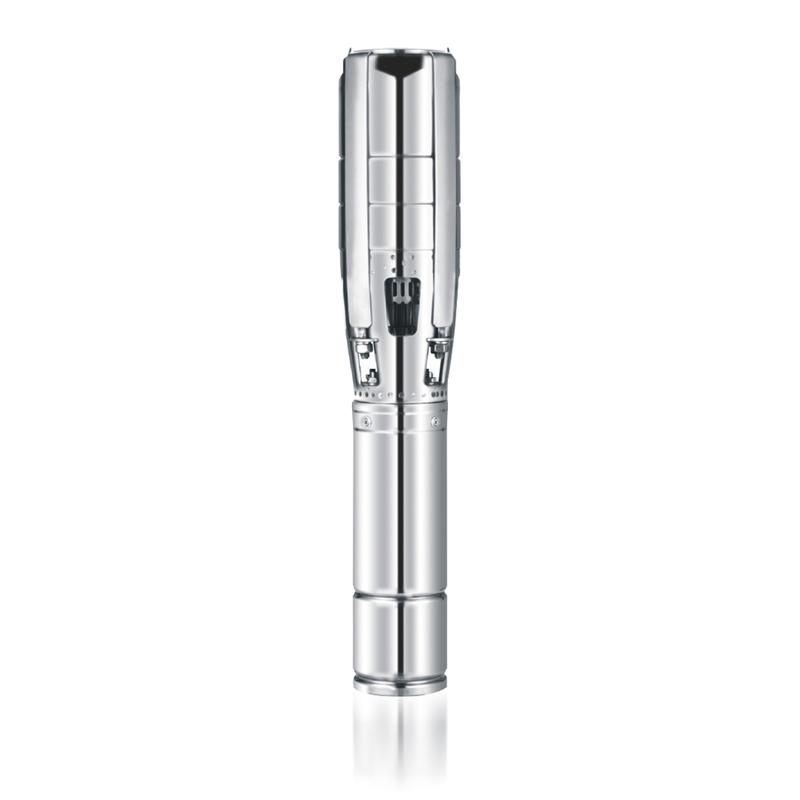
Solar submersible pumps – Installed underwater, often in wells or boreholes, they are ideal for deep-water extraction. They can lift water from significant depths while maintaining high efficiency.
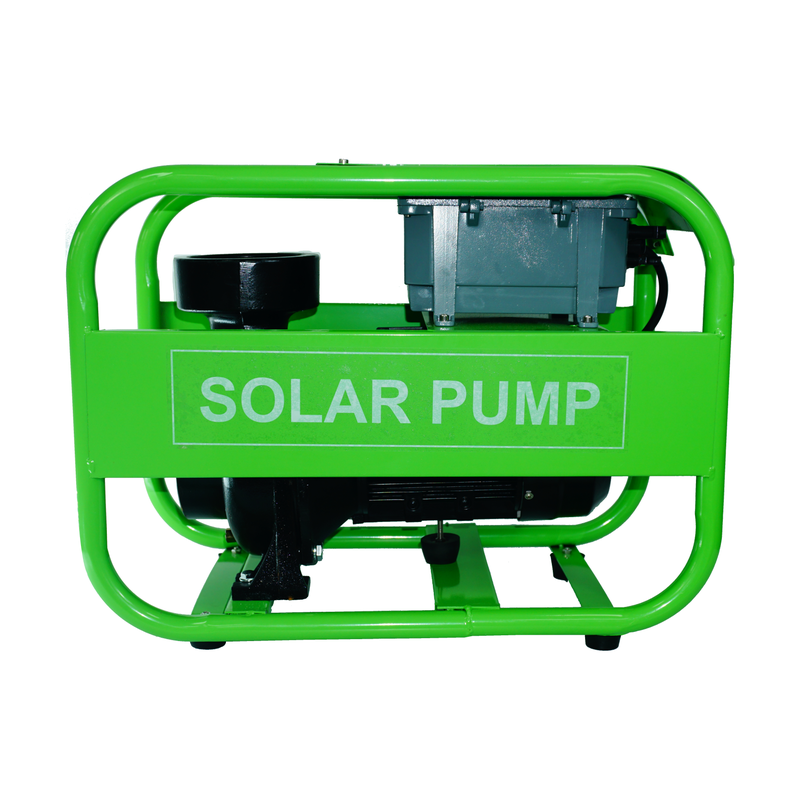
Solar surface pumps – Positioned above the water source, suitable for applications where water is shallow or accessible at ground level, such as ponds, canals, or storage tanks.
The system typically includes:
Solar panels to capture and convert sunlight into electricity.
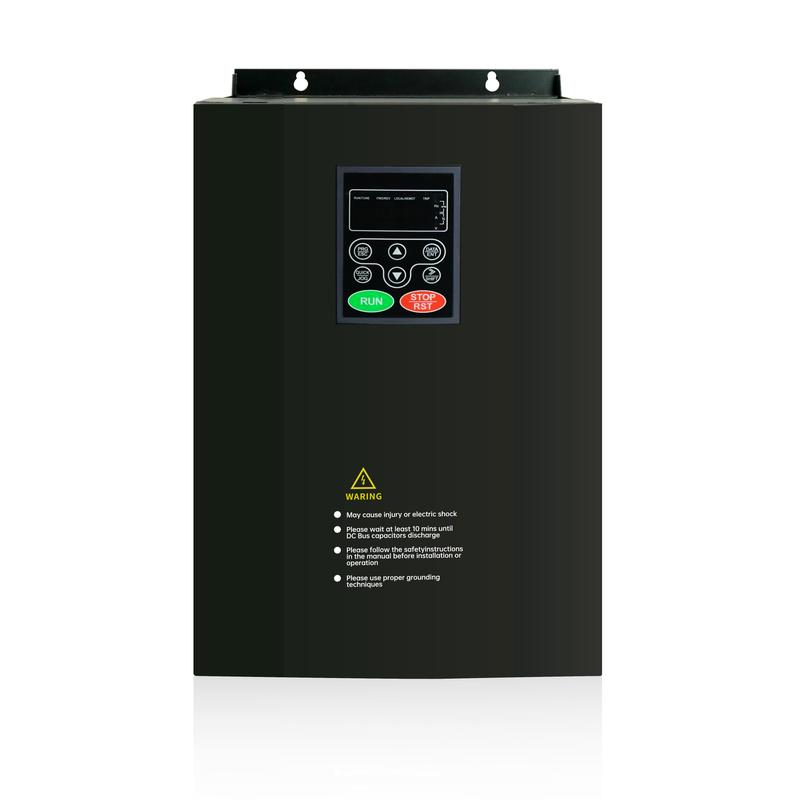
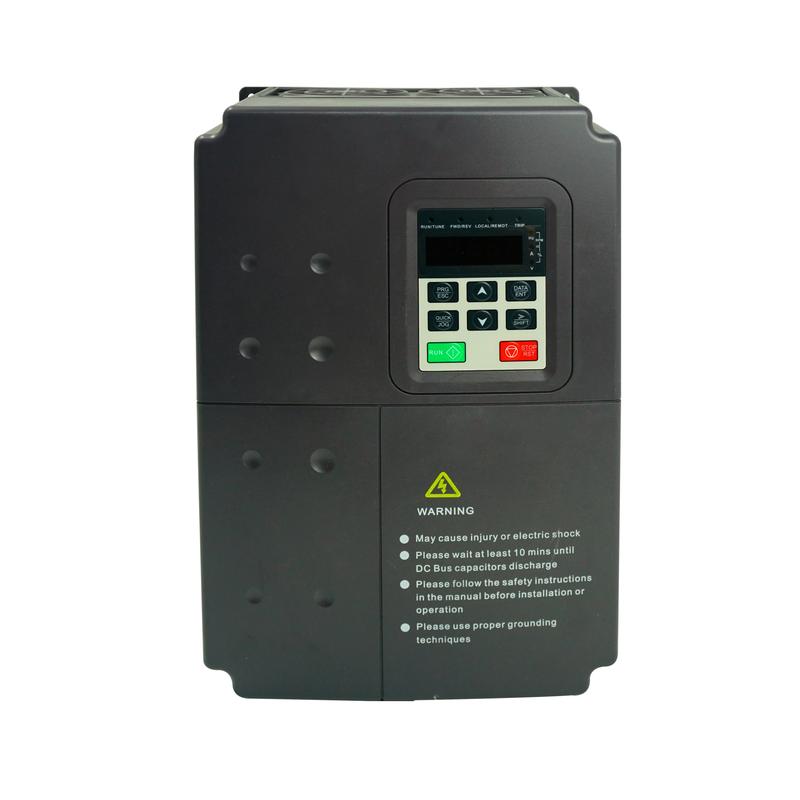
Controller or inverter to regulate power supply and optimize pump performance based on sunlight availability.
Pump unit (submersible or surface) to move water as required.
By intelligently adjusting pumping speed based on sunlight intensity, a solar pump ensures consistent output throughout the day, while minimizing wear and energy waste. This makes it especially effective for locations with fluctuating sunlight conditions or seasonal water demand.

Why Choose a Solar Water Pump Over Traditional Pumping Systems?
Switching from conventional pumping methods to a solar water pump offers multiple advantages that go beyond simple energy savings. Traditional pumps often depend on grid electricity or diesel fuel, both of which can be costly, environmentally harmful, and unreliable in remote locations. In contrast, solar-powered systems utilize free, renewable sunlight, significantly lowering operational costs over time.
1. Cost Efficiency and Energy Savings
Once installed, a solar water pump has minimal operating costs because sunlight is free. While initial investment may be higher than a basic electric or diesel pump, the savings on fuel and electricity bills quickly offset this expense. Over the lifespan of the system, owners can expect substantial cost reductions compared to conventional solutions.
2. Reliability in Remote or Off-Grid Areas
For farms, rural communities, or remote industrial sites, power supply can be inconsistent or completely unavailable. A solar water pump ensures a steady water supply without relying on external power sources, making it ideal for critical applications such as irrigation, livestock watering, and community water distribution.
3. Environmental Sustainability
Using solar energy reduces carbon emissions and eliminates the noise and air pollution associated with diesel generators. This aligns with global trends toward cleaner, greener technology and helps meet environmental compliance standards in various regions.
4. Low Maintenance and Long Lifespan
With fewer moving parts and no fuel combustion, solar-powered pumps generally experience less wear and require less frequent maintenance. High-quality models are built for durability, often lasting over a decade with proper care, especially when paired with corrosion-resistant materials and advanced motor protection systems.
In essence, choosing a solar water pump means investing in a dependable, eco-friendly, and cost-effective solution that delivers consistent water supply while minimizing long-term expenses.
How Can a Solar-Powered Pump Improve Efficiency in Different Applications?
A solar-powered pump delivers performance benefits that go beyond simply replacing traditional energy sources—it enhances operational efficiency across multiple industries and use cases. By intelligently converting sunlight into usable power and matching output to real-time demand, these systems minimize waste, improve water management, and increase overall productivity.
1. Agricultural Irrigation
In farming, water needs often vary by season and crop type. A solar-powered pump can be integrated with drip or sprinkler irrigation systems, automatically adjusting flow rates according to available sunlight and soil moisture conditions. This precision reduces over-irrigation, conserves water resources, and optimizes plant growth.
2. Livestock Watering Systems
For ranches or dairy farms, reliable water supply is essential for animal health and productivity. Solar-powered pumps can draw water from remote wells or ponds directly to troughs, maintaining stable supply without requiring fuel transport or expensive electrical infrastructure.
3. Industrial and Commercial Use
In manufacturing or construction projects located far from grid access, solar pumps provide a dependable water source for cooling systems, cleaning processes, or concrete mixing. This independence from fossil fuels can lower operating costs and reduce downtime caused by fuel shortages or power outages.
4. Community and Municipal Water Supply
Rural villages or small towns can benefit from solar pumping stations that provide clean drinking water without recurring fuel expenses. Combined with water storage tanks, these systems can operate during the day and store sufficient water for night-time use.
5. Remote Environmental Projects
In environmental restoration, aquaculture, or wildlife habitat management, solar pumps enable continuous water flow for ponds, wetlands, or fish farms without disturbing ecosystems with fuel emissions or noise.
Through these diverse applications, solar-powered pumps not only improve efficiency but also create a more resilient, adaptable, and sustainable water management system suitable for both small-scale and large-scale operations.
What Factors Should You Consider When Selecting the Right Solar Pump Model?
Choosing the right solar pump involves more than just deciding between a submersible or surface type—it requires a careful evaluation of operational needs, environmental conditions, and long-term performance goals. The wrong choice can lead to inefficiency, higher costs, or even system failure, so understanding key selection factors is essential.
1. Water Source Type and Depth
For deep wells or boreholes, a solar submersible pump is typically the best choice due to its ability to lift water from significant depths with consistent pressure.
For shallow water sources like ponds, rivers, or tanks, a solar surface pump offers easier installation and maintenance while delivering high flow rates.
2. Required Flow Rate and Head
Flow rate refers to the volume of water needed per hour or day, while head measures the vertical distance the pump must lift water. Both are critical in matching pump specifications to the actual demand, ensuring adequate supply without oversizing the system.
3. Sunlight Availability
Solar pumps rely on direct or indirect sunlight. Areas with high solar exposure allow for smaller panel arrays, while regions with variable weather might require larger arrays or battery storage for stable performance.
4. System Components and Build Quality
High-quality solar pumps feature corrosion-resistant materials, advanced motor protection, and efficient controllers or inverters. Investing in robust components reduces maintenance costs and extends operational life.
5. Scalability and Future Expansion
Selecting a system that can be upgraded with additional panels or higher-capacity pumps allows flexibility as water needs grow—important for expanding farms, industrial projects, or community developments.
6. Budget and Lifecycle Cost
Initial purchase price should be weighed against long-term savings on fuel, electricity, and maintenance. A slightly higher upfront investment in a premium model often results in better performance and lower total cost of ownership.
By carefully balancing these factors, buyers can ensure they select a solar pump that meets their immediate needs while remaining reliable and cost-efficient over the years.
How Do JDS Solar Submersible Pump and DHF Surface Pump Meet Diverse Needs?
Among the wide range of solar pumping solutions, the JDS solar submersible pump and the DHF surface pump stand out for their ability to address different operational challenges while maintaining high performance and energy efficiency.
1. JDS Solar Submersible Pump – Deep-Water Reliability
Designed for boreholes, deep wells, and other underground water sources, the JDS solar submersible pump excels in applications where water must be lifted from significant depths.
High Lift Capability: Built with robust motors and efficient impellers, it delivers consistent water flow even in deep installations.
Durability in Harsh Environments: Corrosion-resistant materials and sealed motor design protect against sediment, mineral deposits, and moisture ingress.
Steady Performance: Works effectively in varying sunlight conditions when paired with a properly sized solar array and smart controller.
This makes the JDS model an excellent choice for agricultural irrigation systems, rural water supply projects, and industrial processes that require reliable deep-water extraction.
2. DHF Surface Pump – Versatile and Accessible
The DHF surface pump is ideal for shallow water sources such as ponds, canals, tanks, or rivers.
High Flow Rates: Capable of moving large volumes of water quickly, making it perfect for flood irrigation, aquaculture, or water transfer operations.
Ease of Maintenance: Above-ground installation allows quick access for inspection, cleaning, or part replacement without dismantling complex systems.
Adaptable to Different Settings: Suitable for both stationary and portable setups, making it a flexible option for seasonal or project-based applications.
3. Matching the Pump to the Application
Selecting between the JDS and DHF models depends largely on water depth, source accessibility, and required output. In many cases, organizations use both types in different locations to cover varied needs—for example, deploying JDS submersible units for deep well irrigation and DHF surface pumps for surface water transfer.
Both models demonstrate how advanced solar pump engineering can provide targeted, high-efficiency solutions that align with specific operational requirements, ultimately reducing energy costs while improving water system reliability.

Conclusion
The rise of solar pump technology—encompassing both solar water pump and solar-powered pump systems—marks a turning point in how industries, communities, and farms approach water management. By tapping into an abundant, renewable energy source, these systems deliver reliable performance, reduce operational costs, and promote environmental sustainability.
From deep-well extraction with the JDS solar submersible pump to high-volume surface water transfer using the DHF surface pump, modern solutions can be tailored to meet a wide variety of needs. Their durability, efficiency, and adaptability make them a long-term investment that pays dividends in both productivity and savings.
As demand for clean energy and dependable water supply grows, the adoption of solar pumping systems will only accelerate. Whether used for agriculture, livestock, industrial applications, or municipal water projects, the right solar pump can transform operational efficiency while supporting broader sustainability goals.
Brand Note: LCGK continues to deliver high-performance solar pumping solutions, including the JDS solar submersible pump and DHF surface pump, helping businesses and communities achieve cost-effective and eco-friendly water management.
 English
  French
  Arabic
  German
  Portuguese
  Spanish
  Italian
  Polish
  Russian
  Indonesian
  Turkish
  Bulgarian
  Dutch
Dutch  Japanese
  Korean
  Czech
Czech  Danish
  Greek
Greek  Estonian
  Finnish
  Hungarian
  Lithuanian
  Latvian
  Romanian
  Slovak
  Slovenian
  Swedish
  Ukrainian
  Chinese