
Introduction
In today’s industrial and commercial environments, energy efficiency and precise control have become critical for achieving sustainable operations. One technology that plays a central role in this transition is the variable frequency drive (VFD). By regulating the speed and torque of electric motors, a VFD allows equipment to run only at the performance level required, instead of wasting energy at constant full speed.
Among its wide range of applications, the variable frequency drive pump is particularly significant. Pumps are essential in industries such as water supply, HVAC, irrigation, and manufacturing. Without proper control, pumps often consume more electricity than necessary, leading to higher costs and mechanical stress. A VFD addresses these issues by adjusting motor output in real time, delivering consistent flow and pressure while minimizing energy waste.
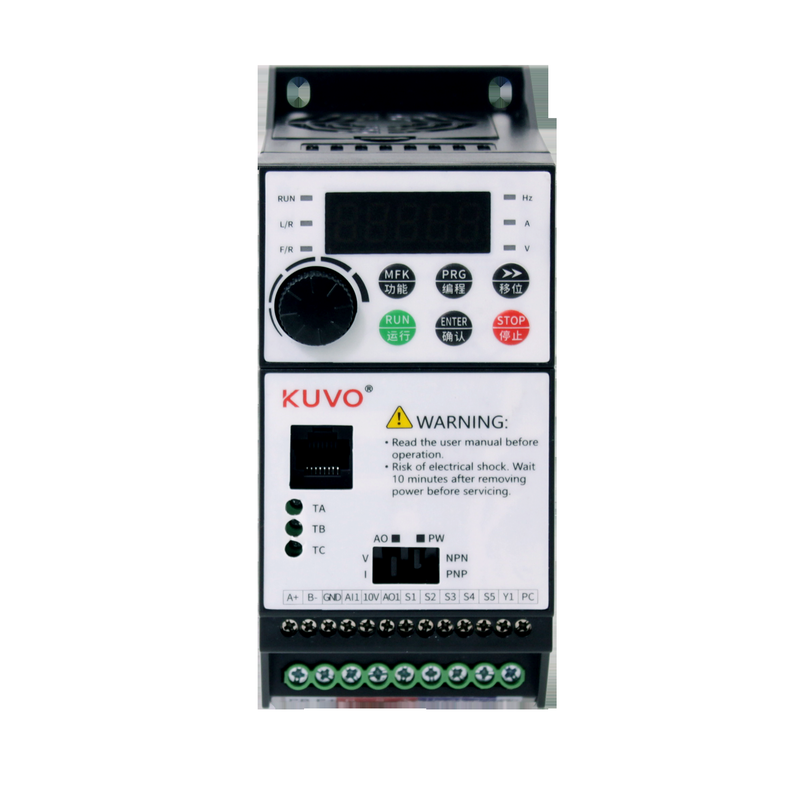
This article explores the fundamental concepts of variable frequency drives, their benefits in pump systems, the factors to consider when selecting the right VFD, and a closer look at advanced models such as the LCGK KV10 and KV90M series. By understanding these aspects, businesses can optimize performance, reduce downtime, and extend equipment life.
What Is a Variable Frequency Drive and How Does It Work?
Basic Definition of a VFD
A variable frequency drive (VFD) is an electronic device designed to control the speed and torque of an electric motor. It achieves this by varying the frequency and voltage of the power supplied to the motor. Instead of allowing motors to run at full speed continuously, a VFD adjusts output according to real-time demand, creating a more efficient and flexible operating environment.

How It Controls Motors
The working principle of a VFD involves converting the incoming AC power into DC and then inverting it back into AC at the desired frequency and voltage. This process allows precise motor speed control. In pump applications, for example, a variable frequency drive pump can automatically increase or decrease its speed to match changes in water demand, ensuring smooth operation and reducing stress on mechanical parts.
Advantages of Frequency Regulation
By managing motor speed in this way, a VFD reduces energy consumption, improves accuracy in process control, and minimizes wear on components. Compared with traditional fixed-speed systems, VFD-driven motors experience fewer starts and stops, which translates into longer service life and lower maintenance requirements.
Applications Across Industries
Variable frequency drives are used in multiple industries, from HVAC systems and conveyor belts to compressors and water pumping systems. Their flexibility makes them essential in any scenario where load demand fluctuates. In particular, pumps equipped with VFDs offer stable flow control, making them ideal for water treatment plants, irrigation systems, and building water supply networks.
Why Should You Use a Variable Frequency Drive for Pumps?
Energy Savings in Pumping Systems
Pumps are among the largest energy consumers in industrial and commercial operations. Running them at a constant full speed often results in wasted electricity. A variable frequency drive pump adjusts the motor’s speed based on actual demand, leading to significant reductions in energy use. This not only lowers utility costs but also supports sustainability goals by reducing carbon emissions.
Improved Process Control and Stability
With a VFD, pumps can maintain consistent flow and pressure levels even when demand fluctuates. For example, in municipal water supply or irrigation systems, flow demand varies throughout the day. A VFD ensures stability without frequent manual adjustments, providing smooth system operation and avoiding sudden surges that could damage pipelines or valves.
Reduced Mechanical Stress and Longer Lifespan
Traditional pump systems operate with frequent starts and stops, creating mechanical stress on motors, couplings, and bearings. A VFD introduces soft-start and soft-stop features, which gradually ramp up or reduce motor speed. This minimizes shock loads, reduces vibration, and extends the service life of both motors and pumps.
Protection Features for Pumps
Many modern VFDs come equipped with built-in protection functions such as overload prevention, dry-run detection, and overvoltage safeguards. These features help prevent costly downtime and repairs. For instance, if a pump runs without water, a VFD can automatically shut down the system, avoiding damage to the impeller and motor.
Real-World Application Example
Consider a water treatment plant where daily demand varies by thousands of liters. Using a variable frequency drive pump, operators can ensure water output precisely matches usage, reducing energy bills while maintaining reliability. This adaptability makes VFDs indispensable in today’s water and industrial infrastructure.
How Can a Variable Frequency Drive Improve Energy Efficiency and System Reliability?
Optimized Energy Consumption
One of the most valuable benefits of a variable frequency drive is its ability to match motor output with real demand. Instead of running motors at a fixed full load, the VFD reduces speed during low-demand periods, which can save up to 30–50% of energy in pump systems. This makes the variable frequency drive pump a preferred choice for facilities looking to reduce long-term operating expenses.
Power Factor Improvement
VFDs also help improve the power factor by reducing reactive power demand. This minimizes electricity losses in the system and leads to better utilization of power infrastructure. As a result, operators can avoid penalties from utility companies for poor power factor and benefit from more stable grid performance.
Reduced System Downtime
By offering smoother motor acceleration and deceleration, a VFD prevents sudden surges and water hammer effects in pump systems. This reduces wear on pipes, valves, and other critical equipment, minimizing the chances of unexpected breakdowns. Less downtime translates directly into higher productivity and lower maintenance costs.
Intelligent Monitoring and Control
Modern VFDs are often integrated with digital monitoring and diagnostic tools. These allow operators to track performance metrics such as energy usage, motor temperature, and fault conditions in real time. By detecting irregularities early, the system can schedule preventive maintenance, ensuring higher overall reliability.
Consistent Performance in Variable Environments
In industries where operating conditions fluctuate—such as HVAC, agriculture, or water treatment—the stability of a VFD-controlled pump is unmatched. It adapts automatically to load changes, ensuring uninterrupted service even under demanding conditions. This capability is especially important in applications where water flow or pressure must remain constant to support continuous production.
What Factors Should You Consider When Choosing a Variable Frequency Drive?
Motor Power and Voltage Compatibility
The first consideration is ensuring that the variable frequency drive matches the power and voltage requirements of the motor. A mismatch can lead to inefficiency or even equipment damage. For example, the KV10 Variable Frequency Drive from LCGK supports input voltages ranging from 200V to 240V (single-phase) and 380V to 480V (three-phase), making it suitable for both light-duty and heavy-duty applications.
Application Type: Pumps, Fans, or Machinery
Different applications place different demands on a VFD. A variable frequency drive pump requires features such as constant pressure control, dry-run protection, and soft start/stop to avoid system shocks. In contrast, drives for fans or conveyors might emphasize airflow control or torque stability. Understanding the primary use case helps narrow down the right model.
Control Method and Performance Features
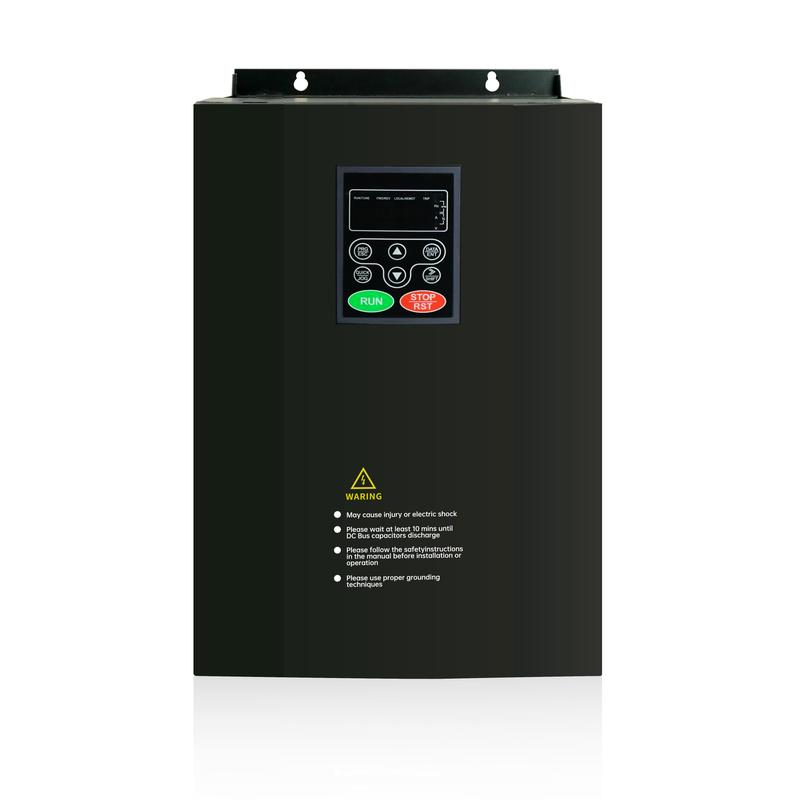
VFDs come with different control methods, such as V/F control or vector control. The LCGK KV90M series, for instance, integrates IGBT technology with advanced control logic, offering stable output and high efficiency. For pump systems, vector control ensures accurate torque delivery and smooth pressure regulation, which is vital for maintaining system balance.
Size, Installation, and Environment
Compact size and easy installation are practical factors often overlooked. A drive installed in a confined space must have adequate cooling and dust protection. Additionally, in industries such as agriculture or wastewater treatment, resistance to humidity and corrosion is essential. LCGK’s KV90M series is designed with flexible installation options and robust casing to meet diverse environmental conditions.
Safety and Protective Functions
When selecting a VFD, built-in safety features should also be evaluated. Overload protection, thermal shutdown, and fault diagnostics can significantly reduce risks. Many LCGK drives integrate intelligent alarms and self-protection modes, ensuring that pumps and motors operate securely under variable conditions.
Which LCGK Variable Frequency Drive Models Are Suitable for Different Applications?
KV10 Series for General Applications
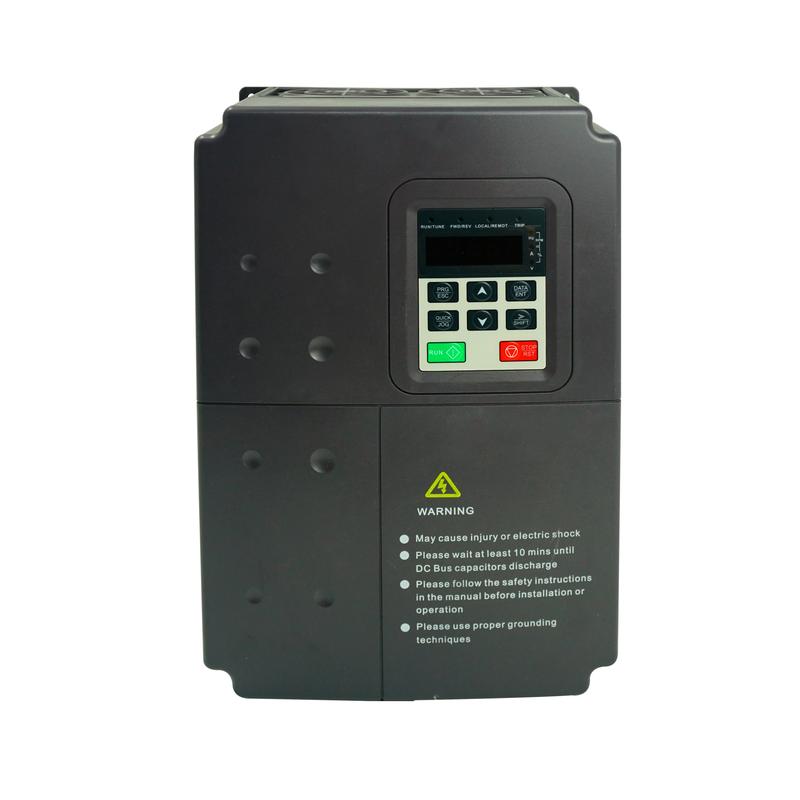
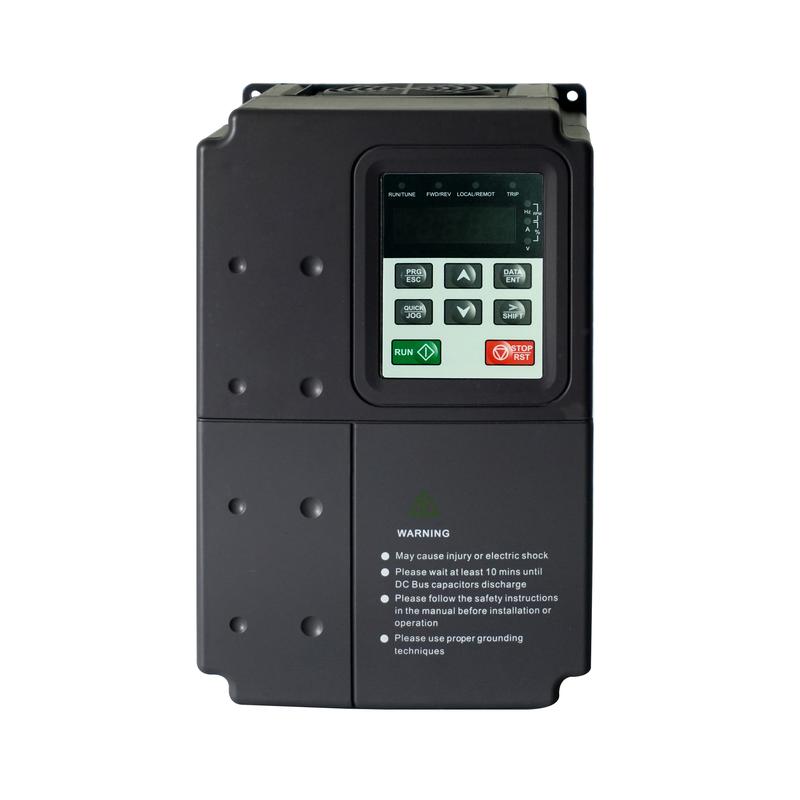
The LCGK KV10 Variable Frequency Drive is designed for a wide range of standard motor control needs. With input voltage support from 200V to 240V (single-phase) and 380V to 480V (three-phase), it offers flexibility across industries. Its V/F control method provides reliable performance in light- to medium-duty operations such as small pumps, fans, and conveyors. This makes it an ideal choice for facilities that require cost-effective yet dependable motor control.
KV90M Series for Pumping Systems
For more demanding applications, the KV90M Variable Frequency Drive Pump series delivers advanced performance with integrated IGBT technology. The series includes models from 0.75–2.2KW, 4–5.5KW, 7.5–11KW, 15–18.5KW, up to 22–30KW, offering scalability for different pump sizes and capacities. With features like soft start, dry-run protection, and precise torque regulation, the KV90M series is particularly suited for water supply networks, irrigation systems, and industrial pumping stations.
Application-Based Recommendations
Small-scale pumping or HVAC units: KV10 series for simple, efficient control.
Medium-sized water supply or irrigation systems: LCGK-7.5–11KW or LCGK-15–18.5KW for balanced power and reliability.
Large-scale industrial or municipal pumping systems: LCGK-22–30KW for robust output, advanced protection, and long-term efficiency.
Why Choose LCGK Drives
LCGK’s product portfolio is built to meet the evolving needs of modern industries. From compact designs that save installation space to advanced protection functions that minimize downtime, LCGK VFD drives are engineered for performance, durability, and cost savings. Whether for pumps, fans, or other motor-driven equipment, LCGK VFD ensures reliable solutions tailored to different operational scales.

Conclusion
A variable frequency drive is no longer an optional component but a necessity for improving efficiency, reliability, and cost-effectiveness in modern operations. When applied to pumps, a variable frequency drive pump enhances energy savings, provides stable process control, and extends equipment lifespan.
With options like the KV10 series for general applications and the KV90M series for advanced pumping needs, LCGK offers a full spectrum of solutions to match different system requirements. Choosing the right model ensures not only better performance but also long-term sustainability in industrial and commercial environments.
 English
  French
  Arabic
  German
  Portuguese
  Spanish
  Italian
  Polish
  Russian
  Indonesian
  Turkish
  Bulgarian
  Dutch
Dutch  Japanese
  Korean
  Czech
Czech  Danish
  Greek
Greek  Estonian
  Finnish
  Hungarian
  Lithuanian
  Latvian
  Romanian
  Slovak
  Slovenian
  Swedish
  Ukrainian
  Chinese