
In industrial and water management systems, efficiency, precision, and equipment longevity are no longer optional—they are essential for staying competitive and sustainable. Among the most effective tools to achieve these goals is the Variable Frequency Drive (VFD). When paired with pumps, a VFD transforms a simple fluid control system into an intelligent, energy-saving, and performance-driven solution.
From enhancing energy efficiency to reducing mechanical stress and enabling precise control, VFD pumps are increasingly becoming the backbone of modern pumping operations. Whether you’re managing irrigation networks, HVAC systems, or industrial processing lines, the right VFD setup can help you optimize operations and cut costs at the same time.
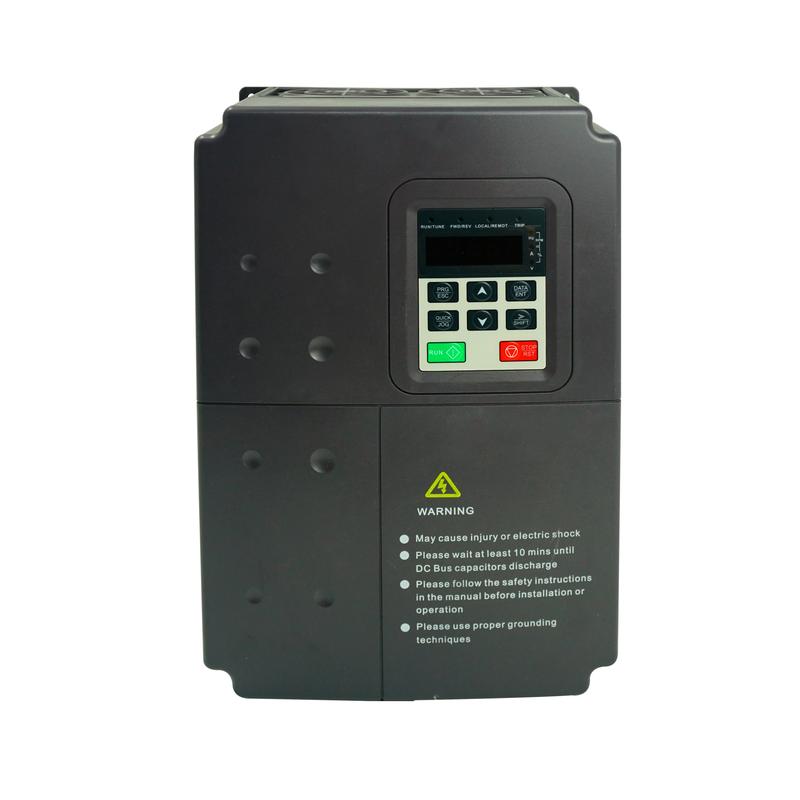
This article explores how VFDs work in pump applications, why they are a smart investment, how to select the right model, and why LCGK’s KV10 and KV90M series offer unmatched flexibility and reliability for real-world demands.
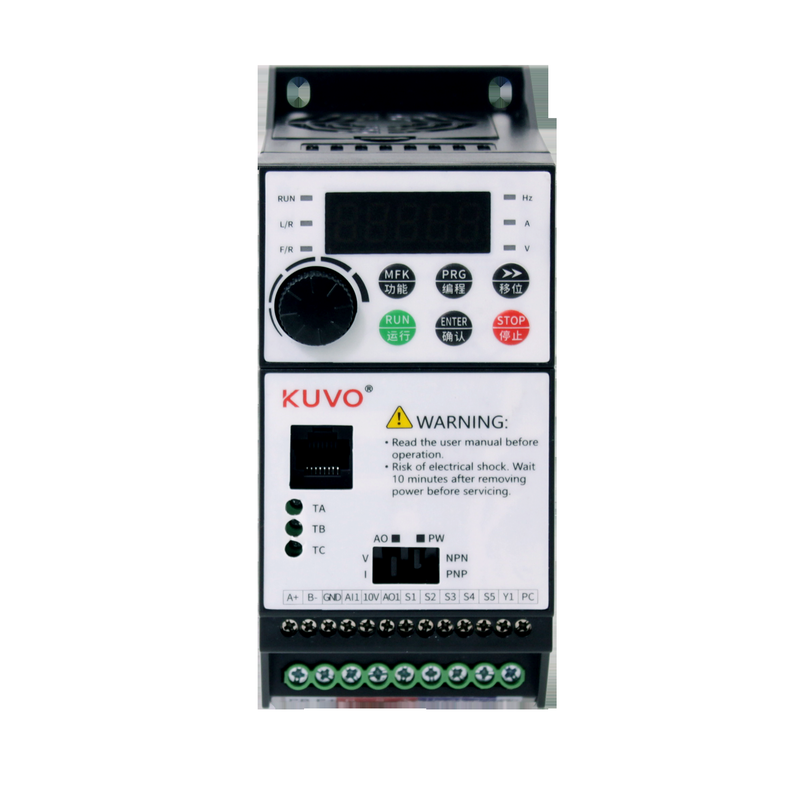
How Does a VFD Improve Pump System Efficiency and Performance?
Variable Frequency Drives (VFDs) are a cornerstone of modern pump control, helping industries achieve high efficiency, energy savings, and equipment protection. Unlike traditional fixed-speed pumps that run at full capacity regardless of demand, VFDs allow the motor to operate at variable speeds, matching system requirements in real-time. This capability alone brings a series of advantages for both performance and operational cost.
Real-Time Energy Matching
At the core of Variable Frequency Drive efficiency is its ability to regulate motor speed based on demand. When the system requires less flow or pressure, the VFD automatically reduces the motor speed, cutting power usage without compromising performance. For example, during nighttime or low-consumption periods, a LCGK-4-5.5KW VFD can scale down operations while maintaining consistent output, leading to substantial energy savings—often up to 40–60% in fluid transport systems.
Improved Motor Protection and Control
A key reason industries adopt VFDs is the added layer of motor protection they provide. VFDs offer soft start and stop functions, which limit inrush current and avoid mechanical shock. This protects motors from common failures such as bearing wear, overheating, or electrical stress. The KV10 VFD, with VF control and voltage range flexibility, ensures a smooth ramp-up during start and gradual slowdown during shutdown, extending motor lifespan significantly.
Lower Maintenance and Downtime
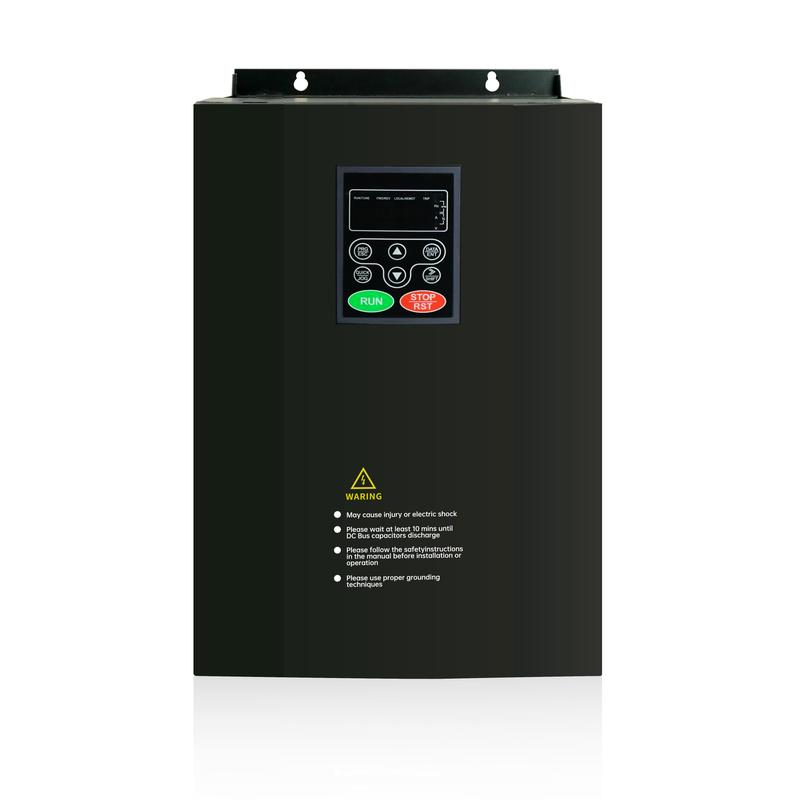
By avoiding frequent on-off cycles and reducing mechanical vibration, VFDs contribute to lower wear and tear on connected pumps, valves, and piping systems. This translates into longer maintenance intervals and less unplanned downtime. VFDs like LCGK-7.5-11KW, known for stable output and integrated safety features, provide critical fault diagnostics including overvoltage, under-voltage, overload, and phase loss protection—essential for facilities that require round-the-clock reliability.
Enhanced System Feedback and Integration
Modern VFDs include advanced feedback systems and digital communication capabilities (such as MODBUS or analog I/O), making them suitable for integration into smart industrial control systems. This enables better monitoring, automation, and preventive maintenance, especially when working with multi-zone or remote installations.
In essence, a properly sized and installed VFD not only boosts efficiency but becomes a key element of intelligent pump system design.
Why Choose a Variable Frequency Drive Pump for Water and Industrial Systems?
Variable Frequency Drive (VFD) Pumps represent an intelligent upgrade over traditional pump systems. By integrating a VFD directly into the pump assembly, these systems offer dynamic responsiveness to changing conditions, precise pressure regulation, and significant energy efficiency—making them ideal for complex, demand-driven environments.
Adaptive Performance for Diverse Applications
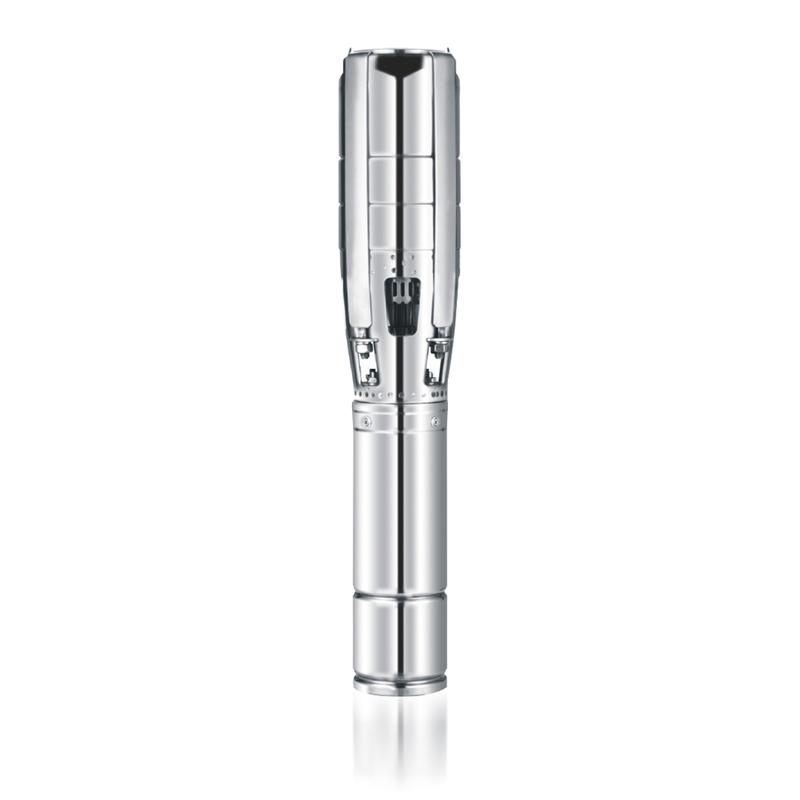
VFD pumps automatically adjust motor speed based on system load, allowing for seamless operation across varying demand levels. In municipal water distribution or industrial process cooling systems, pressure and flow demands fluctuate constantly. A VFD pump like the LCGK-0.75-2.2KW can dynamically respond to these fluctuations without human intervention, ensuring system stability and reducing energy consumption during off-peak times.
Preventing Pressure Surges and Water Hammer
One of the most underappreciated features of VFD pumps is their ability to eliminate pressure spikes, especially during pump startup and shutdown. In traditional fixed-speed pumps, sudden changes can cause water hammer, damaging valves and pipes. A LCGK-7.5-11KW VFD pump, with its soft start/stop functionality, provides gradual acceleration and deceleration, preventing these harmful pressure waves and prolonging the service life of the entire piping system.
Reduced Need for Control Valves and Bypass Systems
With conventional setups, mechanical valves are often used to regulate flow—resulting in energy loss and maintenance burden. VFD pumps inherently manage flow by adjusting motor speed, which can reduce or even eliminate the need for throttling valves, bypass circuits, and associated equipment. This leads to simpler, more cost-effective system design, especially in compact installations.
Precision Flow and Pressure Control
For applications such as agricultural irrigation, chemical dosing, or boiler feed systems, consistent pressure is critical. VFD pumps like the LCGK-15-18.5KW offer high-resolution control, allowing users to maintain tight tolerances over extended operating periods. This precision also helps avoid over-pumping, reduces waste, and ensures uniform system performance—key to improving output quality and resource efficiency.
In short, VFD pumps combine intelligent control with robust engineering, resulting in a system that is not only energy-efficient but also safer, more reliable, and easier to maintain.
What Should You Consider When Selecting a VFD for Pump Applications?
Choosing the right VFD for a pump system goes beyond matching voltage and horsepower. A poor match can lead to system inefficiencies, control instability, or even equipment damage. To ensure optimal performance, it’s essential to consider not only electrical specifications but also the application’s mechanical, environmental, and functional requirements.
Voltage Compatibility and Power Rating
The first step is determining whether your power supply is single-phase or three-phase, and selecting a VFD that matches. For example, the KV10 series supports a wide input range—200V to 240V single-phase and 380V to 480V three-phase—making it highly adaptable for regional and global installations. Power rating must also align with your motor’s nominal load; oversizing leads to cost and space waste, while undersizing results in overload trips or failure.
Control Method and Motor Type
Most pump applications benefit from VF (Voltage/Frequency) control, which provides reliable speed regulation without complex sensor systems. The entire KV90M series from LCGK—including models such as LCGK-4-5.5KW and LCGK-22-30KW—utilizes VF control, offering a balance of performance and simplicity ideal for centrifugal pumps and fluid transfer systems. If your system involves constant torque loads, consider whether more advanced control (e.g., vector or sensorless vector) is required.
Environmental and Mounting Conditions
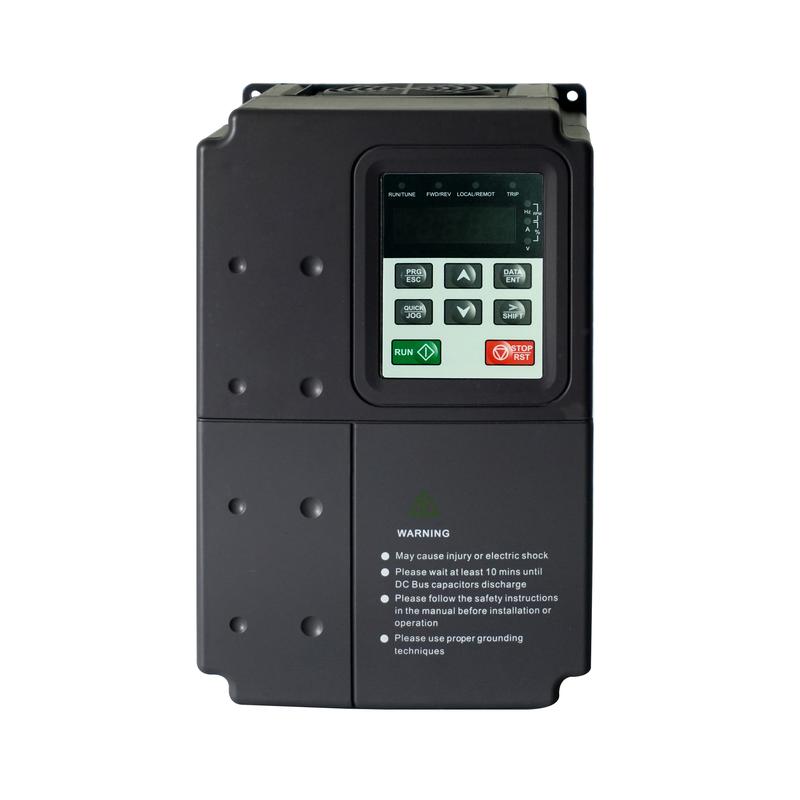
Installation environment also matters. Will the Variable Frequency Drive be installed in a dusty mechanical room or a ventilated control cabinet? Check the unit’s IP rating, cooling method (air-cooled or fan-assisted), and panel compatibility. The KV90M units are designed with compact vertical form factors, IGBT modules, and integrated heatsinks, allowing for high-density panel installation with reliable thermal management.
Interface, Communication, and Monitoring
Modern VFDs often include digital displays, keypads, and support for communication protocols like Modbus, CANopen, or Ethernet. These features enable remote monitoring and easy integration with PLC or SCADA systems. LCGK’s VFDs include onboard keypads and fault history tracking, which simplify troubleshooting and performance tuning, even for operators with limited technical background.
Application-Specific Features
For water supply or irrigation systems, look for sleep/wake functions, dry run protection, and automatic restart. These enhance automation and prevent pump damage under fault conditions. Some LCGK models also support PID control, enabling direct pressure regulation based on sensor input.
By carefully evaluating these factors, you not only protect your investment but also ensure your pump system runs efficiently, safely, and with minimal intervention over the long term.

How Do VFDs Contribute to Sustainable and Cost-Efficient Operations?
In modern industrial systems, sustainability and cost control are no longer optional—they’re essential. Variable Frequency Drives (VFDs) offer a direct path to both by enhancing energy efficiency, reducing operational costs, and minimizing wear on system components. When applied to pumping systems, the long-term return on investment (ROI) can be substantial.
Significant Energy Savings
Pumps without speed control often run at full load even when demand is low. This leads to massive energy waste—especially in applications like HVAC systems, agricultural irrigation, and water treatment. A VFD-equipped pump automatically reduces motor speed during low-demand periods. For example, a LCGK-15-18.5KW VFD running in a variable-load irrigation system can reduce energy consumption by 30%–60% annually, with proportional reductions in operating costs and carbon footprint.
Lower Maintenance Costs
Traditional pumps operate in a binary mode: on or off. This cycling generates mechanical shock, especially during start-up, accelerating component fatigue. VFDs provide soft-start and ramp-down functions, significantly reducing mechanical wear on bearings, shafts, and impellers. Over time, systems using LCGK VFDs such as the LCGK-0.75-2.2KW require fewer repairs and replacements, translating into thousands of dollars saved in maintenance and downtime.
Protection for Long-Term Reliability
VFDs offer a suite of built-in protections—such as overvoltage, undervoltage, overload, and phase failure detection—which shield motors and pumps from abnormal conditions. These features minimize unplanned shutdowns and extend equipment life. LCGK Variable Frequency Drives are engineered with robust diagnostic functions, enabling preventive maintenance and rapid fault recovery, especially in remote or mission-critical sites.
Environmentally Friendly Operations
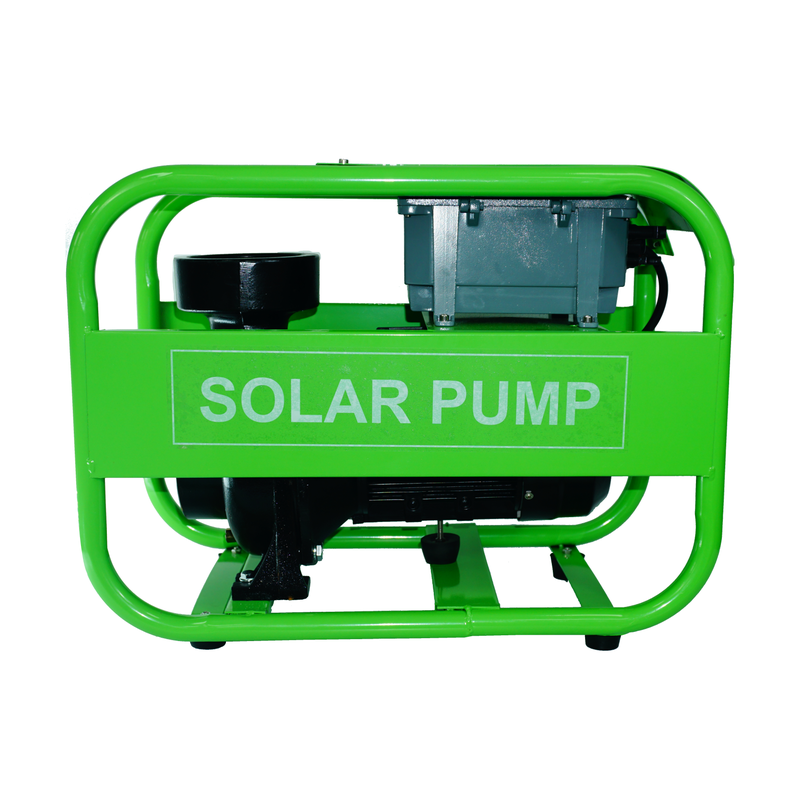
By reducing energy use, minimizing water waste (through flow regulation), and extending the service life of equipment, Variable Frequency Drives support environmentally responsible industrial practices. Their ability to integrate into green energy frameworks (e.g., solar-powered pumping systems) further enhances their sustainability profile. This is particularly relevant in regions facing water scarcity or high utility rates.
Over time, the savings from energy efficiency, extended equipment life, and reduced downtime can offset the initial VFD investment many times over—making them one of the most cost-effective upgrades for pump systems today.
Conclusion

Why Invest in LCGK‘s VFD and Variable Frequency Drive Pump Series?
As the industrial landscape evolves, equipment reliability, intelligent control, and energy efficiency have become non-negotiable. LCGK’s line of Variable Frequency Drives (VFDs) and Variable Frequency Drive Pumps offers a future-proof solution tailored for dynamic water systems, automated industrial processes, and sustainable operations.
A Complete Range for All Demands
From compact low-power units like the LCGK-0.75-2.2KW to heavy-duty solutions such as LCGK-22-30KW, LCGK VFD’s Variable Frequency Drive series covers a full spectrum of pump applications. Whether you’re equipping a residential booster system or an industrial fluid transfer line, there’s a KV90M model precisely sized to meet your voltage, current, and control needs.
Engineered for Real-World Challenges
All LCGK VFDs are designed with rugged environments in mind. Integrated IGBT modules ensure responsive speed control, while built-in protections and fault diagnostics help maintain consistent uptime. The KV10 series, compatible with both single-phase and three-phase power sources, offers unparalleled flexibility in installation and retrofitting, especially in infrastructure-constrained environments.
Simplified Operation and Smart Integration
Ease of use is a standout feature. With intuitive onboard keypads, parameter storage, and optional communication protocols, LCGK VFD VFDs can be seamlessly integrated into larger automation or SCADA systems. For industries transitioning toward smart manufacturing or remote monitoring, this compatibility enhances scalability and visibility.
Long-Term Value, Backed by Quality
With rising energy costs and growing environmental expectations, the long-term benefits of VFD adoption are clear. LCGK not only delivers cutting-edge motor control technology but does so with an emphasis on durability, ROI, and service support. Investing in LCGK’s Variable Frequency Drive solutions means less downtime, lower energy bills, and greater operational peace of mind.
Make the switch to LCGK’s advanced VFD and VFD pump series—where intelligent control meets industrial performance.
 English
  French
  Arabic
  German
  Portuguese
  Spanish
  Italian
  Polish
  Russian
  Indonesian
  Turkish
  Bulgarian
  Dutch
Dutch  Japanese
  Korean
  Czech
Czech  Danish
  Greek
Greek  Estonian
  Finnish
  Hungarian
  Lithuanian
  Latvian
  Romanian
  Slovak
  Slovenian
  Swedish
  Ukrainian
  Chinese