
In today’s energy-conscious and automation-driven industries, achieving precise control over motors and pumps is no longer a luxury—it’s a necessity. One of the most effective technologies to meet this demand is the Variable Frequency Drive (VFD). Whether it’s in water supply systems, HVAC, industrial processing, or irrigation, VFDs are increasingly adopted to improve energy efficiency, reduce mechanical stress, and enable smarter fluid control.
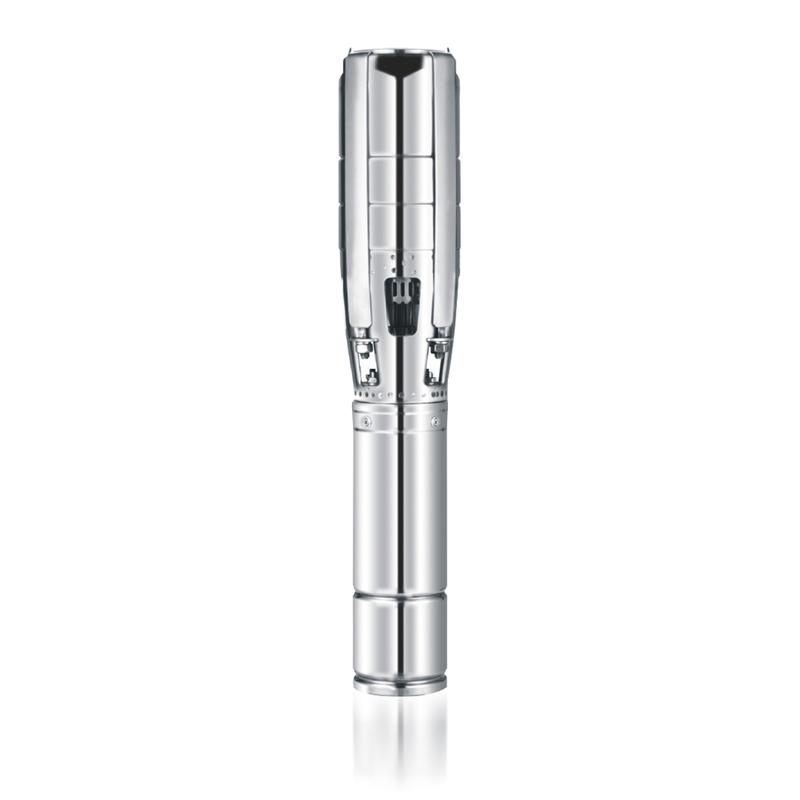
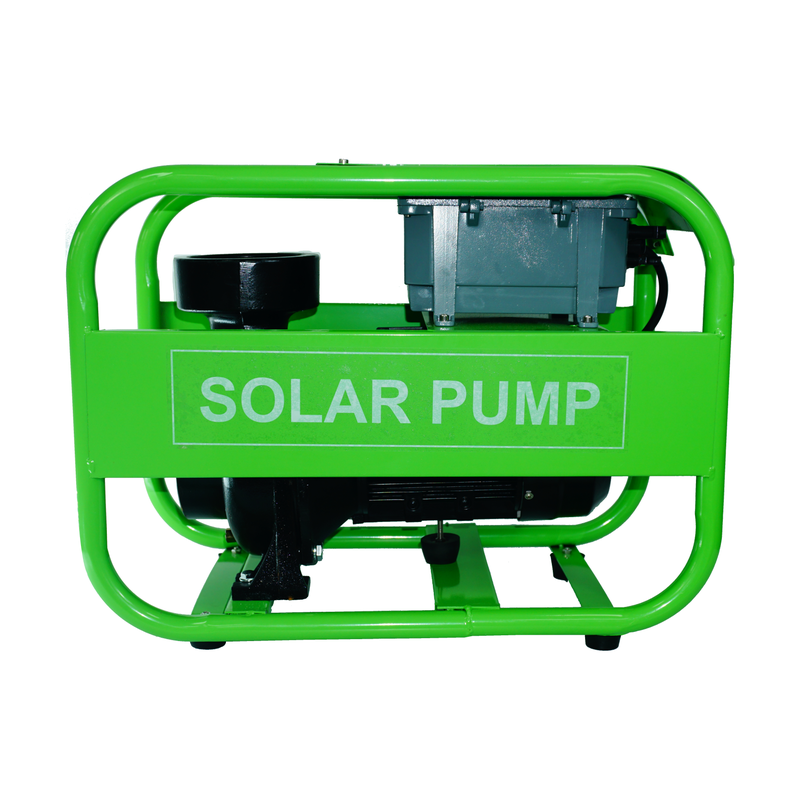
A variable frequency drive pump combines traditional pumping capabilities with intelligent speed regulation, allowing systems to respond dynamically to load changes and optimize power consumption. This not only extends equipment life but also minimizes downtime and operational costs. With a range of models tailored to different power requirements and installation settings, choosing the right VFD can transform your system’s performance.
This article explores what VFDs are, why they are vital in modern pumping applications, how to select the right model, and what makes solutions like LCGK‘s KV10 and KV90M series stand out in real-world use cases.
What Is a Variable Frequency Drive and How Does It Work?
Definition and Basic Function
A Variable Frequency Drive (VFD) is an electronic device that controls the speed and torque of an electric motor by varying the input frequency and voltage. Instead of running motors at full speed all the time, a VFD allows you to match motor output precisely to the actual demand of the application, enhancing energy efficiency and reducing wear.
For example, in pump systems, this means water can be delivered at exactly the rate required—no more, no less—helping avoid pressure surges, wasted power, and mechanical damage.

How VFDs Control Motors
The working process of a VFD involves three key stages:
Rectifier – Converts AC input to DC power.
DC Bus – Smooths and stores the DC energy.
Inverter – Converts the DC back to a modulated AC output with variable frequency and voltage.
Through this conversion and control process, a VFD regulates motor speed with high precision, even during start-up and stopping phases. This soft start/stop feature reduces mechanical shock and system stress.
Application in Pump Systems
When integrated into pumping applications, a variable frequency drive pump enables:
Adjustable flow rate and pressure
Reduced energy consumption during low demand
Minimized risk of water hammer and sudden pressure spikes
Smooth motor start to extend pump life
This intelligent speed control makes VFDs a cornerstone of modern, efficient, and flexible fluid management systems.
Why Use a Variable Frequency Drive for Pump Applications?
Energy Efficiency and Cost Savings
One of the primary reasons for using a variable frequency drive pump is its ability to reduce energy consumption dramatically. Traditional pumps often run at constant speeds, regardless of the actual demand. In contrast, a VFD adjusts the motor speed based on real-time requirements, cutting energy use by up to 30–50% in many systems.
This not only leads to lower utility bills, but also supports sustainability goals by minimizing unnecessary energy waste—especially important in high-usage sectors like agriculture, wastewater management, and industrial cooling.
Smooth Operation and Reduced Mechanical Stress
VFDs enable soft starts and gradual acceleration, preventing the sudden torque and electrical surges that can damage motors and pipelines. In pump systems, this helps avoid:
Water hammer effects
Pipe fatigue
Premature bearing or seal failures
By extending the life of both the pump and associated infrastructure, a VFD adds long-term reliability and lowers maintenance costs.
Process Control and Flexibility
A VFD-controlled pump can adapt instantly to:
Varying flow demands
Seasonal changes in system usage
External input from pressure sensors or level controllers
This level of automation and responsiveness is especially valuable in systems requiring precision, such as:
Pressure boosting in municipal water supply
Temperature control in HVAC
Fluid handling in industrial process lines
Compatibility with Automation Systems
Modern VFDs can easily integrate with PLC, SCADA, or IoT systems, offering remote monitoring, fault diagnostics, and data feedback. This simplifies both control and system optimization, and supports predictive maintenance strategies.
How to Choose the Right Variable Frequency Drive Pump for Your System?
Assessing Load Requirements
Before selecting a variable frequency drive pump, it’s crucial to evaluate the actual load profile of your application. Consider:
Peak flow and pressure demands
Daily or seasonal usage patterns
Startup torque requirements
Pump type (centrifugal, positive displacement, etc.)
Matching the VFD’s power range and control method to your pump’s characteristics ensures both optimal performance and efficiency.
For instance, if your application involves variable water flow throughout the day—such as in irrigation or HVAC systems—you need a drive that can maintain stable control over a wide speed range.
Input and Output Voltage Compatibility
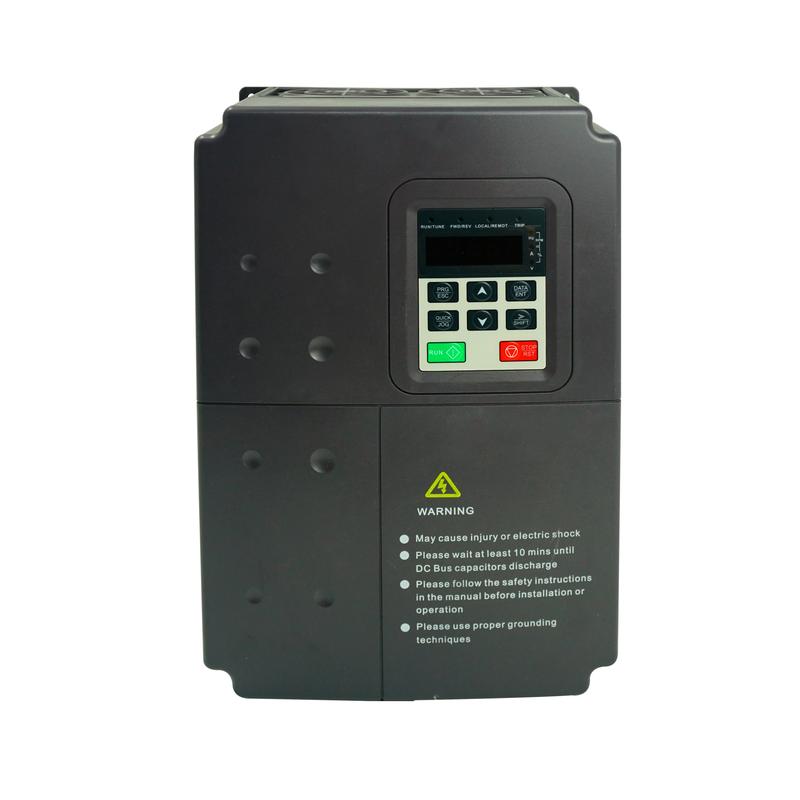
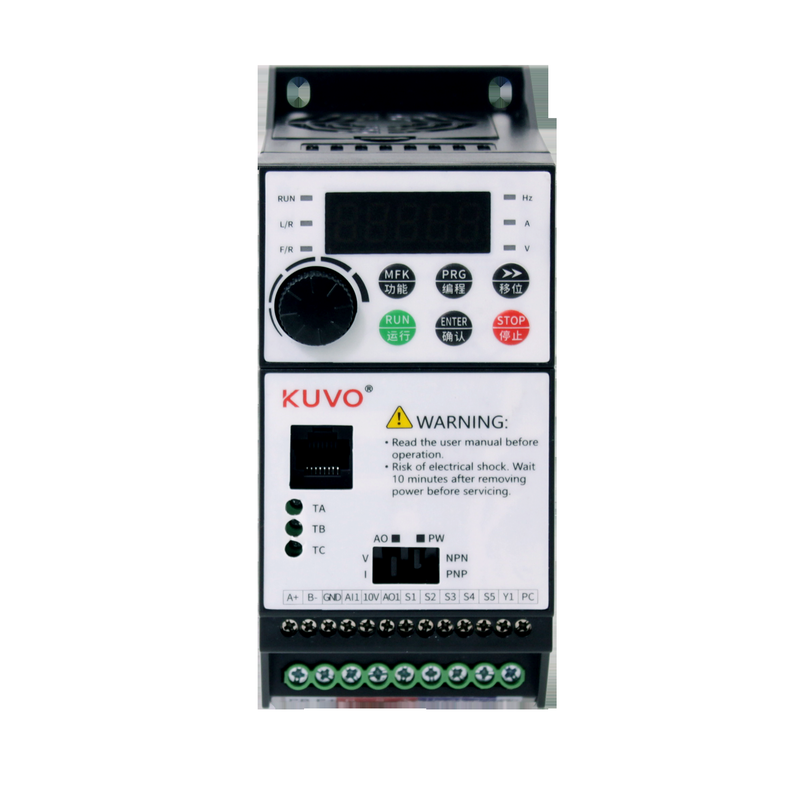
A VFD must be compatible with both your power supply and motor voltage. LCGK’s KV10 Variable Frequency Drive supports:
Single-phase input: 200V (-10%) to 240V (+10%)
Three-phase input: 380V (-10%) to 480V (+10%)
Frequency: 50 ~ 60Hz
This range makes it suitable for global deployment across industrial and utility-grade systems.
Considering Environmental Conditions
If the VFD is to be used outdoors or in harsh environments, ensure it has:
Proper IP rating
Adequate cooling mechanisms
Optional dust/water protection
Heat, humidity, and vibration can significantly affect long-term reliability. Selecting a model built for durability in tough conditions is critical.
Scalability and Model Selection
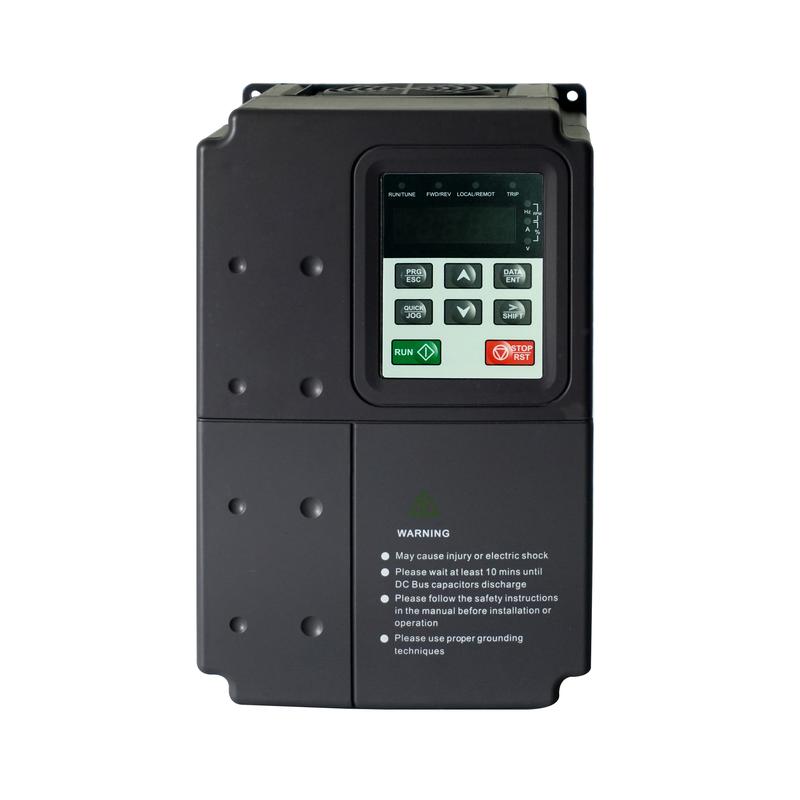
LCGK’s KV90M series offers multiple options tailored to different system sizes:
LCGK-0.75–2.2KW: Ideal for small-scale or auxiliary pumps
LCGK-4–5.5KW: Suitable for mid-size irrigation or commercial setups
LCGK-7.5–11KW, LCGK-15–18.5KW, LCGK-22–30KW: Engineered for high-demand industrial pump stations

Each model includes features like IGBT modules, LCD keypads, and robust housing designs, allowing for accurate control and easy integration.

What Are the Key Features of High-Performance VFD Models Like KV10 and KV90M Series?
Advanced Control Methods for Precision Operation
The LCGK KV10 Variable Frequency Drive uses VF control technology, enabling reliable speed regulation across a wide range of motor loads. This makes it ideal for applications that require smooth acceleration, consistent pressure control, and energy-efficient modulation—common in pumping, ventilation, and industrial systems.
Whether dealing with fluctuating demand or start/stop cycles, the control algorithm ensures the motor runs stably with minimal overshoot and optimal efficiency.
Wide Voltage Range and Compatibility
Both the KV10 and KV90M series are designed with broad input voltage tolerance, suitable for both stable grid conditions and environments where voltage spikes or dips are common:
KV10 supports single-phase 200V–240V and three-phase 380V–480V
KV90M series handles medium to high-power three-phase inputs, making it adaptable to larger systems and heavier loads
This flexibility ensures consistent operation in various regions and site conditions without the need for external stabilizers.
Modular Design and Built-in Features
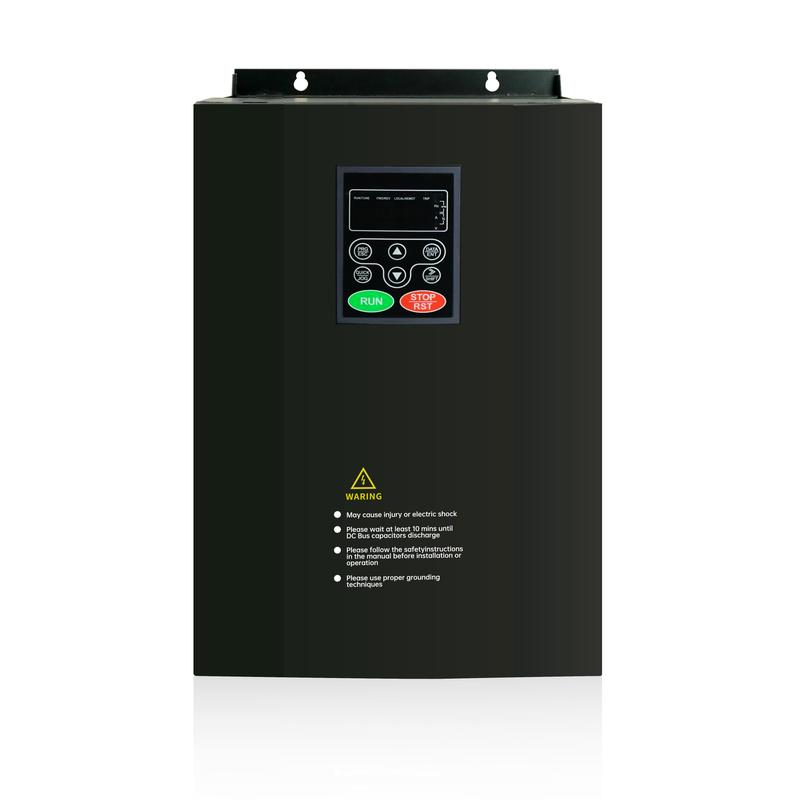
The KV90M Variable Frequency Drive Pump models offer:
Integrated IGBT modules for reliable switching and heat handling
User-friendly control panels with digital keypads
Multiple protection functions, including overload, short-circuit, and over-temperature protection
Compact footprint, allowing easy cabinet integration
Additionally, their design emphasizes modularity, which simplifies both installation and future upgrades or replacements.
Heavy-Duty Performance Range
The KV90M series spans several power ratings to match different operational scales:
LCGK-0.75-2.2KW – Ideal for light-duty pumps
LCGK-4-5.5KW – Compact yet powerful for agricultural or utility use
LCGK-7.5-11KW, LCGK-15-18.5KW, and LCGK-22-30KW – Designed for industrial-scale pumping with high load capacity
These models can maintain stable pressure control, reduce noise, and improve energy utilization in even the most demanding pump systems.
How Can You Ensure Long-Term Reliability and Maintenance for VFD Pumps?
Prioritize Proper Installation
Reliable performance begins with correct installation. To avoid premature failures or inefficiencies, ensure:
The VFD is mounted in a well-ventilated enclosure
Power and control cables are properly shielded and separated
Grounding is securely connected according to manufacturer guidelines
Input/output voltage settings are correctly configured for your motor and pump
Avoiding basic installation errors helps maximize the lifespan of both the VFD and the motor it controls.
Regular Preventive Maintenance
A variable frequency drive pump is an intelligent system, but like all equipment, it needs regular inspection. Recommended maintenance includes:
Cleaning cooling fans and heat sinks to avoid overheating
Checking cable connections for signs of wear or looseness
Monitoring output voltage and current readings for anomalies
Running self-diagnostic tools or integrated fault logs
Most modern VFDs, including LCGK’s KV90M series, come with built-in alarms or monitoring capabilities to alert users of abnormal operating conditions early.
Environmental Monitoring
VFDs are sensitive to extreme conditions. To ensure long-term reliability:
Keep humidity below 90% (non-condensing)
Avoid dusty or chemically aggressive environments unless using sealed enclosures
Maintain ambient temperatures within rated thresholds (typically 0–50°C)
Using protective enclosures or external cooling systems in harsh environments can greatly extend operational life.
Utilize Digital Monitoring Functions
LCGK’s VFDs offer real-time performance feedback, allowing operators to:
Monitor energy consumption trends
Adjust settings remotely
Schedule maintenance based on runtime or temperature logs
These features make it easier to adopt predictive maintenance strategies, reducing downtime and extending pump service life.
Conclusion
Smarter Pump Control Starts with the Right VFD
Adopting a variable frequency drive pump is no longer just about energy savings—it’s a strategic move toward greater system intelligence, reliability, and operational control. By understanding how VFDs function, why they’re essential for pump systems, how to choose the right model, and how to maintain them properly, businesses can unlock long-term performance benefits.
Whether you’re optimizing a small-scale irrigation system or managing a high-power industrial pumping station, selecting a well-designed VFD is crucial. Models like LCGK‘s KV10 and KV90M series offer a wide range of input voltages, precise VF control, robust IGBT components, and user-friendly operation panels—all engineered to meet modern efficiency and durability standards.
For businesses looking to upgrade or design smarter pump systems, LCGK provides reliable, performance-driven variable frequency drive solutions tailored to real-world needs.
 English
  French
  Arabic
  German
  Portuguese
  Spanish
  Italian
  Polish
  Russian
  Indonesian
  Turkish
  Bulgarian
  Dutch
Dutch  Japanese
  Korean
  Czech
Czech  Danish
  Greek
Greek  Estonian
  Finnish
  Hungarian
  Lithuanian
  Latvian
  Romanian
  Slovak
  Slovenian
  Swedish
  Ukrainian
  Chinese