
Introduction
In modern industrial and commercial operations, energy efficiency and precise motor control have become essential requirements. Traditional fixed-speed motors often lead to unnecessary energy waste, increased mechanical stress, and higher maintenance costs. This is where the variable frequency drive (VFD) plays a critical role.
A variable frequency drive adjusts the motor’s speed and torque by controlling the frequency and voltage of the power supply. By doing so, it ensures that equipment operates at the optimal performance level required for each application. One of the most impactful uses of this technology is the variable frequency drive pump, which allows pumping systems to adapt automatically to real-time demand. This not only reduces energy consumption but also extends equipment lifespan and minimizes downtime.
From water treatment plants and HVAC systems to manufacturing lines and irrigation projects, the adoption of VFDs has become a standard practice for companies aiming to balance performance with cost-effectiveness. As industries continue to focus on sustainable development and operational excellence, variable frequency drives provide the foundation for reliable, flexible, and long-term solutions.
What Is a Variable Frequency Drive and How Does It Work?
Understanding the Core Concept
A variable frequency drive (VFD) is an electronic device that controls the speed and torque of an electric motor by varying the frequency and voltage of the power supplied. Unlike conventional fixed-speed motors that operate at full capacity regardless of demand, a VFD provides precise adjustments, ensuring the motor only delivers the required output.
How It Regulates Motor Operation
The basic principle involves converting incoming AC power into DC, and then using advanced electronics (such as IGBT modules) to reconstruct AC power at the desired frequency and voltage. This process allows motors to operate at different speeds without compromising performance. The control method, such as VF control, ensures smooth acceleration, stable operation, and reduced mechanical stress.
Benefits in Practical Applications
By controlling motor speed, a VFD offers several advantages:
Energy Efficiency: Motors run only as fast as necessary, avoiding excessive power consumption.
Extended Equipment Life: Reduced mechanical strain leads to lower wear and tear.
Process Optimization: Operators can fine-tune performance for different tasks, improving productivity.
In short, a variable frequency drive not only brings flexibility to motor control but also creates a foundation for more intelligent and sustainable industrial operations.
Why Is a Variable Frequency Drive Pump More Efficient Than a Traditional Pump?
The Limitation of Traditional Pumps
Conventional pumps usually operate at a fixed speed. This means that even when the system requires only a partial load, the pump still runs at full capacity. As a result, energy is wasted, mechanical parts face unnecessary wear, and operational costs rise significantly over time.
How a Variable Frequency Drive Pump Works
A VFD pump solves this issue by automatically adjusting motor speed to match real-time demand. For example, when water flow requirements are low, the VFD reduces pump speed, cutting down power consumption. When demand rises, the pump can ramp up smoothly without sudden surges, protecting both the motor and the piping system.
Key Efficiency Gains
Energy Savings: By reducing motor speed at partial loads, electricity consumption can be lowered by up to 30–50%.
Reduced Mechanical Stress: Lower speeds and smooth starts minimize vibration, noise, and component wear.
Stable Flow and Pressure: Continuous adjustment ensures consistent performance without oversupply or pressure spikes.
Application Examples
Water Supply Systems: Maintain stable water pressure while reducing energy bills.
Irrigation Projects: Adapt pump performance to seasonal and daily demand fluctuations.
HVAC Operations: Balance water circulation efficiently, avoiding energy waste in cooling and heating systems.
In essence, the variable frequency drive pump is not only a cost-saving upgrade but also a reliable solution for industries that require precise flow control and long-term system durability.
How Can a Variable Frequency Drive Improve Energy Savings and Equipment Lifespan?
Significant Energy Savings
One of the most notable benefits of a variable frequency drive (VFD) is its ability to reduce electricity consumption. In motor-driven systems such as pumps, fans, or compressors, the energy used is proportional to the cube of the motor speed. This means even a small reduction in speed leads to substantial savings.
For example, reducing motor speed by just 20% can cut energy use by nearly 50%.
Soft Start and Reduced Inrush Current
Unlike traditional motors that start abruptly at full voltage, a VFD provides a soft start mechanism. This gradually increases the motor’s speed, limiting inrush current that can otherwise damage windings and trip protection devices. As a result, the entire electrical system experiences less stress during startup.
Lower Mechanical Wear
Continuous operation at full speed accelerates wear and tear on bearings, seals, and shafts. With a VFD, the motor only works as hard as needed, reducing strain and extending the service life of both the motor and the connected equipment, such as pumps or conveyors.
Stable Operating Conditions
By maintaining consistent speed and torque, a VFD ensures smoother operation. This minimizes vibration, reduces noise, and helps maintain product quality in precision-driven industries. Additionally, stable operation translates to fewer unplanned shutdowns and lower maintenance costs.
Environmental and Financial Benefits
The combination of energy efficiency and reduced maintenance extends the overall lifespan of equipment. This not only lowers operational costs but also contributes to sustainability goals by reducing carbon footprint and resource consumption.

What Key Factors Should Be Considered When Selecting a Variable Frequency Drive?
Power and Voltage Compatibility
The first step in choosing a variable frequency drive (VFD) is ensuring it matches the motor’s power requirements and the available power supply. For example, some models are designed for single-phase 200V–240V inputs, while others support three-phase 380V–480V inputs. Selecting the wrong input range may result in unstable performance or even equipment failure.
Control Method and Application Needs
Different control methods, such as V/F control or vector control, determine how precisely the motor speed and torque are regulated. For basic applications like fans or simple pumps, V/F control may be sufficient. However, for high-performance tasks requiring dynamic response and accuracy, vector control is often preferred.
Load Characteristics and Operating Environment
The type of load—constant torque, variable torque, or constant horsepower—will influence the appropriate VFD choice. Additionally, environmental conditions such as temperature, humidity, dust, or exposure to chemicals should be considered. Some drives are built with enhanced protection for harsh industrial environments.
Safety and Protection Features
Modern VFDs offer built-in safety functions like overload protection, short-circuit protection, and automatic fault diagnostics. These features prevent damage to both the motor and the drive, ensuring safe long-term operation.
Ease of Installation and Maintenance
Practical considerations also matter. Compact size, intuitive user interfaces, and compatibility with existing systems can reduce installation time and training needs. Furthermore, models designed for easy parameter adjustment and monitoring simplify ongoing maintenance.
By evaluating these factors carefully, businesses can select a variable frequency drive that delivers the right balance of performance, efficiency, and reliability for their specific application.
Which Variable Frequency Drive Models Are Suitable for Different Pump Applications?
Matching VFD Models to Pump Applications
When selecting a variable frequency drive pump, it is essential to match the model with the scale and performance needs of the system. Small-scale applications, such as residential water supply or light industrial usage, require compact drives that balance efficiency with affordability. Large-scale pumping systems, such as those in irrigation, water treatment, or manufacturing, demand high-capacity drives that can deliver stable power and advanced control functions.
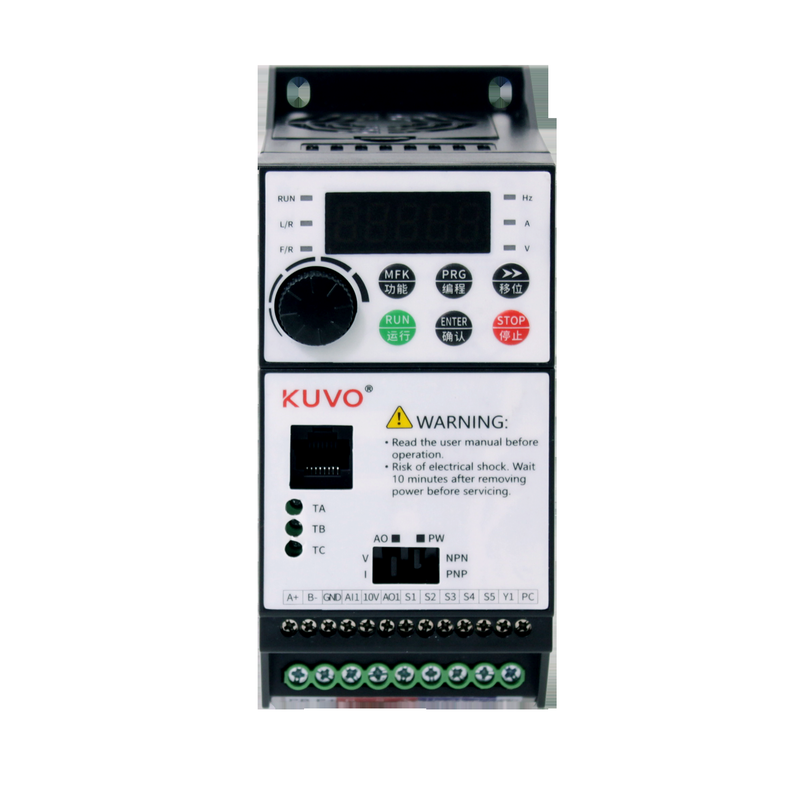
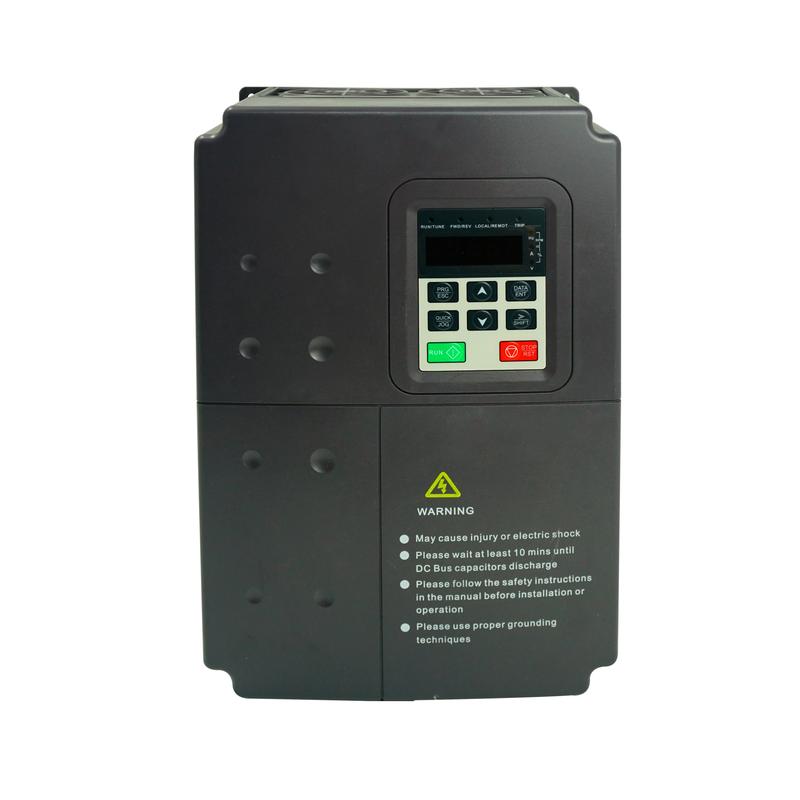
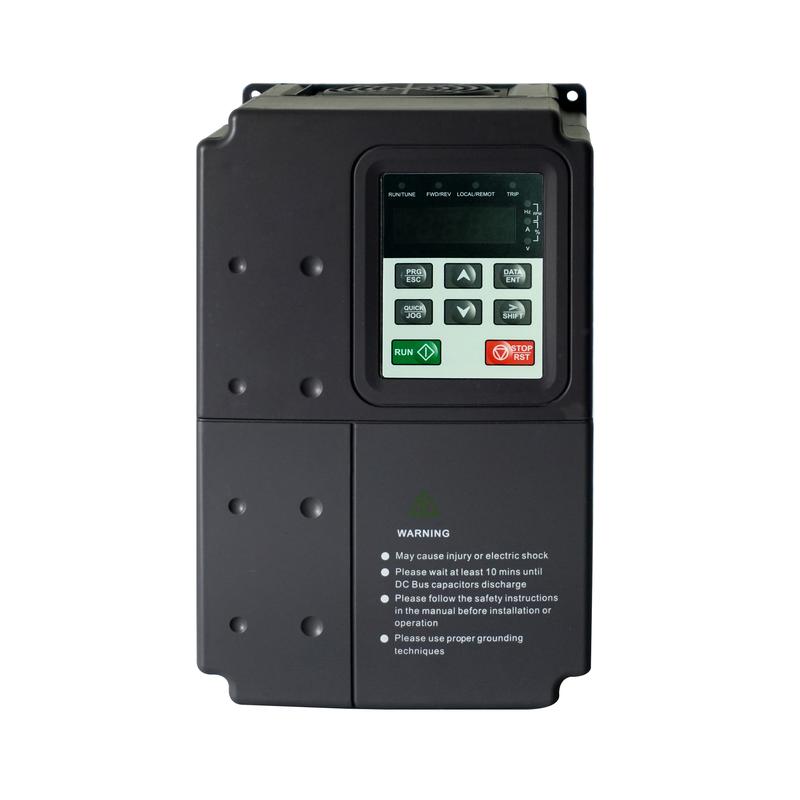
KV10 Variable Frequency Drive
The KV10 Variable Frequency Drive is designed for flexible use in different operational environments.
Input Range: 200V (±10%) ~ 240V single-phase or 380V (±10%) ~ 480V three-phase
Frequency Support: 50 ~ 60Hz
Control Method: VF control for stable and efficient motor performance
This model is suitable for small to medium-sized pumps where precise speed regulation and reliable operation are required.
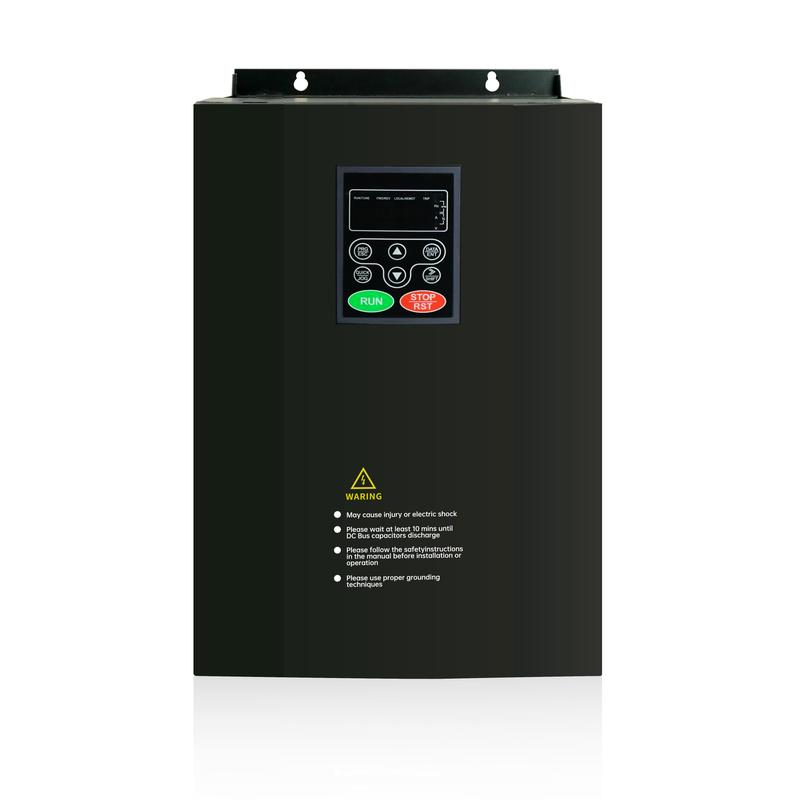
KV90M Series for Pump Applications
The KV90M Variable Frequency Drive Pump series provides a wide range of power ratings to meet diverse application demands:
LCGK-0.75–2.2KW: Ideal for smaller water circulation or booster pump systems.
LCGK-4–5.5KW: A strong choice for compact industrial pumping setups requiring efficiency and stability.
LCGK-7.5–11KW / LCGK-15–18.5KW: Designed for mid-sized operations where energy optimization and long-term durability are priorities.
LCGK-22–30KW: Suitable for large-scale pumping stations, irrigation networks, and demanding industrial processes, delivering both high power and reliable continuous performance.
Why These Models Stand Out
The KV10 and KV90M series feature advanced IGBT technology, reliable motor protection functions, and efficient cooling designs. Their flexible power range ensures compatibility with both light and heavy-duty pumping systems. By selecting the right capacity within the series, businesses can ensure that energy savings, stable performance, and equipment longevity are fully realized.

Conclusion
A variable frequency drive (VFD) is more than just a motor controller—it is a powerful solution for improving energy efficiency, extending equipment lifespan, and enhancing system reliability. In pump applications, the integration of a variable frequency drive pump allows precise flow regulation, stable pressure, and reduced operating costs.
With options such as the KV10 Variable Frequency Drive and the versatile KV90M series (ranging from 0.75KW to 30KW), LCGK VFD provides solutions tailored to both small-scale and large-scale pumping systems. These models combine advanced control, robust protection, and efficient operation, making them an excellent choice for modern industrial and commercial applications.
 English
  French
  Arabic
  German
  Portuguese
  Spanish
  Italian
  Polish
  Russian
  Indonesian
  Turkish
  Bulgarian
  Dutch
Dutch  Japanese
  Korean
  Czech
Czech  Danish
  Greek
Greek  Estonian
  Finnish
  Hungarian
  Lithuanian
  Latvian
  Romanian
  Slovak
  Slovenian
  Swedish
  Ukrainian
  Chinese