
In today’s industrial, commercial, and agricultural environments, the demand for efficiency and reliability has never been greater. Traditional fixed-speed motors often waste energy, cause unnecessary wear on equipment, and struggle to adapt to changing load conditions. This is where the variable frequency drive (VFD) plays a transformative role.
By regulating motor speed and torque, a VFD ensures that systems operate at precisely the level required—saving energy, stabilizing operations, and reducing long-term costs. One of the most impactful applications is the variable frequency drive pump, which allows water systems to adapt automatically to real-time demand. Whether in irrigation, HVAC, or manufacturing, VFD technology delivers consistent performance, protects equipment, and supports sustainability goals.
This article explores how VFDs improve efficiency, which applications benefit most, what features to look for in a reliable drive, and why LCGK’s KV10 and KV90M series have become trusted solutions across industries.

What Makes a Variable Frequency Drive Essential for Modern Systems?
Energy Efficiency and Cost Reduction
One of the most important reasons industries adopt a variable frequency drive (VFD) is its ability to reduce energy consumption dramatically. Traditional fixed-speed motors often run at their maximum capacity, even when the actual load demand is far lower. This mismatch results in wasted energy, unnecessary heating of components, and high operational costs.
A VFD changes this by allowing motors to run only as fast as the system requires. For example, if a pump needs to operate at just 70% of its full capacity, the VFD lowers the frequency and voltage supplied, cutting electricity use proportionally. In many cases, energy savings can reach up to 30–50%, which directly reduces monthly utility bills. Additionally, lower energy consumption also helps organizations achieve sustainability goals, reducing their carbon footprint and aligning with stricter environmental regulations that many industries now face.
Improved Process Control
Beyond saving energy, VFDs also deliver advanced process control. By adjusting the motor’s speed in real time, operators can fine-tune equipment performance to match varying production demands. This leads to more consistent output quality and minimizes defects caused by fluctuations in motor speed. For example, in conveyor systems, smooth acceleration and deceleration prevent products from shifting or becoming damaged. In pumps and fans, precise control avoids sudden surges that might otherwise cause instability in pressure or airflow.
Modern VFDs can even be integrated with digital monitoring systems, allowing automated adjustments through programmable logic controllers (PLCs) or smart sensors. This kind of intelligent control is critical in industries where efficiency and accuracy are directly tied to profitability.
Extended Equipment Lifespan
The benefits of a VFD extend to the long-term reliability of mechanical systems. Motors operating under fixed-speed conditions are often subject to stress during startup and shutdown, with sudden surges causing strain on bearings, seals, and couplings. Over time, this accelerates wear and leads to costly breakdowns. A VFD provides a “soft start” and “soft stop” function, gradually ramping up or slowing down motor speed to prevent sudden shocks. This not only protects the motor but also extends the life of connected equipment such as pumps, compressors, and gearboxes.
Reduced vibration and mechanical stress also translate into fewer maintenance interventions, longer service intervals, and lower spare parts costs. The combination of reduced downtime and extended equipment lifespan makes a VFD an investment that delivers long-term value, not just short-term savings.
How Does a Variable Frequency Drive Pump Improve Performance?
Matching Pump Output to Demand
A variable frequency drive pump offers unmatched adaptability by ensuring that the pump delivers exactly the amount of flow and pressure required at any given moment. Traditional pumps, when running at fixed speeds, often operate under “one-size-fits-all” conditions, pushing water at full capacity even when the demand is much lower. This not only wastes energy but also puts unnecessary strain on the pump and piping system. A VFD-controlled pump solves this by automatically sensing system demand and adjusting motor speed accordingly.
For example, in a water distribution system, if demand drops during nighttime hours, the VFD slows the pump down, conserving energy and reducing operational costs. Conversely, during peak usage, it ramps up smoothly to deliver the necessary flow. This level of control is especially beneficial in irrigation projects, municipal water systems, and HVAC applications, where demand fluctuates significantly throughout the day.
Stability in Water Supply Systems
One of the common challenges in water pumping systems is maintaining stable pressure levels. Without proper control, pumps can cause sudden pressure surges or drops, leading to problems like pipe stress, leaks, or inefficient water delivery. A variable frequency drive pump minimizes these issues by maintaining constant pressure within the system regardless of load changes. For example, in agricultural irrigation, steady water pressure ensures even distribution across fields, protecting crops from under- or over-watering.
In commercial buildings, stable pressure prevents fluctuations that can damage appliances, boilers, or HVAC units. Furthermore, by eliminating the need for mechanical throttling devices like valves, VFD pumps reduce wear on the entire system. This not only improves reliability but also simplifies system design, making it easier to maintain consistent and safe operation over time.
Reduced Maintenance and Noise
VFD-driven pumps are also known for their ability to reduce both maintenance requirements and operational noise. Conventional pumps that start and stop abruptly create hydraulic shocks, also known as “water hammer,” which can damage pipes and fittings. Over time, this repeated stress leads to leaks, system downtime, and expensive repairs. A variable frequency drive pump, on the other hand, starts and stops gradually, ensuring smoother transitions and eliminating water hammer. This soft-start functionality protects not only the pump itself but also the entire distribution system.
Additionally, pumps running at optimized speeds generate less vibration and mechanical noise compared to those forced to run at full capacity continuously. This quieter operation is particularly valuable in residential or commercial environments where noise levels matter. From an economic perspective, fewer breakdowns and lower repair needs translate directly into reduced lifetime costs and a stronger return on investment.

What Applications Benefit Most from VFD Technology?
Industrial Manufacturing
In modern factories, variable frequency drives have become indispensable because they allow production equipment to adapt to changing operational requirements with precision. For example, conveyor belts driven by VFDs can adjust speed based on product load or processing stage, ensuring smoother handling and reducing the risk of product damage. Mixers and grinders can also operate at variable speeds, enabling manufacturers to fine-tune product consistency and quality. In industries such as textiles, paper production, or food processing, this adaptability ensures higher output uniformity while keeping energy costs under control. Another critical benefit is the ability to prevent mechanical overloads. When a sudden increase in load occurs, the VFD can limit torque to protect both the motor and connected machinery.
Moreover, VFDs support integration with digital monitoring and automation systems, providing real-time insights into energy consumption and equipment health. This enables predictive maintenance strategies, reducing unplanned downtime and boosting overall productivity.
HVAC and Building Systems
Heating, ventilation, and cooling systems are among the largest energy consumers in commercial buildings, which is why VFD technology has become so valuable in this sector. Fans, pumps, and compressors often do not need to run at full capacity, but without VFDs, they operate at fixed speeds and waste large amounts of electricity. With a variable frequency drive, these systems can modulate motor speed based on demand—such as adjusting airflow when occupancy levels in a building change or adapting cooling output depending on external weather conditions.
For example, during off-peak hours in office buildings, VFD-controlled fans can slow down while still maintaining adequate ventilation, significantly reducing energy use. This not only improves energy efficiency but also enhances occupant comfort by maintaining stable indoor temperatures and air quality. Additionally, the reduced mechanical stress from soft starts and controlled operation extends the life of HVAC equipment, lowering maintenance costs and ensuring reliable performance in critical facilities like hospitals, data centers, and large commercial complexes.
Agriculture and Irrigation
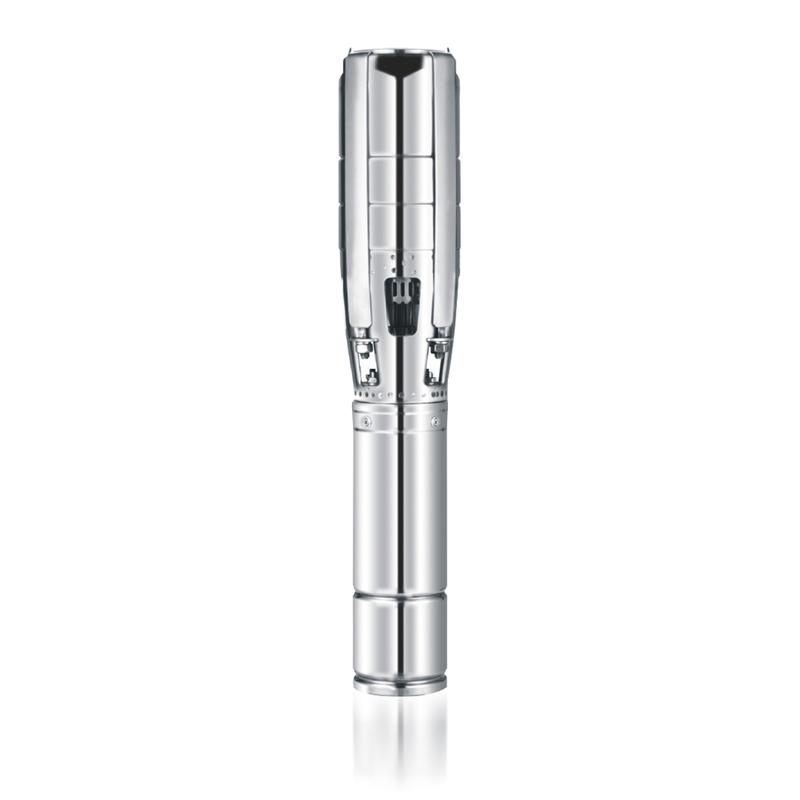
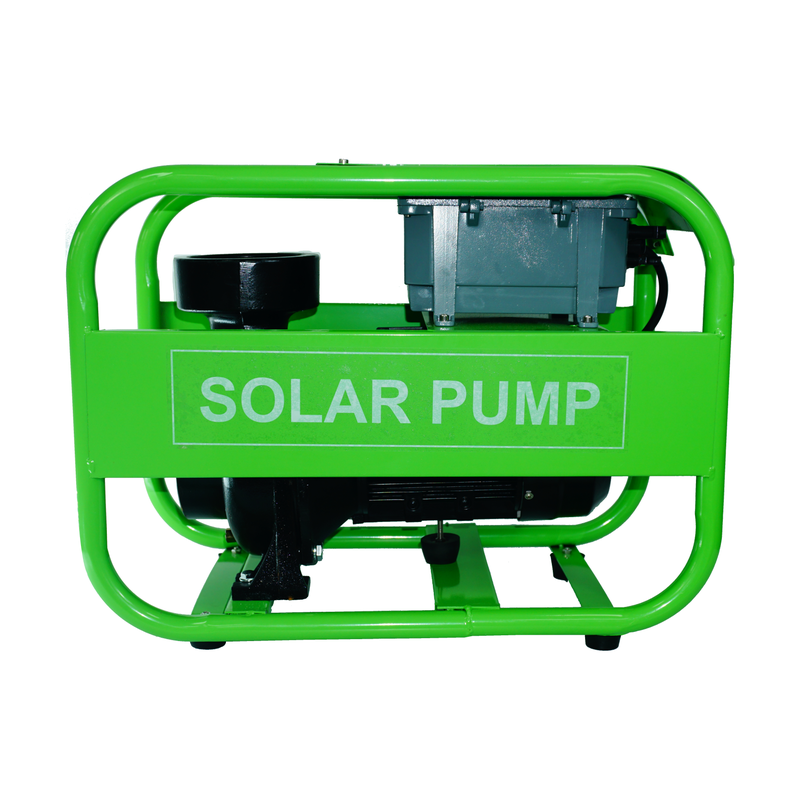
In agriculture, variable frequency drive pumps have become a vital tool for improving irrigation efficiency and water resource management. Traditional pumps often deliver more water than needed, leading to waste, uneven irrigation, or damage to crops. A VFD-driven pump, however, adjusts flow and pressure to match specific requirements. For example, when irrigating different zones of farmland, the pump can vary its output to ensure each area receives the correct amount of water. This not only conserves energy but also prevents soil erosion and improves crop yield.
In greenhouse applications, precise control of water and nutrient delivery is possible, supporting healthier plant growth. Farmers also benefit from the ability of VFD pumps to handle fluctuating energy conditions, such as when paired with renewable sources like solar panels. By reducing water hammer, lowering mechanical stress, and extending pump life, VFD technology helps agricultural operations achieve long-term sustainability and cost efficiency.
What Should You Look for in a Reliable VFD?
Voltage and Frequency Range
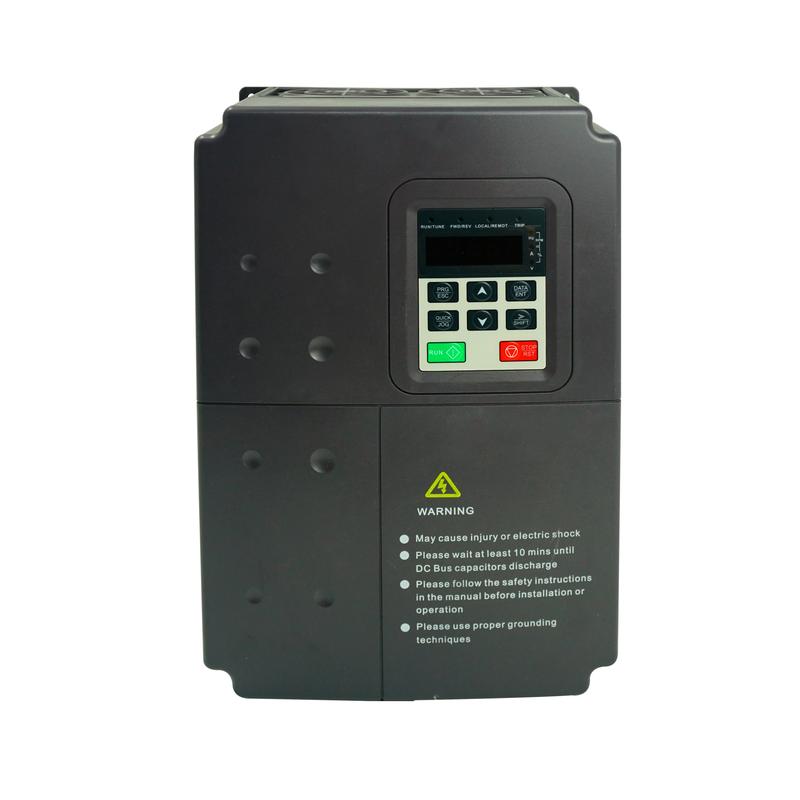
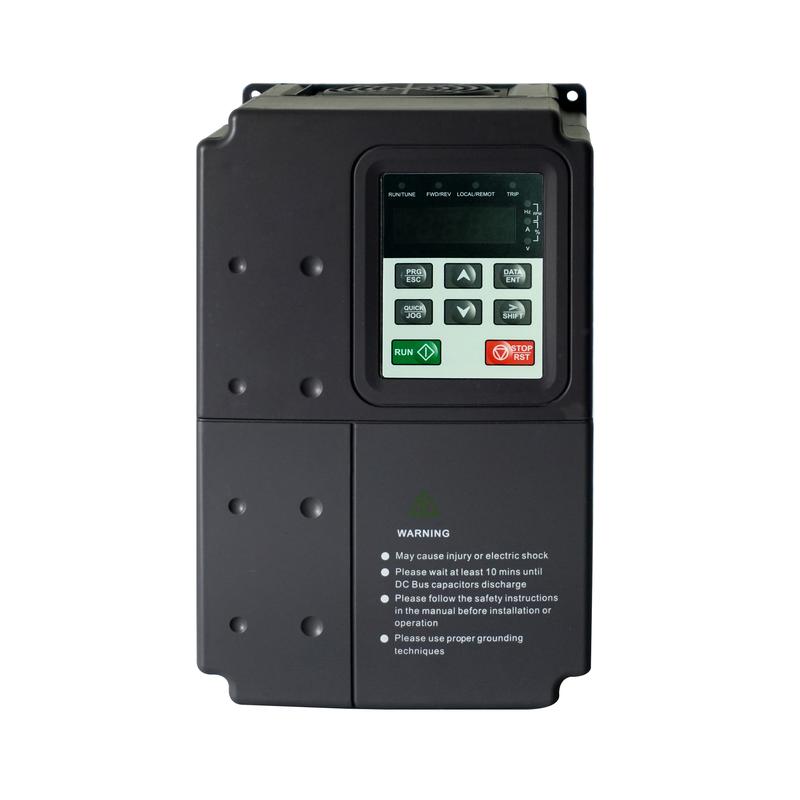
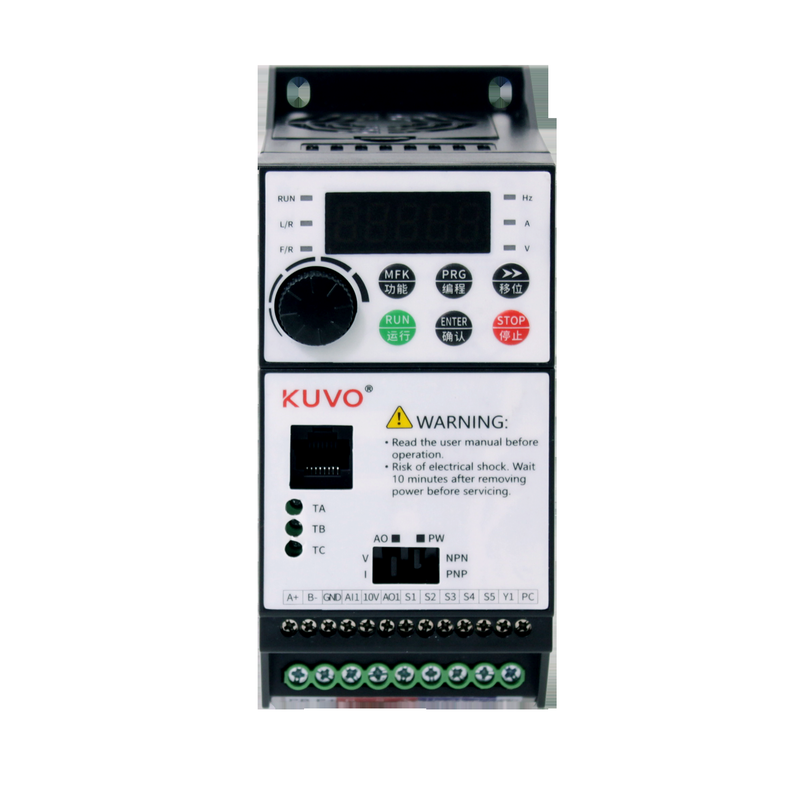
When selecting a variable frequency drive, it is critical to evaluate its input voltage and frequency range to ensure compatibility with your electrical system. A wide input tolerance guarantees stable performance even when power supply conditions fluctuate, which is common in industrial environments or remote installations. For instance, the KV10 Variable Frequency Drive from LCGK supports single-phase 200V (−10% ~ +10%) to 240V (+10%) and three-phase 380V (−10% ~ +10%) to 480V (+10%), with an input frequency range of 50–60Hz.
This flexibility makes it suitable for both light-duty and heavy-duty applications. Having such a broad operating window ensures the drive can withstand voltage drops, surges, or grid instability without shutting down. In real-world conditions, this means fewer interruptions, improved reliability, and enhanced adaptability across global markets where voltage standards may differ.
Control Method and Performance
The control method used by a VFD plays a significant role in determining system efficiency and precision. A reliable VFD should offer VF (voltage-frequency) control, enabling smooth acceleration, deceleration, and stable operation under varying load conditions. High-quality drives also incorporate advanced IGBT (Insulated Gate Bipolar Transistor) modules, which provide superior switching performance, reduced power losses, and higher overall efficiency. This ensures that motors run cooler, reducing wear and extending their operational life.
Additionally, the ability to integrate with automation platforms, such as programmable logic controllers (PLCs), adds another layer of functionality. For example, a VFD equipped with communication protocols like Modbus or CANbus allows operators to monitor motor speed, energy consumption, and fault history in real time. This enables predictive maintenance, reducing unexpected downtime and improving long-term return on investment.
Scalable Options for Different Needs
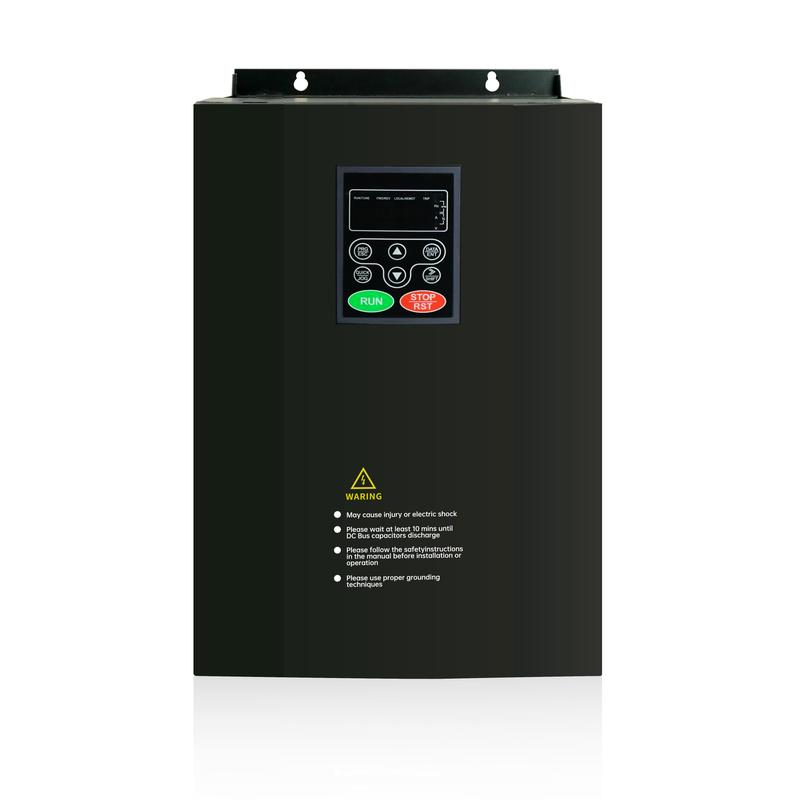
A hallmark of a dependable VFD provider is offering models that cover a wide range of power capacities, ensuring scalability for diverse applications. LCGK’s KV90M series is a prime example, providing multiple models tailored for different operational demands. For high-power requirements such as municipal water supply or industrial cooling, the LCGK-22-30KW is designed to deliver robust performance with reliable IGBT modules and stable output voltage.
For mid-level operations, the LCGK-15-18.5KW and LCGK-7.5-11KW offer balanced efficiency and power, suitable for medium-scale manufacturing systems or HVAC applications. Meanwhile, the compact models, such as LCGK-4-5.5KW and LCGK-0.75-2.2KW, provide efficient solutions for smaller machinery or localized pumping systems where space is limited but control precision is essential. This scalable approach ensures that organizations can select a VFD that fits their exact operational requirements, while maintaining consistency in reliability and performance across different facility sizes.
Why Choose LCGK Variable Frequency Drives?
When considering the adoption of a variable frequency drive (VFD), reliability, adaptability, and long-term efficiency are often the top concerns for industrial and commercial users. LCGK has built its reputation by addressing these needs with advanced engineering, comprehensive product ranges, and customer-focused design. Choosing LCGK means investing in a technology partner that delivers not only equipment but also operational stability and performance improvements over time.
Advanced Technology for Consistent Efficiency
LCGK’s VFDs are designed with state-of-the-art electronic components and optimized control algorithms to ensure consistent efficiency across a wide range of applications. Features such as soft start/stop functions, real-time monitoring, and energy-saving modes guarantee that systems operate with maximum stability. By reducing power losses and improving motor performance, LCGK VFD drives not only save energy but also extend the service life of pumps, fans, and other connected machinery. This makes them particularly valuable in environments where downtime or energy waste translates directly into financial losses.
Wide Product Range for Diverse Applications
One of LCGK’s strengths lies in its ability to serve diverse industries with scalable VFD models. From the compact LCGK-0.75-2.2KW for smaller-scale operations to the powerful LCGK-22-30KW designed for large-scale pumping or manufacturing, LCGK VFD offers a product for every level of demand. This flexibility allows organizations to standardize on a single brand while still meeting different power requirements across multiple facilities.
For example, agricultural users can benefit from the precision of a variable frequency drive pump in irrigation systems, while manufacturing plants can leverage higher-capacity models for compressors or conveyor systems. This broad coverage ensures long-term compatibility and reduces the complexity of managing different types of equipment.
Designed for Harsh and Variable Conditions
Industrial and agricultural environments are rarely stable—they often involve fluctuating loads, variable power conditions, and demanding operational cycles. LCGK VFDs are engineered with durable components that can withstand these challenges. Their wide input voltage tolerance and robust thermal management systems make them reliable even under unstable grid conditions or in regions where voltage fluctuations are common.
Additionally, built-in protections against overvoltage, undervoltage, overcurrent, and overheating ensure safe and uninterrupted operation. This level of resilience makes LCGK an ideal choice for users who require dependable performance regardless of environmental factors.
Easy Integration and Smart Control
Modern facilities increasingly rely on automation and digital monitoring systems to optimize operations. LCGK’s VFDs are designed with integration in mind, supporting standard communication protocols and compatibility with programmable logic controllers (PLCs). This makes it easy for users to monitor equipment in real time, analyze energy consumption patterns, and schedule maintenance before issues escalate. For instance, a KV10 Variable Frequency Drive in an HVAC system can be connected to a building management system, automatically adjusting fan speeds based on occupancy or temperature levels. Such smart functionality not only improves efficiency but also enhances overall system intelligence, aligning with the growing trend toward Industry 4.0.
Long-Term Value and Reduced Total Cost of Ownership
While the initial cost of a VFD can be significant, LCGK VFD ensures that users achieve long-term savings through reduced energy bills, fewer maintenance interventions, and extended equipment lifespans. A pump controlled by a variable frequency drive pump experiences less wear, consumes less energy, and operates with greater stability compared to fixed-speed alternatives. Over time, these benefits accumulate into a significantly lower total cost of ownership. Moreover, LCGK VFD’s focus on durability means fewer replacements and less downtime, which are critical factors for organizations where uninterrupted operations are essential.

Conclusion
In conclusion, choosing LCGK for your variable frequency drive and variable frequency drive pump solutions means securing a balance of advanced technology, durability, and cost efficiency. With scalable options like the KV10 series for versatile applications and the KV90M series for specialized pumping needs, LCGK VFD delivers reliable solutions tailored to industrial, commercial, and agricultural demands. By investing in LCGK drives, organizations not only enhance immediate system performance but also build a foundation for sustainable, long-term operational success.
 English
  French
  Arabic
  German
  Portuguese
  Spanish
  Italian
  Polish
  Russian
  Indonesian
  Turkish
  Bulgarian
  Dutch
Dutch  Japanese
  Korean
  Czech
Czech  Danish
  Greek
Greek  Estonian
  Finnish
  Hungarian
  Lithuanian
  Latvian
  Romanian
  Slovak
  Slovenian
  Swedish
  Ukrainian
  Chinese