
In modern industrial, commercial, and agricultural operations, controlling energy consumption and optimizing equipment performance are top priorities. One technology that has proven to be a game-changer in achieving these goals is the variable frequency drive (VFD). By precisely adjusting motor speed and torque, VFDs enable systems to operate only at the required capacity, dramatically reducing energy waste, mechanical stress, and maintenance costs.
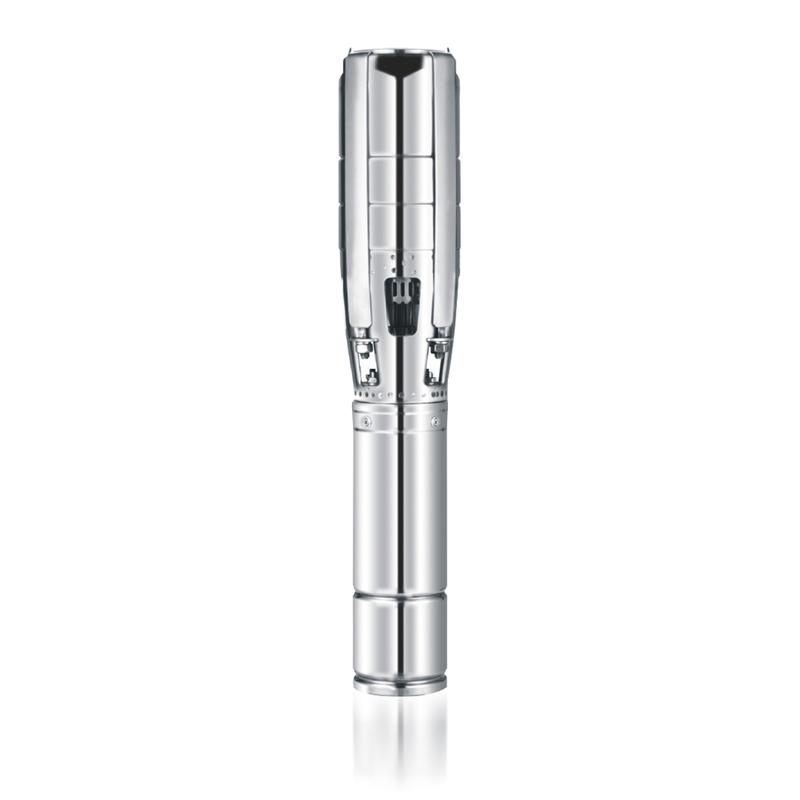
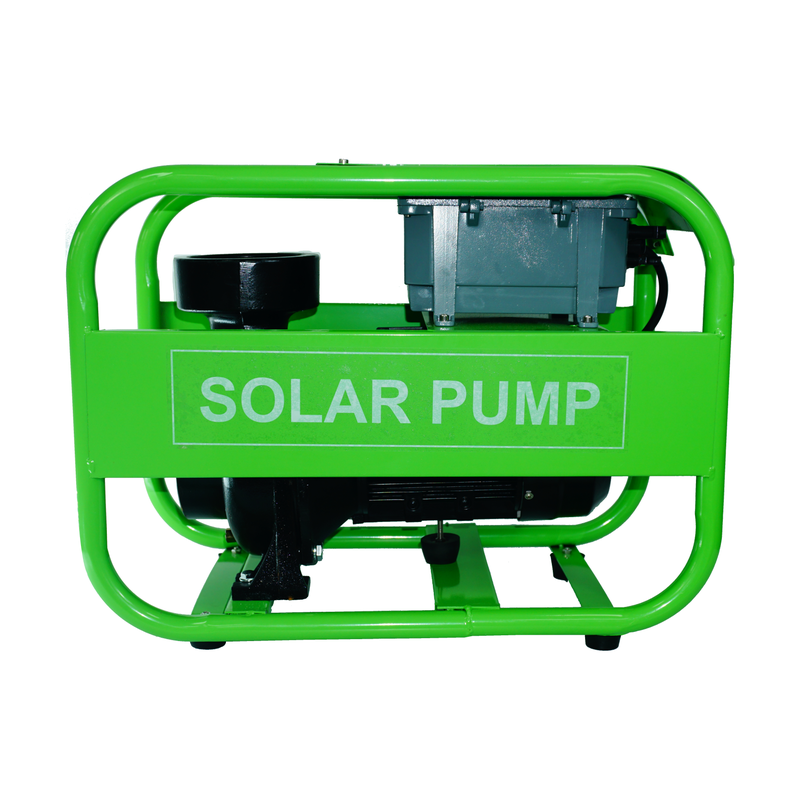
When applied to pumping applications, a variable frequency drive pump provides even greater efficiency and reliability. It allows for smooth, demand-based operation, stable water pressure, and long-term cost savings. This makes it an essential solution for sectors ranging from municipal water supply and HVAC systems to agricultural irrigation and industrial process control.
In this article, we will explore how variable frequency drives work, why VFD pumps outperform traditional pumping systems, how to choose the right model for your application, and the unique advantages of LCGK’s KV10 Variable Frequency Drive and KV90M series. We’ll also share best practices to ensure long-term performance and return on investment.
What Is a Variable Frequency Drive and How Does It Work?
A Variable Frequency Drive (VFD) is an advanced motor control device that adjusts the rotational speed and torque of an electric motor by altering the frequency and voltage of the power supplied to it. This allows machines to run precisely at the speed required for the task, instead of operating at a constant full speed, which often wastes energy.
In practice, a VFD works by first converting the incoming AC (Alternating Current) power into DC (Direct Current) using a rectifier. The DC power is then filtered and stored in capacitors, before being inverted back into AC with the desired frequency and voltage through an inverter stage. This process is managed by a control system that continuously monitors motor load, operational requirements, and set parameters to ensure optimal output.

Key Functional Advantages:
Soft Starting and Stopping: Instead of delivering a sudden surge of power, the VFD ramps up voltage and frequency gradually, reducing mechanical stress on motors, pumps, and connected systems.
Energy Savings: Because it adjusts motor speed to match real demand, a VFD can reduce electricity consumption significantly—often by 20–50%—especially in applications like pumping, ventilation, and conveyor systems.
Enhanced Process Control: With precise speed regulation, processes become more stable, resulting in better product quality and reduced scrap in manufacturing.
VFDs are now widely integrated into industrial, commercial, and agricultural operations, from HVAC systems to variable frequency drive pump applications in water supply and irrigation. In pumping systems, for example, the motor speed can be reduced during periods of low demand, directly cutting energy use without sacrificing performance.
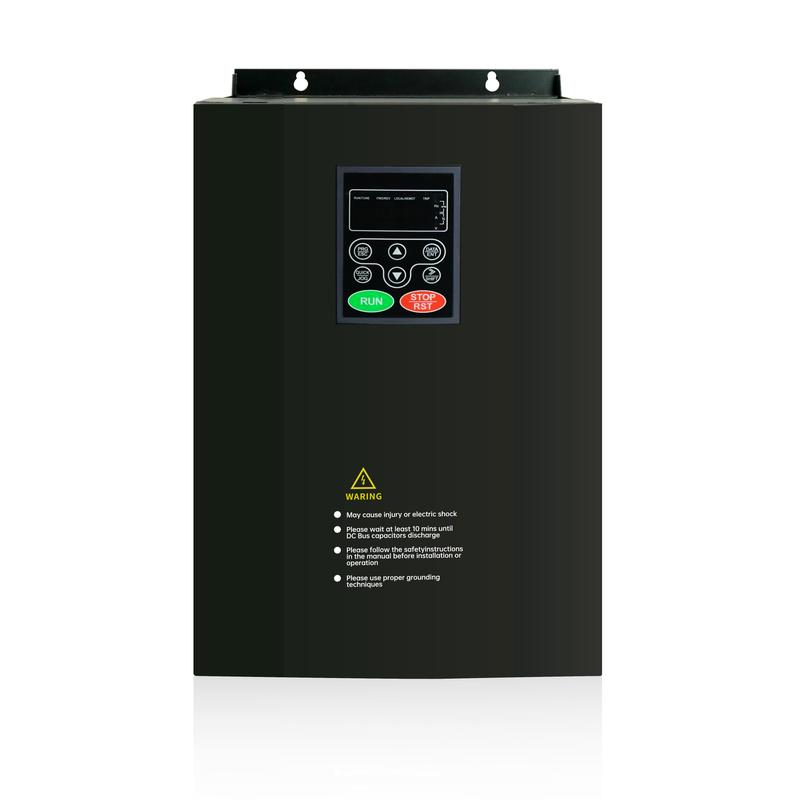
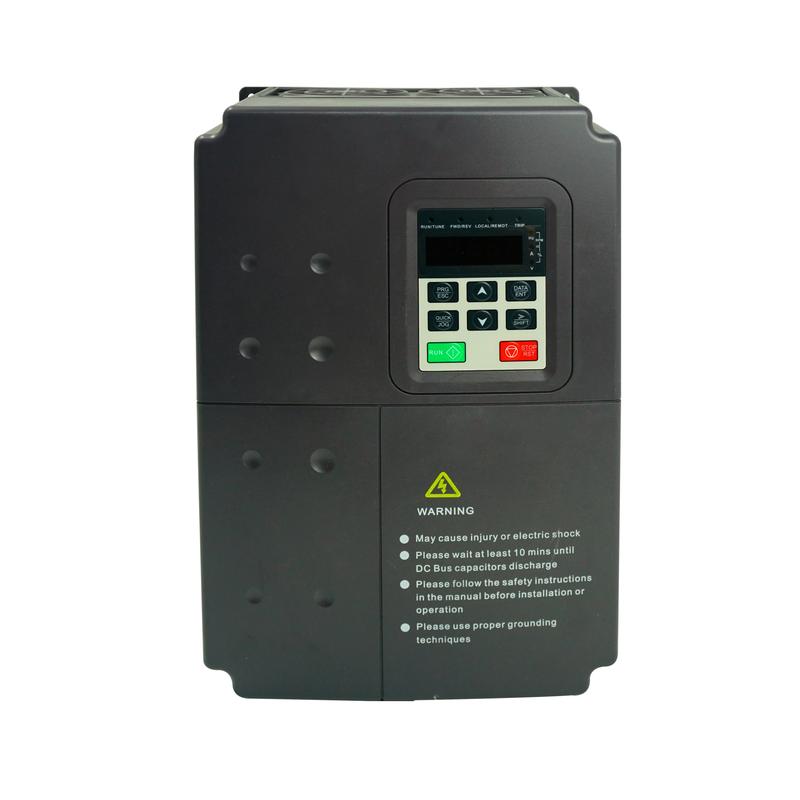
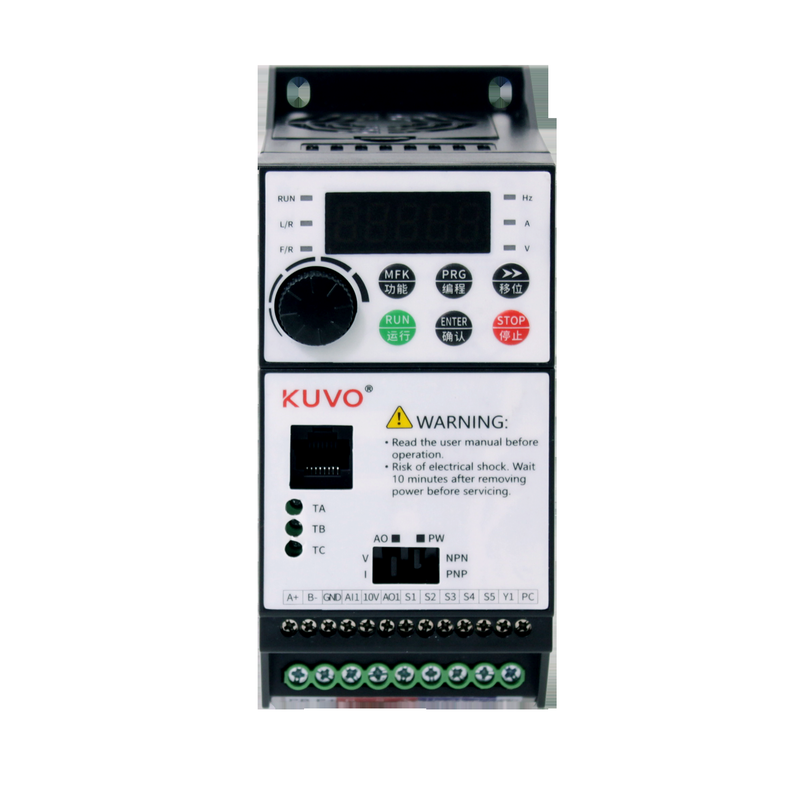
Furthermore, modern VFDs like the KV10 Variable Frequency Drive feature intelligent control modes such as VF (Voltage/Frequency) control, making them adaptable to different load types. This flexibility ensures that one drive can handle multiple operational requirements, minimizing the need for separate controllers and reducing maintenance complexity.
Why Is a Variable Frequency Drive Pump More Efficient Than Traditional Pump Systems?
A variable frequency drive pump combines the precision speed control of a VFD with the pumping mechanism itself, creating a system that intelligently adapts to real-time flow and pressure requirements. In contrast, traditional fixed-speed pump systems operate at maximum speed regardless of demand, which often results in wasted energy, higher wear, and increased operational costs.
1. Dynamic Flow and Pressure Control
The key efficiency gain comes from the pump’s ability to automatically adjust motor speed according to system demand. For example, during peak usage, the pump can operate at full capacity to maintain pressure, while during off-peak periods, it can slow down to just the right speed to meet lower demand. This eliminates the need for throttling valves or bypass lines, which consume energy without delivering useful work.
2. Reduced Mechanical Stress and Maintenance Costs
Traditional pumps often start abruptly, causing water hammer effects and pressure surges in the pipeline. These sudden spikes not only damage the pump impeller and seals but also stress the piping system. A variable frequency drive pump starts and stops gradually, extending the lifespan of the pump, bearings, and valves while reducing downtime for repairs.
3. Energy and Cost Savings
Because the pump’s motor runs only as fast as needed, electricity consumption can be cut by 20–60% depending on the application. In large-scale installations, such as municipal water supply or industrial cooling systems, these savings can translate into thousands of dollars annually. Lower energy usage also means reduced heat generation, minimizing the load on cooling systems.
4. Stable and Reliable Operation
With a VFD pump, pressure fluctuations are minimized, ensuring consistent flow rates and improved system reliability. This stability is particularly important in applications like irrigation, where uneven pressure can affect crop health, or in manufacturing processes where precise water delivery is critical for product quality.
5. Integration with Modern Monitoring Systems
Advanced VFD pumps can be connected to digital monitoring and control systems, enabling remote diagnostics, predictive maintenance, and operational optimization. For example, integrating a KV90M series variable frequency drive pump with smart controls allows operators to fine-tune performance for maximum efficiency without manual intervention.
In short, by matching output precisely to demand, reducing mechanical stress, and enabling advanced system control, a variable frequency drive pump significantly outperforms conventional fixed-speed pumping systems in both efficiency and long-term operational value.
How Do You Select the Right Variable Frequency Drive for Your Application?
Selecting the correct variable frequency drive is essential for achieving optimal performance, energy efficiency, and reliability in your system. A mismatch between the drive and the motor—or the application’s operational needs—can lead to wasted investment, frequent breakdowns, and poor energy performance.
1. Match the VFD to Motor Specifications
Begin by checking the motor’s voltage, current, and power requirements. The drive’s rated output must match or exceed these parameters. For example, the KV10 Variable Frequency Drive supports input voltage ranges of 200V(-10%) ~ 240V(+10%) for single-phase systems and 380V(-10%) ~ 480V(+10%) for three-phase systems, covering a wide variety of industrial setups. The rated frequency range (50–60Hz) and VF control method ensure precise speed regulation for pumps, fans, and conveyor belts.
2. Consider the Application Environment
Evaluate the location where the drive will be installed. If it’s in a dusty or humid area, select a model with a higher IP (Ingress Protection) rating or a sealed enclosure. In pump stations exposed to moisture, protective coatings and adequate ventilation are critical to avoid premature failures.
3. Identify the Load Type
VFDs behave differently with variable-torque loads (such as pumps and fans) versus constant-torque loads (such as conveyors or mixers). For pumping applications, a variable frequency drive pump is optimized for variable-torque control, enabling substantial energy savings when demand fluctuates.
4. Check Control and Communication Options
Modern VFDs often include built-in communication protocols such as Modbus, CANopen, or Ethernet, allowing integration into centralized control systems. If remote monitoring or automation is part of your operation, ensure the selected drive supports the required protocol.
5. Evaluate Installation Space and Cooling Requirements
Larger-capacity drives may require more space and stronger cooling systems. For instance, the KV90M series—with models from LCGK-0.75-2.2KW up to LCGK-22-30KW—offers a compact yet efficient design, making installation easier even in confined equipment rooms. Always ensure there is sufficient clearance around the drive for heat dissipation.
6. Factor in Future Scalability
If your operation is likely to expand, consider selecting a slightly higher-rated VFD to accommodate future load increases. This avoids the need for a complete replacement later, saving both cost and downtime.
By systematically considering these factors—motor compatibility, environment, load type, control integration, space, and scalability—you can select a VFD that not only meets current operational demands but also supports long-term efficiency and reliability.

What Are the Key Advantages of Using the KV90M Series Variable Frequency Drive Pump?
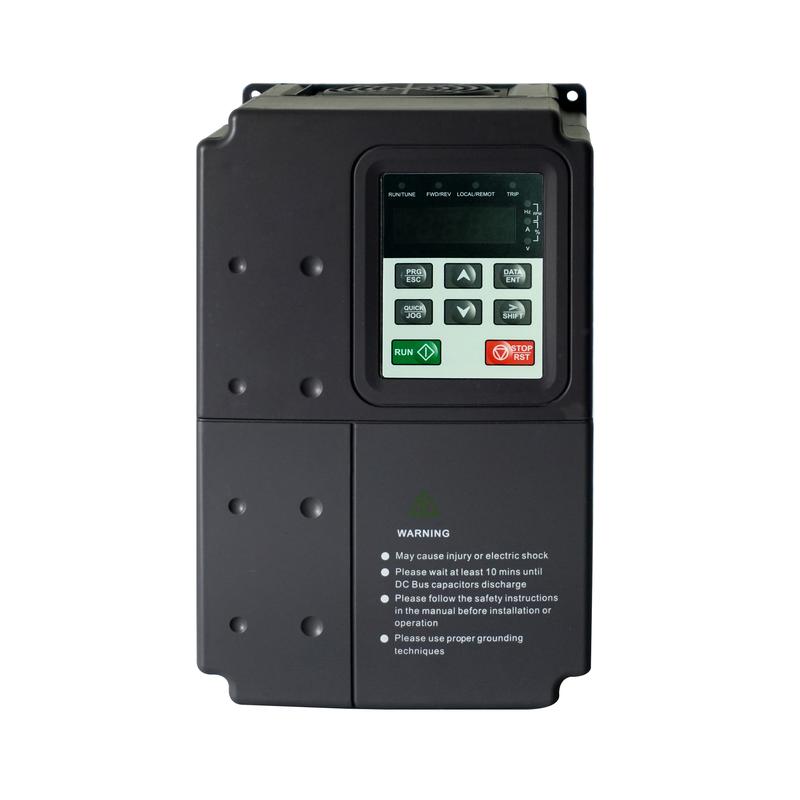
The KV90M series variable frequency drive pump is engineered to deliver high efficiency, robust performance, and operational flexibility across a wide range of pumping applications. With multiple power ratings and advanced control features, it stands out as a reliable choice for industries requiring precise water flow and pressure management.
1. Wide Power Range for Diverse Applications
The KV90M series includes:
LCGK-0.75-2.2KW – Ideal for small-scale water circulation, light industrial cooling systems, and localized irrigation.
LCGK-4-5.5KW – Suitable for medium-sized water supply systems, HVAC pumps, and process cooling.
LCGK-7.5-11KW – Designed for municipal water boosting, larger HVAC networks, and high-demand irrigation systems.
LCGK-15-18.5KW – Optimized for industrial process water delivery, fire protection pump systems, and centralized water supply.
LCGK-22-30KW – Built for heavy-duty pumping in large-scale agriculture, mining dewatering, or municipal infrastructure.
This range ensures that there is always a matching model for different system capacities and operational requirements.
2. Advanced IGBT Technology for Stable Operation
Each KV90M unit integrates high-performance Insulated Gate Bipolar Transistor (IGBT) modules. These components ensure high efficiency, low switching losses, and stable operation even under fluctuating loads. The result is reduced heat generation, longer service life, and improved energy performance.
3. Precision Output and Intelligent Control
The KV90M series offers adjustable output voltage and frequency, enabling precise control over pump speed and pressure. Integrated protections—such as overvoltage, undervoltage, overload, and overtemperature safeguards—protect both the drive and the motor, minimizing downtime and repair costs.
4. Space-Saving Design and Easy Installation
Despite their high power, KV90M units are designed with a compact footprint, making them easy to integrate into existing pump stations or control panels without requiring major modifications. Clear terminal labeling and accessible controls simplify installation and commissioning.
5. Operational Cost Reduction
By running pumps only at the required speed, KV90M drives cut electricity consumption and extend the lifespan of mechanical components. This leads to lower operating expenses and improved return on investment over the system’s lifetime.
6. Seamless Integration with Monitoring Systems
KV90M models can be linked to modern SCADA and remote monitoring platforms, allowing real-time performance tracking, predictive maintenance, and remote fault diagnostics. This is particularly valuable for large-scale pumping networks where system uptime is critical.
Overall, the KV90M series delivers a combination of flexibility, durability, and advanced control, making it an excellent solution for upgrading from fixed-speed pumping systems to variable frequency drive pump technology.
How to Ensure Long-Term Reliability and Performance of a Variable Frequency Drive?
Even the most advanced variable frequency drive will only perform at its best if it is properly maintained and operated within its designed parameters. Consistent care and correct usage are essential for maximizing service life and ensuring stable operation, especially in demanding variable frequency drive pump applications.
1. Maintain Proper Cooling and Ventilation
Heat is one of the primary factors that shortens the lifespan of electronic components. Always install the VFD in a location with adequate airflow, and keep ventilation paths clear of dust and obstructions. In environments with high ambient temperatures, consider additional cooling measures or air-conditioned control cabinets to protect the unit.
2. Conduct Regular Inspections
Periodic checks can identify potential issues before they escalate. Inspect for dust buildup, moisture ingress, loose wiring connections, and signs of overheating. Pay special attention to cooling fans and filters—clean or replace them as necessary to maintain optimal heat dissipation.
3. Protect Against Electrical Disturbances
Power quality issues such as voltage spikes, harmonics, or phase imbalances can damage sensitive drive electronics. Installing surge protectors, line reactors, or harmonic filters can safeguard the drive from these disturbances, especially in industrial settings with heavy machinery.
4. Monitor Load and Performance Parameters
Avoid operating the drive at or near its maximum load for prolonged periods. Use built-in monitoring features to track motor current, output frequency, and operating temperature. For example, both the KV10 Variable Frequency Drive and the KV90M series offer integrated monitoring functions that alert operators to abnormal conditions before they cause failures.
5. Keep Firmware and Settings Updated
Manufacturers periodically release firmware updates that improve efficiency, add features, or fix known issues. Regularly check for updates and ensure parameter settings remain optimized for the specific pump or motor in use.
6. Follow Manufacturer‘s Maintenance Guidelines
Adhering to the maintenance schedules and operational recommendations in the user manual can significantly extend the drive’s service life. Using genuine parts and accessories ensures compatibility and preserves warranty coverage.
By following these best practices—managing heat, performing regular inspections, protecting against power disturbances, monitoring system performance, and keeping software up-to-date—operators can ensure that a variable frequency drive pump delivers consistent, efficient performance over many years. This proactive approach minimizes downtime, lowers total cost of ownership, and maximizes the return on investment for high-quality solutions such as LCGK’s KV10 and KV90M series.

Conclusion
The adoption of variable frequency drives has transformed the way industries manage motor-driven systems, offering a smarter, more energy-efficient alternative to traditional fixed-speed control. In pumping applications, the benefits are even more pronounced—greater operational efficiency, reduced wear and tear, stable output, and significant cost savings over time.
Whether you require a compact, versatile option like the KV10 Variable Frequency Drive or a high-capacity, heavy-duty solution like the KV90M series variable frequency drive pump, LCGK VFD provides reliable, performance-driven products to meet diverse operational needs. By integrating advanced control technology, robust build quality, and flexible configuration options, LCGK VFD ensures that your pumping system delivers consistent, long-term value.
Investing in the right VFD solution today not only improves efficiency and system reliability but also positions your operation for sustainable growth in the years ahead.
 English
  French
  Arabic
  German
  Portuguese
  Spanish
  Italian
  Polish
  Russian
  Indonesian
  Turkish
  Bulgarian
  Dutch
Dutch  Japanese
  Korean
  Czech
Czech  Danish
  Greek
Greek  Estonian
  Finnish
  Hungarian
  Lithuanian
  Latvian
  Romanian
  Slovak
  Slovenian
  Swedish
  Ukrainian
  Chinese