
In modern agriculture, water management has become one of the most decisive factors influencing crop yields and long-term sustainability. Traditional irrigation systems often rely on fixed-speed electric motors or diesel pumps. While these solutions can handle basic water delivery, they also create significant drawbacks such as high energy consumption, limited adaptability, and frequent equipment wear. For farms that face seasonal variations in water demand, a fixed-speed pump cannot adjust its output efficiently, resulting in wasted energy and shortened equipment lifespan.
This is where the variable frequency drive (VFD) comes into play. By controlling the frequency and voltage supplied to the motor, a VFD adjusts pump speed in real time, ensuring that water flow matches the actual needs of the field. When paired with a variable frequency drive pump, the system not only reduces power consumption but also enables precise irrigation scheduling that conserves water resources.

Whether it is a small greenhouse, a mid-sized farm, or a large-scale irrigation project, the right choice of VFD and pump directly improves efficiency, reliability, and cost-effectiveness. With models such as the KV10 Variable Frequency Drive and the KV90M series of VFD pumps, agricultural enterprises can achieve smarter, more sustainable irrigation systems.
What Is a Variable Frequency Drive and How Does It Work?
A variable frequency drive (VFD) is an electronic device that regulates the speed and torque of an electric motor by controlling the frequency and voltage of the power supplied. Instead of running a motor at a constant speed, as in traditional irrigation pumps, a VFD allows the pump to adjust dynamically to real-time water demand.
Core Working Principle
Frequency Adjustment: By varying the frequency of the current, the VFD can increase or decrease the rotational speed of the pump motor, controlling how much water is delivered.
Voltage Regulation: VFDs also regulate voltage levels, ensuring that the motor operates under optimal conditions, preventing energy waste and reducing electrical stress.
Soft Start and Stop: Unlike conventional pumps that create sudden surges when starting, VFDs allow motors to ramp up and down gradually. This minimizes wear and protects pipelines from pressure shocks.
Benefits in Agricultural Irrigation
Efficient Water Flow: Irrigation demands fluctuate daily and seasonally. With a VFD, pump speed can match crop requirements, ensuring that no excess water is wasted.
Energy Savings: Instead of running at full capacity, the pump only consumes as much electricity as needed. This reduces operating costs and extends equipment lifespan.
System Protection: Overheating, overcurrent, and voltage fluctuations can damage pumps. VFDs integrate protective functions to ensure long-term stability.
For farms where energy efficiency and precise water control are vital, VFDs form the backbone of modern irrigation systems.
Why Is a Variable Frequency Drive Pump Essential for Water and Irrigation Systems?
While a standard VFD can enhance motor efficiency, the integration of a variable frequency drive pump provides even greater value for agricultural irrigation. By combining precise motor control with dedicated pump functionality, farmers can optimize water delivery across diverse field conditions.
Energy Efficiency and Cost Reduction
Traditional pumps often run at constant full speed, consuming unnecessary energy even when water demand is low.
A VFD pump adjusts flow according to soil moisture and crop requirements, significantly lowering electricity bills.
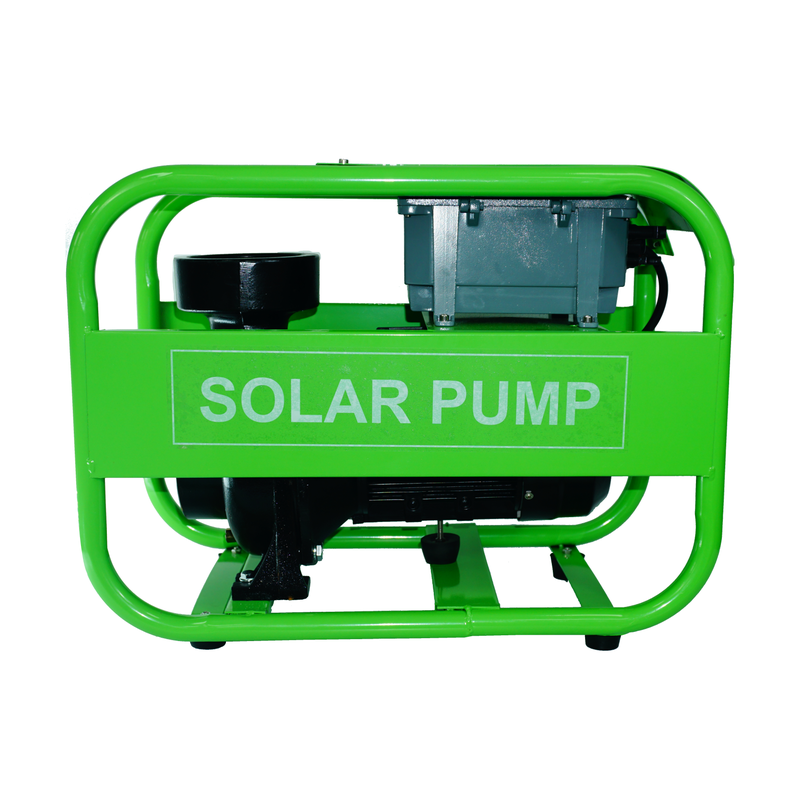
For farms that rely on solar or hybrid energy systems, VFD pumps align perfectly with variable power inputs, ensuring uninterrupted irrigation.
Adaptability to Variable Water Demand
Irrigation demand is not constant—it changes by season, time of day, and crop type.
A VFD pump can automatically respond to these variations, providing steady flow in drip irrigation, high-volume delivery for sprinklers, or controlled pressure for greenhouse systems.
This adaptability prevents both over-irrigation and under-irrigation, protecting crops and soil health.
Reduced Equipment Wear and Maintenance
Constant high-speed operation causes pumps and motors to wear out faster.
By operating at variable speeds, a VFD pump reduces mechanical stress, leading to longer equipment lifespan and fewer maintenance costs.
The soft start and stop function prevents water hammer effects in pipelines, protecting valves and joints.
Practical Applications in Agriculture
Drip Irrigation: Precision water delivery at low pressure, optimized by VFD-controlled flow.
Greenhouses: Consistent water distribution for controlled environments.
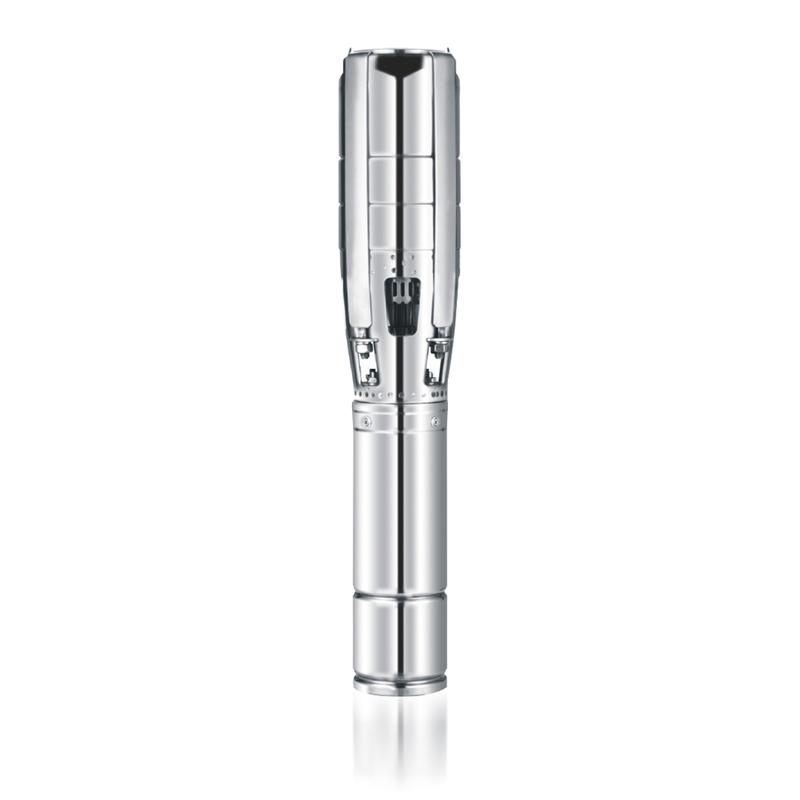
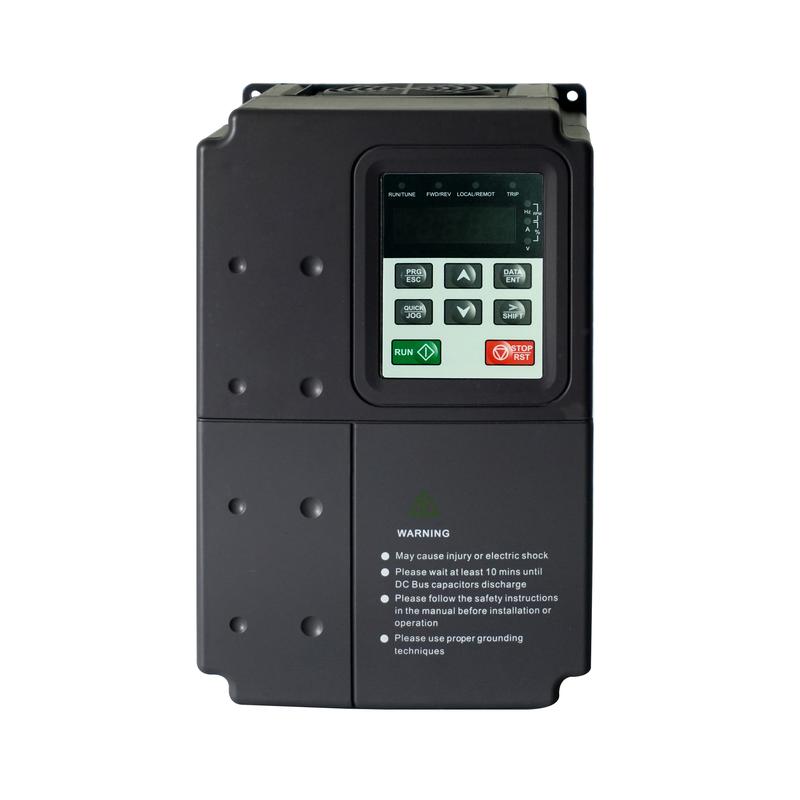
Large-Scale Fields: High-power VFD pumps like the LCGK-22-30KW can sustain long-distance water transport with stable pressure.
For modern farmers, a variable frequency drive pump is not just a technical upgrade—it is a strategic investment that improves productivity while conserving vital resources.
How Do Different VFD Models Meet Diverse Agricultural Needs?
Not all irrigation systems are the same. A small vegetable greenhouse, a mid-sized vineyard, and a large-scale wheat farm all have very different requirements for water delivery, pump power, and system flexibility. This is why choosing the right variable frequency drive (VFD) or variable frequency drive pump is crucial. LCGK’s product portfolio, including the KV10 series and the KV90M series, provides scalable solutions for farms of all sizes.
KV10 Variable Frequency Drive – Ideal for Small to Mid-Sized Farms
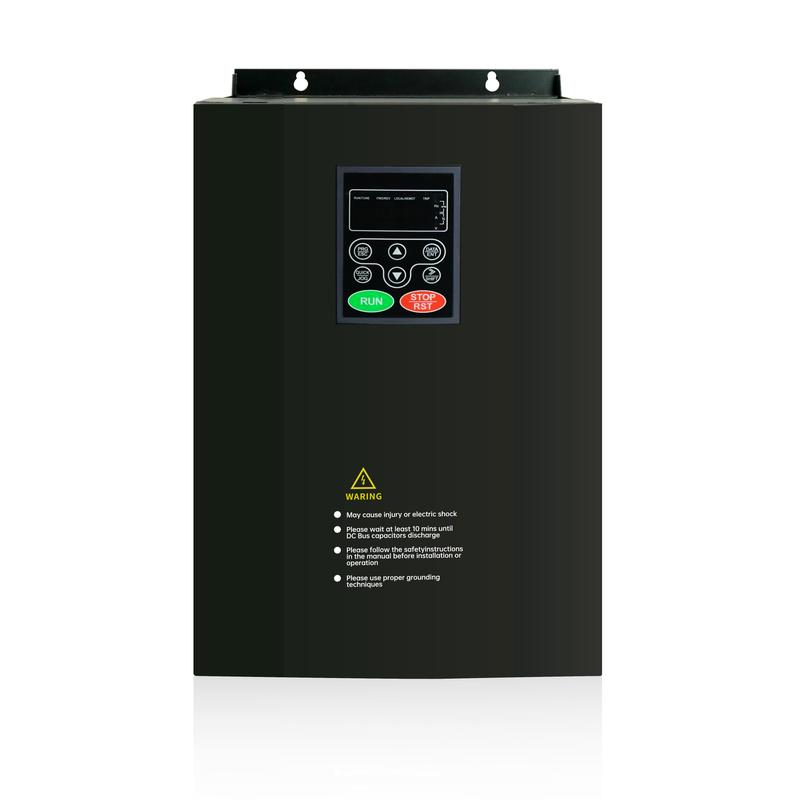
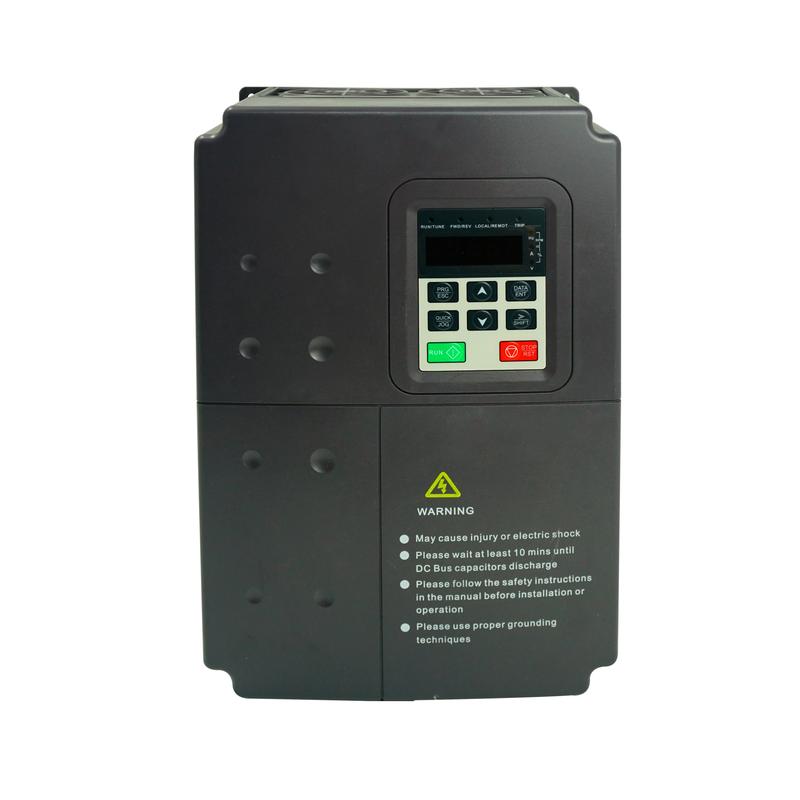
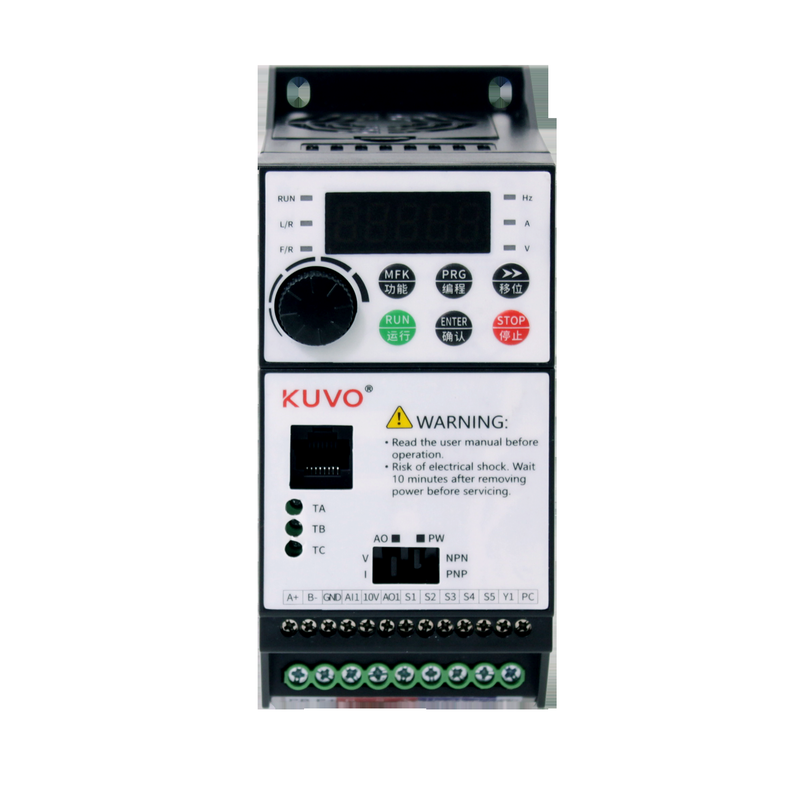
The KV10 VFD is designed for versatility and reliability, supporting 200V to 240V single-phase and 380V to 480V three-phase input voltage, with an input frequency of 50–60Hz. Using VF control, it allows precise adjustment of motor performance.
Application in Irrigation:
Perfect for small-scale farms and orchards, where pumps need to adapt to fluctuating irrigation schedules.
Suitable for drip irrigation systems that require stable low-pressure water supply.
Helps greenhouse operators manage different watering cycles without overburdening pumps.
By using KV10, farmers can start small but scale sustainably, ensuring energy efficiency even for limited infrastructure setups.
LCGK-0.75–2.2KW and LCGK-4–5.5KW – Precision for Small Irrigation Zones
For growers managing specialized plots or segmented farmland, lower power VFD pumps in the KV90M series provide excellent flexibility.
Advantages:
Deliver fine water control in small irrigation blocks.
Enable rotational irrigation, switching smoothly between multiple small zones.
Reduce costs for farmers who do not need large, high-powered equipment.
These models are particularly beneficial for farmers producing high-value crops, such as vegetables, herbs, or flowers, where precision watering is directly linked to product quality.
LCGK-7.5–11KW and LCGK-15–18.5KW – Reliable Mid-Range Solutions
For medium-sized farms, vineyards, or livestock operations, mid-range VFD pumps provide the balance between power output and system efficiency.
Practical Benefits:
Can operate multiple irrigation lines simultaneously, ensuring consistent water delivery across wider areas.
Offer stable pressure control for sprinkler systems used in vineyards, fruit farms, or open-field cultivation.
Reduce downtime and maintenance frequency due to advanced IGBT technology and robust design.
Farmers often find that upgrading to these models allows them to expand cultivation areas without dramatically increasing energy costs.
LCGK-22–30KW – Heavy-Duty for Large-Scale Agriculture
At the top end of the series, the LCGK-22–30KW VFD pump is engineered for large-scale irrigation systems. This model is built to deliver consistent, high-volume water flow for expansive fields, rice paddies, or industrial-scale farming projects.
Key Features for Agriculture:
Can handle long-distance water transport, essential for farms located far from water sources.
Maintains stable pressure across extensive pipe networks.
Provides high efficiency under heavy workloads, reducing the risk of equipment failure during peak farming seasons.
For farms operating at scale, the LCGK-22–30KW represents not only a reliable solution but also a way to secure long-term cost savings by minimizing downtime and maximizing water efficiency.
Matching the Right Model to the Right Need
When choosing between these models, farmers should evaluate:
Farm Size and Layout – smaller farms benefit from KV10 or low-power KV90M units, while larger farms require high-power solutions.
Water Source Distance – if water must travel several kilometers, a higher-capacity model is essential.
Irrigation Type – drip irrigation, sprinkler systems, and pivot irrigation each place different demands on pressure and flow.
Energy Source – for farms using solar energy, VFD pumps provide unmatched compatibility with fluctuating power availability.
By aligning the right VFD model with the farm’s unique requirements, agricultural operators can ensure optimized performance, reduced costs, and sustainable water use.

How Can VFD Technology Improve Efficiency, Stability, and Reliability?
The adoption of variable frequency drive (VFD) technology in agriculture goes far beyond simply adjusting pump speed. For farmers, the advantages translate directly into lower operational costs, greater irrigation precision, and improved long-term sustainability. By combining intelligent control with robust engineering, VFDs create irrigation systems that are more efficient, stable, and reliable.
Maximizing Energy Efficiency
Energy costs remain one of the largest expenses in agricultural irrigation. Traditional pumps operate at constant high speed, consuming electricity or fuel even when demand is low. With a VFD, the pump’s speed matches real-time water requirements.
Seasonal Adaptability: During early planting seasons when crops require less water, pumps operate at reduced capacity, cutting unnecessary energy use.
Peak Demand Readiness: In hot, dry months, the system can scale up output instantly without overloading.
Sustainable Operations: Farms integrating solar panels with VFD pumps gain more consistent and efficient use of renewable energy sources.
This optimization results in substantial savings, often reducing energy consumption by 20–40% compared to fixed-speed systems.
Enhancing Irrigation Precision
Over-irrigation not only wastes water but can also damage soil structure and root systems. A VFD-controlled pump enables precise water delivery, maintaining stable pressure across drip lines, sprinklers, or pivot irrigation systems.
Drip Irrigation: Consistent low-pressure water flow improves plant health and increases yields.
Greenhouse Farming: Controlled microclimates benefit from exact water dosing, supporting sensitive crops.
Field Irrigation: Large-scale fields enjoy uniform coverage, preventing dry patches and waterlogging.
By aligning irrigation with actual crop requirements, farmers ensure optimal soil moisture levels while conserving scarce water resources.
Improving System Stability
Agricultural irrigation networks are often complex, involving long pipelines, multiple valves, and varying terrain. Sudden pump startups or shutdowns can create water hammer effects, damaging pipes and joints.
Soft Start and Stop: VFDs allow motors to accelerate and decelerate gradually, protecting irrigation infrastructure.
Constant Pressure Control: Even when multiple zones open or close, VFD pumps maintain steady pressure.
Reduced Equipment Stress: Motors, bearings, and seals last longer due to smoother operating conditions.
This translates to fewer repairs, less downtime, and higher productivity during critical growing seasons.
Ensuring Long-Term Reliability
Agricultural equipment must perform consistently, often in challenging conditions such as dusty fields, fluctuating voltage supply, or high ambient temperatures.
Integrated Protection Functions: VFDs include safeguards against overheating, overload, and voltage fluctuations.
Extended Pump Life: By avoiding unnecessary strain, pump components operate within safe limits, extending service life.
Predictive Maintenance: Some advanced VFDs monitor performance data, alerting operators to potential issues before breakdowns occur.
For farmers, this means reliable irrigation with fewer unexpected interruptions, which is vital for protecting crops during growth-sensitive periods.
A Productivity Multiplier in Agriculture
When viewed together, the efficiency, stability, and reliability benefits of VFD technology act as a productivity multiplier for farms. By reducing waste, lowering costs, and ensuring dependable water delivery, VFDs help farmers achieve higher yields, better quality produce, and stronger profitability.
What Factors Should You Consider When Selecting the Right VFD or VFD Pump?
Choosing the right variable frequency drive (VFD) or variable frequency drive pump is a strategic decision that directly impacts farm efficiency, irrigation effectiveness, and long-term operational costs. While all VFDs share the same principle of variable speed control, not every model is suitable for every agricultural setting. Farmers must carefully evaluate their unique needs before making an investment.
1. Farm Size and Irrigation Area
Small Farms and Greenhouses:
Compact setups benefit from lower-capacity models such as the LCGK-0.75–2.2KW or LCGK-4–5.5KW, which provide precise water control without excessive energy use.
Medium-Sized Farms:
Farms operating multiple irrigation zones or sprinkler lines should consider KV10 or mid-range LCGK-7.5–11KW models, balancing efficiency with sufficient power output.
Large-Scale Agriculture:
For extensive fields requiring long-distance water pumping, the LCGK-15–18.5KW and LCGK-22–30KW are better suited, delivering high flow rates and stable pressure.
2. Type of Irrigation System
Drip Irrigation: Requires stable, low-pressure water delivery. Smaller VFD pumps ensure even distribution without oversupply.
Sprinkler Systems: Demand moderate to high pressure. Mid-range VFDs maintain consistent flow across multiple nozzles.
Pivot or Flood Irrigation: Needs high-capacity pumps. Large-scale VFDs prevent fluctuations and sustain long-duration operations.
Matching the VFD to the irrigation method ensures water efficiency and consistent crop growth.
3. Water Source Distance and Elevation
Farms close to water sources can operate with lower-power drives.
When water must be transported over long distances or uneven terrain, higher-capacity VFD pumps like the LCGK-22–30KW are necessary to maintain stable pressure.
Elevation differences, such as pumping water uphill, also require stronger models.
4. Power Supply Conditions
Single-Phase or Three-Phase: The KV10 VFD supports both single-phase (200–240V) and three-phase (380–480V), making it versatile for farms with different grid setups.
Solar Integration: Many modern farms pair solar systems with VFD pumps. The adaptability of VFDs to fluctuating energy input makes them ideal for off-grid or hybrid power applications.
Voltage Stability: If local grids experience frequent fluctuations, a robust VFD with integrated protection functions is essential to prevent motor damage.
5. Long-Term Operating Costs
Farmers should not only compare purchase prices but also calculate the total cost of ownership.
A slightly higher upfront investment in a reliable VFD pump can result in significant savings in energy, maintenance, and downtime over the years.
With LCGK’s VFD solutions, many farms achieve ROI within one to three years due to reduced electricity bills and extended equipment life.
6. Environmental and Crop Considerations
High-Value Crops (fruits, vegetables, flowers): Require precise irrigation, where smaller or mid-range VFDs shine.
Water-Sensitive Crops (rice, cotton): Benefit from high-volume systems with large-capacity VFD pumps.
Arid Regions: VFDs maximize water efficiency, ensuring no drop is wasted, which is crucial in areas facing water scarcity.
Making the Right Choice
Selecting the correct VFD or pump should always begin with a clear assessment of:
How much water is required daily?
What irrigation method is being used?
How far must the water travel?
What is the available power supply?
By aligning these factors with the right LCGK model—whether the versatile KV10 VFD or the powerful KV90M series—farmers can build an irrigation system that is efficient, sustainable, and future-proof.

Conclusion
The evolution of agricultural irrigation is no longer about simply moving water from one place to another. Today, it is about delivering the right amount of water, at the right time, with maximum efficiency and reliability. This is precisely what variable frequency drives (VFDs) and VFD pumps bring to modern farming.
By regulating motor speed and pump performance, VFD technology ensures that irrigation systems operate in harmony with real-time field requirements. Farmers benefit from:
Reduced energy consumption, often saving 20–40% compared to traditional pumps.
Precise water control, preventing over-irrigation and protecting soil health.
Extended equipment lifespan, thanks to soft-start functions and reduced mechanical stress.
Adaptability to different farm sizes and irrigation systems, from drip irrigation in greenhouses to large-scale pivot irrigation in expansive fields.
For small farms, versatile solutions like the KV10 Variable Frequency Drive ensure efficiency without overinvestment. For medium and large agricultural projects, the KV90M series—ranging from 0.75KW to 30KW—provides scalable options that guarantee stable water delivery across different terrains and irrigation methods.
In an era where both water and energy resources are under increasing pressure, investing in a VFD pump system is more than a technical decision—it is a step toward sustainable farming and long-term profitability.
With its proven expertise and reliable product lines, LCGK stands as a trusted partner for agricultural enterprises aiming to modernize their irrigation systems. From the KV10 to the KV90M series, LCGK VFD’s variable frequency drives empower farmers to achieve higher productivity, lower costs, and smarter resource management.
 English
  French
  Arabic
  German
  Portuguese
  Spanish
  Italian
  Polish
  Russian
  Indonesian
  Turkish
  Bulgarian
  Dutch
Dutch  Japanese
  Korean
  Czech
Czech  Danish
  Greek
Greek  Estonian
  Finnish
  Hungarian
  Lithuanian
  Latvian
  Romanian
  Slovak
  Slovenian
  Swedish
  Ukrainian
  Chinese