
In today’s industrial and commercial environments, the demand for efficiency, stability, and energy savings has never been greater. Traditional fixed-speed motors often consume excessive power, create unnecessary wear on equipment, and struggle to adapt to variable load conditions. This is where the variable frequency drive (VFD) becomes a game-changing solution. By adjusting motor speed and torque in real time, a VFD ensures that systems operate precisely at the required level, reducing energy waste, extending equipment life, and delivering consistent performance.
One of the most impactful applications is the variable frequency drive pump, which allows water and fluid systems to automatically respond to real-time demand. From irrigation and HVAC to manufacturing and municipal water supply, VFD technology not only enhances efficiency but also provides long-term cost savings and operational reliability. As industries continue to prioritize sustainable practices and smarter automation, adopting advanced VFD solutions has become essential for building future-ready systems.
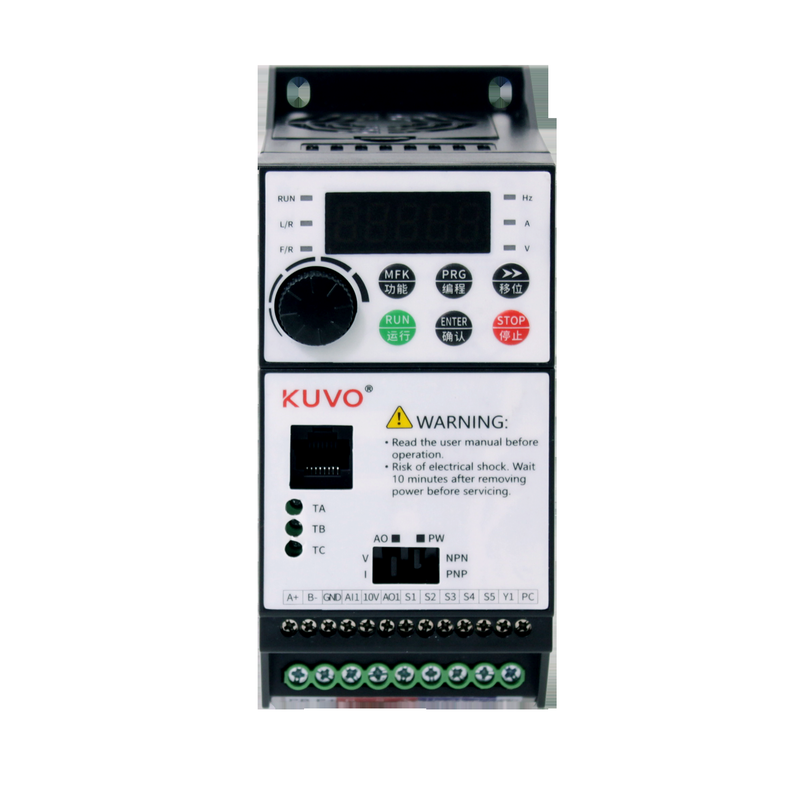
What Is a Variable Frequency Drive and Why Is It Essential for Modern Systems?
A variable frequency drive (VFD) is an advanced motor control device that regulates the speed and torque of electric motors by varying the frequency and voltage of the power supplied. Unlike traditional fixed-speed motors that always run at full power, a VFD enables precise adjustments, ensuring that motors operate only at the speed required for a specific task. This flexibility transforms how industries approach energy consumption, system stability, and overall efficiency.
Energy Efficiency and Cost Reduction
One of the most significant advantages of a VFD is its ability to reduce energy usage. Motors account for a large portion of electricity consumption in industrial facilities. By matching motor output to real-time demand, VFDs can cut energy consumption by 20–50%, leading to substantial cost savings. This makes them particularly valuable in regions where energy prices continue to rise.
Extended Equipment Lifespan
A VFD minimizes mechanical stress on motors and connected equipment. By offering smooth start-ups and gradual acceleration, it reduces the shock and wear associated with direct-on-line starting methods. This not only lowers maintenance requirements but also extends the operational life of pumps, compressors, and fans.
Improved System Stability and Flexibility
Modern systems demand adaptability. A VFD provides better control over motor speed, which helps maintain stable system performance under fluctuating conditions. Whether it’s adjusting pump flow rates, stabilizing air conditioning systems, or optimizing conveyor belt speeds, VFDs ensure smoother operations and reduced downtime.
How Does a Variable Frequency Drive Pump Improve Efficiency and Reliability?
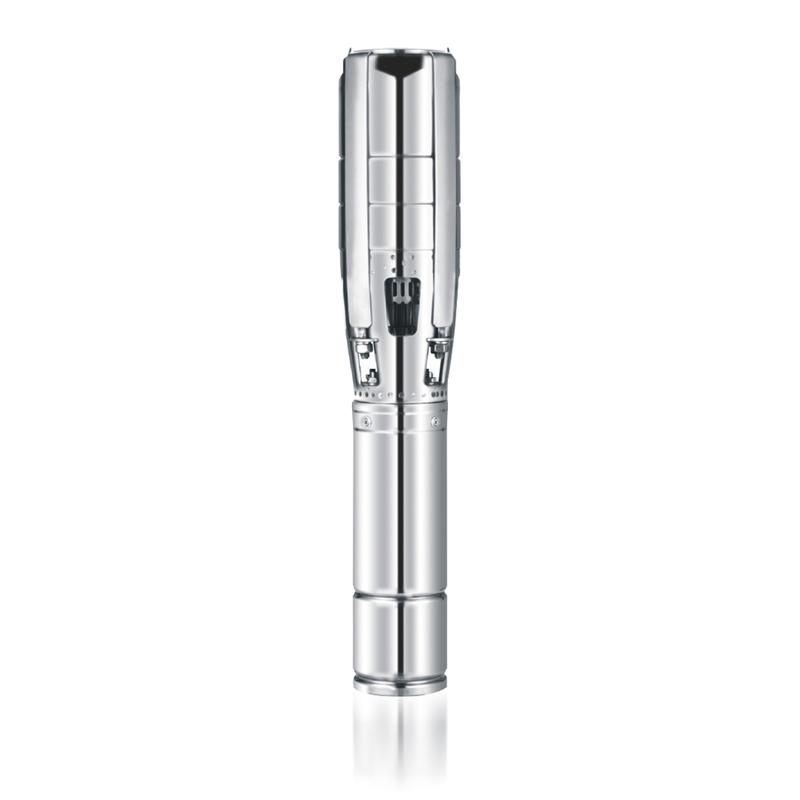
A variable frequency drive pump is one of the most effective ways to enhance water and fluid management systems. Unlike conventional pumps that operate at a fixed speed regardless of demand, a VFD pump automatically adjusts motor speed to match real-time requirements. This ensures that the system provides just the right amount of flow and pressure, minimizing waste and maximizing efficiency.
Optimized Energy Consumption
In pumping systems, energy consumption often accounts for the largest share of operating costs. A variable frequency drive pump reduces unnecessary energy use by slowing the motor during low-demand periods and ramping up only when needed. This dynamic adjustment results in significant energy savings and lowers operational expenses over time.
Stable Pressure and Flow Control
Traditional pumps often cause pressure fluctuations that can stress pipelines and valves. With a VFD pump, operators can maintain stable pressure and consistent flow across the system. This is particularly important in applications like irrigation, HVAC systems, or municipal water supply, where continuous and reliable delivery is critical.
Reduced Mechanical Stress and Maintenance Costs
By eliminating abrupt starts and stops, a VFD pump protects motors, bearings, and seals from unnecessary strain. The result is reduced wear and tear, lower maintenance costs, and extended equipment life. This reliability is vital for industries that cannot afford downtime or frequent repairs.
Real-World Application Examples
Irrigation Systems: Farmers benefit from steady water delivery adapted to crop needs, improving both yield and efficiency.
HVAC Systems: Buildings maintain comfort with precise temperature and humidity control while minimizing energy use.
Industrial Facilities: Manufacturing plants rely on VFD pumps to ensure stable cooling and process water supply, avoiding costly interruptions.

Which Features Should You Consider When Selecting a Variable Frequency Drive?
Choosing the right variable frequency drive (VFD) is critical to ensuring long-term performance, efficiency, and compatibility with your system. Not all VFDs are the same, and the right selection depends on technical specifications, operating conditions, and application needs. Below are the key features that buyers should carefully evaluate.
Input Voltage and Phase Compatibility
Different systems require different power inputs. For example, the KV10 Variable Frequency Drive supports:
Single-phase: 200V (-10%) ~ 240V (+10%)
Three-phase: 380V (-10%) ~ 480V (+10%)
This flexibility ensures that the drive can integrate seamlessly into both small-scale and industrial power environments. Matching input voltage and phase compatibility with your existing setup prevents inefficiencies and operational risks.
Control Method and Motor Adaptability
The output control method is essential for precise motor regulation. VFDs like the KV10 series use V/F control, which offers smooth acceleration and deceleration, protecting connected motors from stress. This adaptability is particularly valuable in variable-load applications, where the system must handle fluctuating demands efficiently.
Power Range and Performance
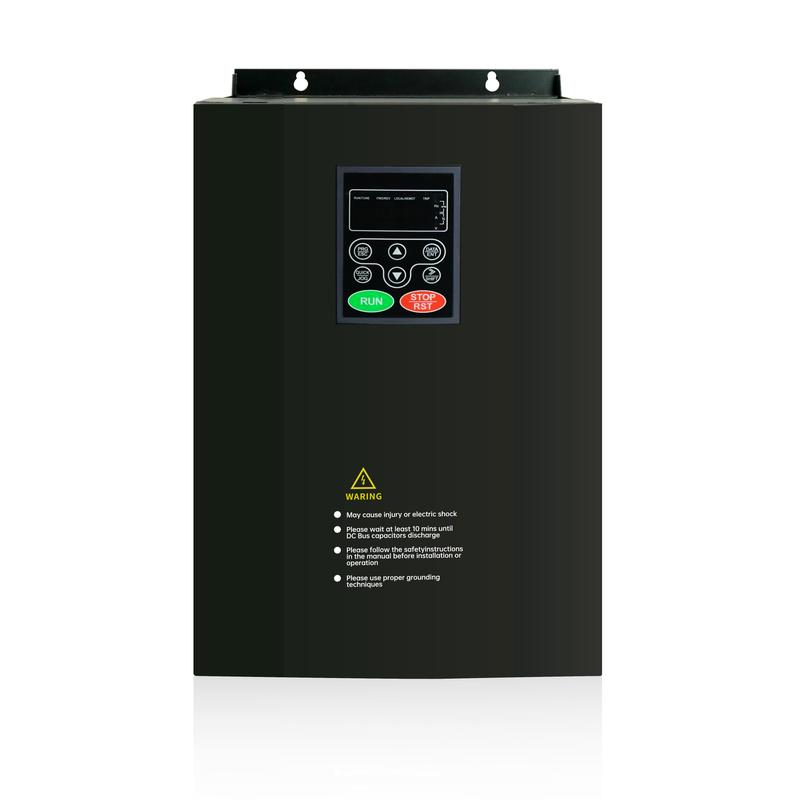
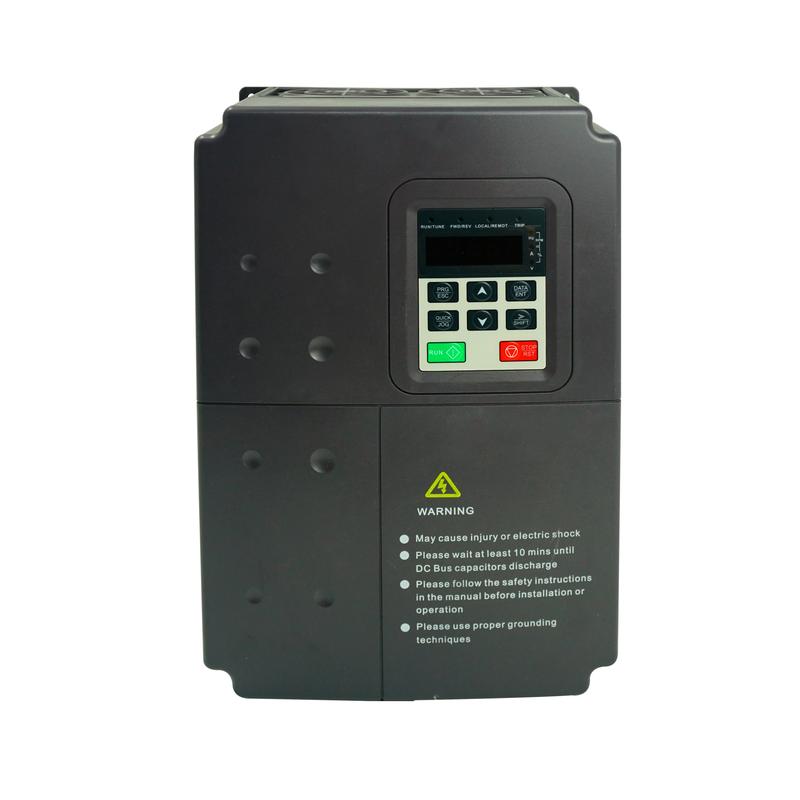
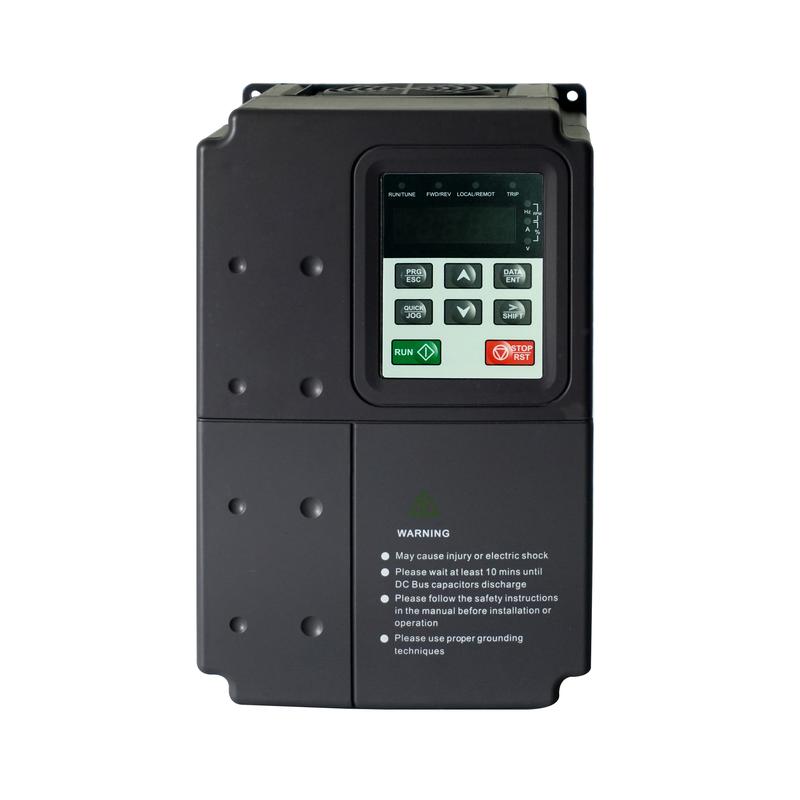
The application size determines the required drive capacity. LCGK’s KV90M series variable frequency drive pumps cover a broad spectrum of power ratings:
LCGK-0.75–2.2KW – Ideal for small-scale water circulation or irrigation.
LCGK-4–5.5KW – Suitable for mid-size pumps in commercial or agricultural settings.
LCGK-7.5–11KW / LCGK-15–18.5KW – Designed for more demanding operations such as manufacturing or HVAC.
LCGK-22–30KW – Built for large industrial pumps requiring high output and robust reliability.
Durability and Installation Considerations
Apart from specifications, durability and ease of installation are critical. The KV90M series is engineered with advanced IGBT technology, compact sizing, and efficient cooling systems, ensuring reliable operation even under heavy-duty conditions. These factors not only enhance performance but also minimize downtime and reduce maintenance requirements.

What Are the Common Applications of Variable Frequency Drives in Industrial and Commercial Settings?
The flexibility and efficiency of a variable frequency drive (VFD) make it one of the most widely adopted technologies across industries. By offering precise control over motor speed and torque, VFDs ensure that systems not only save energy but also operate with greater stability and reliability. Here are some of the most common application areas:
Industrial Manufacturing and Process Control
In factories, motors drive conveyors, mixers, compressors, and cooling systems. Without VFDs, these machines often run at full speed even when not required, wasting significant energy. By integrating VFDs, manufacturers achieve precise process control, reduce energy bills, and extend machine lifespan.
HVAC and Building Automation
Heating, ventilation, and air conditioning systems rely heavily on fans and pumps. A VFD allows these systems to adapt airflow and water circulation to real-time building demand. This not only reduces electricity consumption but also improves comfort by maintaining stable temperature and humidity levels.
Water and Wastewater Management
One of the most impactful uses is in pumping systems. A variable frequency drive pump ensures that municipal water supply, sewage treatment plants, and irrigation systems operate with consistent flow and pressure. By preventing surges and fluctuations, VFDs protect pipelines, reduce maintenance, and guarantee reliable service delivery.
Agriculture and Irrigation
Farmers increasingly adopt VFD pumps to regulate water distribution for crops. Instead of delivering water at a constant rate, the system adjusts based on soil needs and environmental conditions, reducing waste while supporting sustainable farming practices.
Renewable Energy and Sustainability Projects
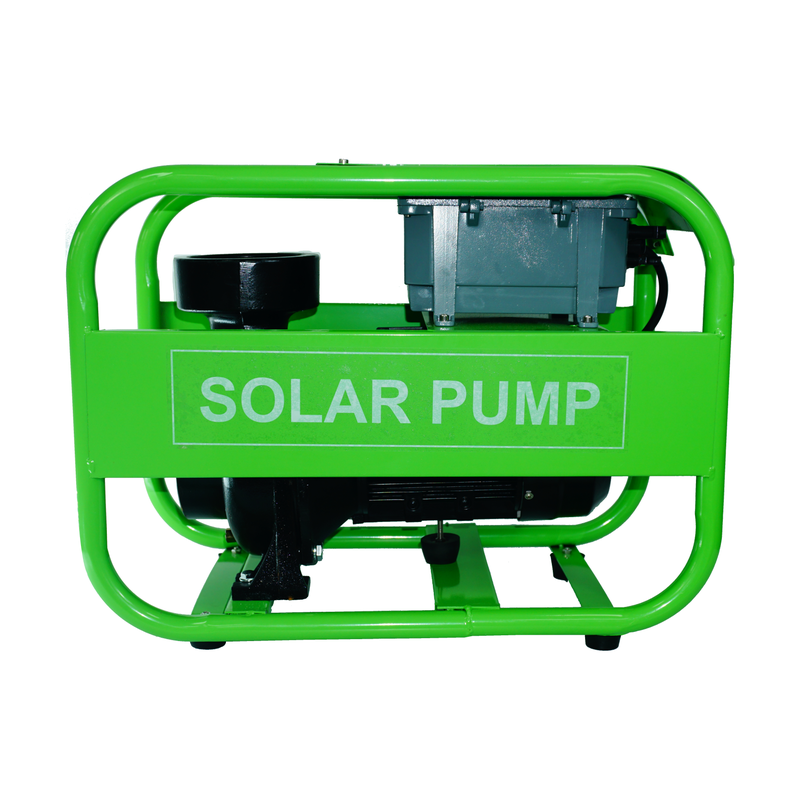
In renewable projects, such as solar-powered pumping systems, VFDs play a vital role in balancing energy input with motor output. This enables stable operation even when solar energy availability fluctuates, supporting long-term energy independence goals.
Why Choose LCGK‘s KV10 and KV90M Series Variable Frequency Drive Pumps?
When investing in a variable frequency drive, the choice of brand and model directly impacts long-term reliability and cost-effectiveness. LCGK has developed its KV10 and KV90M series to meet diverse operational demands, offering advanced features and proven performance across industries.
LCGK KV10 Variable Frequency Drive
The KV10 series is designed for both single-phase and three-phase input environments, with a voltage range of 200V (-10%) ~ 240V (+10%) for single-phase and 380V (-10%) ~ 480V (+10%) for three-phase. Its V/F control method ensures smooth operation, reduced mechanical stress, and extended equipment life. This makes the KV10 an excellent choice for general-purpose applications where energy efficiency and stable performance are top priorities.
LCGK KV90M Series Variable Frequency Drive Pump
The KV90M series is engineered specifically for demanding pump applications, with multiple power ratings to cover a wide range of system sizes:
LCGK-0.75–2.2KW – Compact and efficient for small circulation or irrigation systems.
LCGK-4–5.5KW – Suitable for mid-scale pumping operations in agriculture or commercial use.
LCGK-7.5–11KW – Reliable for industrial systems requiring continuous performance.
LCGK-15–18.5KW – Ideal for large-scale HVAC or process water management.
LCGK-22–30KW – Built for heavy-duty pumping applications in municipal and industrial infrastructures.
Each model is equipped with IGBT technology, compact design, and advanced cooling systems to ensure efficient and durable operation even under challenging conditions. By delivering stable flow, reduced energy consumption, and long-term cost savings, LCGK VFD’s KV90M series has become a trusted solution across multiple sectors.
A Reliable Partner for Modern Systems
Choosing LCGK means securing more than just a product—it means benefiting from a partner focused on innovation, reliability, and sustainability. With the KV10 and KV90M series, businesses gain the confidence of stable performance, optimized efficiency, and reduced operational costs, making them future-ready in a competitive market.
Conclusion
The adoption of a variable frequency drive (VFD) is no longer optional but essential for industries seeking efficiency, stability, and long-term cost savings. From reducing energy consumption to extending equipment life and ensuring precise system control, VFDs have transformed the way modern operations are managed. Among their many applications, the variable frequency drive pump stands out as a critical solution for irrigation, HVAC, manufacturing, and municipal water systems, where reliable and consistent performance is vital.
By selecting the right model with the proper specifications, businesses can maximize both performance and return on investment. LCGK’s KV10 Variable Frequency Drive and KV90M series Variable Frequency Drive Pumps deliver the flexibility, durability, and energy efficiency required for today’s demanding environments. With proven performance across multiple industries, LCGK VFD provides solutions that not only meet current needs but also support sustainable growth into the future.
 English
  French
  Arabic
  German
  Portuguese
  Spanish
  Italian
  Polish
  Russian
  Indonesian
  Turkish
  Bulgarian
  Dutch
Dutch  Japanese
  Korean
  Czech
Czech  Danish
  Greek
Greek  Estonian
  Finnish
  Hungarian
  Lithuanian
  Latvian
  Romanian
  Slovak
  Slovenian
  Swedish
  Ukrainian
  Chinese