
In today’s competitive industrial landscape, maximizing operational efficiency is no longer optional—it’s essential. One powerful yet often underappreciated tool for achieving this is the Variable Frequency Drive (VFD). By precisely controlling motor speed and torque, VFDs not only deliver remarkable energy savings but also enhance equipment longevity and system performance. This article explores how VFDs contribute to smarter, greener, and more cost-effective industrial operations, outlines the key features to look for, and highlights real-world applications where VFD technology makes a measurable difference.
How Does a Variable Frequency Drive Improve Industrial Efficiency?
Understanding Motor Control with VFDs
Variable Frequency Drives (VFDs) are designed to control the speed and torque of electric motors by adjusting the frequency and voltage of the power supplied. This flexible control allows industries to tailor motor performance to actual process demands rather than operating at a fixed speed, resulting in significant energy savings. By varying motor speed precisely based on real-time requirements, VFDs also contribute to reduced wear and tear on mechanical components, helping prevent early system failures and costly downtimes.
Benefits for Industrial Applications
By optimizing motor speed, VFDs help in reducing energy consumption, minimizing mechanical stress, and extending the lifespan of equipment. In addition, smoother start/stop cycles prevent water hammer effects in pump systems and mechanical shocks in conveyor belts, improving the overall durability of industrial installations. For industries aiming to meet environmental targets or lower their carbon footprint, implementing VFDs is an immediate and impactful step toward greener operations. Furthermore, many facilities experience reduced noise levels in motor operations once VFDs are installed, creating a safer and more comfortable workplace environment.
Real-World Example
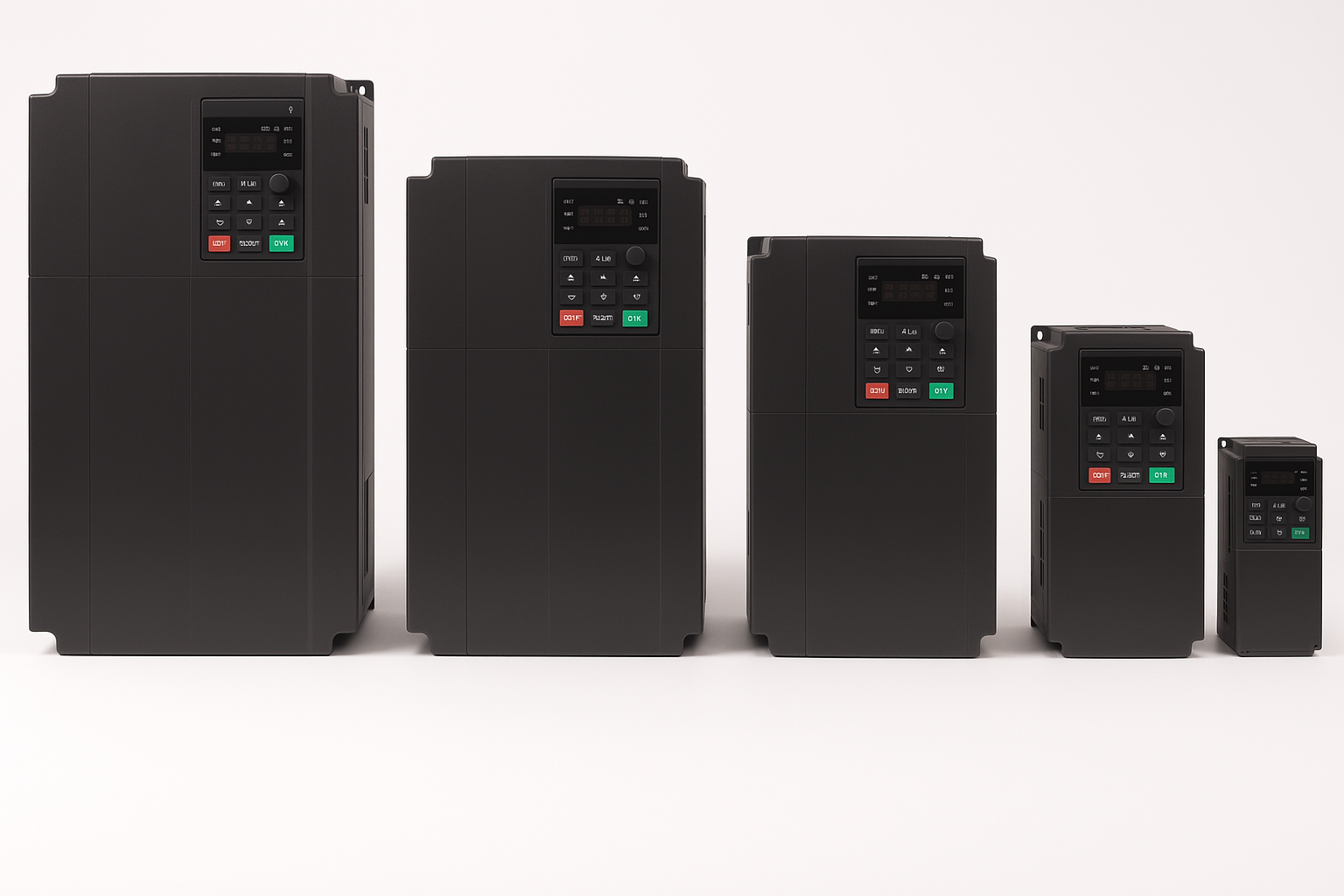
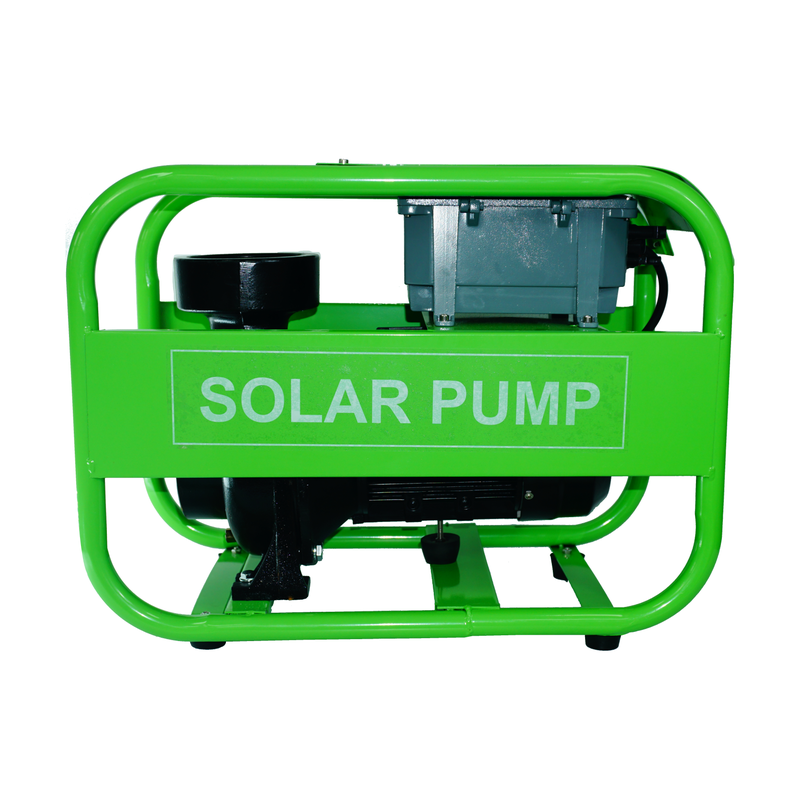
In water pump systems, installing a Variable Frequency Drive (VFD) can reduce energy usage by up to 50% compared to traditional constant-speed motors. This not only leads to lower electricity bills but also supports sustainability initiatives in modern industries. For instance, an industrial cooling tower equipped with a properly configured VFD can dynamically adjust fan speeds based on cooling demand, dramatically lowering energy costs during periods of low load while ensuring optimal performance during peak conditions. Many companies have reported investment payback periods of less than two years purely through energy savings achieved with VFD installations.
What Are the Key Features to Look for in a Variable Frequency Drive?
Essential Control Functions
A high-quality Variable Frequency Drive (VFD) should offer advanced control modes such as V/F control and vector control. These modes ensure precise regulation of motor speed, smooth start/stop functionality, and better dynamic response, which are critical for applications like conveyors and fans. Vector control, in particular, enables the VFD to adjust motor output even under fluctuating load conditions, maintaining consistent torque and speed performance. For industries where precise movement is crucial, such as automated production lines or textile machinery, selecting a Variable Frequency Drive (VFD) with superior vector control capabilities can directly influence production quality and consistency.
Built-in Safety and Communication
Robust protection features are crucial. Look for Variable Frequency Drives (VFDs) that offer overvoltage, overload, ground fault, and short-circuit protection, ensuring safe operation even in harsh environments. Many modern Variable Frequency Drives (VFDs) also feature automatic fault detection and alarm reporting to prevent damage and minimize downtime. Additionally, having RS485 Modbus communication capability allows seamless integration into modern automation systems, enabling real-time data exchange with PLCs, SCADA systems, or cloud-based monitoring platforms. This ensures centralized control and easier predictive maintenance planning, further improving system uptime.
Energy Efficiency and Savings
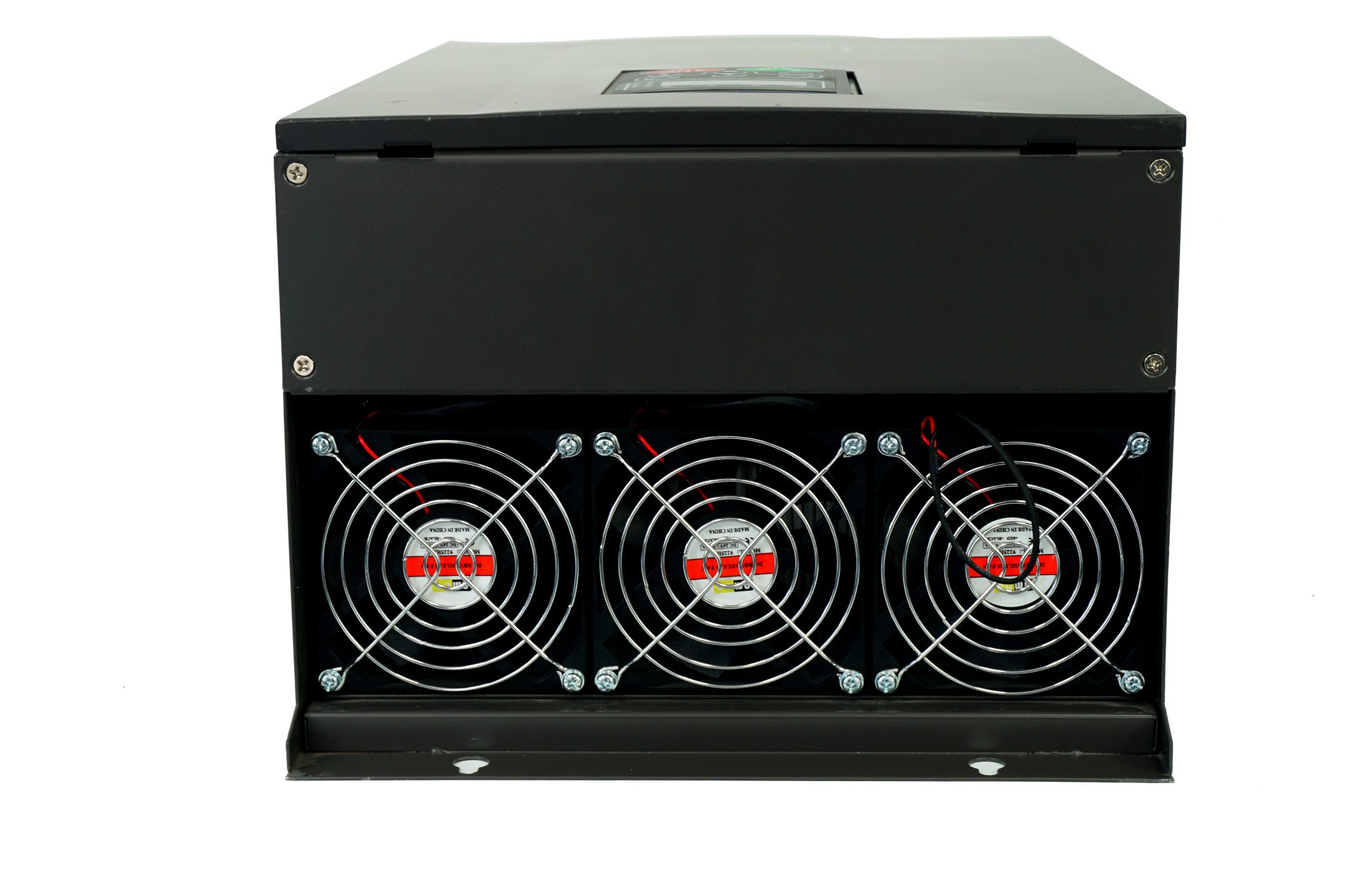
An efficient VFD doesn’t just control motors; it actively reduces energy consumption through smart load management and feedback loops. Integrated PID (Proportional-Integral-Derivative) controllers fine-tune motor operations to maintain process variables—such as pressure in a pipeline or airflow in a ventilation system—within precise ranges, automatically adjusting the motor output to avoid energy waste. Furthermore, features like sleep/wake modes allow the VFD to temporarily halt motor operation during idle periods, leading to additional savings without compromising process requirements. Choosing a VFD with energy optimization algorithms can yield both immediate and long-term operational benefits.
Where Are Variable Frequency Drives Commonly Used?
Application in Pump and Fan Systems
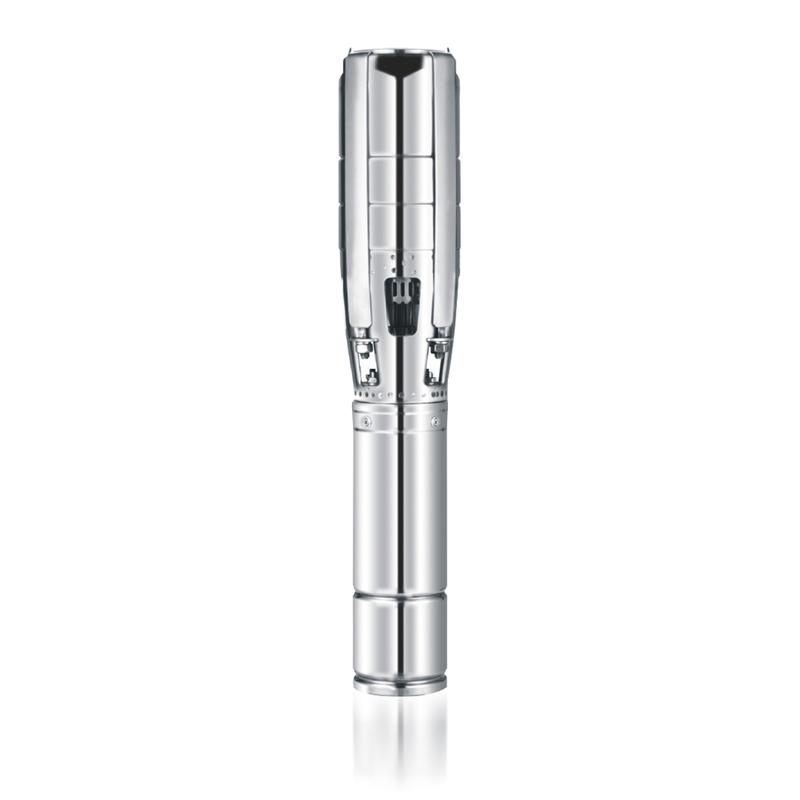
VFDs are extensively deployed in pump and fan systems to modulate flow and pressure based on real-time requirements. This eliminates the need for throttling devices and ensures energy is not wasted on mechanical restriction. By dynamically adjusting motor speeds, VFDs help prevent phenomena like water hammer in pump systems and reduce noise levels in fan operations, leading to longer equipment life. Industries such as commercial buildings, municipal water treatment, and chemical plants rely heavily on VFDs for their pumping and ventilation systems to achieve better process control and energy efficiency.
Role in Smart Agriculture and OEM Machinery
In smart agriculture, VFDs regulate irrigation pumps to deliver water efficiently, adapting to varying environmental conditions such as soil moisture and weather changes. This intelligent irrigation approach conserves water and lowers operational costs, contributing to more sustainable farming practices. In the field of OEM (Original Equipment Manufacturer) machinery, VFDs are integrated into equipment like packaging machines, CNC machines, and food processing lines. These drives allow for precise control over machine movements, offering customizable speed profiles that suit specific production requirements, thereby enhancing overall equipment flexibility and productivity.
HVAC Systems and Beyond
Modern HVAC systems leverage Variable Frequency Drives (VFDs) to adjust fan and compressor speeds according to heating or cooling loads, enhancing indoor comfort while maximizing energy efficiency. Instead of running motors at full capacity all the time, VFDs allow the system to operate only as much as needed, dramatically cutting energy consumption during partial-load periods. Beyond HVAC, Variable Frequency Drives (VFDs) are also crucial in industries like mining, where conveyor belts, crushers, and ventilation systems require variable speed control for safe and efficient operations. Water treatment facilities, too, benefit from VFDs by ensuring precise flow control in filtration and chemical dosing processes, leading to improved treatment quality and reduced chemical consumption.
How Do You Choose the Right Variable Frequency Drive for Your Application?
Assess Power Requirements and Load Type
Start by evaluating your motor’s power rating (in kW or HP) and the type of load (constant torque, variable torque, or regenerative). Ensure the VFD you select can handle the operating demands with adequate safety margins. For example, applications like conveyors or crushers require constant torque drives, while fans and pumps benefit more from variable torque drives that offer energy savings at lower speeds. Additionally, it is important to consider the starting current demands; some applications need a VFD capable of handling heavy starting loads without triggering fault conditions.
Consider Environmental and Installation Factors
Think about environmental conditions such as temperature, humidity, dust, and vibration levels at the installation site. VFDs installed outdoors or in harsh industrial settings often require higher ingress protection (IP) ratings to prevent dust and moisture intrusion. Some advanced VFD models come with conformal coating on electronic components for additional durability. The physical size of the VFD is also important, especially in retrofit projects where space constraints exist. A compact VFD that can fit into existing panels without extensive modifications can significantly reduce installation time and costs.
Ease of Commissioning and Maintenance
User-friendly VFDs with simple parameter setup, quick diagnostic functions, and accessible interfaces can drastically cut down installation and maintenance time, improving overall project timelines and serviceability. Features like pre-programmed application macros (e.g., for pumps, fans, or compressors) allow quick adaptation without needing deep technical knowledge. In addition, modern VFDs often offer real-time monitoring through built-in displays or remote access tools, enabling maintenance teams to detect issues early and implement corrective actions promptly, minimizing unplanned downtimes.
What Makes LCGK Variable Frequency Drives a Reliable Choice?
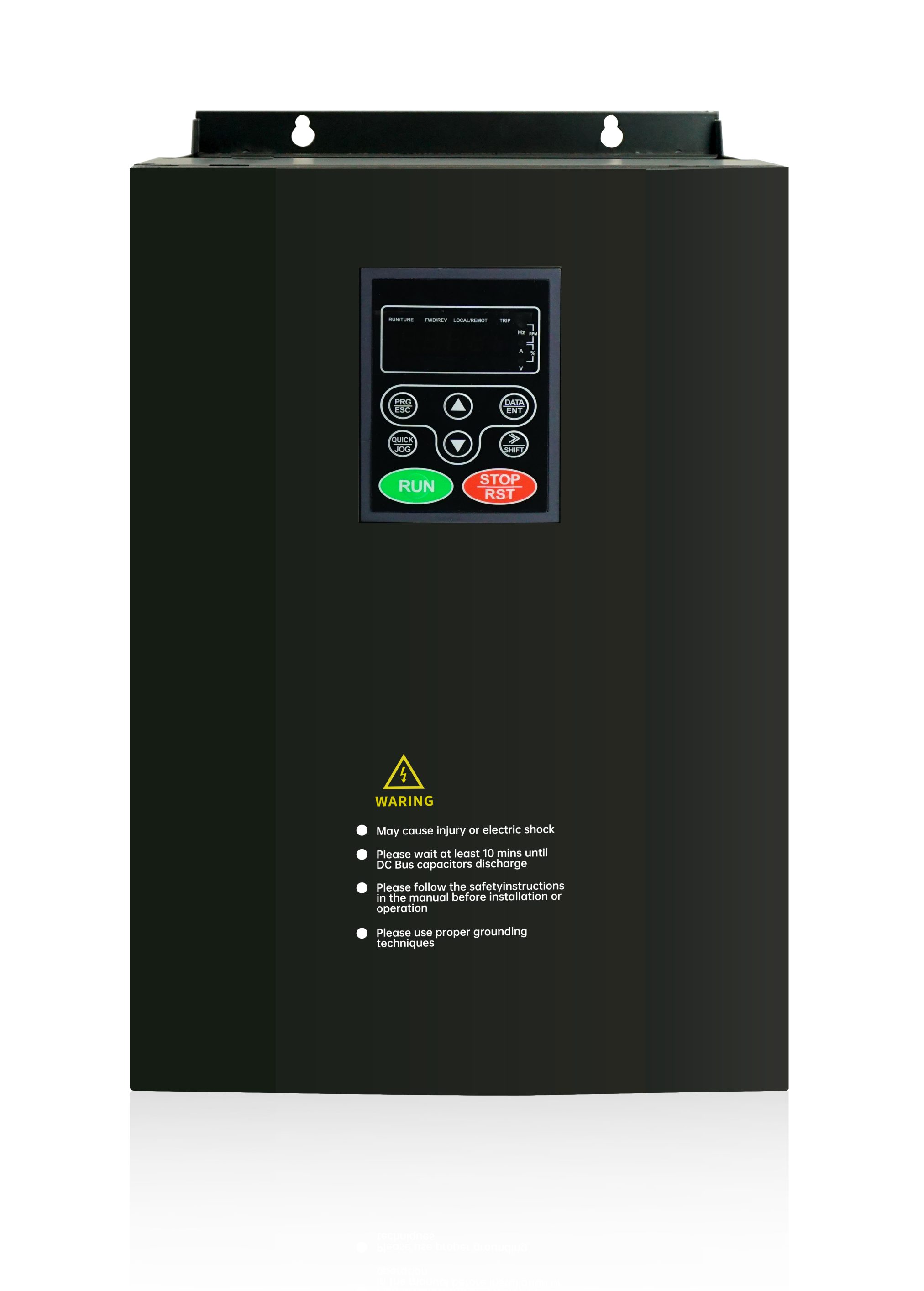
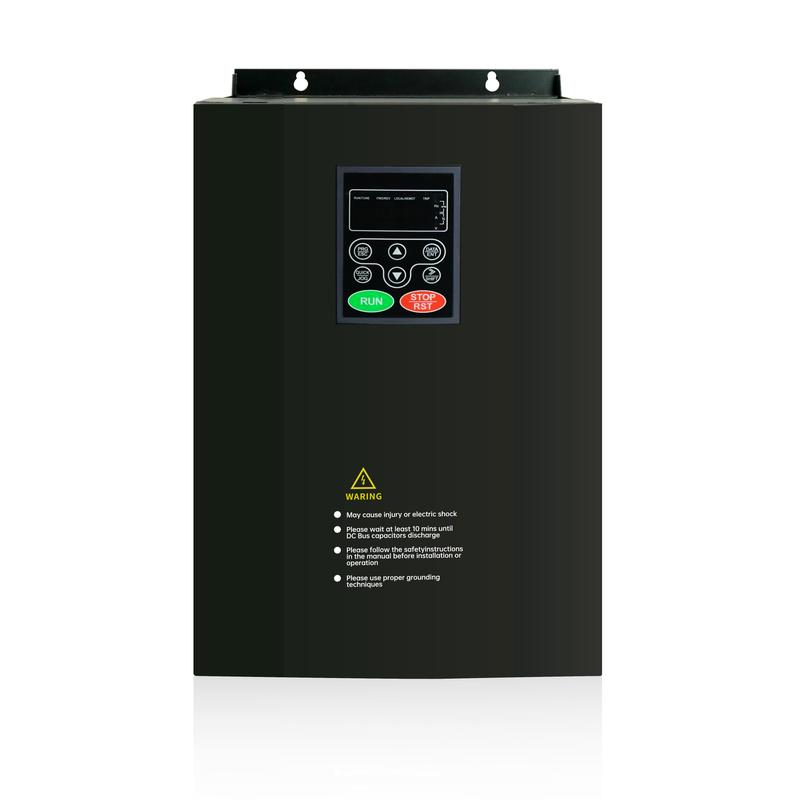
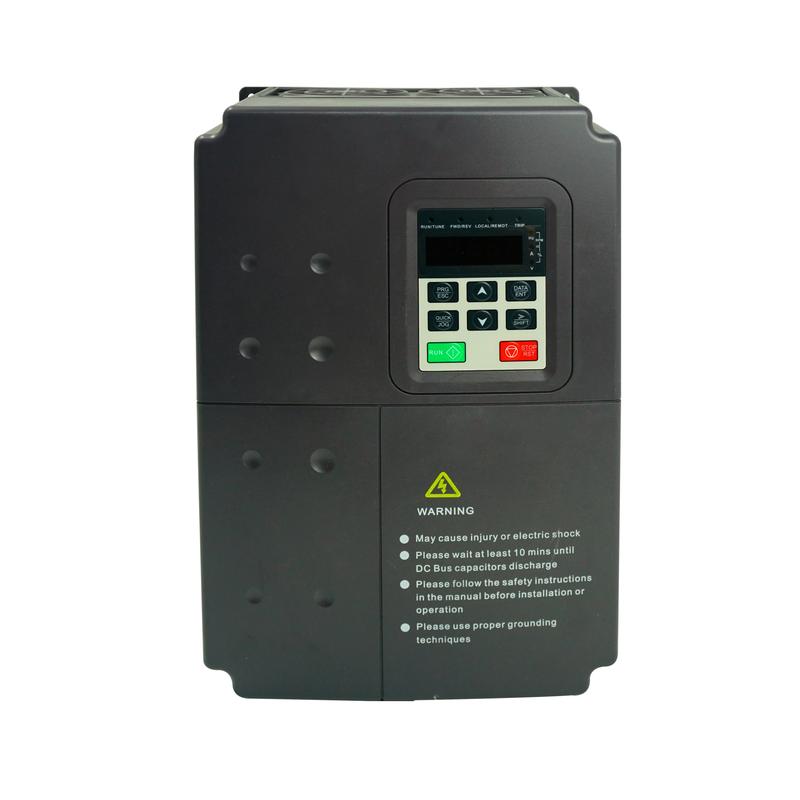
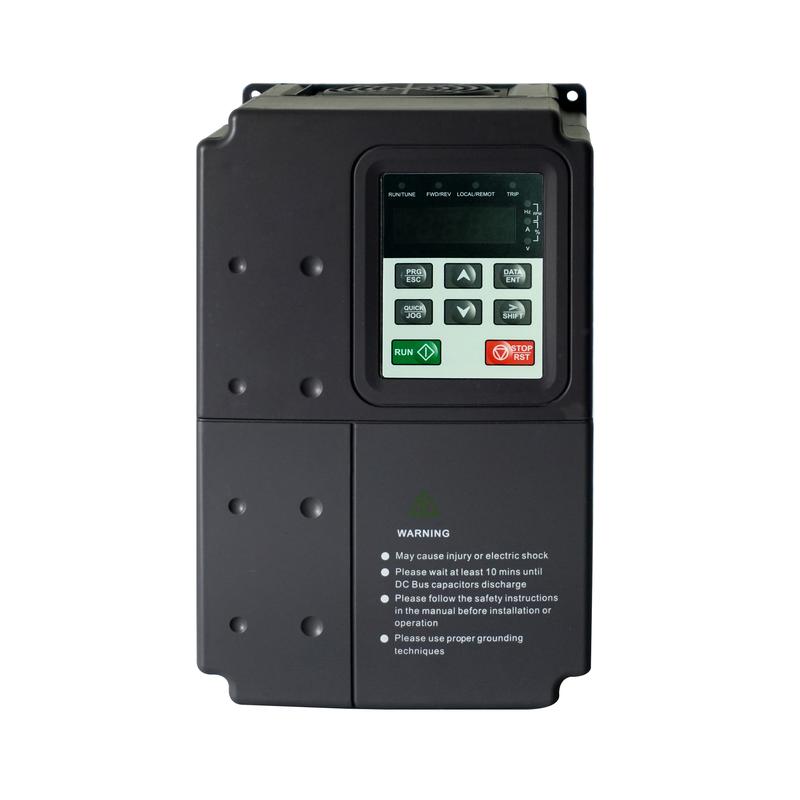
LCGK Variable Frequency Drives (VFDs) are engineered to deliver high-performance, energy-efficient motor control across diverse industries. Featuring advanced V/F and vector control algorithms, they ensure precise speed regulation and soft start/stop operations, which not only optimize energy usage but also enhance the operational stability of connected systems. These control methods make LCGK Variable Frequency Drives (VFDs) particularly suitable for critical processes that require fast torque response and smooth acceleration, such as material handling systems, textile machinery, and HVAC applications.
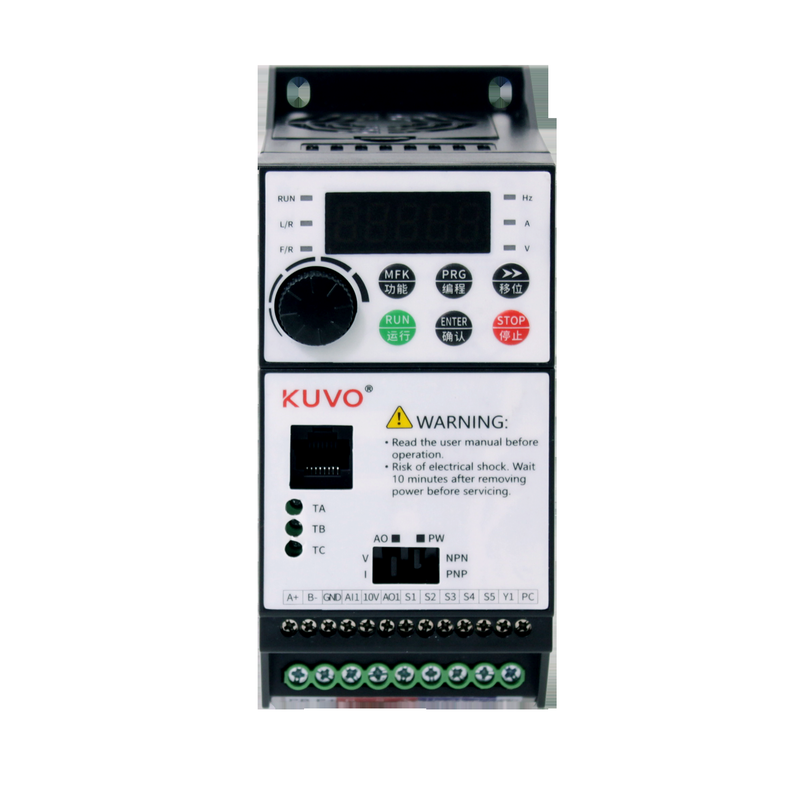
LCGK VFDs, available in power ratings from 0.75kW to 500kW, cover both general-purpose and specialized industry applications, offering flexible solutions that meet the needs of small installations and large industrial complexes alike. Built-in PID control, multi-speed settings, RS485 Modbus communication, and robust protection features ensure that LCGK drives provide seamless integration into existing automation networks, with reliable safeguards against electrical faults.
The range includes the compact KV10 series, ideal for space-constrained applications, and the high-power KV90M series, designed for demanding industrial environments. LCGK’s user-friendly design, including intuitive interfaces and fast parameter setup functions, significantly reduces installation and commissioning times, helping customers bring their systems online faster. Additionally, LCGK VFD Variable Frequency Drives (VFDs) incorporate design elements aimed at enhancing durability, such as enhanced cooling systems and extended thermal protection, resulting in reduced maintenance requirements and a longer operational lifespan.
Trusted globally across sectors like HVAC, water treatment, smart agriculture, and OEM machinery manufacturing, LCGK VFD empowers smart industrial upgrades with dependable, efficient drive technology. Choosing LCGK means investing in a future-proof solution that delivers stable performance, operational savings, and technological readiness for the demands of Industry 4.0.
 English
  French
  Arabic
  German
  Portuguese
  Spanish
  Italian
  Polish
  Russian
  Indonesian
  Turkish
  Bulgarian
  Dutch
Dutch  Japanese
  Korean
  Czech
Czech  Danish
  Greek
Greek  Estonian
  Finnish
  Hungarian
  Lithuanian
  Latvian
  Romanian
  Slovak
  Slovenian
  Swedish
  Ukrainian
  Chinese