
Introduction
In today’s world, the demand for reliable and sustainable water management solutions is growing rapidly. Rising energy costs, frequent power supply interruptions, and the environmental concerns associated with diesel-powered pumping systems have driven industries and agricultural sectors to explore alternatives. Traditional water pumps, while effective in the short term, often lead to high operational expenses, increased maintenance requirements, and limited scalability when water demand fluctuates.
This is where the solar pump emerges as a transformative solution. By harnessing solar energy to power water pumping systems, it provides a cleaner, more efficient, and cost-effective option for applications ranging from agricultural irrigation and livestock supply to industrial operations and community water projects. Unlike conventional pumps, a solar-powered pump integrates renewable energy with smart motor control, ensuring reliable performance even in remote locations without access to stable grid electricity.
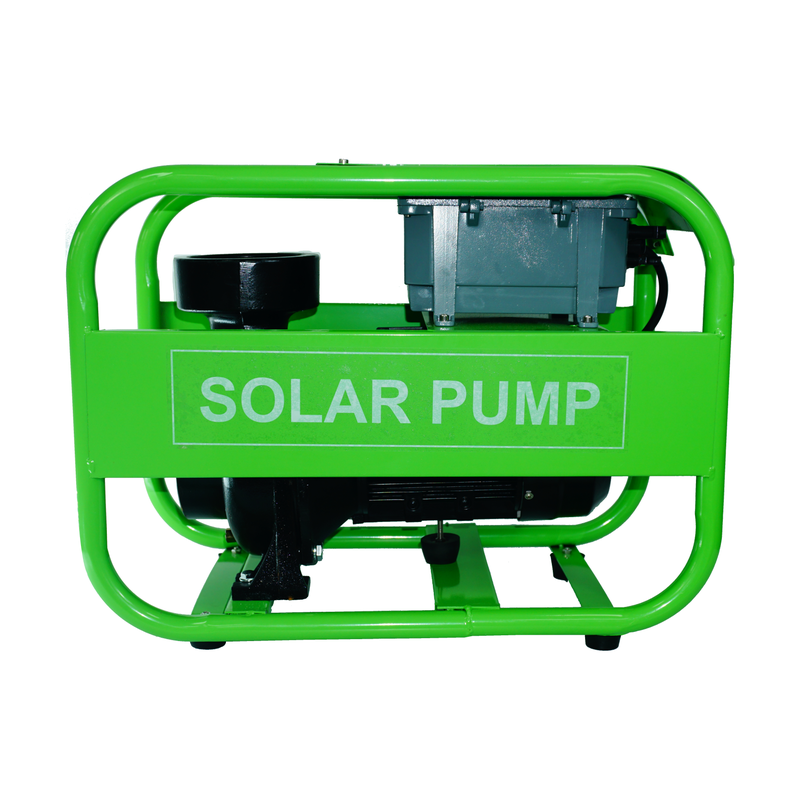
As businesses and communities worldwide look for ways to reduce costs while aligning with long-term sustainability goals, the adoption of solar water pump technology is becoming a key strategy. It not only supports energy independence but also delivers a practical pathway toward efficiency, reliability, and environmental responsibility.
What Is a Solar Pump and How Does It Work?
A solar pump is a water pumping system powered directly by solar energy, converting sunlight into electricity to drive a motor and pump water from various sources such as wells, rivers, or reservoirs. Unlike traditional pumps that rely on grid electricity or diesel fuel, solar pumps use photovoltaic (PV) panels to capture solar energy, making them independent from unstable or costly energy sources.
Basic Working Principle
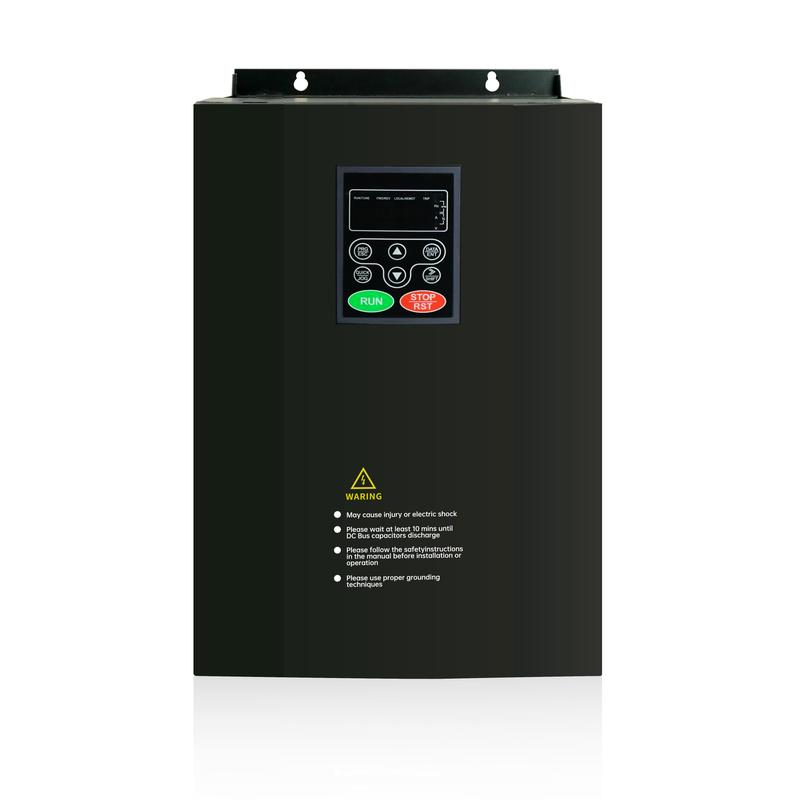
The working process of a solar-powered pump begins with solar panels generating direct current (DC) electricity from sunlight. This energy is then managed by a controller or inverter, which stabilizes the power flow and converts it into alternating current (AC) if necessary. The motor connected to the pump then drives the system, delivering water for irrigation, livestock, industrial cooling, or community water supply.
Main Types of Solar Pumps
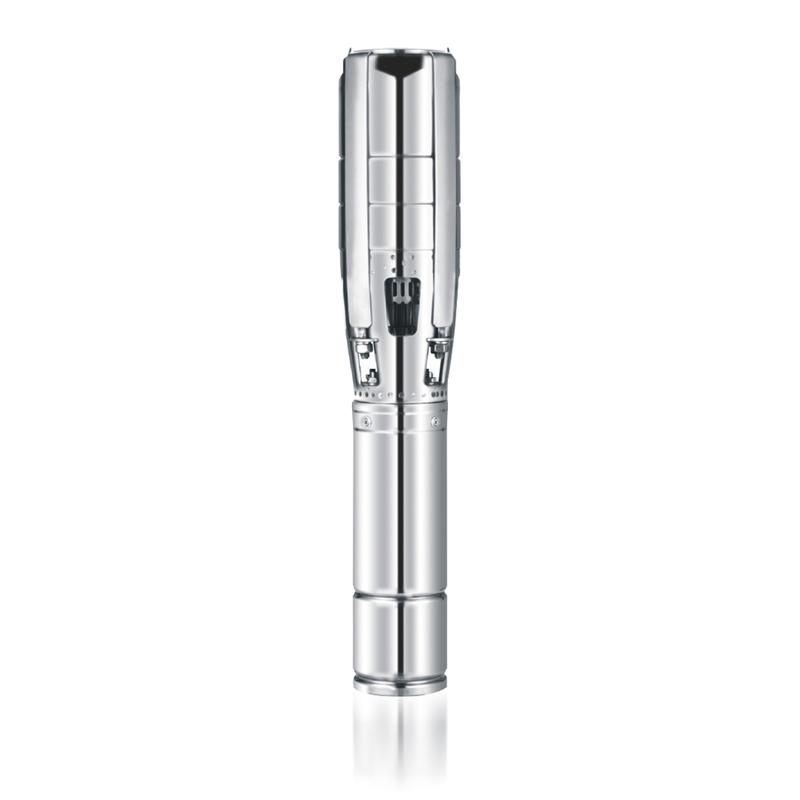
Solar submersible pumps – Designed to operate underwater, these pumps are ideal for deep-well applications where groundwater needs to be lifted to the surface. For example, the JDS solar submersible pump provides high efficiency and reliability for extracting water from deep wells, making it suitable for large farms and rural water systems.
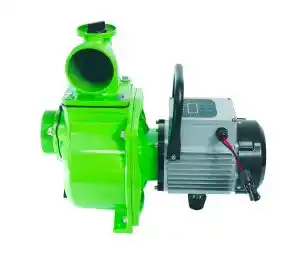
Solar surface pumps – Placed at or near the water source, these are used for shallow wells, rivers, or ponds. A typical model such as the DHF Surface pump is highly effective for irrigation channels, livestock supply, and industrial water transfer where high flow is required but depth is not a challenge.
Integration With Smart Systems
Modern solar pumps are often combined with smart controllers that adjust motor speed according to sunlight intensity and real-time water demand. This ensures that even during cloudy conditions, the pump continues to function efficiently without wasting energy or overloading the system.
By leveraging these principles, solar water pump technology offers a clean, adaptable, and efficient alternative to conventional pumping systems, paving the way for sustainable water management across multiple industries.
Why Should You Choose a Solar Pump for Agricultural and Industrial Applications?
The choice of a solar pump over traditional pumping systems is not just about adopting renewable energy—it is about ensuring long-term efficiency, reliability, and cost savings across diverse applications. Both agricultural and industrial sectors face unique challenges that solar water pumping technology is well-equipped to solve.
Agricultural Applications
Efficient Irrigation
Agricultural irrigation often requires consistent and large volumes of water. Conventional diesel or grid-powered pumps are prone to fluctuations in fuel costs and electricity availability. By contrast, a solar water pump provides stable, predictable operation powered by free sunlight, reducing dependence on external energy sources.
Support for Livestock
In livestock farming, water supply is critical for animal health and productivity. A solar-powered pump can ensure reliable water flow to troughs and reservoirs, even in remote areas far from the grid. The DHF Surface pump, for instance, is particularly suitable for supplying large herds with water efficiently, without the risk of fuel shortages.
Crop Protection and Sustainability
Using a solar pump in irrigation helps maintain optimal soil moisture levels, reduces water wastage, and aligns with sustainable farming practices. This makes it an effective solution for farmers facing both rising energy costs and stricter environmental requirements.
Industrial Applications
Reliable Cooling Systems
Industrial facilities often require large volumes of water for cooling machinery and production processes. A solar-powered pump ensures continuous water supply while lowering operational costs. Its ability to scale makes it suitable for both small workshops and large plants.
Remote and Off-Grid Operations
Industries operating in isolated areas, such as mining or construction sites, often lack reliable grid electricity. A solar pump provides autonomy by utilizing on-site solar panels, ensuring uninterrupted operation without reliance on fuel delivery.
Reduced Operating Costs
Unlike traditional systems, solar pumps significantly reduce electricity and diesel expenses. Over time, the initial investment is offset by lower energy bills and minimal maintenance requirements, making it a cost-effective choice for businesses seeking long-term savings.
By adopting solar pumping solutions, both farmers and industrial operators gain not only energy independence but also operational resilience. Systems such as the JDS solar submersible pump for deep wells and the DHF Surface pump for surface water sources offer tailored solutions to match diverse application needs.
How Do Solar Pumps Improve Efficiency, Reliability, and Sustainability?
The real value of a solar pump lies in its ability to deliver not only cost savings but also long-term operational stability and environmental benefits. Unlike conventional pumps that struggle with energy inefficiency and high maintenance, solar pumping systems are designed to optimize every aspect of performance.
Improved Energy Efficiency
Direct Use of Renewable Energy
A solar-powered pump runs on free sunlight, eliminating the need for costly diesel or fluctuating grid power. This ensures that a significant portion of operating expenses is reduced from day one.
Variable Speed Control
With advanced controllers, the pump motor adjusts speed based on solar intensity and water demand. This prevents over-pumping, reduces energy waste, and ensures consistent delivery of water.
Enhanced Reliability
Fewer Mechanical Failures
Traditional pumps often suffer from frequent wear and tear due to inconsistent loads and overheating. In contrast, a solar water pump operates with steady input from solar panels, reducing stress on components.
Dependable in Remote Locations
For rural farms or industries away from urban power infrastructure, solar pumps provide independence and ensure continuous operation without fuel supply concerns. The JDS solar submersible pump is especially valued for deep-well applications where reliability is critical for irrigation or community water supply.
Long-Term Sustainability
Reduced Carbon Emissions
By eliminating the reliance on fossil fuels, solar pumps directly contribute to lowering greenhouse gas emissions, supporting global and regional sustainability goals.
Water Conservation
Through smart motor control and demand-based pumping, solar systems prevent unnecessary water extraction, helping to maintain aquifer balance and reduce environmental impact.
Durability and Longevity
High-quality models such as the DHF Surface pump are built for long-term use, combining corrosion-resistant materials with efficient designs that extend service life and minimize waste.
By integrating efficiency, reliability, and sustainability into a single system, solar pumping solutions provide more than just water delivery—they create long-term value for agriculture, industry, and communities alike.
What Are the Key Factors to Consider When Selecting a Solar Pump System?
Choosing the right solar pump is not simply about picking a model—it requires understanding the unique needs of the application and aligning them with system capabilities. Careful evaluation ensures that the investment delivers maximum efficiency, durability, and return on cost.
Water Source and Depth
Deep Wells vs. Surface Water
If the water source is a deep well, a JDS solar submersible pump is typically the right choice, as it is designed to lift water from significant depths while maintaining consistent pressure. For rivers, ponds, or irrigation canals, the DHF Surface pump is more practical due to its high flow capacity and easier installation.
Static Water Level and Drawdown
It’s important to measure the depth at which water stabilizes and how much it drops during pumping. This helps determine the required pumping head and ensures the chosen pump can operate reliably under fluctuating conditions.
Flow Rate and Demand
Agricultural Needs
For large-scale irrigation, the flow rate requirement is often higher, making it necessary to size the pump accordingly. Selecting a system that matches seasonal demand avoids underperformance or energy waste.
Industrial Applications
Factories or processing plants may require continuous water supply at steady volumes. Here, a solar pump system with advanced controllers ensures uninterrupted operation, even when sunlight intensity varies.
System Components and Integration
Controller and Inverter Compatibility
A high-quality controller stabilizes the power supply, protects the motor, and enables variable speed operation. In some cases, hybrid inverters can integrate solar panels with grid or backup generators for greater flexibility.
Storage and Backup Solutions
Where 24-hour water availability is needed, integrating water storage tanks or hybrid power systems ensures reliability during nighttime or extended cloudy periods.
Cost, Maintenance, and Longevity
Initial Investment vs. Lifetime Savings
While a solar water pump may require higher upfront costs, the long-term savings in fuel and electricity far outweigh the initial expense.
Durability of Components
Choosing pumps made with corrosion-resistant materials and high-efficiency motors ensures long service life with minimal maintenance.
After-Sales Support
For industrial and agricultural users, access to technical support, spare parts, and warranty services is crucial for system reliability.
By considering these factors—water source, demand, system integration, and long-term performance—buyers can ensure that their investment in a solar-powered pump delivers optimal results for their specific applications.

Conclusion
The transition to cleaner and more reliable water solutions is no longer a future trend—it is happening today. A solar pump provides a practical answer to the rising costs of energy, the unpredictability of fuel supply, and the environmental burden of traditional pumping systems. By leveraging solar energy, businesses and communities can secure dependable water access while reducing long-term operating expenses and aligning with sustainability goals.
From agriculture to industry, the benefits of solar water pump technology are clear: efficiency through renewable power, reliability in remote or grid-challenged areas, and sustainability that reduces both environmental impact and operational risks. Systems such as the JDS solar submersible pump and DHF Surface pump demonstrate how different models can be tailored to specific applications, whether it is lifting water from deep wells or moving large volumes from surface sources.
As more sectors embrace renewable energy solutions, the solar-powered pump will continue to play a vital role in shaping smarter, more resilient water management strategies. For those seeking proven solutions that balance performance, cost savings, and sustainability, LCGK VFD offers advanced solar pump systems designed to meet the demands of modern agricultural and industrial operations.
 English
  French
  Arabic
  German
  Portuguese
  Spanish
  Italian
  Polish
  Russian
  Indonesian
  Turkish
  Bulgarian
  Dutch
Dutch  Japanese
  Korean
  Czech
Czech  Danish
  Greek
Greek  Estonian
  Finnish
  Hungarian
  Lithuanian
  Latvian
  Romanian
  Slovak
  Slovenian
  Swedish
  Ukrainian
  Chinese