
Introduction
In recent years, the demand for clean, reliable, and cost-effective water solutions has continued to grow. Traditional pumping systems that rely on diesel generators or unstable grid power are facing limitations, especially in regions where energy costs are rising and sustainability has become a priority. This is where the solar pump has emerged as a practical and forward-looking solution.
A solar pump uses renewable energy from the sun to operate, ensuring consistent water supply without the heavy dependence on fossil fuels or costly electricity. Whether used in agriculture, community water distribution, or industrial operations, these systems provide both efficiency and long-term savings. Compared with conventional setups, a solar pump offers lower maintenance needs, stable performance, and adaptability in remote or off-grid environments.
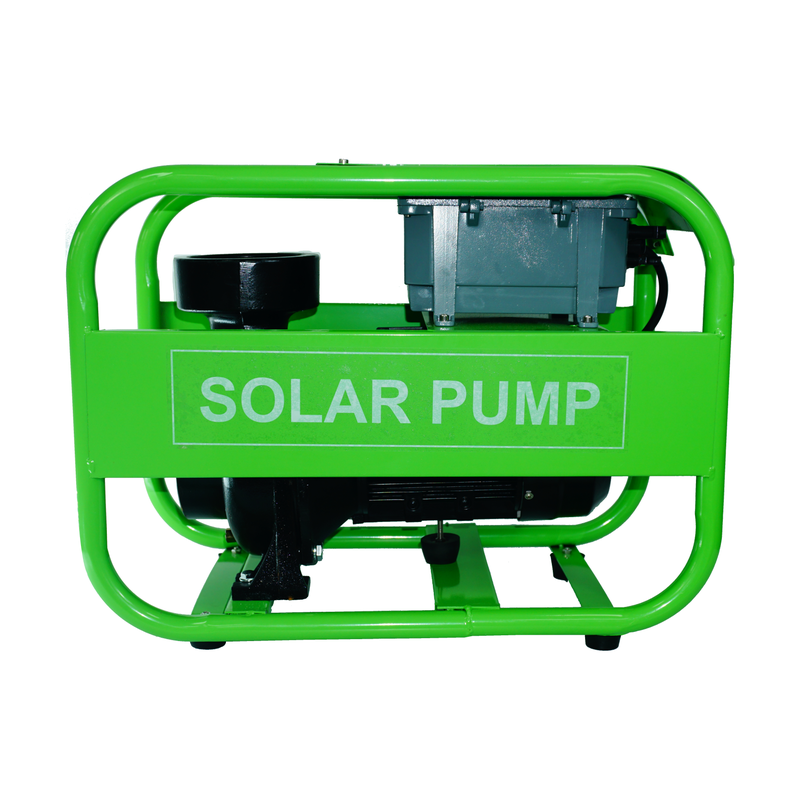
By adopting solar-driven technology, businesses and organizations are not only reducing operational expenses but also contributing to environmental sustainability. This combination of economic and ecological benefits makes the solar pump an essential choice for those seeking dependable water management in modern applications.
What Is a Solar Pump and How Does It Work?
Understanding the Basic Concept
A solar pump is a pumping system powered by solar energy. Instead of relying on grid electricity or diesel fuel, it uses photovoltaic (PV) panels to capture sunlight and convert it into electricity. This electricity drives the motor that powers the pump, ensuring continuous operation as long as there is daylight. By eliminating the need for conventional energy sources, the system offers a cleaner and more independent way to manage water supply.
Core Components of a Solar Water Pump
A solar water pump typically consists of several key parts:
Solar panels that absorb sunlight and generate DC electricity.
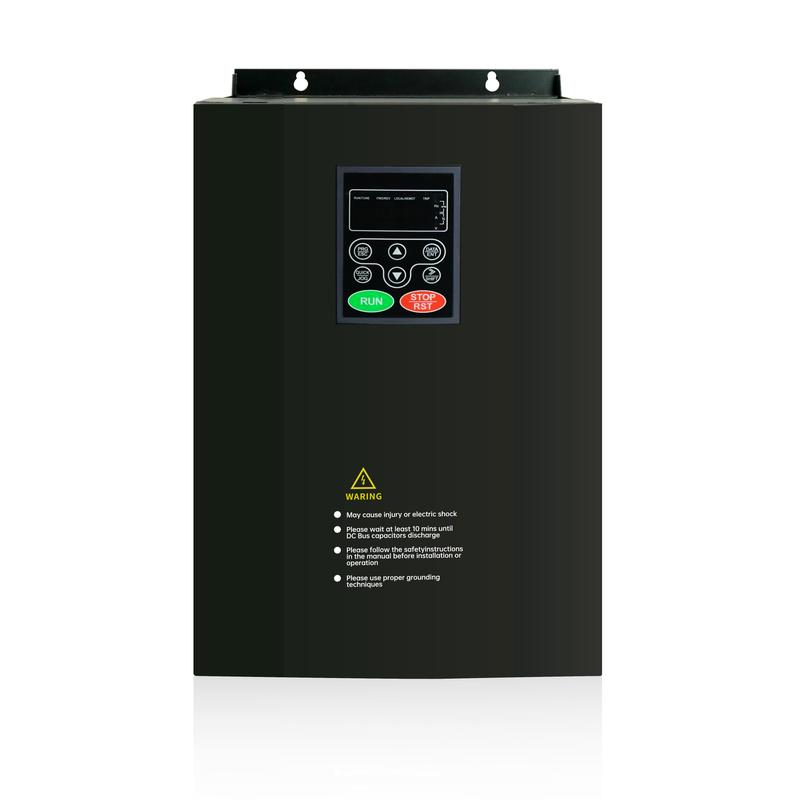
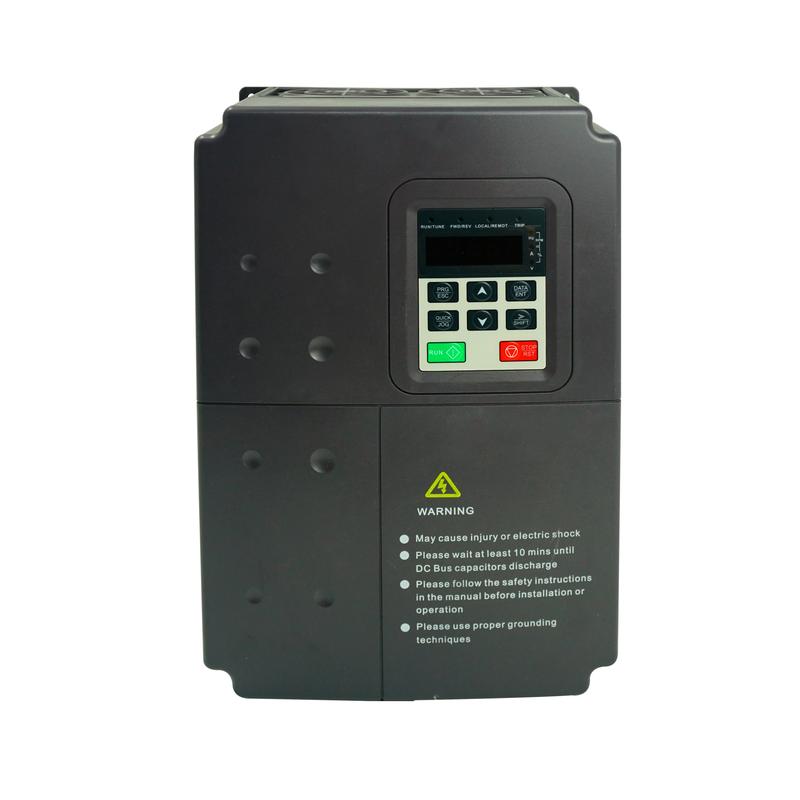
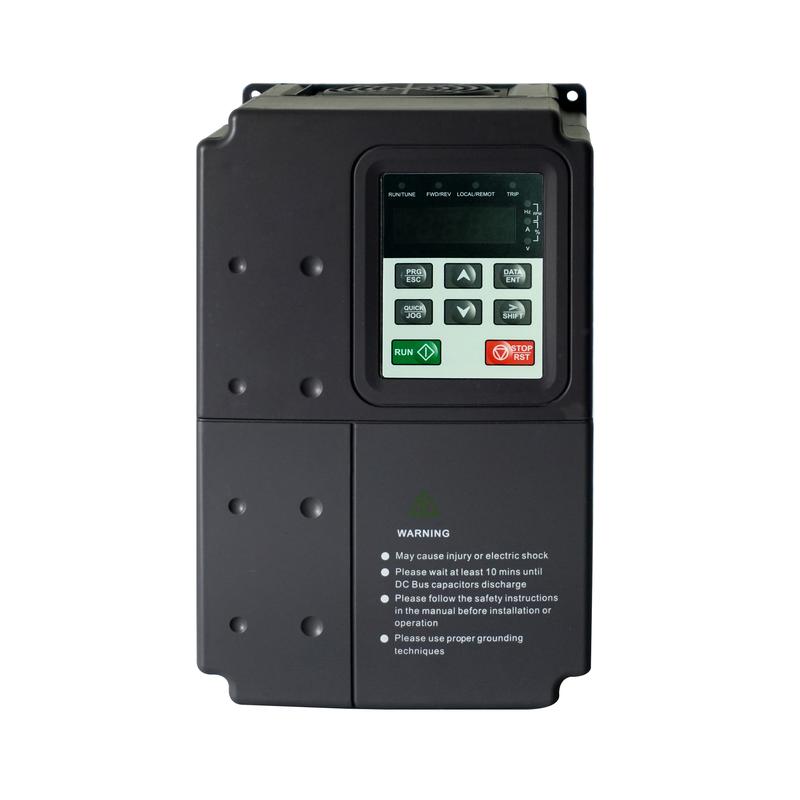
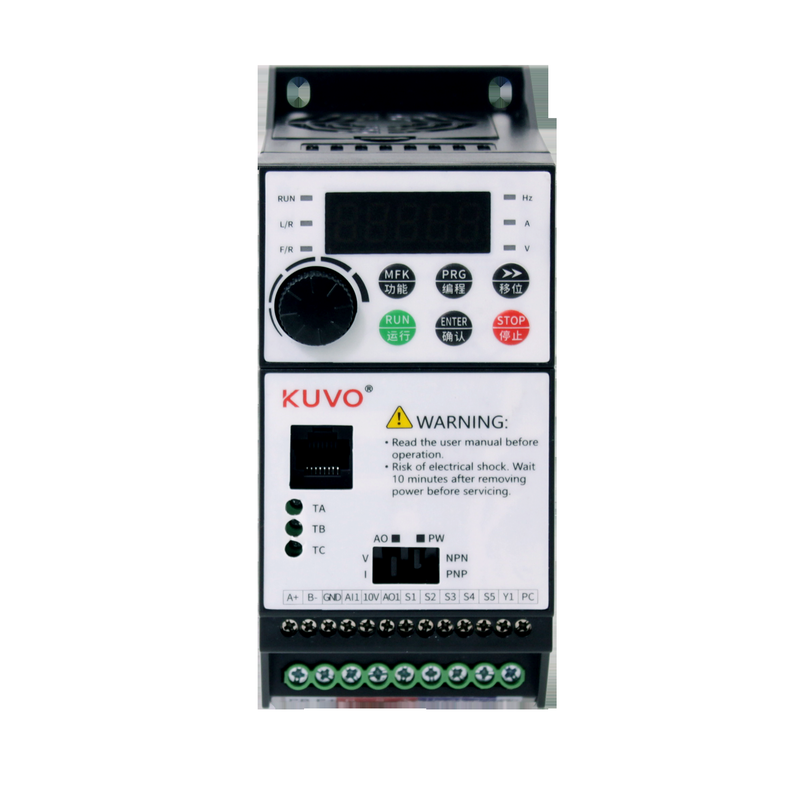
Controller or inverter that regulates voltage and converts DC to AC if needed.
Pump unit (submersible or surface type) that moves water from wells, rivers, or reservoirs to the point of use.
Storage system such as tanks or batteries (optional), which ensures water availability even when sunlight is limited.
Each component works together to guarantee efficiency, stability, and minimal downtime.
Working Principle in Different Applications
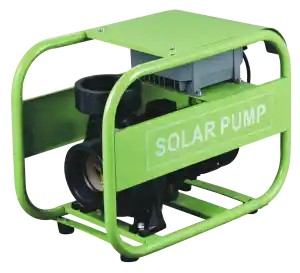
The solar-powered pump can function in different ways depending on the type:
Submersible pumps are placed underwater and are ideal for deep wells or boreholes.
Surface pumps are installed above ground and are suitable for shallow water sources like rivers, ponds, or tanks.
Both types adjust automatically to the available solar energy, making them adaptable to varying sunlight conditions.
By integrating renewable energy with proven pumping technology, a solar pump provides an effective balance between performance and sustainability.
Why Is a Solar Water Pump a Reliable Solution for Modern Applications?
Consistent Water Supply in Remote Areas
A solar water pump ensures a stable water supply even in locations where grid electricity is unreliable or unavailable. Since it directly uses solar energy, there is no need to depend on costly fuel or unstable power lines. This makes it highly effective for agriculture, rural communities, and industrial operations that require continuous access to water.
Durability and Low Maintenance
Unlike traditional systems with complex moving parts or heavy reliance on fuel engines, a solar-powered pump has fewer mechanical components exposed to wear and tear. The pumps are designed to handle tough outdoor conditions, while the solar panels require minimal upkeep beyond periodic cleaning. This durability ensures long-term operation with fewer interruptions.
Adaptability Across Different Applications
From irrigation and livestock watering to water treatment plants and commercial facilities, the solar water pump adapts to a wide range of modern needs. Submersible models are suited for deep wells, while surface pumps are efficient for shallow sources. This flexibility allows businesses to select the right solution according to the depth, volume, and quality of the water source.
Dependability Backed by Technology
Advanced control systems protect the pump against overvoltage, overheating, and dry running, which significantly increases reliability. Modern solar-powered pumps can also be combined with storage tanks to ensure uninterrupted supply even during cloudy weather. These built-in protections and smart features give businesses the confidence that their water systems will remain reliable for years to come.
How Can a Solar-Powered Pump Help Reduce Energy and Maintenance Costs?
Significant Savings on Energy Bills
One of the biggest advantages of a solar-powered pump is its ability to cut down on electricity or fuel expenses. By harnessing free solar energy, businesses avoid the rising costs of diesel or grid power. Over time, the reduction in monthly energy bills offsets the initial investment, making solar pumps highly cost-effective.
Reduced Dependence on Fossil Fuels
Conventional pumping systems often rely on diesel generators, which not only consume fuel but also create additional costs for storage and transportation. A solar water pump removes this dependency, offering an energy source that is clean, renewable, and always available during daylight hours. This not only saves money but also reduces exposure to fluctuating fuel prices.
Lower Maintenance Requirements
Traditional pumps powered by fuel engines require regular oil changes, filter replacements, and mechanical servicing. In contrast, a solar pump has fewer moving parts and no combustion system, which minimizes wear and tear. Routine maintenance usually involves cleaning solar panels and checking electrical connections, which is simple and inexpensive.
Long-Term Return on Investment
While the upfront cost of a solar-powered pump can be higher than traditional systems, the savings on energy and maintenance quickly justify the expense. Many installations achieve a full payback within a few years, after which the system provides virtually free pumping for its entire lifespan. This long-term return makes it a smart investment for sustainable water management.
What Factors Should Be Considered When Choosing the Right Solar Pump?
Water Source Depth and Type
The first step in selecting a solar pump is to evaluate the water source.
Deep wells or boreholes usually require a solar submersible pump, which can operate effectively at greater depths.
Shallow sources such as rivers, ponds, or storage tanks are better suited for surface pumps, which can deliver steady water flow without the need for deep installation.
Understanding the source ensures that the pump chosen can provide sufficient pressure and volume.
Required Water Volume and Flow Rate
Different applications demand different flow capacities. For instance:
Agriculture irrigation may require a higher flow rate to cover large fields.
Livestock watering or small community supply may only need moderate flow.
Calculating the daily water demand helps determine the right pump size and panel capacity to ensure consistent supply.
Solar Energy Availability
Since a solar-powered pump depends on sunlight, it is important to consider the average solar radiation in the location. Areas with strong sunlight can support larger-scale pumping operations, while regions with lower solar exposure may require more efficient panels or additional storage capacity to ensure reliability.
System Durability and Protection Features
When investing in a solar water pump, it is wise to look for systems equipped with:
Overload and overheating protection.
Dry-running safeguards to prevent damage when water levels are low.
Corrosion-resistant materials for long service life.
These built-in protections not only extend equipment lifespan but also reduce maintenance costs.
Matching Pump Model to Application
For practical selection, matching the correct product model is essential:
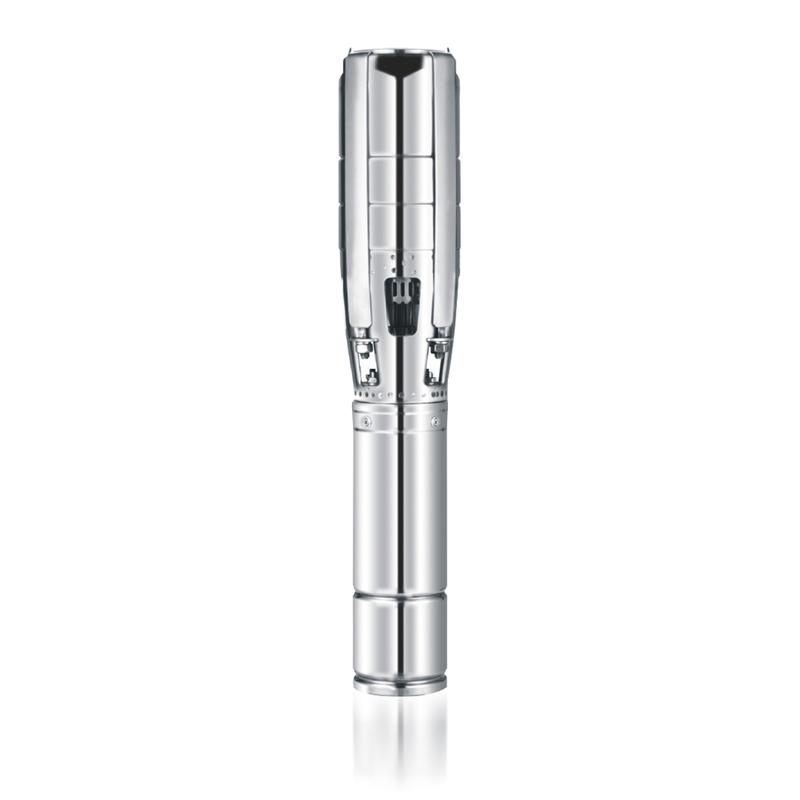
JDS solar submersible pump – ideal for deep wells and groundwater extraction.
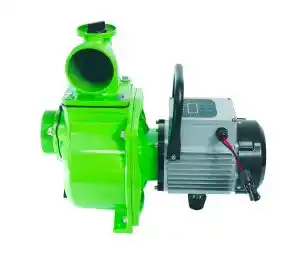
DHF Surface pump – suitable for shallow water applications like rivers, tanks, or ponds.
By aligning the pump model with the specific water source and usage scenario, businesses can achieve optimal performance and cost efficiency.
Which Solar Pump Models Can Meet Different Application Needs?
Submersible Solutions for Deep Wells
For regions where water sources are located underground, the JDS solar submersible pump provides a dependable solution. It is designed to deliver water efficiently from deep wells and boreholes, ensuring stable pressure and continuous supply. Its compact design and ability to operate directly from solar energy make it highly efficient in remote or off-grid environments.
Surface Pumps for Shallow Applications
In scenarios where the water source is closer to the ground level, such as rivers, ponds, or reservoirs, the DHF Surface pump is an ideal option. It can provide a consistent flow rate without the need for deep installation, making it practical for irrigation, livestock watering, or community distribution. With easy installation and maintenance, it helps reduce downtime and operating costs.
Adaptability Across Sectors
Both submersible and surface models are versatile enough to serve multiple industries:
Agriculture – for field irrigation and crop support.
Community water supply – ensuring reliable drinking and utility water.
Commercial and industrial use – offering efficient pumping solutions with reduced operating expenses.
Reliable Brand Support
Choosing the right product is not just about technology but also about reliable manufacturer support. Brands like LCGK provide specialized models such as the JDS solar submersible pump and DHF Surface pump, which are engineered to meet diverse operational needs. With proven performance, durability, and ongoing technical support, LCGK VFD solar pump solutions are built to deliver long-term value.
Conclusion
The adoption of a solar pump represents more than just a shift to renewable energy—it reflects a practical, long-term solution for sustainable water management. By relying on solar energy, these systems reduce dependency on traditional fuels, cut down operational expenses, and ensure consistent water supply even in remote or off-grid locations.
A solar water pump provides reliability, low maintenance, and adaptability across applications ranging from agriculture to industrial use. With both submersible and surface pump options available, businesses can select models that perfectly match their water source and daily requirements.
As the need for efficient and environmentally friendly solutions continues to grow, investing in trusted products becomes essential. Brands like LCGK, with models such as the JDS solar submersible pump and the DHF Surface pump, deliver proven performance and long-term value, making them an excellent choice for modern operations.
 English
  French
  Arabic
  German
  Portuguese
  Spanish
  Italian
  Polish
  Russian
  Indonesian
  Turkish
  Bulgarian
  Dutch
Dutch  Japanese
  Korean
  Czech
Czech  Danish
  Greek
Greek  Estonian
  Finnish
  Hungarian
  Lithuanian
  Latvian
  Romanian
  Slovak
  Slovenian
  Swedish
  Ukrainian
  Chinese