
In an era where sustainable water management and energy efficiency are top priorities, solar pump systems are gaining momentum as a powerful solution across various industries. Whether you’re supplying water to remote agricultural fields, livestock areas, or infrastructure systems far from the electrical grid, integrating solar technology into your water delivery system can significantly reduce energy dependency and operational costs.
A solar water pump, also known as a solar-powered pump, harnesses energy from the sun to drive water pumping operations—offering a clean, renewable, and low-maintenance alternative to traditional electric or fuel-based pumps. With advancements in solar controller technology, motor efficiency, and panel integration, these systems are now more reliable and adaptable than ever before.
This article explores the key aspects of solar pump systems: how they work, where they’re used, and how to choose the right type for your needs. From submersible models designed for deep wells to surface-mounted pumps optimized for irrigation canals, we’ll guide you through the advantages of switching to solar—and why it may be the smartest decision for long-term water infrastructure development.

What Is a Solar Pump and How Does It Work in Modern Water Systems?
Understanding the Basics of Solar Pump Technology
A solar pump is a type of water pumping system powered entirely by solar energy. Instead of relying on grid electricity or diesel generators, it uses photovoltaic (PV) solar panels to convert sunlight into electrical power. This energy then drives a motor, which operates a mechanical pump to draw water from a source—whether it’s a deep underground well, a river, or a reservoir.
The system typically includes three major components:
Solar panels: Capture sunlight and convert it into direct current (DC) electricity.
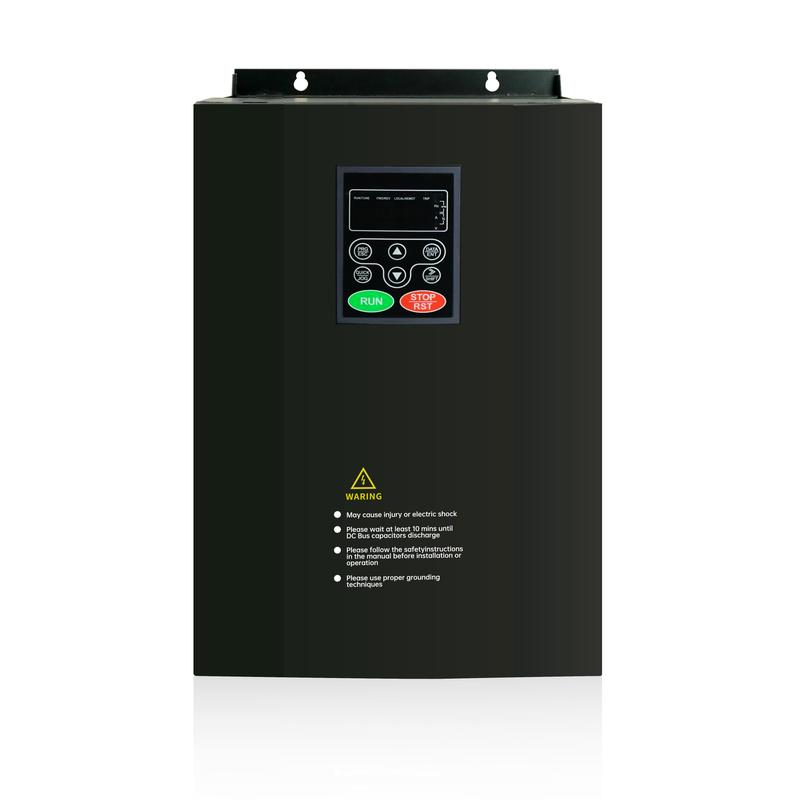
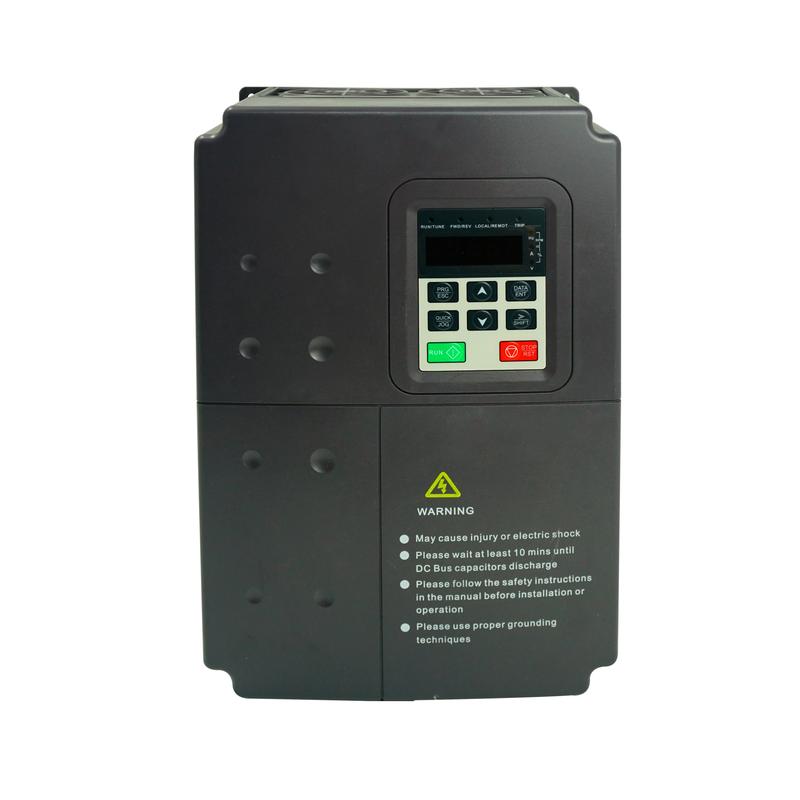
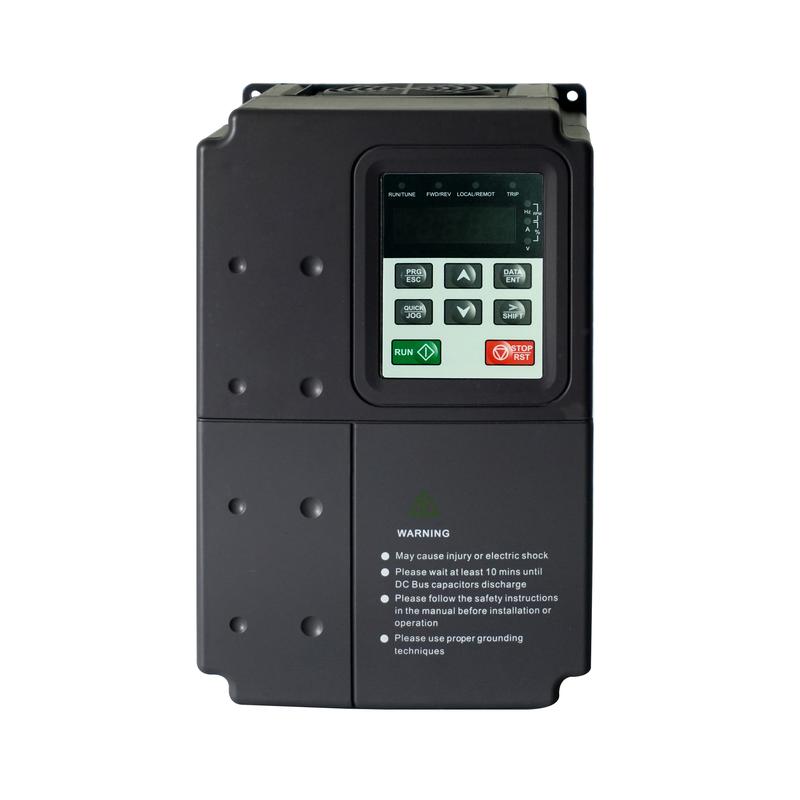
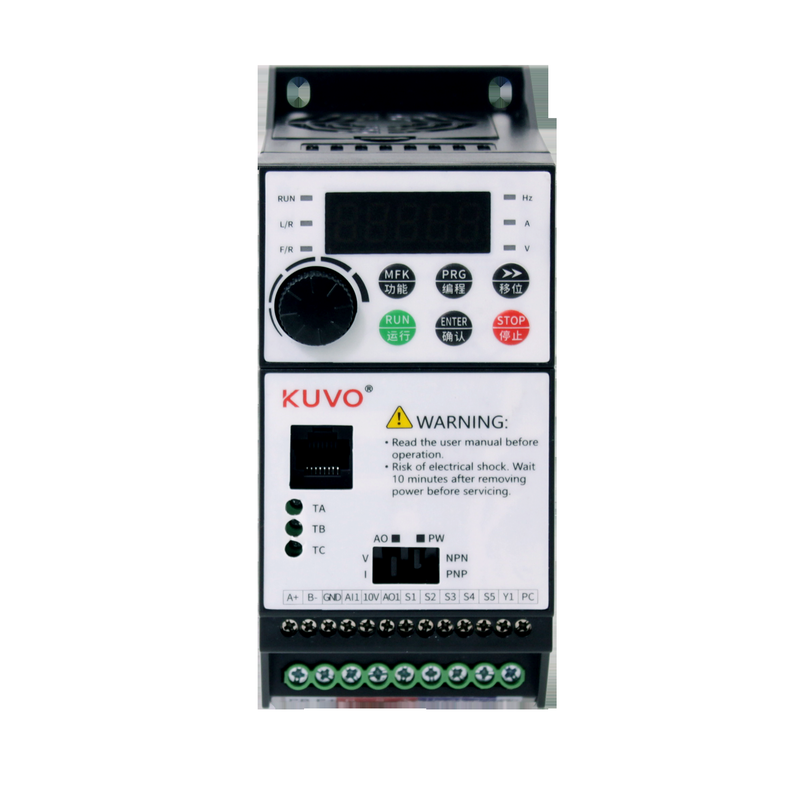
Pump controller or inverter: Regulates voltage and current to match the pump’s needs, sometimes offering smart features like MPPT (Maximum Power Point Tracking).
Water pump: The mechanical unit that moves water—either submerged in water (submersible type) or positioned above ground (surface type).
How Does the Pump Operate Throughout the Day?
The operation of a solar-powered pump depends on sunlight intensity. Most systems begin working as soon as sunlight reaches a minimum threshold in the morning, ramping up their performance through midday, and gradually decreasing output by evening. Advanced controllers can regulate speed to prevent dry runs or overloads, ensuring consistent water delivery and equipment protection.
Applications in Modern Water Systems
Solar pumps are increasingly used in:
Agricultural irrigation
Drip and sprinkler systems
Livestock watering
Village or community water supply
Remote site construction or civil infrastructure
The growing reliability of solar water pumps makes them ideal for off-grid locations, enabling decentralized water access with minimal maintenance and zero fuel costs.
In the following sections, we’ll explore how this technology specifically enhances efficiency and reduces operational burdens in agricultural and industrial use cases.
How Do Solar Water Pumps Improve Efficiency in Agriculture and Irrigation?
Meeting Water Needs Without Power Grid Constraints
In agriculture, access to reliable water sources can make or break seasonal yields. Traditional electric or diesel-powered pumps often face challenges such as fuel shortages, unstable voltage, or rising energy costs. A solar water pump, by contrast, provides consistent irrigation capability without depending on fossil fuels or grid infrastructure. Farmers can pump water as long as there is sunlight—making it particularly valuable in regions with abundant solar radiation.
Supporting Precision Irrigation Methods
Solar pumps are highly compatible with modern precision irrigation techniques like:
Drip irrigation: Delivering water directly to root zones, reducing waste.
Sprinkler systems: Covering wide fields with uniform water distribution.
Timed delivery cycles: Enabled by pump controllers and battery backup systems.
This level of control minimizes water loss, boosts crop quality, and reduces human labor—leading to better operational efficiency and cost-effectiveness.
Economic Advantages Over Time
Although the initial investment in a solar-powered pump may be higher than a basic diesel alternative, long-term savings are substantial:
No ongoing fuel expenses
Low maintenance requirements
Minimal mechanical wear due to soft start/stop cycles
Government incentives or subsidies in some regions
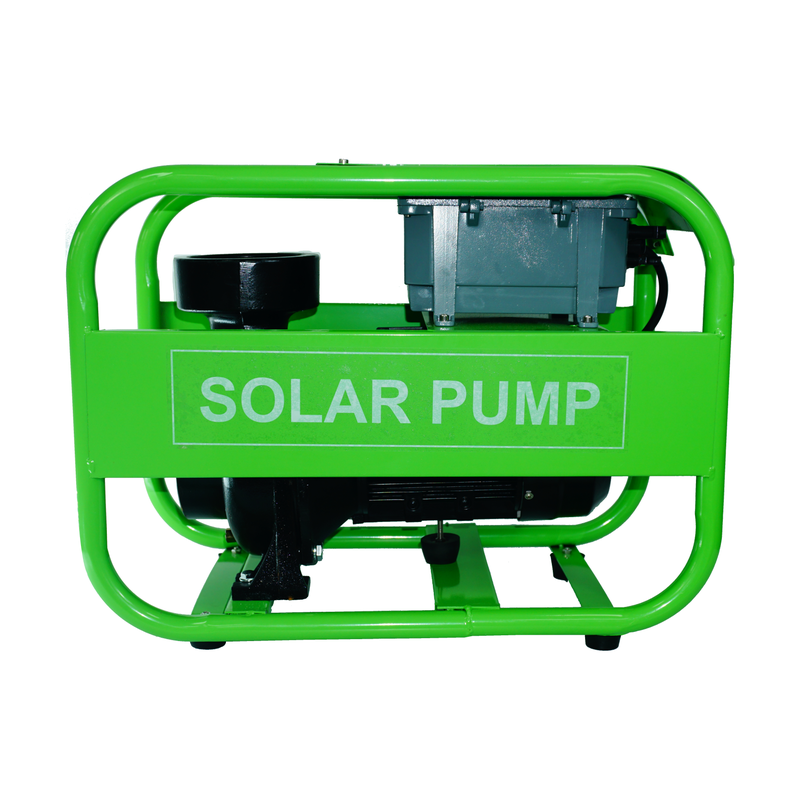
Systems like the DHF surface pump are designed specifically for surface-level irrigation channels, offering high flow rates with stable pressure—ideal for large-scale field coverage in flat terrain.
Resilience to Power Outages and Fuel Price Fluctuations
Solar pumps are especially valuable in areas where electricity is unreliable or unavailable. They offer farmers a dependable solution, regardless of regional grid stability or diesel supply issues—ensuring irrigation continues uninterrupted even during energy crises.

What Are the Key Differences Between Submersible and Surface Solar Pumps?
Submersible Solar Pumps: Ideal for Deep Water Sources
Submersible solar pumps are designed to be installed underwater, typically inside wells or boreholes. They are ideal when the water table is deep—usually more than 10 meters below the surface. These pumps are sealed to prevent water ingress and are highly efficient in lifting water vertically over long distances.
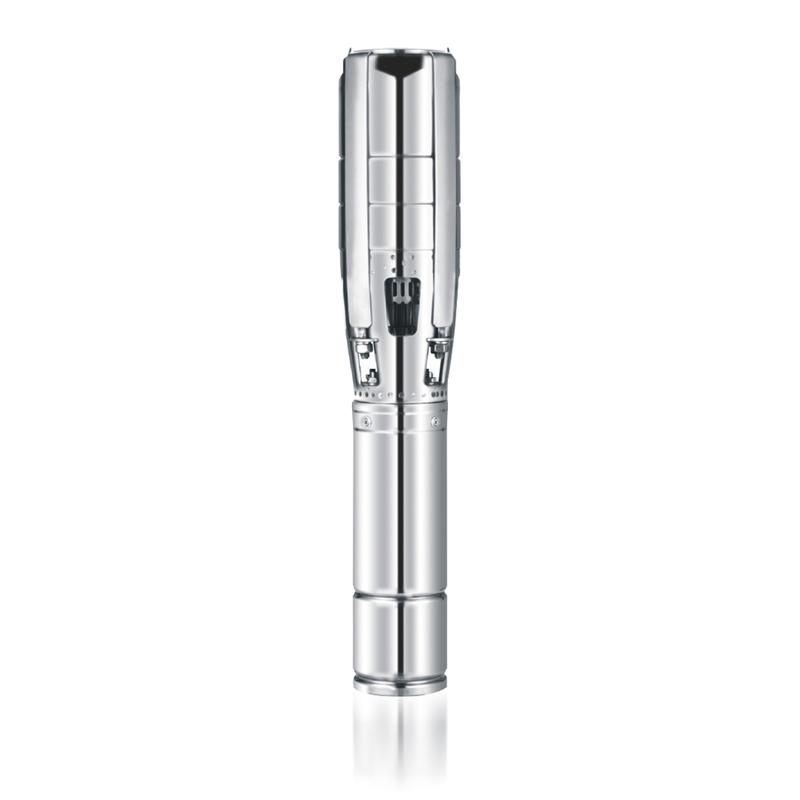
Key characteristics of submersible types like the JDS solar submersible pump include:
High head performance: Suitable for deep wells and boreholes.
Quiet operation: As the pump is submerged, noise levels are minimal.
Low risk of cavitation: The pump is always in contact with water.
They are often used in rural water supply systems, livestock watering, and municipal groundwater projects, where vertical lift and water depth are critical concerns.
Surface Solar Pumps: Efficient for Shallow and Open Water Sources
Surface solar pumps, on the other hand, are installed above ground and are suitable for water sources like ponds, rivers, irrigation canals, or shallow wells. They are easier to install and maintain compared to submersible systems.
Highlights of surface pumps such as the DHF surface pump:
Higher flow rate capacity: Ideal for irrigation channels and tank refilling.
Simple maintenance: All components are accessible above ground.
Lower installation costs: No need for deep well drilling.
However, surface pumps are limited by suction depth—typically not exceeding 7–9 meters. They are best suited for open, shallow water sources or systems with minimal vertical lift requirements.
Choosing the Right Type Based on Application
The decision between submersible and surface solar pumps depends on several factors:
Depth of the water source
Required flow rate
Installation environment
Maintenance accessibility
By selecting the correct type, users can maximize efficiency, reduce energy loss, and extend the lifespan of the pump system.
How to Select the Right Solar-Powered Pump for Your Operational Needs?
Evaluate Your Water Source: Depth and Type
The first step in choosing a solar-powered pump is understanding your water source:
For deep wells or boreholes, where water lies more than 10 meters below the surface, a JDS solar submersible pump is the appropriate choice.
For open water sources like ponds, tanks, or shallow canals, a DHF surface pump offers higher flow rates and easier maintenance.
Properly matching pump type to source depth is essential to avoid underperformance or mechanical failure.
Determine Flow Rate and Head Requirements
Flow rate (liters per minute or cubic meters per hour) and total dynamic head (the vertical and horizontal distance the water must be pumped) are crucial technical parameters. These values dictate:
Pump motor size
Solar panel wattage
Controller settings and inverter type
Selecting a pump without understanding these specifications can lead to inadequate output or system overload.
Consider Sunlight Availability and Panel Sizing
The efficiency of a solar pump is directly related to solar exposure. Areas with high average daily sunlight can support higher-capacity systems with fewer panels, while low-sunlight regions may need larger solar arrays.
Using MPPT-enabled controllers can also help optimize performance throughout varying daylight conditions, especially during mornings or cloudy days.
Look for Smart Features and Protections
Modern solar pumping systems offer integrated features such as:
Dry run protection
Overload and over-voltage protection
Soft start technology
Remote monitoring capabilities
These features enhance durability and reduce the need for manual intervention, which is valuable in remote or unmanned installations.
Prioritize Quality Components and Proven Brands
When selecting a solar pump, don’t overlook build quality. Inferior materials can corrode, leak, or fail under pressure. Opt for pumps with:
Corrosion-resistant bodies (e.g., stainless steel or reinforced thermoplastics)
Brushless DC motors or high-efficiency AC motors
Reliable solar panel and controller integration
Systems like those offered by LCGK have undergone extensive field testing in challenging environments, making them a reliable long-term investment.
What Long-Term Benefits Can You Expect from a High-Quality Solar Pump System?
Significant Energy and Cost Savings Over Time
One of the most compelling advantages of a solar pump is its long-term cost efficiency. Unlike traditional electric or diesel-powered systems that incur ongoing fuel or utility bills, a solar-powered pump harnesses free energy from the sun—dramatically reducing operational expenses year after year.
Once installed, the system:
Requires minimal recurring costs
Operates independently of fluctuating fuel prices
Pays back its initial investment typically within 2–4 years, depending on usage
For organizations managing large-scale water infrastructure, this translates into substantial budget relief and predictable operating costs.
Low Maintenance and High Durability
Thanks to fewer moving parts and soft-start technology, solar water pumps tend to experience less wear and tear compared to conventional pumps. High-quality models, such as the JDS solar submersible pump and DHF surface pump, are built with corrosion-resistant materials and sealed motors—extending their service life even in harsh environments.
Additional benefits include:
Less mechanical failure
Longer service intervals
Fewer technician visits
This is particularly beneficial for remote installations, where frequent repairs are costly and inconvenient.
Environmental Sustainability and Regulatory Compliance
Solar pumping systems support environmental goals by reducing carbon emissions, fuel spills, and noise pollution. Many government and agricultural funding programs favor eco-friendly technologies, making solar pumps a future-proof solution aligned with international sustainability standards.
Solar pumps also help meet environmental compliance standards in agriculture, construction, and community development—especially in areas facing water scarcity or emissions restrictions.
Scalability and Future Readiness
As needs grow, many solar pump systems can be scaled with ease:
Add more solar panels to increase output
Upgrade controllers for smarter performance
Integrate IoT-based monitoring to enable remote diagnostics
This scalability ensures that early investments don’t become obsolete as demands evolve.
Boosting Community Access and Infrastructure Resilience
Beyond commercial efficiency, solar pumps enable reliable water supply in underserved areas. Whether used in villages, farms, or isolated industrial sites, they offer water independence from unstable grid power—improving quality of life and system resilience.

Conclusion
Whether you’re designing a new water infrastructure system or upgrading outdated pumping methods, solar pump technology offers unmatched long-term value. By choosing the right system type—be it the JDS solar submersible pump for deep wells or the DHF surface pump for irrigation—you ensure not only operational efficiency but also sustainability and reliability for years to come.
LCGK, as a trusted solar pumping solutions provider, delivers durable and high-performance systems tailored to real-world needs across agriculture, industry, and infrastructure.
 English
  French
  Arabic
  German
  Portuguese
  Spanish
  Italian
  Polish
  Russian
  Indonesian
  Turkish
  Bulgarian
  Dutch
Dutch  Japanese
  Korean
  Czech
Czech  Danish
  Greek
Greek  Estonian
  Finnish
  Hungarian
  Lithuanian
  Latvian
  Romanian
  Slovak
  Slovenian
  Swedish
  Ukrainian
  Chinese