
In today’s search for sustainable and efficient water solutions, the solar pump has become a practical choice for modern operations. Traditional pumping systems often rely on diesel generators or unstable grid power, which leads to higher costs, maintenance challenges, and environmental impact. By contrast, a solar-powered pump harnesses renewable energy from the sun, ensuring continuous operation with lower expenses and minimal ecological footprint.
A solar water pump is not just about providing an alternative energy source; it represents a shift toward smarter resource management. It reduces dependency on fossil fuels, guarantees stable water supply even in remote areas, and requires less maintenance compared to conventional systems. From agriculture and livestock watering to community water distribution and industrial use, solar pumps are proving to be both reliable and cost-effective.
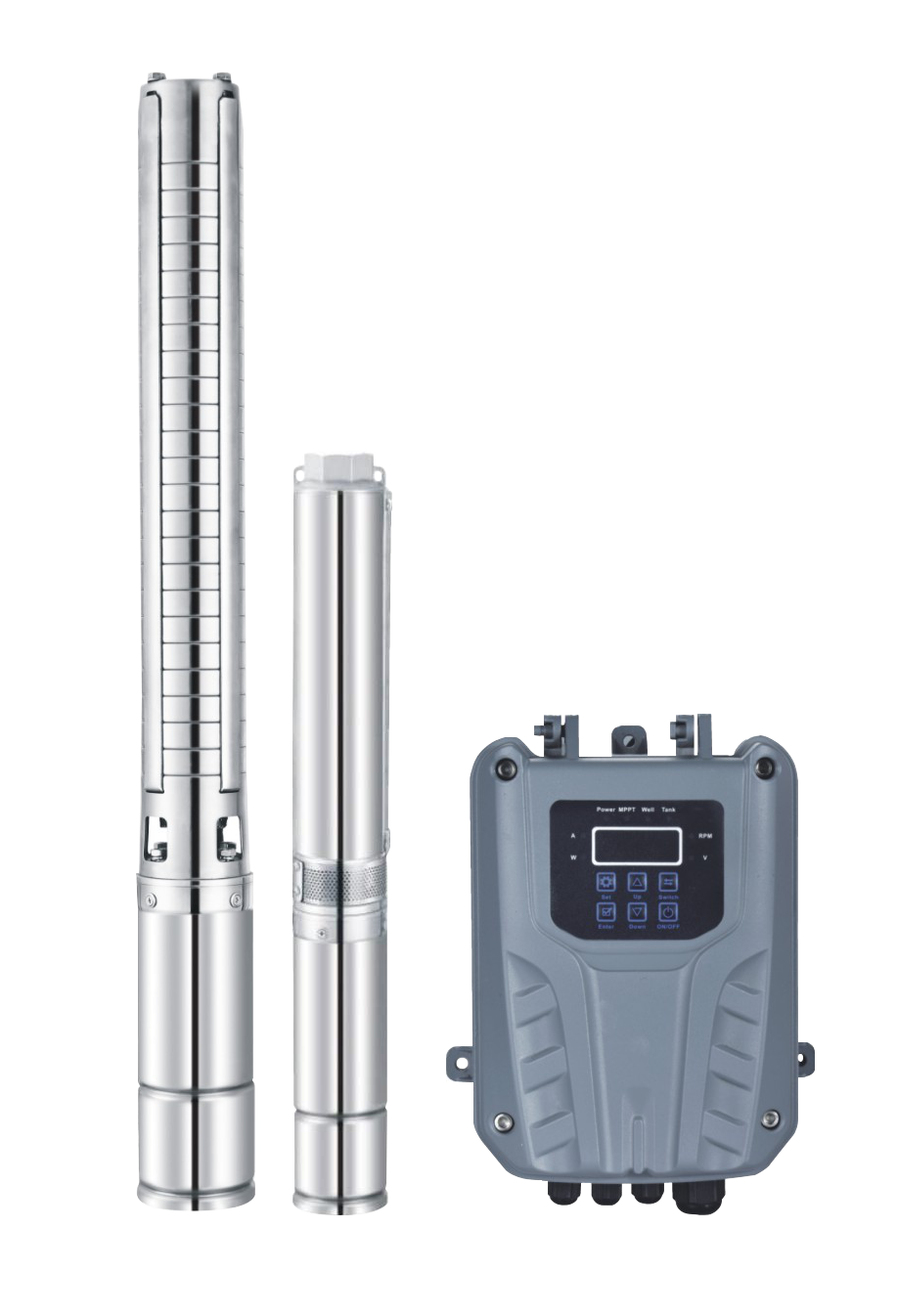
In the following sections, we will explore what a solar pump is, why it matters for long-term performance, how it saves energy and costs, its key applications, and the important factors to consider when selecting the right model. By understanding these aspects, you can see why solar pumps—such as JDS solar submersible pump and DHF Surface pump—are increasingly becoming the preferred solution for reliable water management.
What Is a Solar Pump and How Does It Work?
A solar pump is a water pumping system powered by energy from the sun. Instead of depending on grid electricity or diesel fuel, it uses solar panels to capture sunlight and convert it into usable energy for driving the pump motor. This makes the system not only environmentally friendly but also reliable in areas where electricity supply is unstable or costly.
1. Core Components of a Solar Pump
A typical solar water pump system includes three main parts:
Solar panels – Capture sunlight and generate DC electricity.
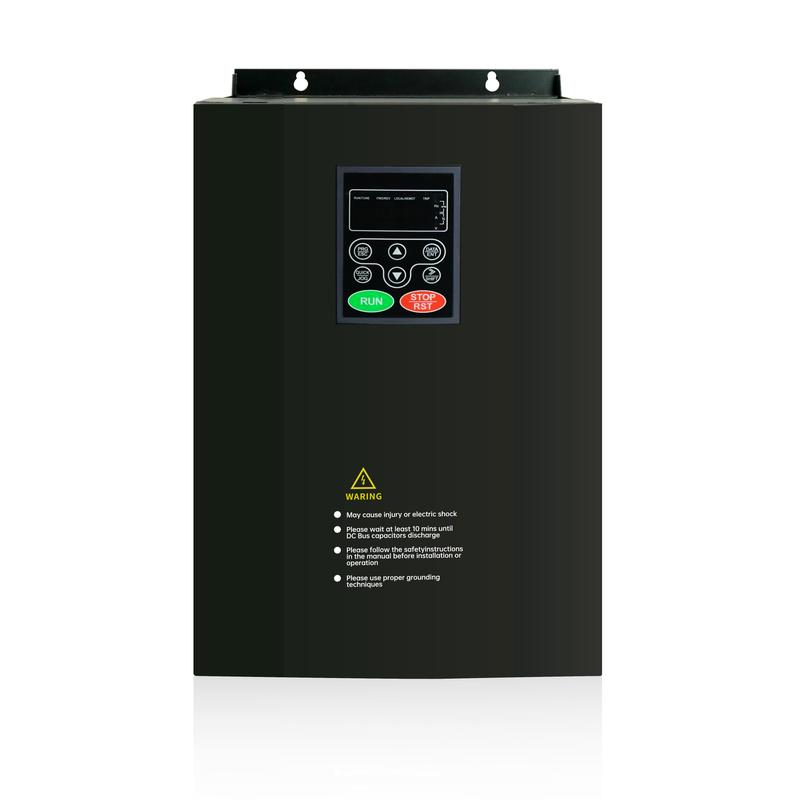
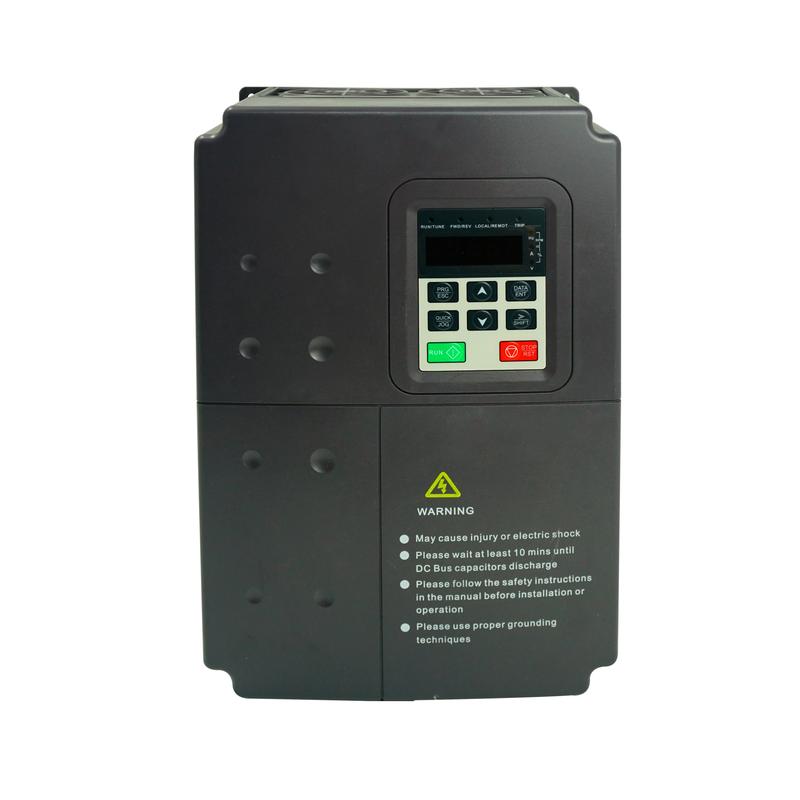
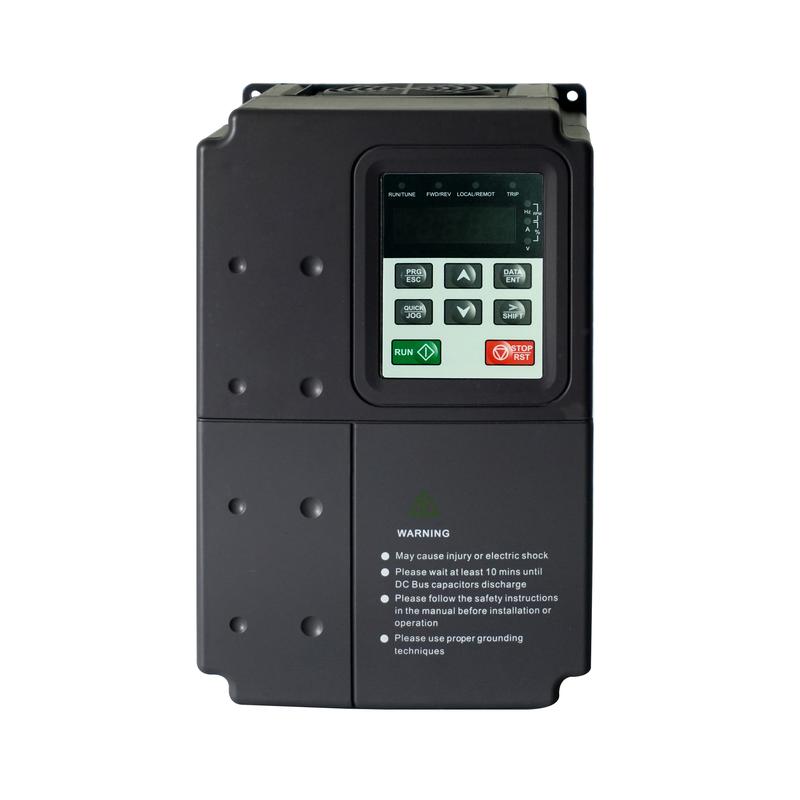
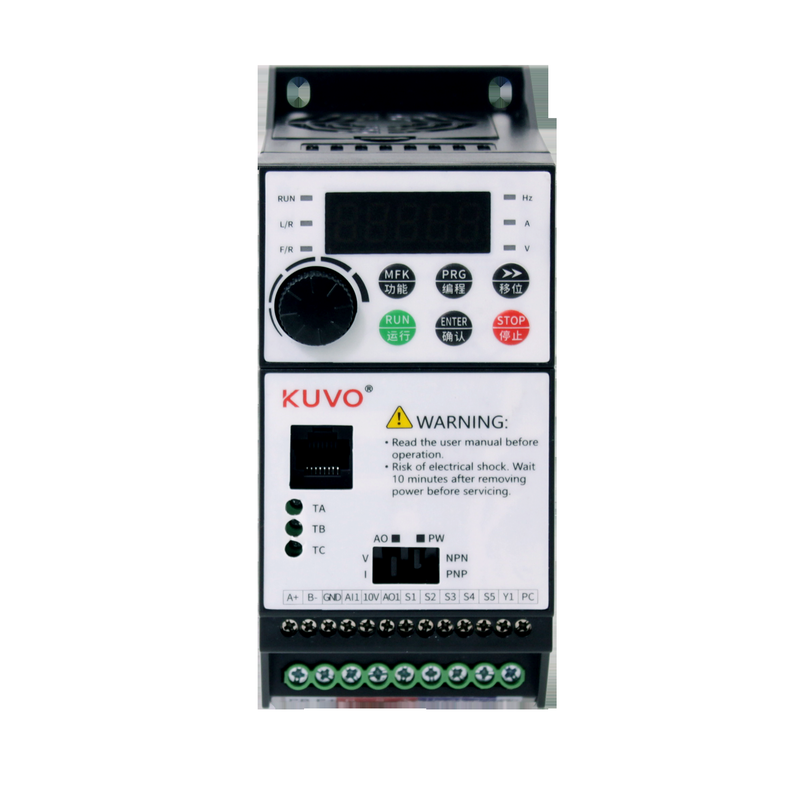
Controller or inverter – Regulates power supply, protecting the pump and ensuring stable performance.
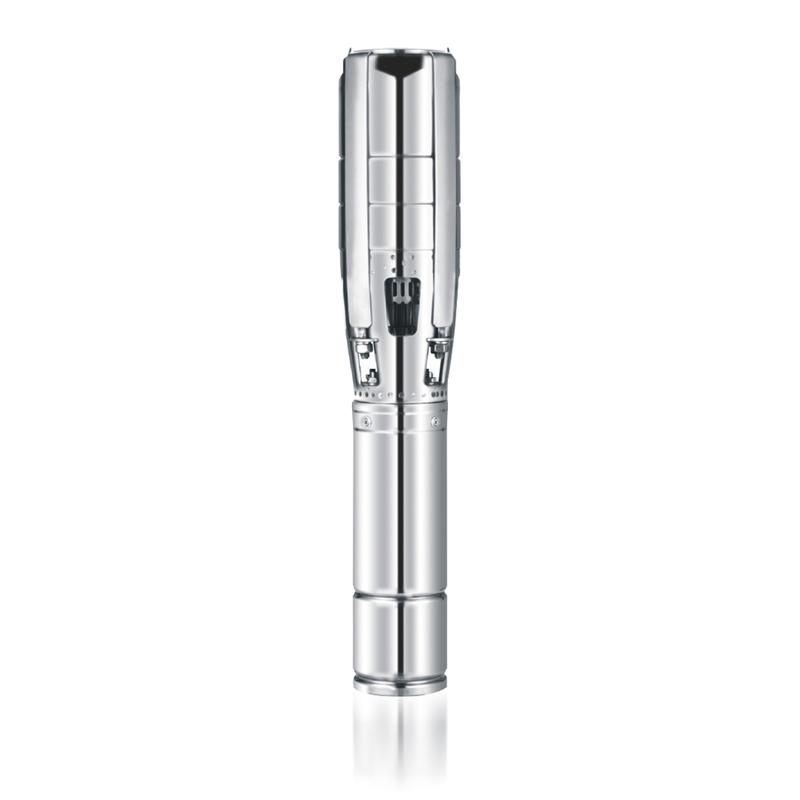
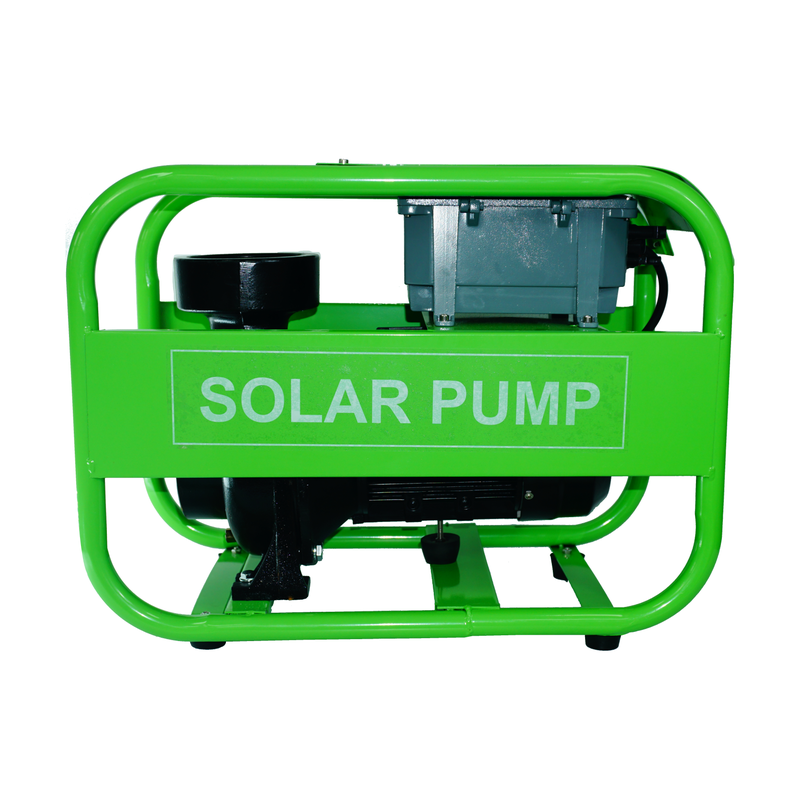
Pump unit – Either a submersible pump for deep wells (e.g., JDS solar submersible pump) or a surface pump for shallow water sources (e.g., DHF Surface pump).
Each part works together to ensure smooth and efficient operation, with the controller adjusting power flow based on sunlight intensity.
2. How the Pump Operates Daily
During daylight hours, the solar panels generate electricity that powers the pump directly. The controller optimizes motor speed to match water demand and available sunlight. In advanced models, the pump can adjust flow automatically, ensuring steady water supply without unnecessary energy consumption.
3. Types of Solar Pumps
Submersible solar pumps: Designed for deep wells or boreholes, capable of delivering water from underground sources.
Surface solar pumps: Ideal for rivers, ponds, or tanks, where the water source is shallow and easily accessible.
By selecting the right type, users can achieve consistent water supply while minimizing operating costs and technical complexity.
Why Should You Consider a Solar Water Pump for Reliable Operations?
Reliability is one of the most important factors when it comes to water pumping systems. A solar water pump offers long-term stability and dependable performance, even in environments where electricity supply or fuel availability is uncertain. This makes it a practical solution for continuous operations.
1. Consistent Water Supply
Unlike grid-powered systems that may suffer from outages or diesel pumps that require constant refueling, a solar-powered pump runs as long as there is sunlight. This ensures that essential tasks such as irrigation, livestock watering, or community water supply are not interrupted, even in remote locations.
2. Lower Maintenance Needs
Solar pumps have fewer moving parts compared to diesel engines or traditional electric pumps. This means reduced wear and tear, fewer breakdowns, and less frequent servicing. For example, a system like the JDS solar submersible pump can operate for long periods with minimal attention, cutting down maintenance costs.
3. Durability in Harsh Environments
Solar pumps are engineered to withstand tough operating conditions such as heat, dust, or fluctuating water levels. The DHF Surface pump, for instance, is built to provide steady output in shallow water sources, ensuring dependable performance even under challenging circumstances.
4. Reduced Dependency on External Resources
When using traditional pumps, operators must rely on fuel deliveries or stable power lines. With solar pumps, water access is directly tied to the availability of sunlight—a resource that is abundant, predictable, and free. This independence makes operations more reliable in the long run.

How Does a Solar-Powered Pump Improve Efficiency and Cost Savings?
Beyond reliable performance, a solar-powered pump is valued for its ability to reduce operating costs and maximize energy efficiency. By harnessing renewable solar energy, it provides both short-term savings and long-term financial benefits.
1. Significant Energy Savings
Traditional pumping systems often consume large amounts of electricity or fuel. In contrast, a solar water pump runs directly on sunlight, eliminating ongoing energy bills. Over time, this results in substantial cost reduction, especially for operations that require continuous pumping.
2. Optimized Motor Control
Advanced solar pumps use smart controllers or inverters to regulate motor speed based on sunlight intensity and water demand. Instead of running at full capacity all the time, the pump adjusts output automatically, improving efficiency and reducing unnecessary wear. This feature is especially valuable in products like the JDS solar submersible pump, which delivers stable output while conserving energy.
3. Long-Term Financial Return
While the initial investment in a solar pumping system may be higher than a conventional pump, the absence of fuel expenses and the reduced maintenance requirements make it more cost-effective over its lifecycle. For example, the DHF Surface pump can operate for years with minimal upkeep, ensuring that the return on investment is both predictable and sustainable.
4. Reduced Carbon Footprint
Although cost savings are a major factor, efficiency also extends to environmental benefits. By avoiding fossil fuel consumption, solar pumps contribute to lower carbon emissions, which aligns with the growing demand for sustainable solutions. This not only saves money but also adds value for organizations aiming to meet environmental standards.
What Applications Can Benefit Most from Solar Pump Technology?
A solar pump is versatile and adaptable, making it suitable for a wide range of industries and operational needs. Its ability to provide reliable water supply without relying on grid power or fuel makes it particularly valuable in demanding environments.
1. Agriculture and Irrigation
One of the largest application areas for solar water pumps is agriculture. Farmers depend on steady water supply for crop irrigation, yet conventional pumps often lead to high fuel expenses or downtime due to power shortages. A JDS solar submersible pump can draw water from deep wells to support large-scale irrigation, ensuring consistent crop yields while keeping costs manageable.
2. Livestock and Aquaculture
Reliable access to clean water is essential for livestock and aquaculture operations. With a solar-powered pump, ranches and fish farms can maintain steady water flow for drinking, cleaning, and pond management. Unlike diesel systems that require regular supervision, solar pumps deliver unattended, low-maintenance performance.
3. Industrial and Commercial Facilities
Industries that require process water, cooling, or cleaning can also benefit from solar pumping systems. A DHF Surface pump, for instance, is suitable for shallow sources and tanks, providing efficient water transfer in facilities where reducing operational expenses is a priority.
4. Community and Remote Water Supply
In rural or off-grid regions, community water distribution is often limited by lack of electricity. Solar pumps provide a sustainable solution by supplying water directly from rivers, wells, or reservoirs. This ensures households, schools, and hospitals have a reliable water source without ongoing utility costs.
5. Environmental and Sustainable Projects
Beyond immediate economic use, solar pumping is increasingly chosen for sustainable development initiatives. Projects focused on reducing carbon emissions or promoting renewable energy adoption integrate solar pumps as part of eco-friendly infrastructure.
How to Choose the Right Solar Pump for Your Needs?
Selecting the right solar pump is crucial for ensuring efficiency, reliability, and long-term cost savings. Since each project has unique requirements, evaluating the right factors before purchase helps maximize performance.
1. Assess Your Water Source
The depth and type of water source determine which pump is most suitable:
Submersible solar pumps (e.g., JDS solar submersible pump) are ideal for deep wells or boreholes, capable of lifting water from significant depths.
Surface solar pumps (e.g., DHF Surface pump) are better for shallow water sources such as ponds, rivers, or tanks.
Choosing the correct type ensures stable water supply and avoids overloading the system.
2. Consider Water Demand and Flow Rate
Every application—whether for irrigation, livestock, or industrial use—requires a different flow rate. Estimating daily water needs allows you to size the pump correctly, ensuring it meets demand without wasting energy.
3. Match Solar Panel Capacity
A solar water pump performs at its best when paired with the right solar panel system. Under-sizing panels can cause weak performance, while over-sizing increases unnecessary costs. A professional calculation ensures the pump receives consistent power for reliable operation.
4. Look for Durability and Low Maintenance
Since pumps often operate in challenging conditions, selecting a durable model with corrosion resistance and low servicing needs is essential. High-quality pumps reduce long-term downtime and expenses, supporting continuous operations.
5. Evaluate Lifecycle Cost, Not Just Initial Price
While upfront cost is important, the total cost of ownership—including energy savings, maintenance, and lifespan—matters more. Investing in a reliable solar pump from a trusted brand ensures strong performance and predictable returns.
Conclusion
The shift toward renewable energy and efficient water solutions has made the solar pump an essential technology. With advantages in reliability, cost savings, and sustainability, solar-powered systems are increasingly adopted across agriculture, industry, and community projects. By understanding how they work, recognizing their benefits, and choosing the right model, organizations can secure both economic and environmental value.
For dependable solutions, LCGK VFD offers advanced options such as the JDS solar submersible pump for deep wells and the DHF Surface pump for shallow sources—both designed to deliver consistent performance and long-term efficiency.
 English
  French
  Arabic
  German
  Portuguese
  Spanish
  Italian
  Polish
  Russian
  Indonesian
  Turkish
  Bulgarian
  Dutch
Dutch  Japanese
  Korean
  Czech
Czech  Danish
  Greek
Greek  Estonian
  Finnish
  Hungarian
  Lithuanian
  Latvian
  Romanian
  Slovak
  Slovenian
  Swedish
  Ukrainian
  Chinese