
In today’s world of rising energy costs and growing demand for sustainable solutions, the solar pump has become a practical and forward-looking choice for reliable water management. Whether applied in agriculture, livestock watering, or community water supply, a solar water pump provides consistent performance without relying on costly diesel generators or unstable grid electricity. By harnessing sunlight as a clean and renewable energy source, a solar-powered pump not only reduces operating expenses but also ensures long-term efficiency in remote or energy-limited environments.
As industries and communities search for smarter ways to optimize resources, solar pumping systems are gaining recognition for their versatility, durability, and ability to meet different water supply needs. From deep wells to surface applications, modern solar pumps are designed to handle varying capacities while minimizing maintenance and environmental impact. This makes them an attractive solution for anyone aiming to balance reliability, cost-effectiveness, and sustainability in water management.
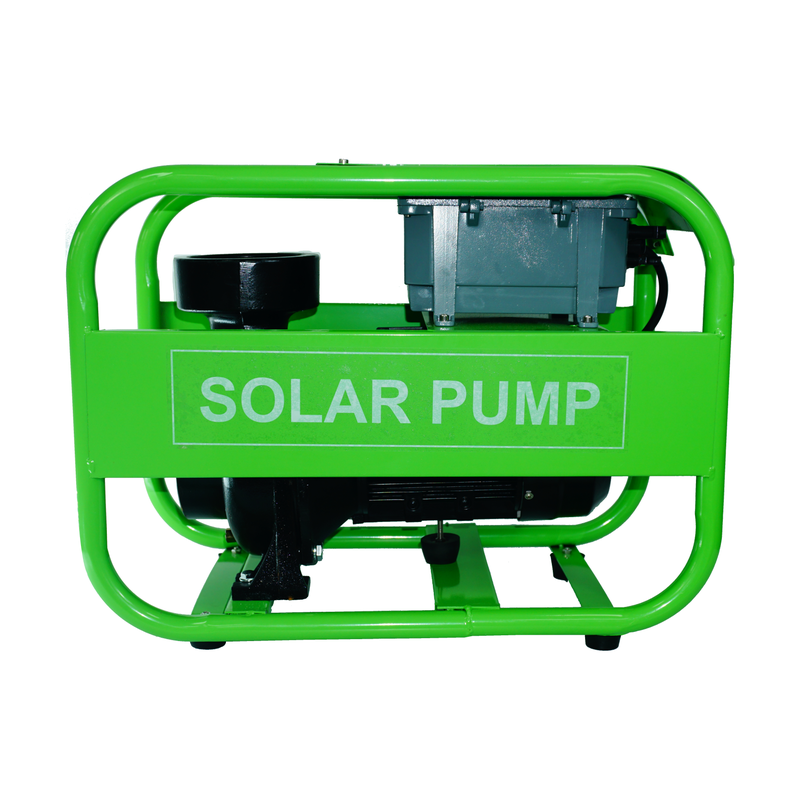
What Is a Solar Pump and How Does It Work?
A solar pump is a water pumping system powered by energy from the sun, designed to replace or complement traditional electricity and fuel-driven pumps. Instead of relying on costly diesel or unstable grid power, it converts sunlight into usable electricity, delivering water reliably and efficiently. This makes it especially valuable in regions where consistent power supply is difficult or expensive.
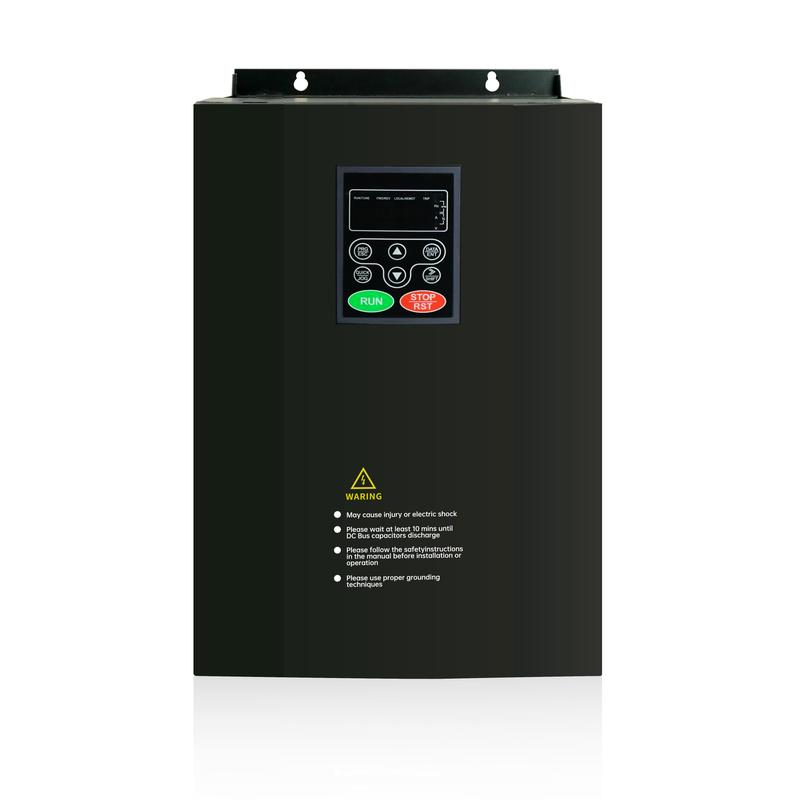
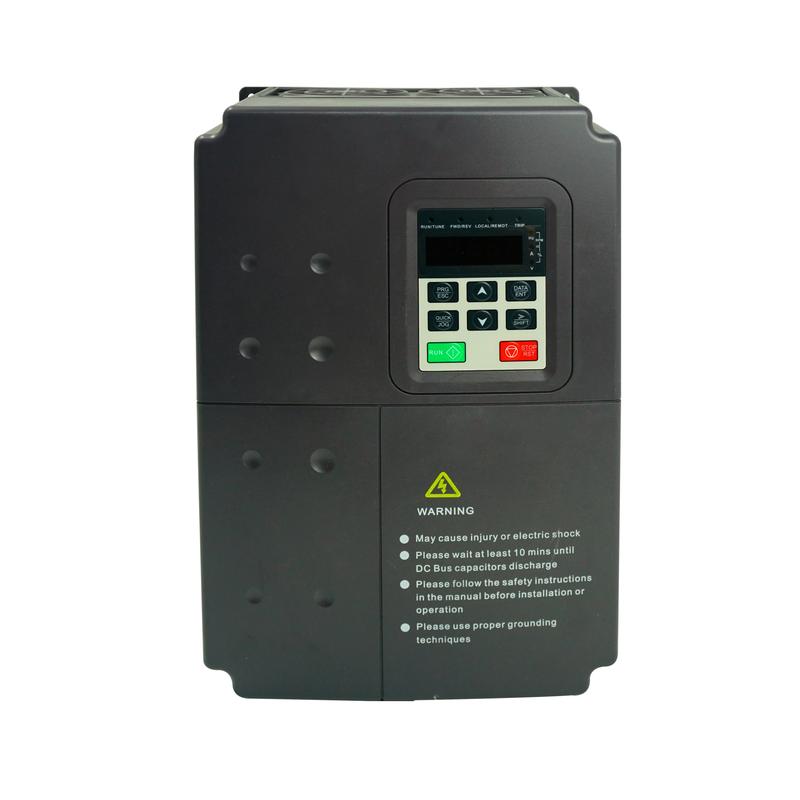
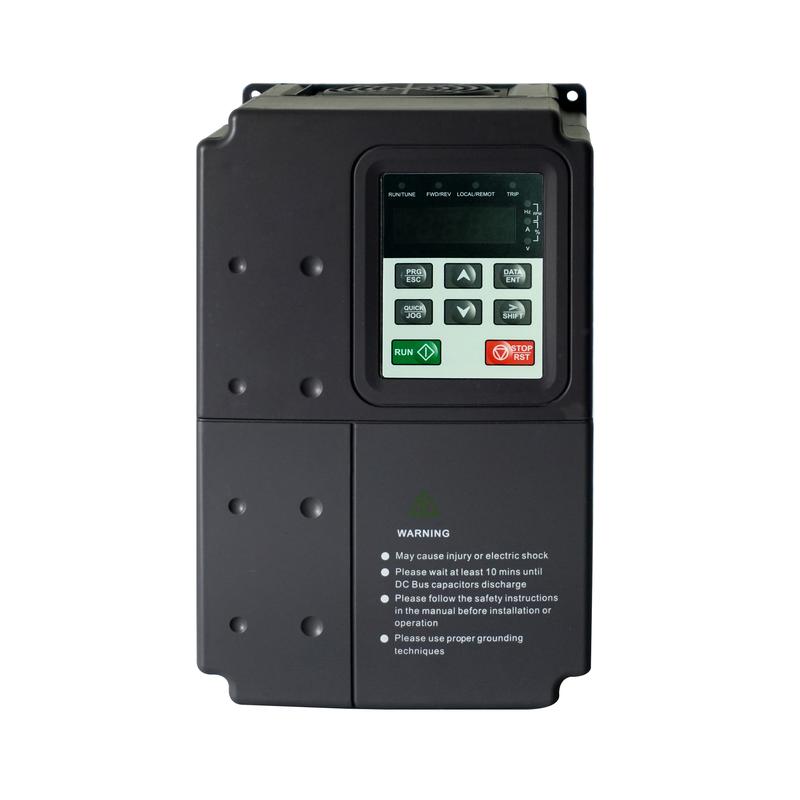
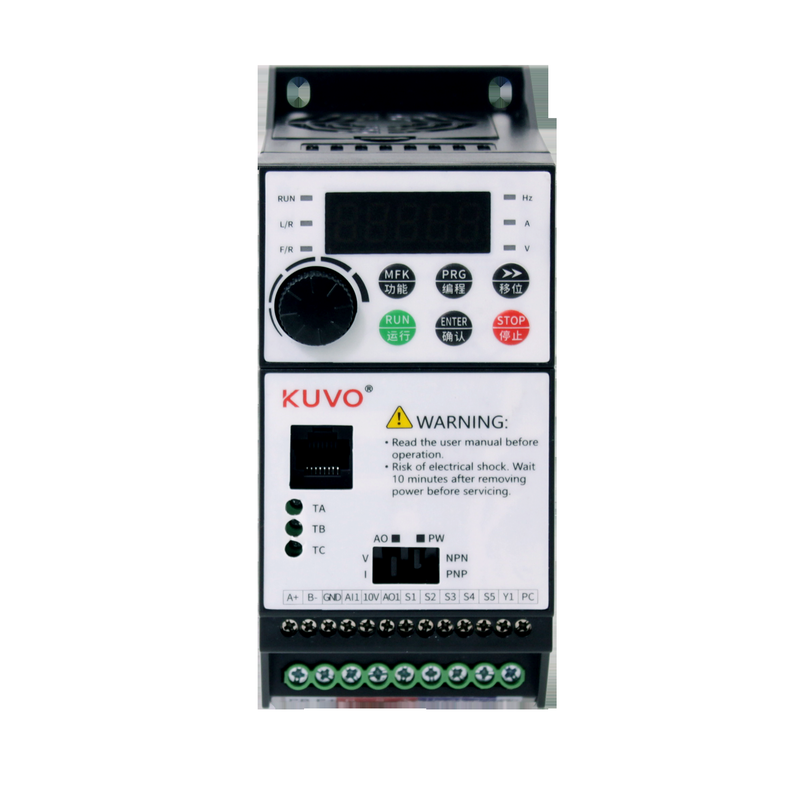
At its core, a solar water pump operates through three main components: photovoltaic (PV) panels, a pump controller, and the water pump itself. The PV panels capture solar radiation and convert it into direct current (DC). The controller then regulates this electricity, protecting the system from fluctuations while optimizing energy use. Finally, the pump—either submersible or surface—transfers water from its source to storage tanks, fields, or pipelines.
There are generally two main categories of solar pumping systems:
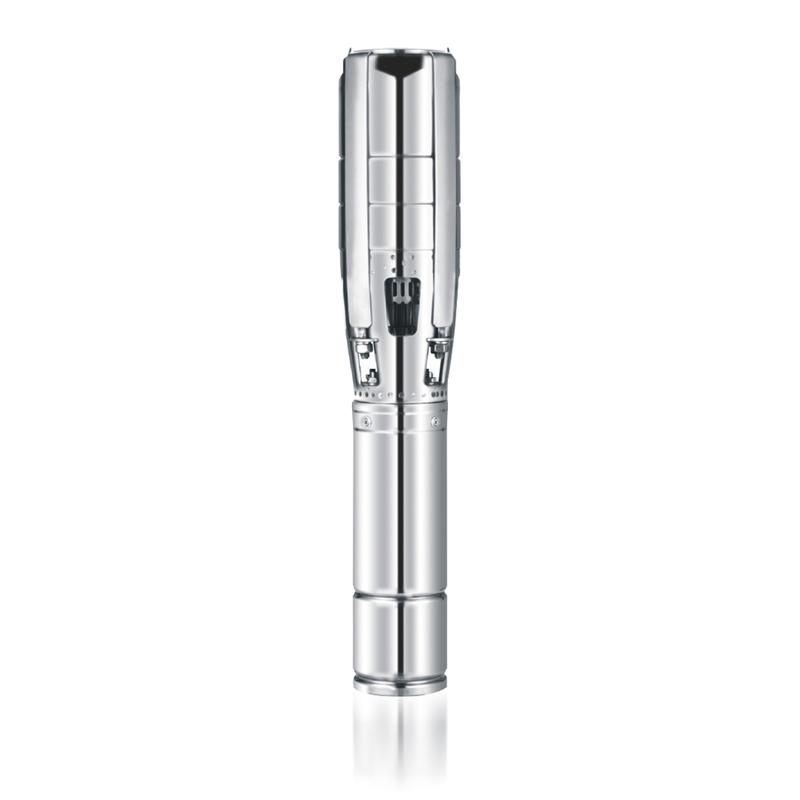
Submersible Pumps: These pumps are installed deep underground and are ideal for extracting water from wells, boreholes, or reservoirs. A model such as the JDS solar submersible pump is designed for durability and high efficiency in continuous operation.
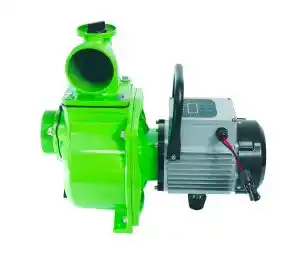
Surface Pumps: Positioned above ground, these pumps draw water from ponds, rivers, or storage tanks. Products like the DHF Surface Pump provide flexible solutions for irrigation and surface-level water needs.
A solar-powered pump is more than just a pump—it is a complete system that intelligently adapts to sunlight availability. Advanced controllers adjust pump speed according to solar input, ensuring that water supply is steady throughout the day while reducing energy waste. This not only improves efficiency but also extends the lifespan of the entire pumping system.
Why Choose a Solar Water Pump for Reliable Water Supply?
Choosing a solar water pump is not just about switching to renewable energy; it is about ensuring stable, cost-effective, and sustainable access to water. Compared with conventional pumping systems, solar-powered pumps offer multiple advantages that directly address the challenges of modern water management.
Consistent Water Availability
One of the biggest strengths of a solar pump is its ability to deliver water reliably in areas with limited or unstable electricity. Farmers, industries, and communities can maintain a steady supply of water throughout the day without worrying about blackouts or fuel shortages. Since the pump works directly with sunlight, it provides maximum output during peak daylight hours when water demand is often the highest.
Significant Cost Savings
Operating a diesel or grid-powered pump can be expensive due to rising fuel prices and electricity costs. By contrast, a solar-powered pump eliminates recurring energy expenses. Once installed, the system uses free solar energy, dramatically reducing long-term operating costs. Maintenance requirements are also lower, which further adds to the savings.
Sustainable and Eco-Friendly
Beyond financial benefits, the environmental impact of a solar water pump is a key reason behind its growing adoption. Unlike traditional pumps that rely on fossil fuels, solar systems produce zero emissions, aligning with global sustainability goals. They also reduce noise pollution, making them suitable for both agricultural and residential environments.
Adaptability Across Applications
Whether it is a JDS solar submersible pump for deep wells or a DHF Surface Pump for irrigation channels, solar pumping systems are designed to adapt to different water sources. Their flexibility ensures that users can choose the right model for specific needs, ranging from crop irrigation and livestock watering to municipal water distribution.
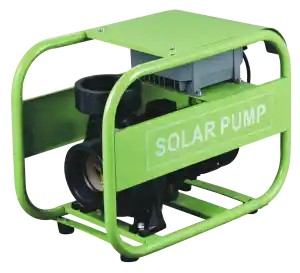
What Are the Main Types of Solar Pumps Available Today?
The market for solar pumps has evolved to meet a wide range of water supply needs. Depending on the water source, depth, and application, choosing the right type of solar water pump is essential for ensuring efficiency and long-term performance. The two most common categories are submersible pumps and surface pumps, each offering distinct advantages.
Solar Submersible Pumps
A solar submersible pump is designed to operate underwater, making it suitable for wells, boreholes, and deep reservoirs. Because these pumps are fully submerged, they can lift water from significant depths, often more than 200 meters. The JDS solar submersible pump is a prime example, engineered for durability, energy efficiency, and high water output even in demanding environments. Its robust construction ensures consistent performance while minimizing the risk of mechanical failure.
Solar Surface Pumps
For water sources such as rivers, ponds, tanks, or shallow wells, a solar-powered surface pump is the most practical solution. These pumps are installed above ground and are easier to maintain, making them ideal for irrigation and community-level water projects. The DHF Surface Pump provides strong flow rates, quick installation, and flexibility to handle different water distribution tasks. Its adaptability makes it suitable for both agricultural and light industrial uses.
Hybrid Systems and Advanced Controllers
Modern solar-powered pumps can also be paired with hybrid controllers, allowing them to switch between solar energy and backup power sources when needed. This ensures uninterrupted operation during cloudy days or peak demand periods. Intelligent control units further optimize pump speed and energy usage, extending the lifespan of the system while ensuring consistent water flow.
Selecting the Right Pump
When evaluating types, it is important to consider water depth, daily water demand, and installation environment. Submersible pumps are recommended for deep underground sources, while surface pumps are ideal for shallower applications. By aligning pump type with specific requirements, users can maximize efficiency and achieve reliable water supply throughout the year.
How Can Solar-Powered Pumps Improve Efficiency in Agriculture and Industry?
The application of solar-powered pumps extends far beyond simple water extraction. By providing consistent, eco-friendly, and cost-effective water supply, they play a crucial role in improving productivity across agriculture, livestock, and industrial sectors. Their integration into daily operations leads to higher efficiency, reduced costs, and more sustainable practices.
Smarter Irrigation for Agriculture
In farming, a solar water pump allows precise irrigation scheduling by delivering water when it is most needed. Unlike traditional pumps that may face fuel shortages or grid interruptions, solar pumps work steadily during sunny hours, aligning naturally with crop water demand. This reduces crop stress, enhances yields, and prevents over-irrigation. Models like the JDS solar submersible pump are particularly effective for deep-well irrigation, ensuring water reaches crops even in arid regions.
Reliable Watering for Livestock
Livestock farming requires a constant water supply for animal health and productivity. A solar pump ensures uninterrupted access to clean water for cattle, sheep, and poultry, even in remote grazing areas. The DHF Surface Pump is especially practical in these situations, as it can draw water from rivers, ponds, or shallow wells, providing flexibility for mobile or seasonal livestock operations.
Industrial and Community Applications
Beyond agriculture, solar-powered pumps are increasingly used in industries and public infrastructure. For example, they support small-scale factories, construction sites, and municipal water systems where reliability and cost savings are critical. By cutting dependency on grid electricity, businesses can stabilize operations while reducing operational costs. Communities, on the other hand, benefit from sustainable water distribution systems that operate independently of central power grids.
Efficiency Through Intelligent Control
Modern solar pump systems come equipped with smart controllers that automatically adjust pump speed based on solar intensity and water demand. This intelligent regulation minimizes energy waste, extends equipment life, and ensures smooth operation even in fluctuating sunlight conditions. Such advancements make solar pumping a forward-looking investment for both agricultural and industrial sectors.
What Should You Consider When Selecting the Right Solar Pump?
Investing in a solar pump is a long-term decision, and selecting the right system requires careful evaluation of technical, environmental, and operational factors. By considering these key aspects, you can ensure that your solar water pump delivers reliable performance, cost savings, and durability over time.
Assessing Water Source and Depth
The first step is to identify the water source and its depth. For deep wells or boreholes, a solar submersible pump such as the JDS model is most effective, as it can lift water from significant depths while maintaining efficiency. For shallow sources like ponds, rivers, or tanks, a DHF Surface Pump is usually the better choice due to its ease of installation and maintenance.
Calculating Flow Rate and Daily Demand
Each application—whether irrigation, livestock, or industrial use—requires a specific flow rate and volume of water. A solar-powered pump should be matched to these needs to avoid underperformance or energy waste. For instance, farms with large irrigation systems may require higher-capacity pumps, while smaller community projects may only need moderate flow.
Evaluating Energy and Controller Features
Modern solar pumps are often paired with advanced controllers that optimize energy usage and protect against voltage fluctuations. When choosing a pump, look for intelligent features such as maximum power point tracking (MPPT), automatic speed adjustment, and hybrid compatibility. These capabilities not only improve efficiency but also extend the service life of the system.
Considering Installation and Maintenance
Ease of installation and long-term maintenance should also influence your decision. Surface pumps are generally simpler to install and maintain, while submersible pumps require more specialized handling but offer greater depth capability. Ensuring availability of spare parts and after-sales support is also essential for uninterrupted operation.
Reliability and Brand Reputation
Finally, selecting a trusted brand is critical for long-term success. Models like the JDS solar submersible pump and DHF Surface Pump from LCGK are engineered for performance and durability, backed by technical expertise and field-tested reliability. Choosing a reputable brand ensures peace of mind and consistent results in demanding applications.
Conclusion
The growing demand for clean energy and reliable water solutions has made the solar pump one of the most effective technologies for modern water management. By harnessing solar energy, a solar water pump delivers stable performance, reduces dependency on costly fuels or unstable grids, and supports sustainable development across agriculture, livestock, industry, and community applications.
From deep-well systems like the JDS solar submersible pump to flexible options such as the DHF Surface Pump, today’s solar-powered pumps are designed to adapt to diverse environments and operational needs. With intelligent controllers, durable construction, and proven efficiency, they provide long-term value while protecting natural resources.
For organizations and projects seeking to combine reliability, cost savings, and sustainability, choosing a trusted partner is essential. LCGK offers advanced solar pumping solutions that meet the highest standards of performance and durability, making them a smart investment for a future built on renewable energy.
 English
  French
  Arabic
  German
  Portuguese
  Spanish
  Italian
  Polish
  Russian
  Indonesian
  Turkish
  Bulgarian
  Dutch
Dutch  Japanese
  Korean
  Czech
Czech  Danish
  Greek
Greek  Estonian
  Finnish
  Hungarian
  Lithuanian
  Latvian
  Romanian
  Slovak
  Slovenian
  Swedish
  Ukrainian
  Chinese