
Introduction
In today’s world, efficient water management has become one of the most critical factors shaping agriculture, industry, and community development. Traditional pumping systems, often powered by diesel engines or grid electricity, continue to struggle with rising fuel costs, unstable power supply, and frequent maintenance issues. These limitations not only increase operational expenses but also slow down productivity in regions where water demand is high and energy access is inconsistent.
This is where the solar pump has emerged as a transformative alternative. By integrating renewable energy with modern control technology, a solar water pump ensures reliable water delivery without the dependency on costly or unstable energy sources. Unlike conventional systems, a solar-powered pump adjusts performance based on sunlight availability, offering both sustainability and cost savings in the long run.
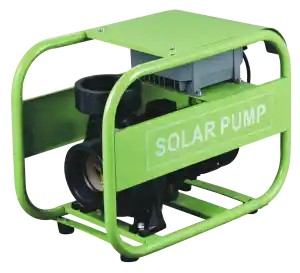
As global industries and agricultural projects search for smarter, eco-friendly, and scalable solutions, solar pumps are becoming a preferred choice. They not only reduce energy waste but also create a pathway toward energy independence and sustainable development, making them an essential investment for the future.
What Challenges Do Traditional Pumping Systems Face?
Rising Energy Costs
Conventional pumping systems are heavily dependent on grid electricity or diesel generators. With global fuel prices fluctuating and electricity tariffs steadily increasing, the cost of operating these pumps continues to rise. For large-scale farms or industrial facilities that require continuous water supply, these expenses quickly become unsustainable.
Limited Adaptability to Water Demand
Traditional pumps typically operate at a fixed speed, regardless of actual water demand. This rigid operation often leads to water waste during periods of low demand and inadequate supply during peak times. The lack of flexibility not only reduces efficiency but also shortens the lifespan of equipment due to unnecessary strain.
Unstable Power Supply in Remote Areas
In many agricultural regions and remote industrial sites, stable electricity is not always available. Diesel-powered pumps may fill the gap, but they are expensive to fuel and maintain. Frequent power interruptions or inconsistent energy access often disrupt irrigation schedules and production processes, resulting in lower productivity.
High Maintenance and Shorter Lifespan
Diesel and grid-powered pumps require regular servicing due to engine wear, fuel system issues, or motor failures. Spare parts and maintenance teams may not always be readily available in remote areas, causing prolonged downtime. Over time, these challenges increase total ownership costs and reduce the long-term reliability of conventional pumping solutions.
How Does a Solar Pump Provide a Sustainable Solution?
Harnessing Renewable Energy
Unlike diesel or grid-powered systems, a solar pump relies on sunlight as its primary energy source. This reduces dependence on fossil fuels, lowers greenhouse gas emissions, and provides a cleaner alternative for regions seeking to transition toward sustainable energy solutions. For many rural areas, this independence from the grid ensures reliable operation even where electricity infrastructure is weak or nonexistent.
Cost Savings Over Time
Although the initial investment in a solar water pump may seem higher compared to conventional pumps, the long-term savings are significant. By eliminating fuel costs and minimizing electricity consumption, businesses and agricultural operations can achieve a quick return on investment. In addition, fewer breakdowns mean reduced maintenance expenses, further lowering operational costs.
Intelligent and Flexible Operation
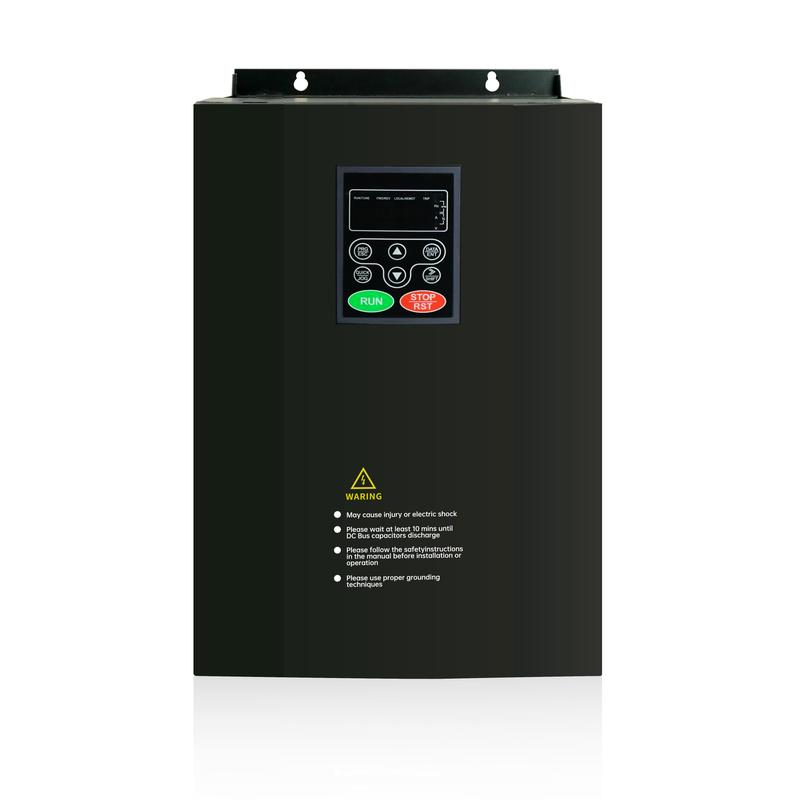
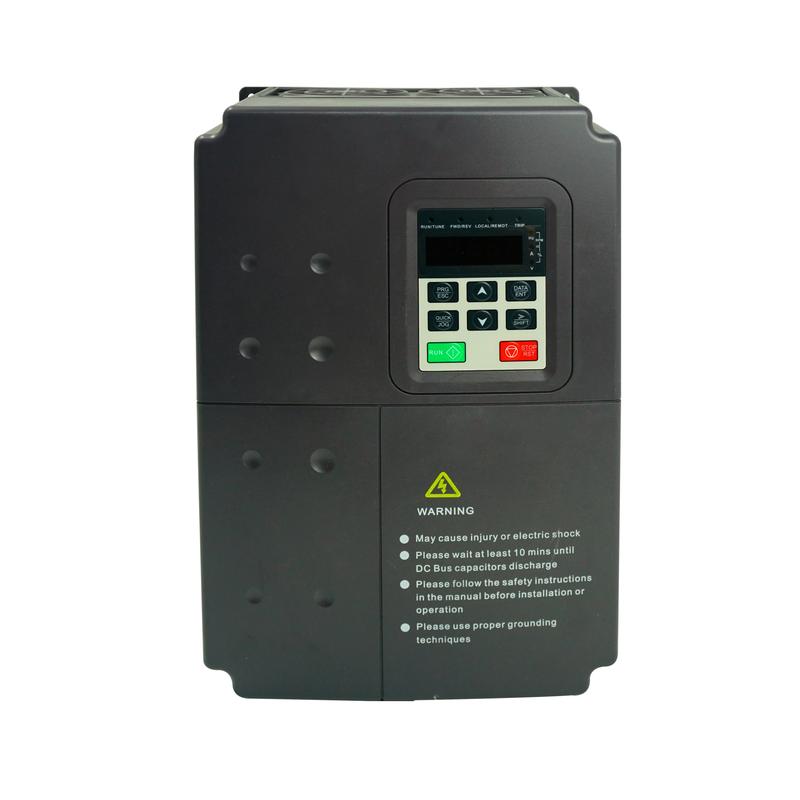
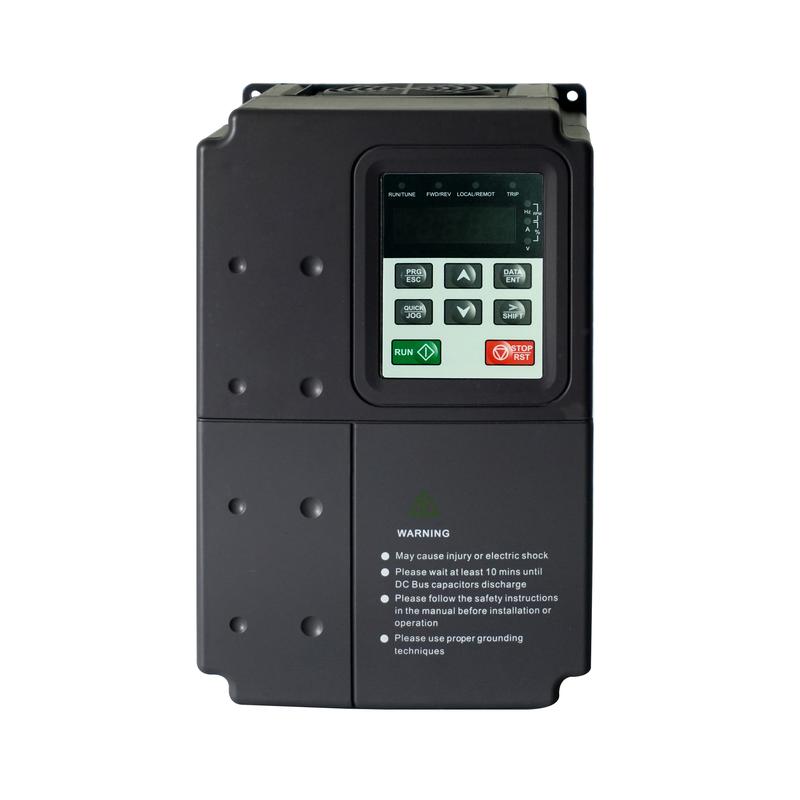
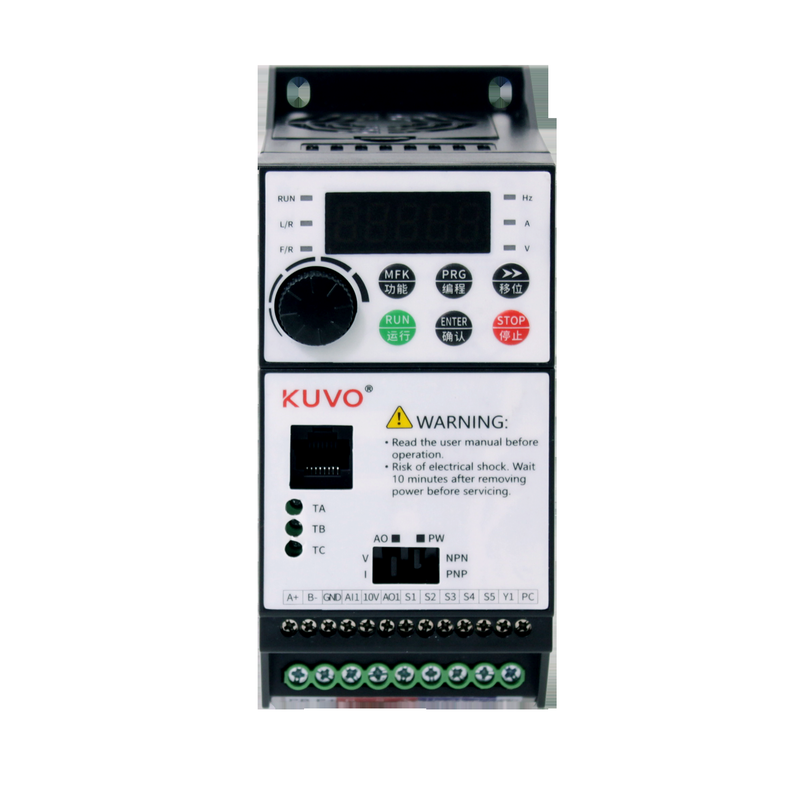
A solar-powered pump is often equipped with modern control systems, such as variable frequency drive (VFD) technology, which allows it to adjust flow and pressure according to real-time water demand and solar input. This flexibility not only conserves water but also prevents wear and tear on the system, extending the pump’s service life.
Reliability in Remote and Off-Grid Locations
For farms, greenhouses, and industrial sites far from urban centers, solar pumps provide an unmatched level of reliability. Since they are not tied to inconsistent fuel supply chains or unstable grids, they ensure uninterrupted water delivery. This stability is particularly valuable during peak growing seasons or in continuous industrial processes.
What Are the Key Applications of Solar Pumps in Agriculture and Industry?
Agricultural Irrigation
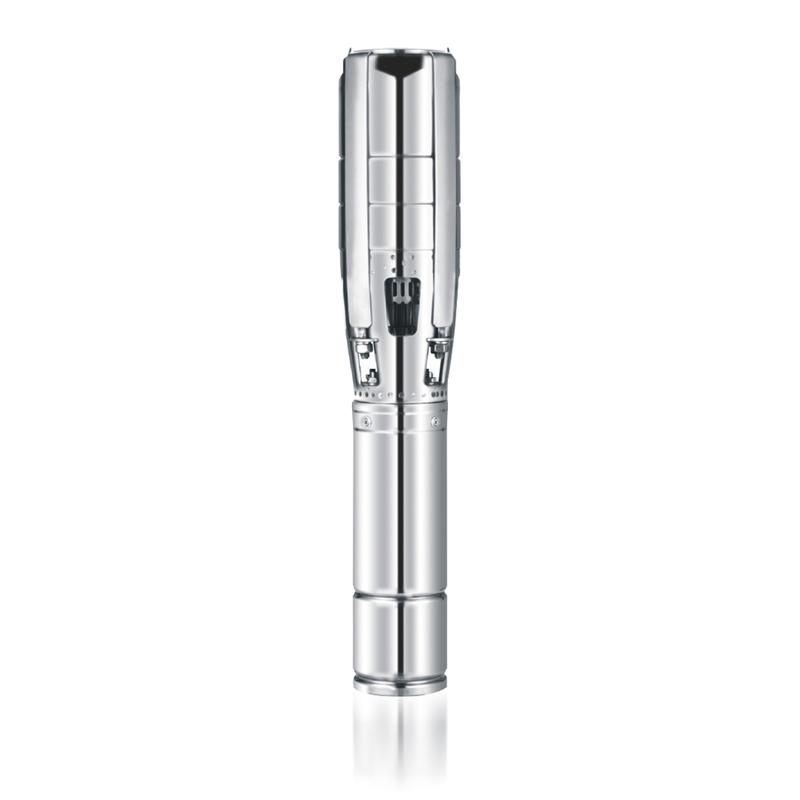
One of the most important uses of a solar pump is in agriculture. Farms require a steady and reliable supply of water, especially during peak growing seasons. The JDS solar submersible pump is ideal for deep-well irrigation, where water needs to be lifted from underground sources. It ensures a consistent flow, reduces reliance on costly diesel generators, and supports precision irrigation practices.
Greenhouse and Horticulture
Greenhouses and horticultural facilities often require controlled water delivery to maintain plant health and optimize growth. A solar water pump can regulate water flow with precision, supporting drip irrigation systems and misting solutions. Its ability to adjust performance based on sunlight ensures energy-efficient operation without compromising crop quality.
Industrial Water Supply and Cooling
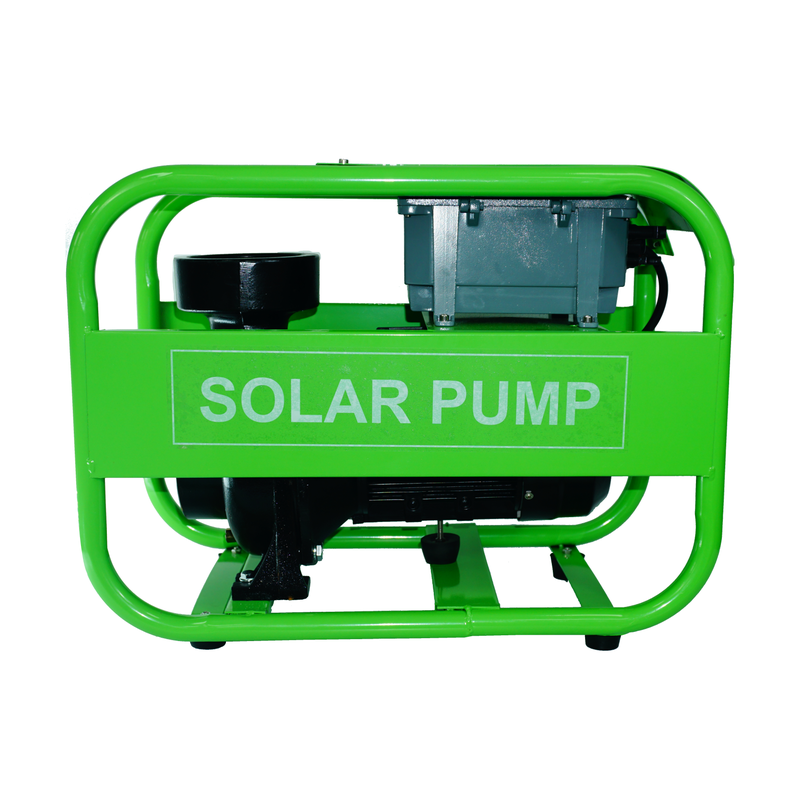
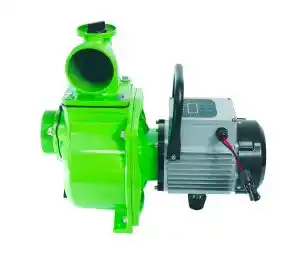
In industrial applications, stable water supply is critical for processes such as cooling, cleaning, and material processing. The DHF Surface pump, powered by solar energy, is well-suited for drawing water from rivers, ponds, or storage tanks to meet these demands. Its robust design provides reliability in high-demand environments while reducing electricity costs.
Community and Remote Area Water Access
For remote villages or off-grid communities, a solar-powered pump can deliver clean and reliable water for drinking, sanitation, and small-scale farming. By reducing dependence on unstable electricity grids or costly fuel transport, solar pumps help improve living standards and support sustainable community development.
Livestock and Aquaculture
Another growing area of application is in livestock farming and aquaculture. Continuous access to water is essential for maintaining animal health and fish farming operations. Solar pumps provide a dependable solution that operates efficiently even in areas with limited infrastructure, reducing the risks of water shortages.
Why Choose Advanced Models like JDS Solar Submersible Pump and DHF Surface Pump?
Meeting Different Water Source Needs
The JDS solar submersible pump is specifically designed for deep-well applications where water must be lifted from underground aquifers. It offers strong pumping capacity, high efficiency, and long-term durability under continuous operation. By contrast, the DHF Surface pump is ideal for drawing water from shallow sources such as rivers, ponds, and reservoirs, making it more suitable for industrial cooling systems and surface-level irrigation.
Energy Efficiency and Reliability
Both models are optimized to work seamlessly with solar energy systems. The JDS submersible pump minimizes energy loss when lifting water from great depths, while the DHF surface pump ensures stable output for high-volume water transfer. Their integration with solar pump technology not only reduces operational costs but also guarantees reliability in regions with fluctuating power supply.
Durability in Harsh Environments
Rural farms and industrial sites often face challenging conditions such as dust, heat, and variable water quality. Both the JDS and DHF pumps are engineered with durable materials and advanced sealing technologies to withstand harsh environments. This ensures consistent performance, even with prolonged use in demanding applications.
Flexibility Across Applications
Choosing between the JDS and DHF models depends on the specific water source and project requirements. For deep groundwater irrigation or rural community water access, the JDS solar submersible pump provides unmatched depth capability. For large-scale irrigation projects, industrial operations, or livestock watering from surface sources, the DHF surface pump delivers the best results.
Long-Term Investment Value
While the upfront cost of advanced solar pump systems may be higher, the durability, low maintenance, and significant energy savings make them a smart investment. Both the JDS and DHF models offer dependable performance that reduces total cost of ownership, making them well-suited for businesses and agricultural projects focused on long-term growth.
How Do Solar Pumps Contribute to Long-Term Efficiency and Growth?
Reducing Operational Costs
One of the most significant advantages of adopting a solar pump is the drastic reduction in recurring expenses. By eliminating fuel dependency and minimizing electricity costs, businesses and agricultural operations can redirect savings toward other areas such as equipment upgrades or expansion. Over the system’s lifetime, the cost per liter of water delivered becomes much lower compared to traditional pumping solutions.
Enhancing Environmental Sustainability
The transition from diesel-driven or grid-dependent pumps to solar-powered pump systems directly reduces carbon emissions and environmental impact. With increasing pressure on industries and farms to meet sustainability goals, the use of solar water pump technology not only improves efficiency but also helps organizations align with green initiatives and regulatory requirements.
Supporting Reliable Productivity
Whether it is irrigation in agriculture or water supply in industrial operations, reliable access to water is critical. Solar pumps, by leveraging consistent sunlight availability, ensure uninterrupted water delivery. This stability helps improve crop yields, maintain smooth industrial processes, and support community development without the risks of fuel shortages or grid failures.
Long-Term Equipment Life
With fewer moving parts and less mechanical strain, solar pump systems generally require less maintenance and enjoy longer lifespans than conventional alternatives. Reduced wear and tear lowers downtime, giving businesses greater confidence in continuous operations. The integration of models like the JDS submersible pump and DHF surface pump further enhances durability and operational reliability.
Aligning with Future Market Trends
Global trends are moving toward renewable energy adoption and smart water management systems. As more countries invest in solar energy infrastructure and support policies for clean technology, the demand for solar pumps is expected to accelerate. Businesses that adopt this technology early gain a competitive advantage, demonstrating not only cost savings but also forward-thinking environmental responsibility.
Conclusion
The shift from traditional pumping systems to solar-driven solutions represents more than just a technological upgrade—it is a strategic step toward long-term efficiency, reliability, and sustainability. A solar pump not only addresses the challenges of rising energy costs, unstable power supply, and frequent maintenance but also provides businesses and agricultural projects with a cleaner and more cost-effective alternative.
With options like the JDS solar submersible pump for deep wells and the DHF Surface pump for surface water sources, industries and farms can choose the right solution tailored to their needs. By leveraging renewable energy, these pumps reduce operational risks, extend equipment lifespan, and contribute to greener practices.
As global demand for smart water management continues to grow, solar pump technology stands out as an essential investment for the future. For organizations looking to combine efficiency with sustainability, LCGK offers dependable solutions designed to deliver lasting value in diverse applications.
 English
  French
  Arabic
  German
  Portuguese
  Spanish
  Italian
  Polish
  Russian
  Indonesian
  Turkish
  Bulgarian
  Dutch
Dutch  Japanese
  Korean
  Czech
Czech  Danish
  Greek
Greek  Estonian
  Finnish
  Hungarian
  Lithuanian
  Latvian
  Romanian
  Slovak
  Slovenian
  Swedish
  Ukrainian
  Chinese