
In today’s world, reliable access to water is a foundation for agriculture, community supply, and industrial applications. Traditional pumping systems often rely on grid electricity or diesel generators, which can be costly, unstable, and less sustainable. A solar pump inverter has emerged as a smart solution to overcome these challenges by integrating solar energy with advanced motor control technology.
Unlike conventional systems, a solar pump inverter not only converts solar power into usable electricity for pumps but also optimizes the pump’s operation based on sunlight intensity and water demand. This ensures consistent water delivery, better energy utilization, and longer equipment life. With increasing attention on renewable energy and cost-efficient solutions, solar pump inverters are becoming an essential choice for anyone looking to achieve both performance and sustainability in water management.
What Is a Solar Pump Inverter and How Does It Work?
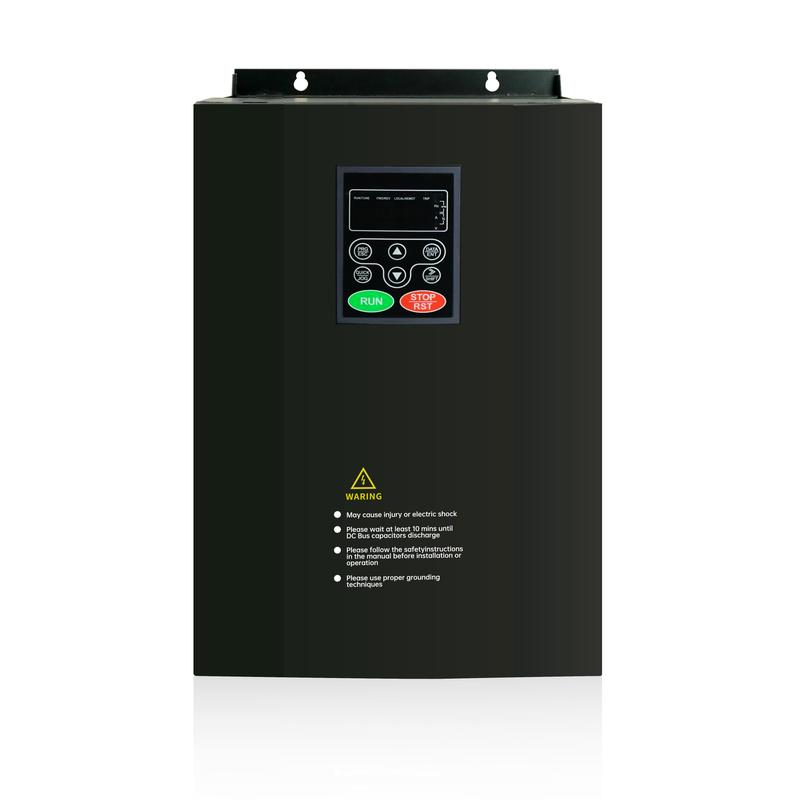
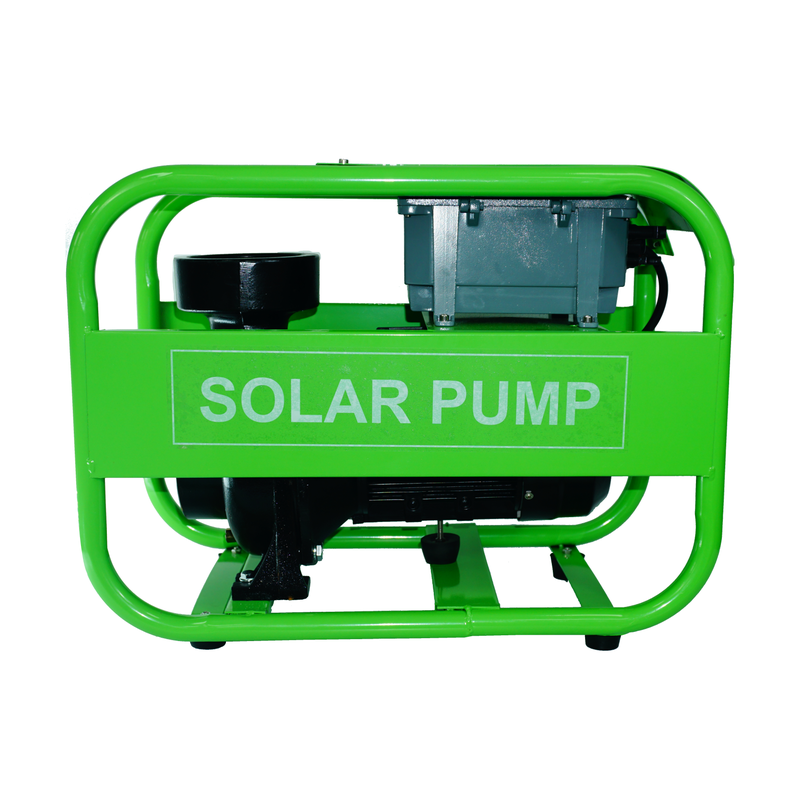
A solar pump inverter is a specialized device that connects solar panels with water pumps, converting the direct current (DC) generated by solar energy into alternating current (AC) that drives the pump. Beyond simple conversion, it intelligently adjusts pump speed and torque to match available sunlight and real-time water demand. This makes it a core technology in modern irrigation, water supply, and industrial pumping systems.
Converting Solar Energy into Stable Power
At the heart of the system, the inverter ensures that fluctuating solar energy is transformed into stable and efficient power. Unlike direct solar-to-pump connections, the inverter balances input and output, preventing sudden drops in performance when sunlight conditions change.
Intelligent Control and Motor Protection
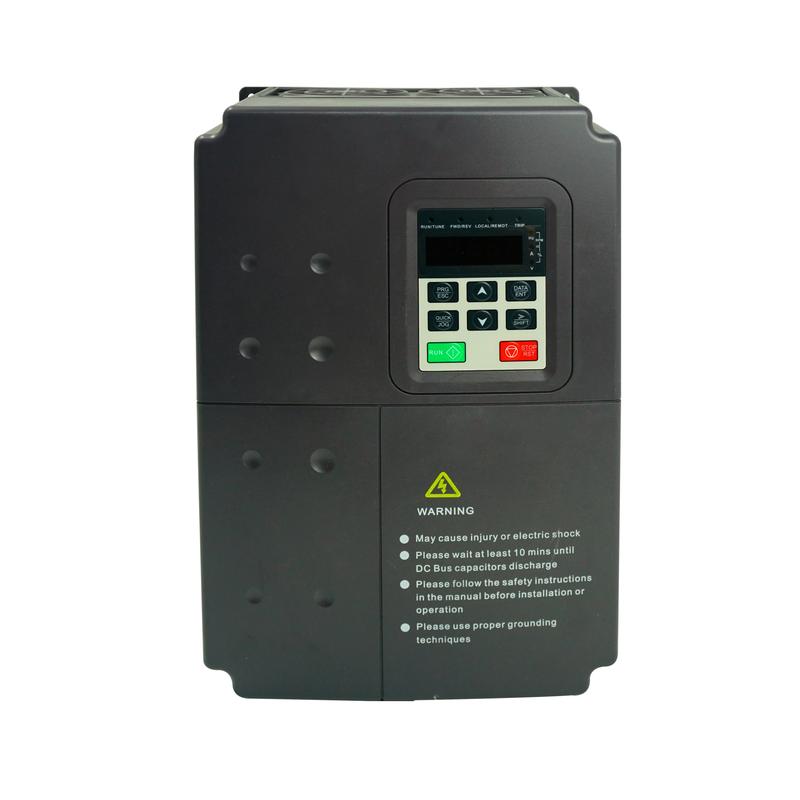
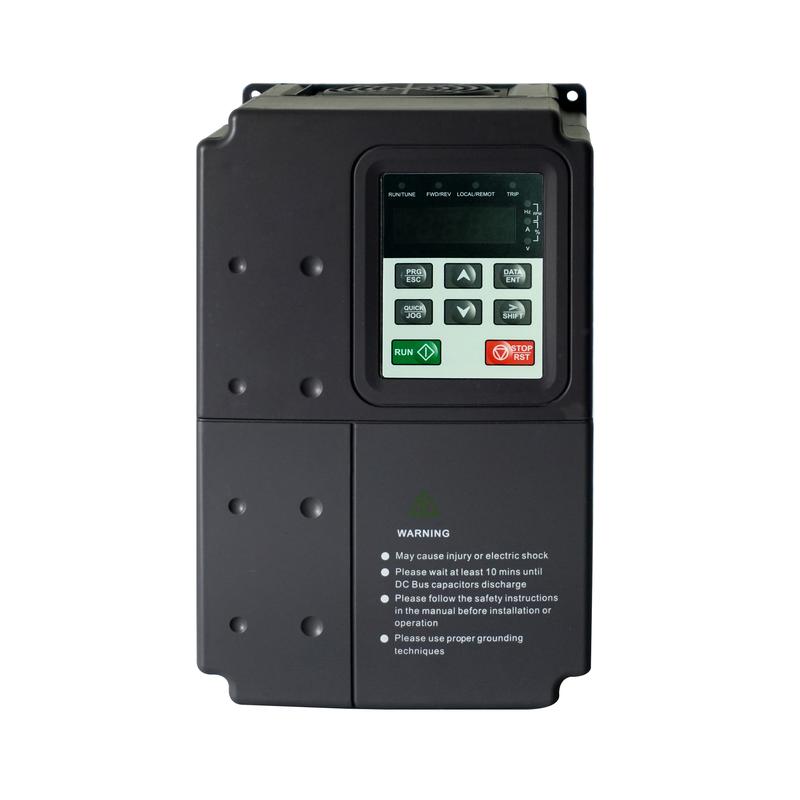
A key feature of advanced solar pump inverters is high-performance vector control, which supports both sensor-free vector control and closed-loop vector control. This enables pumps to start smoothly, respond quickly to changes in water requirements, and avoid mechanical stress. Inverters like the LCGK KV100A-18.5-22KW or KV100A-7.5-15KW models are designed with this technology, providing stable operation and extending pump lifespan.
Flexible Applications Across Different Scenarios
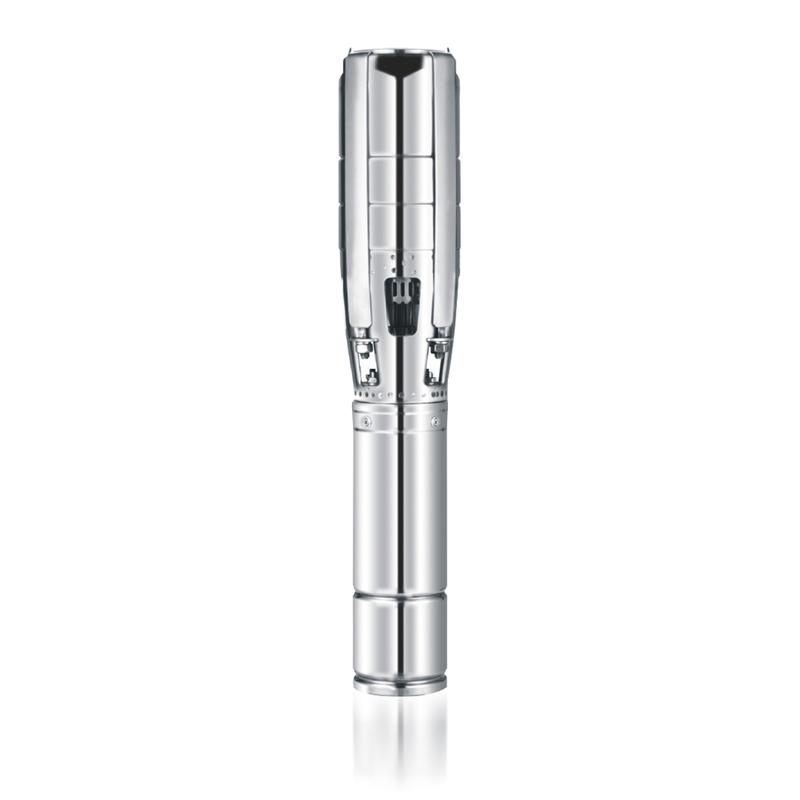
From deep-well pumping in remote farms to surface water transfer in municipal projects, solar pump inverters are versatile enough to adapt to multiple applications. Their ability to regulate flow and pressure according to demand means they reduce unnecessary energy consumption while ensuring reliable water availability.
Why Is a Solar Pump Inverter Essential for Reliable Water Management?
Water supply systems face growing challenges—rising energy costs, seasonal demand fluctuations, and the need for stable operation in areas with limited electricity access. A solar pump inverter addresses these issues by combining renewable energy with intelligent pump control, making it a cornerstone of reliable and efficient water management.
Ensuring Consistent Water Flow
One of the main reasons a solar pump inverter is essential is its ability to maintain stable water pressure and flow even under varying sunlight conditions. Traditional pumps may stop or underperform when energy is inconsistent, but with advanced inverter technology, the pump speed is automatically adjusted to ensure smooth delivery. Models such as KV90PV-22-30KW and KV90PV-15-18KW are designed for large-scale systems where uninterrupted supply is critical.
Reducing Dependence on Grid and Diesel
In many regions, grid power is unreliable, and diesel generators are costly to run. A solar pump inverter minimizes or even eliminates this dependency by allowing pumps to run directly from solar panels. This reduces fuel costs, cuts emissions, and provides a sustainable solution for agricultural irrigation, livestock watering, and municipal projects.
Enhancing Equipment Lifespan
Frequent voltage fluctuations can damage pump motors and reduce their lifespan. A solar pump inverter provides soft start-up and controlled shutdown, protecting equipment from mechanical shocks and electrical stress. This not only lowers maintenance costs but also ensures long-term reliability of the entire water system.
Adaptability for Different Applications
Whether in remote farming villages, industrial processing plants, or modern greenhouse irrigation, the inverter’s adaptability ensures water is always delivered at the right pressure and flow rate. Smaller models like KV100A-0.75-2.2KW are ideal for light-duty applications, while higher-power inverters support demanding operations.
How Does a Solar Pump Inverter Contribute to Energy Efficiency and Cost Savings?
Energy efficiency is no longer just an option—it is a necessity for sustainable operations. A solar pump inverter plays a vital role in optimizing energy use while significantly reducing costs. By intelligently managing the power supply and pump operation, it ensures that every drop of energy is effectively converted into reliable water delivery.
Maximizing the Use of Solar Energy
Unlike conventional pumps that require constant energy supply, a solar pump inverter dynamically adjusts motor speed based on sunlight availability. During peak sunshine hours, the inverter boosts performance, while in cloudy conditions, it optimizes output without sudden shutdowns. This ensures pumps operate efficiently throughout the day without wasting energy.
Lowering Operational Costs
Replacing diesel-driven or grid-powered pumping systems with solar pump inverters can reduce operating expenses by 30–60% over time. By eliminating fuel consumption and minimizing electricity bills, organizations can allocate resources to other critical needs. For example, models such as KV90PV-7.5KW-11KW or KV90PV-4KW-5.5KW are well-suited for medium-scale irrigation or industrial processes, offering substantial savings without sacrificing performance.
Protecting Against Overuse and Waste
Through intelligent monitoring and control, the inverter prevents pumps from running at unnecessary speeds. This avoids over-pumping, conserves water resources, and reduces wear on the system. By preventing unnecessary strain, inverters not only save energy but also cut maintenance and replacement costs.
Long-Term Return on Investment
Although the initial installation of solar pumping systems may require capital investment, the long-term payback is rapid thanks to reduced fuel, energy, and maintenance expenses. In many applications, the system pays for itself within just a few years, after which the cost savings directly contribute to profitability and sustainability.

What Factors Should You Consider When Choosing the Right Solar Pump Inverter?
Selecting the right solar pump inverter is crucial to achieving stable performance, long-term reliability, and maximum return on investment. Different applications—whether agricultural irrigation, municipal water supply, or industrial use—require specific inverter capacities and features. Several key factors should guide the decision.
Power Capacity and Pump Size
The first consideration is matching the inverter’s output capacity to the pump requirements. Undersized inverters cannot deliver enough power, while oversized ones may increase costs unnecessarily. For example, light-duty needs like garden irrigation or small-scale livestock watering may be met by the KV100A-0.75-2.2KW model, whereas larger systems such as deep-well irrigation may require KV100A-18.5-22KW or KV90PV-22-30KW units.
Control Features and Efficiency
Advanced control functions are essential for optimizing pump performance. Inverters with high-performance vector control—supporting both sensor-free and closed-loop vector control—provide fast dynamic response and efficient motor operation. LCGK’s KV100A series is built with these advanced features, ensuring reliable and flexible control.
Environmental Conditions
The installation environment should also influence selection. For outdoor or remote areas, inverters must be robust and designed to handle dust, moisture, and heat. Compact and durable designs such as the KV90PV-4KW-5.5KW offer reliable performance in challenging field conditions.
Scalability and Application Needs
Different applications demand different levels of performance. For surface water pumping, mid-range inverters like KV90PV-7.5KW-11KW are cost-effective, while municipal-scale projects may need higher capacities. Considering the scalability of the system ensures future expansion without major replacements.
Reliability and Maintenance Support
Finally, reliability and after-sales support are critical. Choosing inverters from a trusted brand ensures access to technical support, spare parts, and long-term maintenance, minimizing risks of downtime.
Which LCGK Solar Pump Inverter Models Can Meet Different Application Needs?
To serve diverse industries and water supply requirements, LCGK VFD provides a wide portfolio of solar pump inverters. Each model is tailored for specific power ranges, operational environments, and application demands, ensuring there is a reliable solution for every scenario.
KV100A Series – High-Performance Vector Control
The KV100A series is engineered with advanced vector control technology, supporting both sensor-free and closed-loop vector control. This ensures fast dynamic response, stable torque, and efficient operation.
KV100A-0.75-2.2KW → Ideal for light-duty use such as garden irrigation, small livestock farms, or rural household applications.
KV100A-4-5.5KW → Designed for small agricultural plots, surface water pumping, and community-level water supply.
KV100A-7.5-15KW → Suitable for medium-scale irrigation, greenhouse operations, and industrial water transfer.
KV100A-18.5-22KW → Best for deep-well irrigation, high-volume pumping stations, and demanding water supply networks.
KV90PV Series – Optimized for Solar Applications
The KV90PV series offers a balance of performance and durability, particularly for solar-based pumping systems in remote or harsh conditions.
KV90PV-0.75-2.25KW → Efficient choice for small farms, village water systems, and household-level applications.
KV90PV-4KW-5.5KW → Reliable for medium water supply systems requiring stable output.
KV90PV-7.5KW-11KW → Perfect for larger agricultural irrigation projects or municipal surface water delivery.
KV90PV-15-18KW & KV90PV-22-30KW → Heavy-duty solutions for industrial water processing, urban water distribution, and high-capacity pumping stations.
Meeting Diverse Market Demands
By covering a wide range of power outputs, LCGK VFD ensures its solar pump inverters can adapt to agricultural, municipal, and industrial applications. Each model is built with durability and cost-effectiveness in mind, making them a practical choice for long-term, sustainable water management.
Conclusion
The adoption of a solar pump inverter is transforming the way water systems are managed, offering a combination of reliability, efficiency, and sustainability. By converting solar energy into stable power, regulating pump performance, and protecting equipment, these inverters provide long-term value across agricultural, municipal, and industrial applications.
From small-scale household systems to large-scale irrigation and urban water supply projects, the right inverter ensures stable water flow, reduced operational costs, and extended equipment lifespan. Choosing a trusted brand with advanced technology and a wide range of models makes the difference between short-term performance and long-term success.
With innovative solutions such as the KV100A and KV90PV series, LCGK delivers dependable solar pump inverters designed to meet diverse application needs, ensuring reliable water management today and sustainable growth for the future.
 English
  French
  Arabic
  German
  Portuguese
  Spanish
  Italian
  Polish
  Russian
  Indonesian
  Turkish
  Bulgarian
  Dutch
Dutch  Japanese
  Korean
  Czech
Czech  Danish
  Greek
Greek  Estonian
  Finnish
  Hungarian
  Lithuanian
  Latvian
  Romanian
  Slovak
  Slovenian
  Swedish
  Ukrainian
  Chinese