
In modern water pumping applications, efficiency, reliability, and sustainability are becoming essential priorities. A solar pump inverter is a critical technology that bridges renewable solar energy with advanced motor control, allowing water pumping systems to operate smoothly without relying on conventional grid power. By converting the variable DC output from solar panels into a stable AC supply and intelligently adjusting the pump’s speed, a solar pump inverter ensures optimal water flow while minimizing energy waste.
From agricultural irrigation and livestock watering to municipal water supply and remote site operations, the use of solar pump inverters has expanded rapidly due to their cost-saving benefits and ability to function in areas with limited or unstable electricity access. Modern models such as the KV100A and KV90PV series combine high-performance vector control with robust protection features, delivering consistent performance even under challenging environmental conditions.
In this article, we will explore the fundamentals of solar pump inverters, the benefits they offer, how to choose the right model for your application, and the key features that ensure long-term, reliable operation.
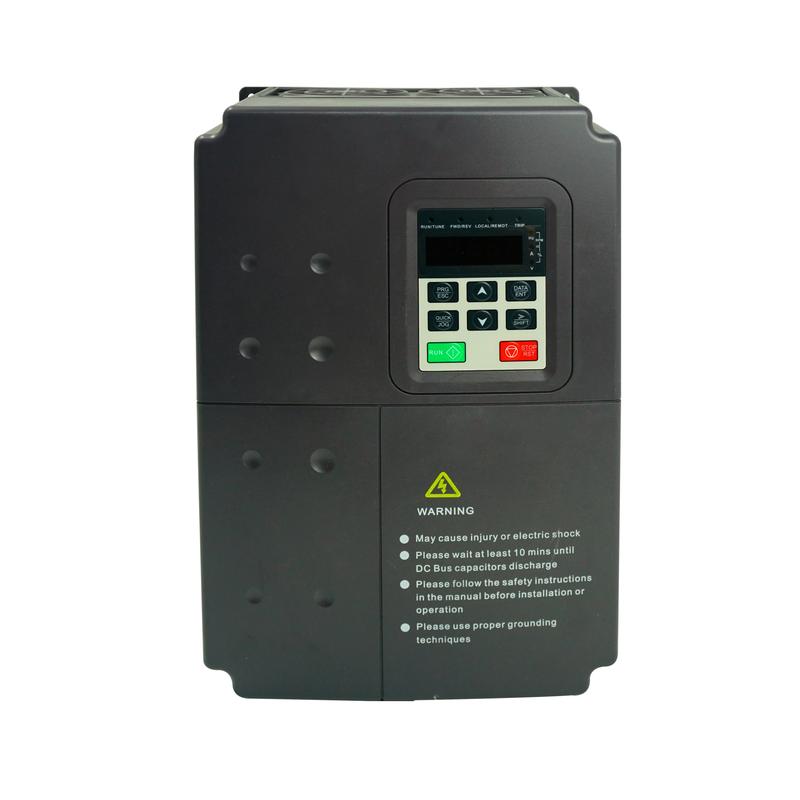
What Is a Solar Pump Inverter and How Does It Work?
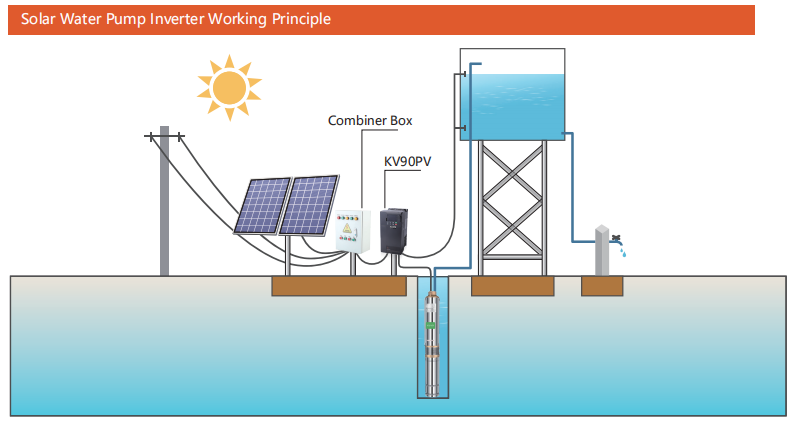
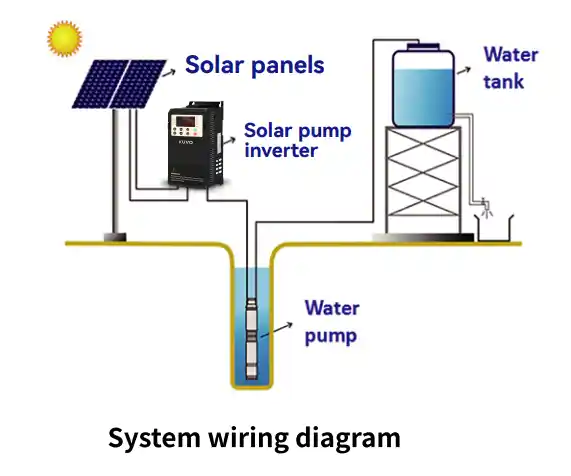
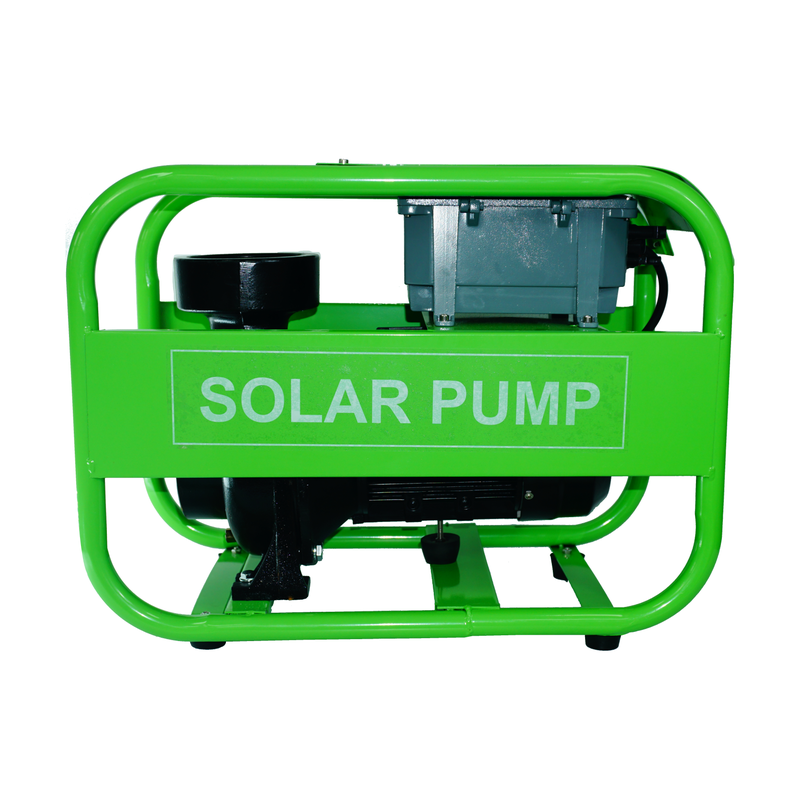
A solar pump inverter is an intelligent power conversion and control device designed specifically for solar-powered water pumping systems. Its main role is to convert the direct current (DC) generated by solar panels into alternating current (AC) to drive water pumps, while continuously optimizing motor speed and torque based on available solar energy and water demand.
1. Power Conversion
The inverter efficiently transforms variable DC voltage from solar panels into stable AC output, enabling the pump to operate smoothly even when sunlight intensity fluctuates. This function is particularly important in early mornings, late afternoons, and cloudy weather, ensuring consistent water delivery.
2. Motor Control
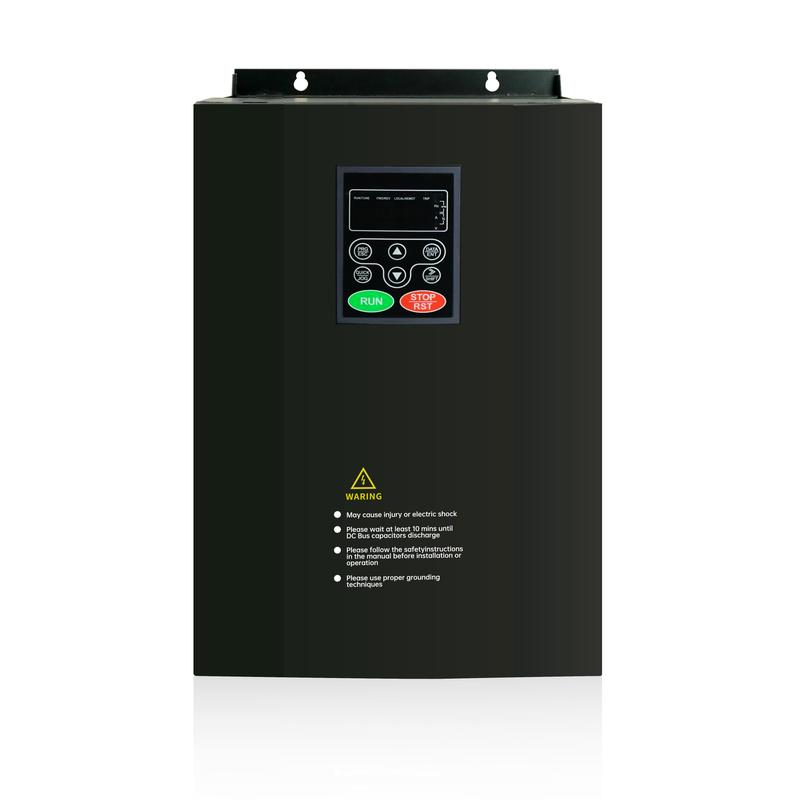
High-quality models such as the KV100A-18.5-22KW and KV90PV-22-30KW utilize high-performance vector control technology, supporting both sensor-free and closed-loop vector control. This allows for precise speed regulation, high dynamic response, and efficient torque management—critical for applications requiring stable water pressure or specific flow rates.
3. Energy Optimization
By adjusting pump speed according to real-time conditions, a solar pump inverter minimizes unnecessary energy consumption and mechanical stress. This not only extends pump lifespan but also maximizes the utilization of available solar power. Models like the KV100A-4-5.5KW or KV90PV-4KW-5.5KW are ideal for medium-duty pumping needs, offering a balance between performance and energy savings.
4. Protection and Reliability
Advanced inverters come equipped with multiple safety features such as overvoltage, undervoltage, overload, and dry-run protection. The KV100A-0.75-2.2KW and KV90PV-0.75-2.25KW provide reliable operation for smaller-scale pumping systems, safeguarding equipment against common operational risks.
In short, a solar pump inverter not only powers your pump but also ensures that it runs at peak efficiency under varying environmental and operational conditions.
Why Choose a Solar Pump Inverter for Your Water Pumping System?
Investing in a solar pump inverter is not just about switching to renewable energy—it’s about optimizing operational efficiency, reducing long-term costs, and ensuring uninterrupted water supply in a variety of environments.
1. Significant Energy Cost Savings
Unlike traditional grid-powered systems, a solar pump inverter operates using free solar energy, drastically cutting electricity expenses. By intelligently adjusting pump speed according to sunlight availability, it minimizes energy waste and avoids the inefficiencies of constant-speed pumping. For high-capacity applications, models like the KV100A-18.5-22KW or KV90PV-22-30KW deliver maximum performance while maintaining optimal energy usage.
2. Reliable Operation in Remote or Off-Grid Locations
In agricultural irrigation, livestock watering, and rural water supply projects, access to stable electricity is often limited. A solar pump inverter ensures continuous operation even in off-grid areas, harnessing available sunlight to meet water demands. Compact yet powerful options such as the KV90PV-4KW-5.5KW or KV100A-4-5.5KW are well-suited for mid-scale pumping systems in remote environments.
3. Extended Equipment Lifespan
By enabling smooth start-up, gradual acceleration, and precise control, a solar pump inverter reduces mechanical stress on pumps and motors. This results in fewer breakdowns and longer service life. Smaller systems, such as those powered by KV100A-0.75-2.2KW or KV90PV-0.75-2.25KW, benefit greatly from this, especially in applications requiring consistent water flow over long periods.
4. Stable Water Pressure and Flow Control
High-performance vector control, available in the KV100A and KV90PV series, ensures stable pressure and flow, which is crucial for irrigation systems, drip watering, or municipal supply lines. Whether you are running a large agricultural network or a compact pumping station, this stability directly impacts productivity and operational quality.
5. Environmentally Friendly and Sustainable
Switching to solar-powered pumping systems significantly reduces carbon emissions and reliance on fossil fuels. This aligns with modern sustainability goals while delivering tangible financial benefits over time.
With these advantages, it’s clear why more businesses and organizations are choosing solar pump inverters as a long-term investment in both performance and sustainability.
How to Select the Right Solar Pump Inverter for Different Power Ranges?
Choosing the correct solar pump inverter is essential to ensure that your water pumping system operates efficiently, reliably, and cost-effectively. The selection process should consider the required pump capacity, operating environment, and the nature of the application.
1. For Large-Scale Agricultural or Municipal Projects (Above 15KW)
High-capacity operations such as large-scale irrigation systems, municipal water supply, or industrial pumping require inverters that can handle heavy loads with precision control.
KV100A-18.5-22KW and KV90PV-22-30KW are ideal for such applications, offering high-performance vector control, robust protection systems, and the ability to maintain stable water pressure even under fluctuating sunlight conditions.
These models are built to handle prolonged operation, ensuring minimal downtime in critical water delivery systems.
2. For Medium-Sized Pumping Systems (7.5KW – 15KW)
Mid-scale systems, including commercial irrigation fields, large livestock farms, or community water networks, benefit from a balance of power and efficiency.
KV100A-7.5-15KW and KV90PV-15-18KW provide high dynamic response, support for sensor-free and closed-loop vector control, and excellent adaptability to changing environmental conditions.
They are versatile enough to operate efficiently during variable sunlight hours while still delivering consistent flow rates.
3. For Small to Medium Installations (4KW – 5.5KW)
Applications such as greenhouse irrigation, small farm watering, or backup systems for rural water supply require moderate power but high reliability.
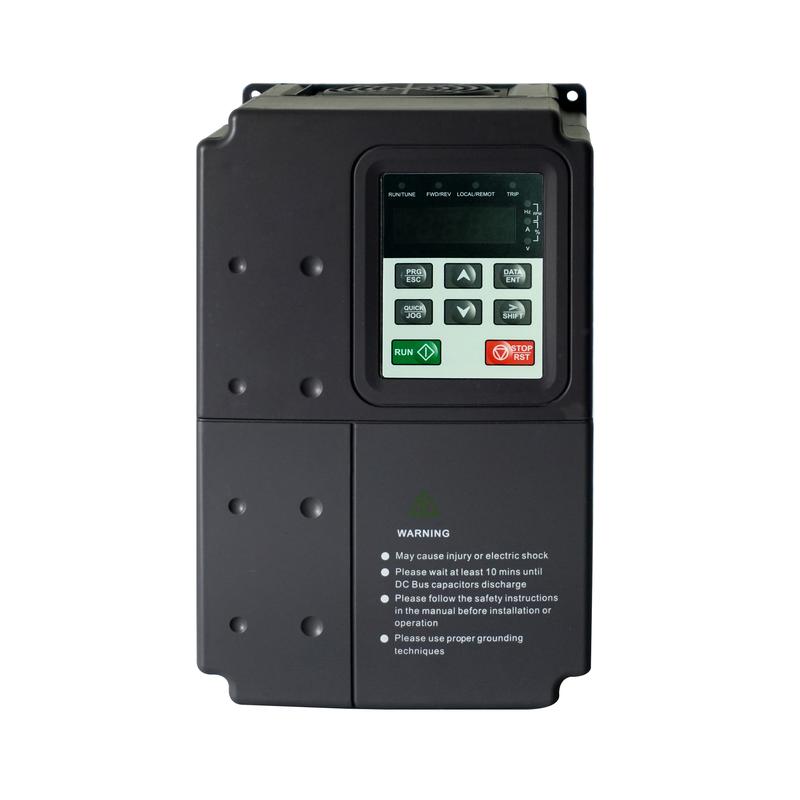
KV100A-4-5.5KW and KV90PV-4KW-5.5KW are well-suited for these scenarios, offering strong torque performance, compact design, and robust overload protection.
Their compact size allows for easier installation in locations with space constraints.
4. For Small-Scale or Remote Site Use (Below 2.5KW)
Small pumping stations, individual farm wells, or remote water supply setups need energy efficiency and ease of use above all.
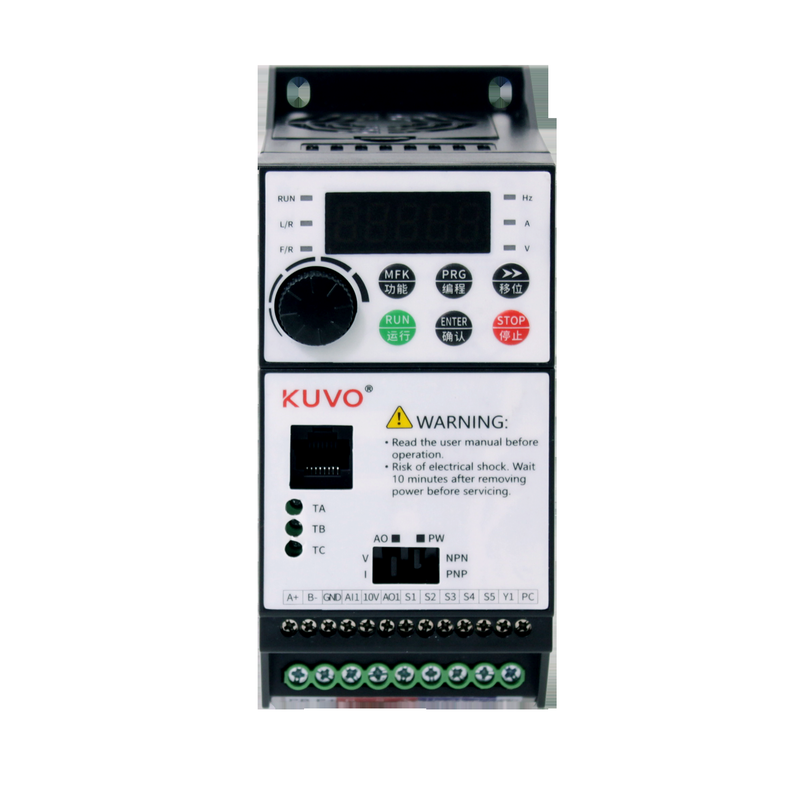
KV100A-0.75-2.2KW and KV90PV-0.75-2.25KW provide dependable performance with minimal maintenance requirements.
Their low power consumption makes them perfect for sites with limited solar capacity or seasonal use.
5. Matching System Requirements
When selecting a model, ensure that the inverter’s rated power matches or slightly exceeds the motor’s power to avoid overloading. Also, consider additional features such as built-in MPPT (Maximum Power Point Tracking) for maximizing solar energy utilization and advanced protection systems for long-term operational stability.
By carefully matching inverter capacity to system demands, you can achieve an optimal balance between performance, efficiency, and cost.
What Key Features Ensure High Efficiency and Long-Term Reliability?
A solar pump inverter must deliver both high performance and long-term durability to justify its investment. The best models integrate advanced control technologies, robust protection mechanisms, and optimized design to perform in challenging environments while maintaining efficiency.
1. High-Performance Vector Control
Both KV100A and KV90PV series feature advanced vector control systems, supporting both speed sensor-free and closed-loop vector control. This technology ensures:
Precise motor speed regulation for stable water pressure.
Rapid dynamic response for sudden demand changes.
Optimal torque delivery for varying load conditions.
2. Built-in MPPT (Maximum Power Point Tracking)
MPPT technology maximizes the use of available solar energy by continuously tracking and adjusting to the solar panels’ optimal operating point. This is crucial in early morning, late afternoon, or cloudy weather, allowing models like KV100A-7.5-15KW or KV90PV-15-18KW to maintain steady output.
3. Comprehensive Protection Systems
Top-tier inverters are equipped with multiple layers of protection to safeguard both the pump and the inverter itself. Common features include:
Overvoltage and undervoltage protection to handle solar fluctuation.
Overload and overcurrent safeguards for heavy-duty operations.
Dry-run protection to prevent pump damage when water supply is low.
Models such as KV100A-18.5-22KW and KV90PV-22-30KW are designed for demanding industrial and municipal conditions where equipment protection is critical.
4. Efficient Cooling and Heat Management
Continuous operation in outdoor and high-temperature environments can overheat components, reducing efficiency and lifespan. The KV90PV-4KW-5.5KW and KV100A-4-5.5KW incorporate optimized heat dissipation designs to maintain stable performance even in hot climates.
5. Durable Construction and Weather Resistance
For installations exposed to dust, humidity, and temperature extremes, inverter casing and circuit design must meet high durability standards. The KV90PV-0.75-2.25KW and KV100A-0.75-2.2KW provide reliable sealing and corrosion resistance, making them ideal for remote or harsh environments.
By combining these features, a solar pump inverter not only delivers efficient performance but also ensures minimal maintenance and extended service life, offering the best return on investment.
How to Maximize the Performance of Your Solar Pump Inverter?
Even the most advanced solar pump inverter will perform best when installed, configured, and maintained correctly. To achieve maximum efficiency, reduce downtime, and extend the inverter’s lifespan, a few best practices should be followed.
1. Correct System Sizing and Configuration
Ensure that the inverter’s power rating matches the pump motor’s requirements. Overloading the inverter can lead to premature failure, while undersizing will result in insufficient water flow. For example:
Large-scale systems benefit from KV100A-18.5-22KW or KV90PV-22-30KW.
Small to mid-sized applications may be better suited to KV90PV-4KW-5.5KW or KV100A-4-5.5KW.
2. Optimize Solar Panel Layout
Position solar panels to receive maximum sunlight exposure throughout the day. Use high-quality wiring and connectors to minimize energy loss. Incorporating MPPT-enabled inverters like the KV100A-7.5-15KW ensures the system captures the highest possible energy yield.
3. Maintain Clean and Cool Operation
Dust, debris, and excessive heat can reduce inverter efficiency. Install the unit in a shaded, ventilated location and regularly check air vents or cooling fans. Models such as KV90PV-0.75-2.25KW with compact designs can be easily housed in protective enclosures for improved environmental resistance.
4. Regular System Monitoring
Check voltage, current, and pump performance regularly to detect potential issues early. Advanced inverters in the KV100A and KV90PV series often include built-in display panels or remote monitoring features, allowing quick diagnostics and adjustments.
5. Follow Manufacturer Guidelines
Adhere to the recommended installation, wiring, and operational procedures outlined in the manufacturer’s documentation. Proper setup not only ensures warranty compliance but also helps maintain maximum efficiency over the system’s lifetime.
By implementing these practices, you can keep your solar pump inverter operating at peak performance, ensuring reliable water supply and optimal energy use for years to come.
Conclusion
A solar pump inverter is more than just a power conversion device—it is the heart of a modern solar-powered pumping system. Whether you require high-capacity solutions for large-scale irrigation or compact units for remote water supply, the KV100A and KV90PV series provide advanced vector control, robust protection features, and long-term reliability. With the right selection, installation, and maintenance, your system will deliver consistent performance and significant energy savings.
LCGK continues to innovate in solar pump inverter technology, offering solutions tailored to diverse applications and environmental conditions, ensuring that every drop of water is delivered efficiently and sustainably.
 English
  French
  Arabic
  German
  Portuguese
  Spanish
  Italian
  Polish
  Russian
  Indonesian
  Turkish
  Bulgarian
  Dutch
Dutch  Japanese
  Korean
  Czech
Czech  Danish
  Greek
Greek  Estonian
  Finnish
  Hungarian
  Lithuanian
  Latvian
  Romanian
  Slovak
  Slovenian
  Swedish
  Ukrainian
  Chinese