
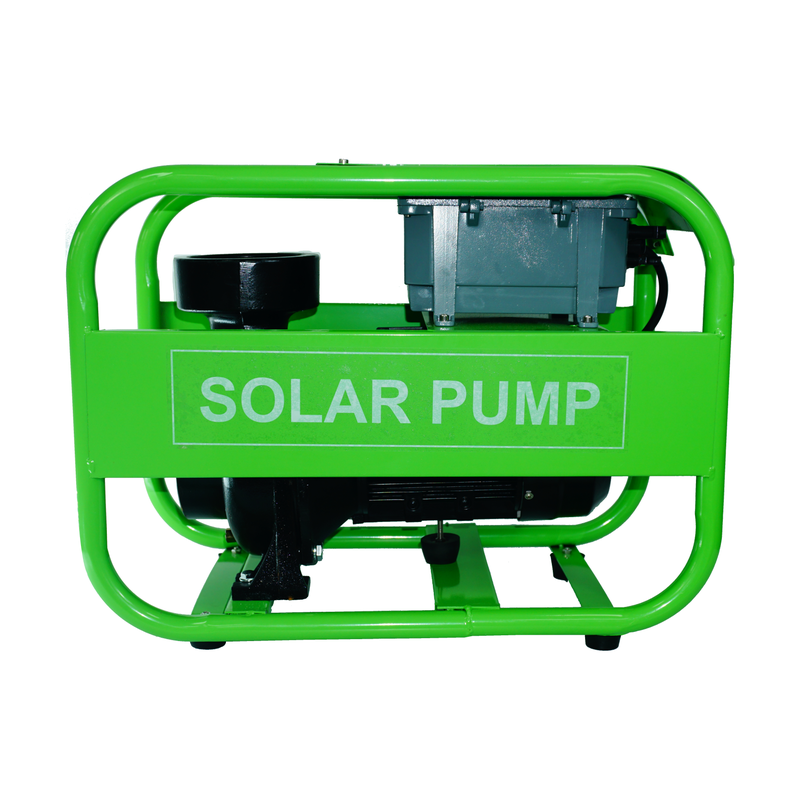
In modern agriculture, reliable and efficient water supply is the backbone of successful crop production. Traditional irrigation systems often rely on grid electricity or diesel generators, both of which can be costly, maintenance-intensive, and dependent on unstable energy availability. This is where the solar pump inverter has emerged as a game-changing solution, seamlessly integrating renewable solar energy with advanced motor control technology to power irrigation pumps.
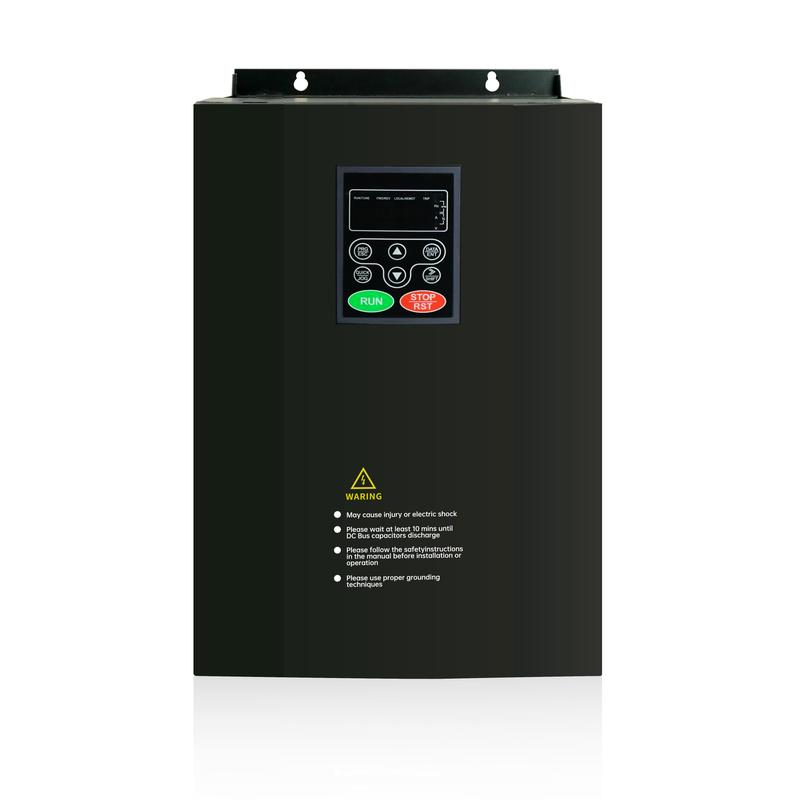
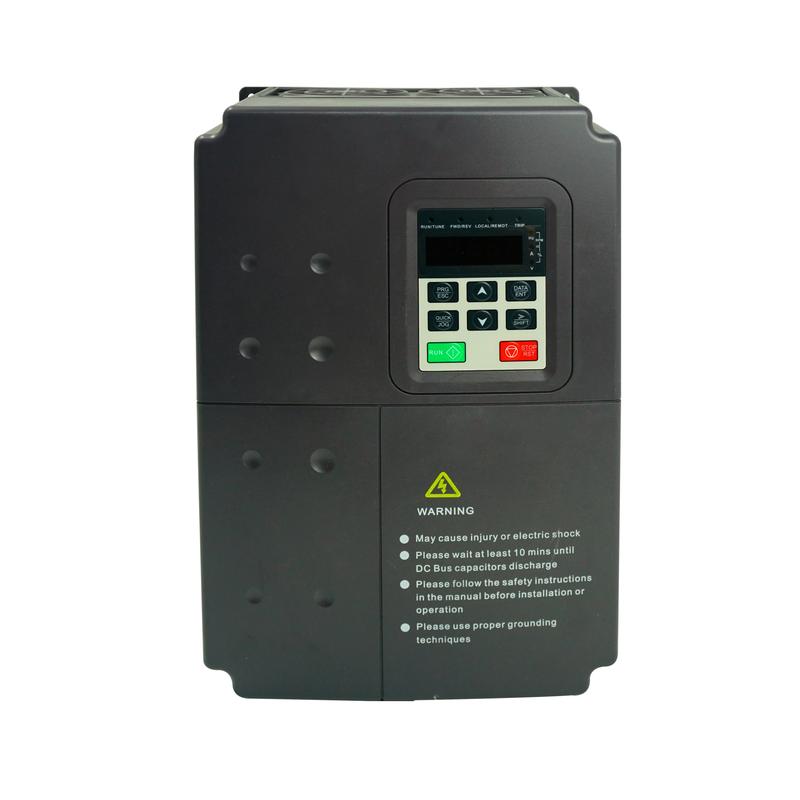
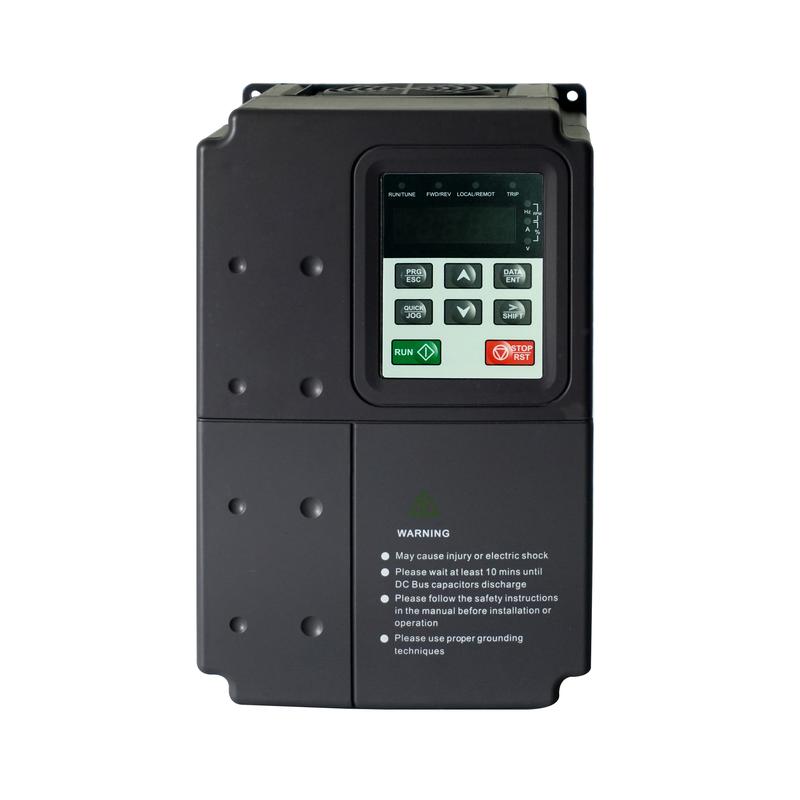
A solar pump inverter converts the variable direct current (DC) from photovoltaic panels into alternating current (AC) to drive water pumps. More importantly, it intelligently adjusts pump speed according to water demand and sunlight conditions, ensuring consistent water flow without wasting energy. Whether used in large-scale agricultural fields, greenhouse farming, or remote rural irrigation, solar pump inverters enable farmers to achieve sustainable water management while reducing operational costs.
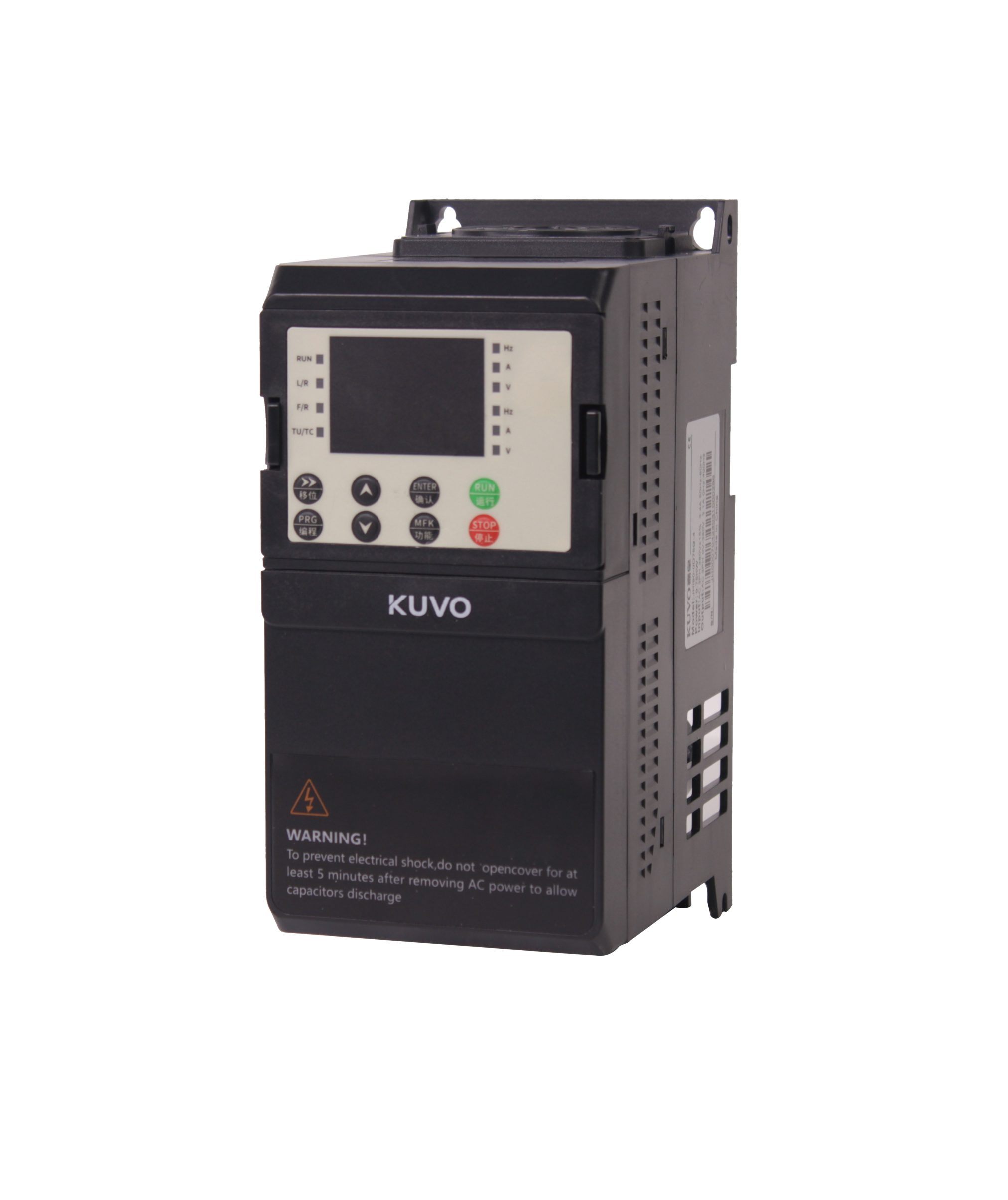
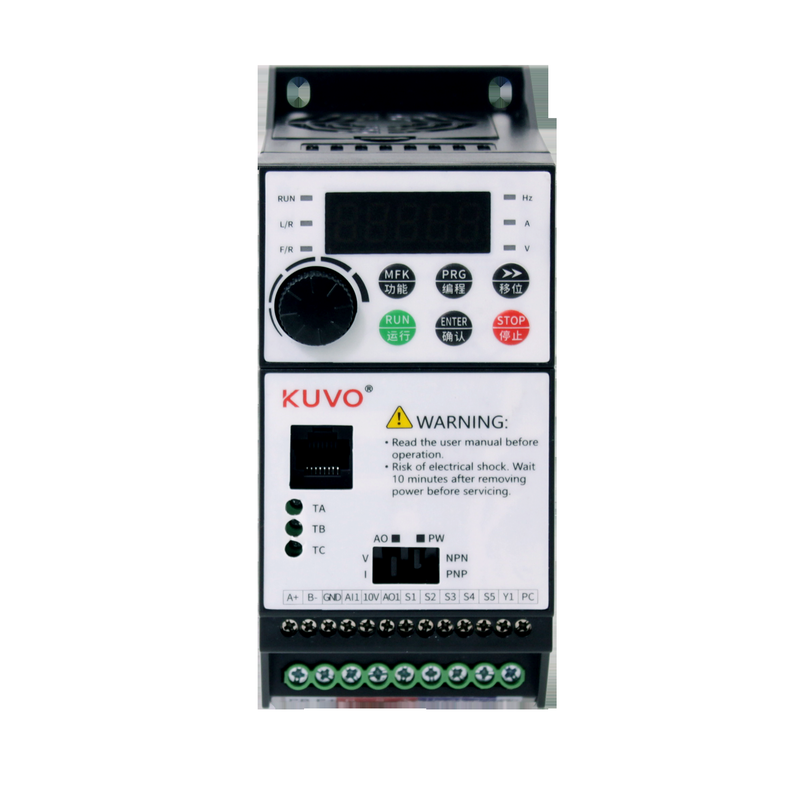
In irrigation applications, this technology not only ensures uninterrupted water delivery during peak sunlight hours but also optimizes system performance through features such as high-performance vector control, soft start-up, and real-time monitoring. Modern models like the KV100A-18.5-22KW and KV90PV-22-30KW offer robust protection, adaptability to variable weather conditions, and long service life—making them a strategic investment for farmers looking to modernize their operations.
1. What Is a Solar Pump Inverter and How Does It Work in Irrigation Systems?
Understanding the Basics of a Solar Pump Inverter
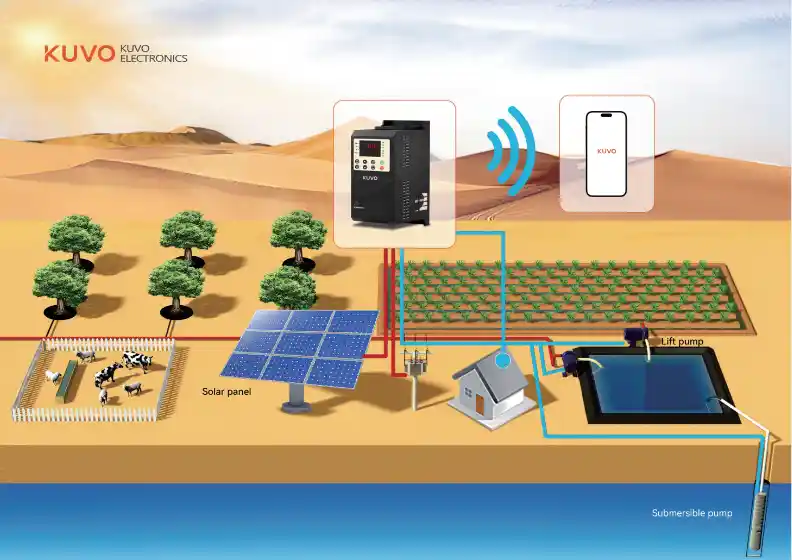
A solar pump inverter is an electronic device that serves as the control hub between solar panels and water pumps. It converts the variable DC power generated by photovoltaic modules into stable AC power suitable for running irrigation pump motors. This conversion is critical because water pumps—whether centrifugal, submersible, or surface—typically require AC input to operate efficiently.
In irrigation systems, the inverter’s role goes beyond basic power conversion. It continuously monitors input voltage, output frequency, and motor load, adjusting pump speed to match real-time irrigation demand. By doing so, it prevents over-pumping, minimizes wear on mechanical parts, and optimizes energy use.
Integration with Solar Power for Irrigation
When integrated into an agricultural irrigation setup, the solar pump inverter becomes the bridge that makes renewable energy practical for day-to-day farming. During sunny periods, it draws maximum power from the solar array to run the pump at optimal speed. If weather conditions change—such as passing clouds—the inverter adjusts the pump output accordingly, maintaining stable water flow without causing motor damage.
For instance, a KV100A-7.5-15KW solar pump inverter can handle medium-sized irrigation systems, delivering reliable water pressure for multiple fields while ensuring efficient energy use. Similarly, a KV90PV-7.5KW-11KW model can serve greenhouse irrigation setups, where precise flow control is essential.
Soft Start and Motor Protection in Agricultural Use
One of the main challenges in pump operation is the mechanical stress caused by sudden start-ups. A solar pump inverter addresses this with a soft start feature, which gradually increases motor speed, reducing torque shocks and extending equipment lifespan. Additionally, built-in protections—such as over-voltage, under-voltage, overload, and dry-run prevention—safeguard both the pump and the irrigation system.
In rural agriculture, where maintenance resources are limited, these features can make the difference between uninterrupted water delivery and costly downtime. Models like the KV100A-4-5.5KW are ideal for small-scale farms that require dependable performance with minimal technical intervention.
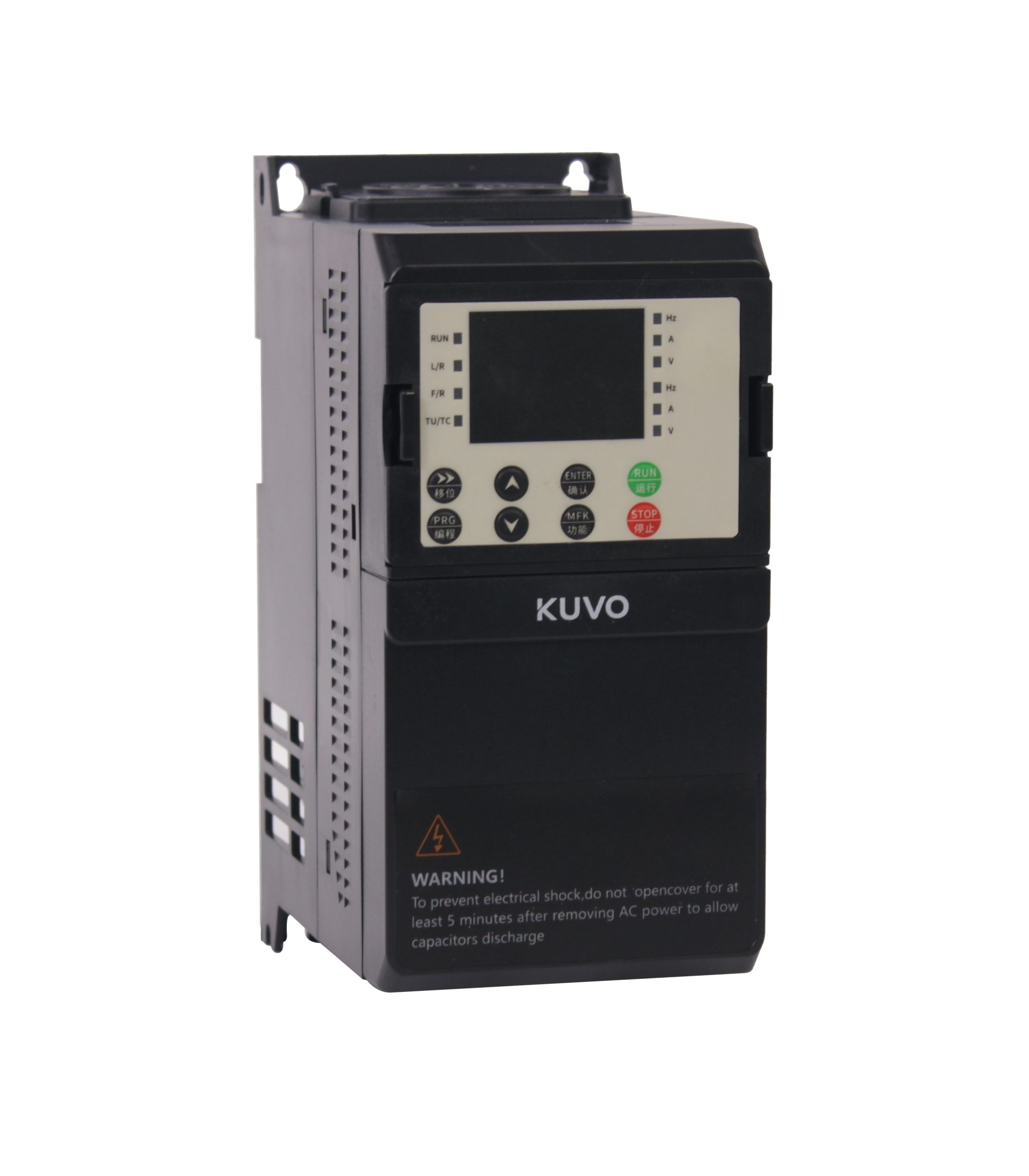
Why Is a Solar Pump Inverter the Best Choice for Efficient Agricultural Water Management?
Precision in Water Delivery
Efficient irrigation is not just about delivering water—it’s about delivering the right amount of water at the right time. A solar pump inverter offers precise motor speed control, enabling farmers to adjust water flow according to crop type, soil moisture levels, and weather patterns. This level of control helps avoid overwatering, prevents waterlogging, and reduces overall water consumption.
For example, the KV100A-18.5-22KW solar pump inverter is capable of supplying consistent water pressure for large-scale irrigation networks, ensuring that every section of the farm receives an optimal amount of water without fluctuations.
Energy Efficiency and Cost Savings
Traditional irrigation systems powered by grid electricity or diesel generators often suffer from high operational costs and low energy efficiency. Solar pump inverters directly tap into renewable energy from the sun, cutting down or even eliminating electricity bills and fuel expenses. Furthermore, by adjusting the pump’s output to match real-time demand, they reduce energy waste significantly.
Over time, these savings can translate into substantial reductions in operating costs, especially for farms located in regions with high electricity prices or limited access to affordable power.
Adaptability to Different Irrigation Methods
Agriculture uses diverse irrigation methods, including drip irrigation, sprinkler systems, and flood irrigation. A well-chosen solar pump inverter can adapt to all of these, ensuring the pump operates at the correct speed and pressure for each application. Models like the KV90PV-15-18KW provide high-performance vector control, making them suitable for systems that require rapid response to changing water demands.
This adaptability also means that farmers can expand or modify their irrigation setup without replacing the inverter, making it a long-term investment.
How to Select the Right Solar Pump Inverter for Different Irrigation Scales?
Assessing Irrigation Area and Water Demand
The first step in choosing a solar pump inverter is to understand the total irrigation area and the amount of water required per cycle. Small farms or greenhouse operations may require lower capacity inverters like the KV100A-0.75-2.2KW, which are ideal for powering compact pumps with lower flow rates. In contrast, large agricultural fields with extensive piping networks may need higher capacity models such as the KV90PV-22-30KW to maintain stable pressure across long distances.
Knowing your daily and seasonal water needs will help determine the appropriate inverter capacity and ensure the system operates efficiently without overloading the motor.
Matching Pump Type with Inverter Specifications
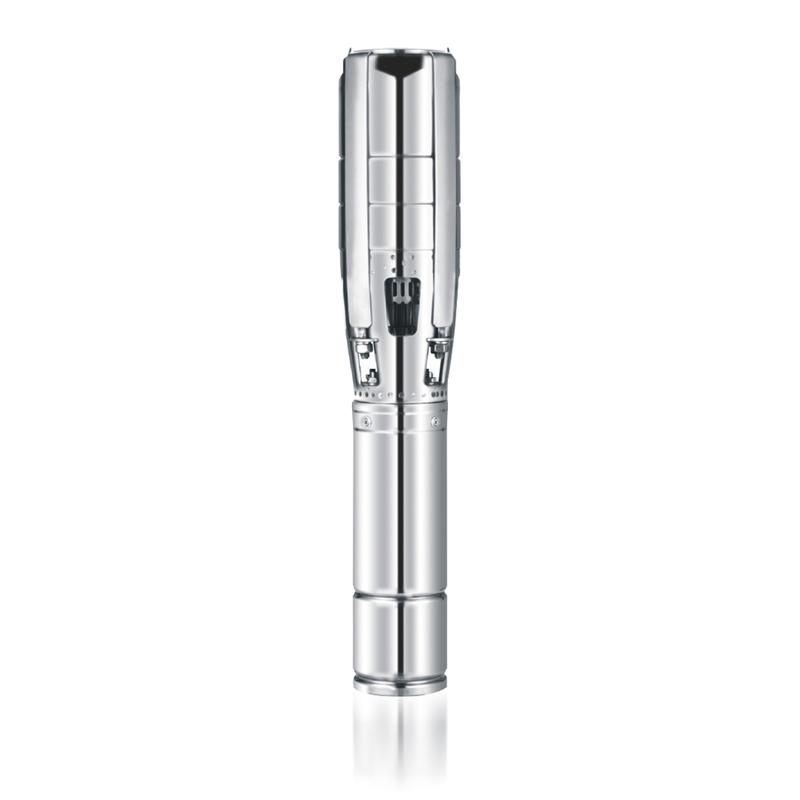
Not all pumps are the same—submersible, centrifugal, and surface pumps have different performance characteristics. A solar pump inverter must be compatible with the pump’s motor type, voltage requirements, and starting torque. For example, the KV100A-4-5.5KW can handle smaller submersible pumps in localized irrigation zones, while the KV100A-7.5-15KW is better suited for multi-zone sprinkler systems that demand higher output power.
Matching these specifications ensures the pump runs smoothly, prevents overheating, and prolongs the lifespan of the system.
Considering Environmental and Weather Conditions
In regions with strong seasonal variations in sunlight, choosing an inverter with advanced MPPT (Maximum Power Point Tracking) and high-performance vector control is essential. These features allow the inverter to adjust to fluctuating solar input, ensuring consistent water delivery even during partly cloudy days.
Models in the KV90PV series, for instance, are designed to operate reliably under changing weather conditions while maintaining optimal pump performance. This makes them a dependable choice for farms located in climates with unpredictable sunshine patterns.
What Features Ensure Long-Term Reliability of a Solar Pump Inverter in the Field?
High-Performance Vector Control for Stable Operation
One of the most important factors in ensuring long-term reliability is high-performance vector control. This technology allows the inverter to deliver precise torque and speed adjustments, keeping the pump running smoothly even when solar input fluctuates. In agricultural irrigation, where stable water pressure is critical, models like the KV100A-18.5-22KW and KV90PV-15-18KW can maintain consistent performance for extended periods without excessive wear on the motor.
Robust Protection Mechanisms
A durable solar pump inverter must be equipped with multiple protection features to prevent damage from both electrical and environmental risks. Over-voltage, under-voltage, overload, short-circuit, and dry-run protection are essential to safeguard the system from sudden failures. For instance, the KV90PV-7.5KW-11KW includes built-in safety controls that automatically adjust or shut down operations when abnormal conditions are detected, reducing downtime and maintenance costs.
Weatherproof and Field-Ready Design
Since irrigation systems often operate in open fields, the inverter must be able to withstand dust, humidity, and temperature extremes. An IP-rated enclosure, efficient heat dissipation, and corrosion-resistant components are vital for protecting the electronics from harsh outdoor conditions. Smaller-scale models like the KV100A-0.75-2.2KW are designed for compact installations, while larger units in the KV90PV range are engineered for rugged performance in demanding agricultural environments.
Easy Maintenance and Monitoring
Long-term reliability also depends on how easy it is to maintain and monitor the inverter’s performance. Modern solar pump inverters often include user-friendly interfaces, remote monitoring options, and diagnostic tools to detect potential issues before they lead to system failure. This predictive maintenance capability helps farmers avoid unexpected disruptions during critical irrigation periods.
How Can You Maximize the Performance of a Solar Pump Inverter Through Proper Installation and Maintenance?
Correct Sizing and Placement of Solar Panels
To ensure optimal performance, the solar pump inverter must receive adequate and stable power from the photovoltaic array. This means correctly sizing the solar panels based on the inverter’s capacity and placing them at the right tilt and orientation for maximum sunlight exposure. For example, a KV90PV-22-30KW powering a large irrigation pump will require a substantial solar array, while a KV100A-4-5.5KW can operate efficiently with fewer panels in a smaller setup.
Proper Installation of Electrical Connections
Accurate wiring and secure electrical connections are crucial for safe and efficient operation. Using high-quality cables, ensuring proper grounding, and following the manufacturer’s wiring diagrams help prevent voltage drops and overheating. This is particularly important in rural agricultural settings where inverters may be installed far from the pump location.
Routine System Checks
Regular inspections can extend the lifespan of both the inverter and the pump. This includes checking for dust buildup, ensuring ventilation systems are unobstructed, and verifying that the cooling fans operate properly. In addition, inspecting solar panels for dirt or shading can help maintain consistent power output.
Utilizing Built-In Monitoring Tools
Many modern solar pump inverters, such as the KV100A-7.5-15KW, feature digital displays or remote monitoring capabilities that provide real-time data on voltage, current, and motor performance. By tracking these metrics, users can detect early signs of inefficiency or wear, allowing preventive maintenance before costly breakdowns occur.
Conclusion
In modern agricultural irrigation, a solar pump inverter is more than just an energy-saving device—it is a strategic solution for achieving reliable, efficient, and sustainable water management. By converting solar energy into precisely controlled power for pumps, it ensures consistent water delivery, adapts to changing weather conditions, and protects equipment from operational risks.
From small-scale farms using compact models like the KV100A-0.75-2.2KW to large-scale irrigation networks powered by the KV90PV-22-30KW, the right solar pump inverter can significantly reduce operational costs while enhancing system performance. When paired with proper installation, regular maintenance, and effective monitoring, this technology offers long-term reliability and a strong return on investment.
For agricultural professionals seeking proven performance and durability, LCGK offers a complete range of solar pump inverters—including the KV100A and KV90PV series—engineered to deliver dependable irrigation solutions in the most demanding environments.
 English
  French
  Arabic
  German
  Portuguese
  Spanish
  Italian
  Polish
  Russian
  Indonesian
  Turkish
  Bulgarian
  Dutch
Dutch  Japanese
  Korean
  Czech
Czech  Danish
  Greek
Greek  Estonian
  Finnish
  Hungarian
  Lithuanian
  Latvian
  Romanian
  Slovak
  Slovenian
  Swedish
  Ukrainian
  Chinese