
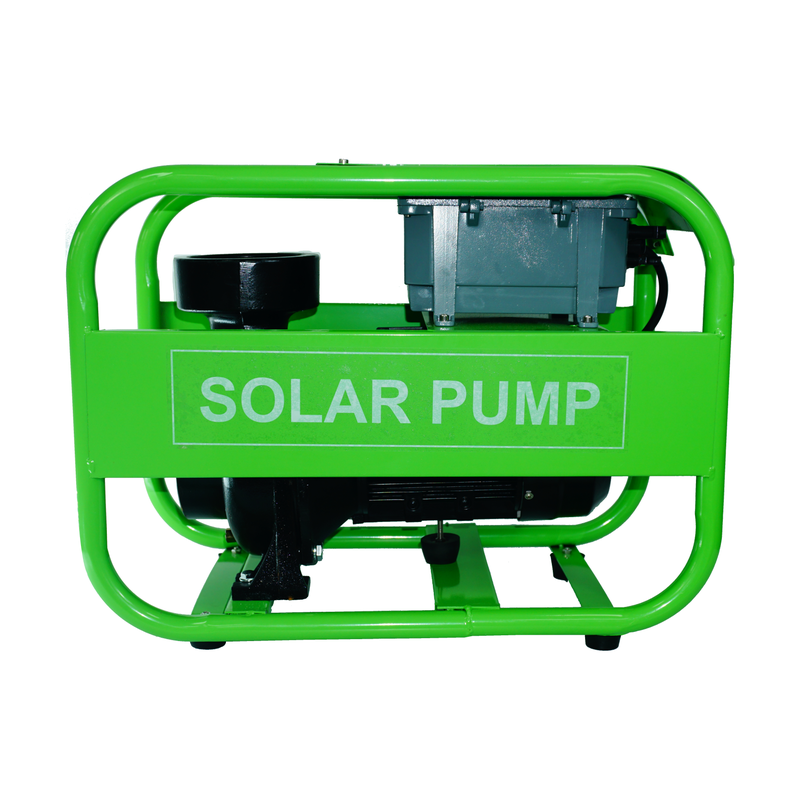
In today’s search for sustainable and cost-effective water solutions, the solar pump inverter has become a critical technology for modern pumping systems. Traditional water pumps often run at a fixed speed, which not only wastes energy but also reduces the lifespan of equipment. By integrating advanced inverter control with solar energy, a solar pump inverter ensures that water pumps operate efficiently, adapt to varying load demands, and deliver consistent performance in different environments.
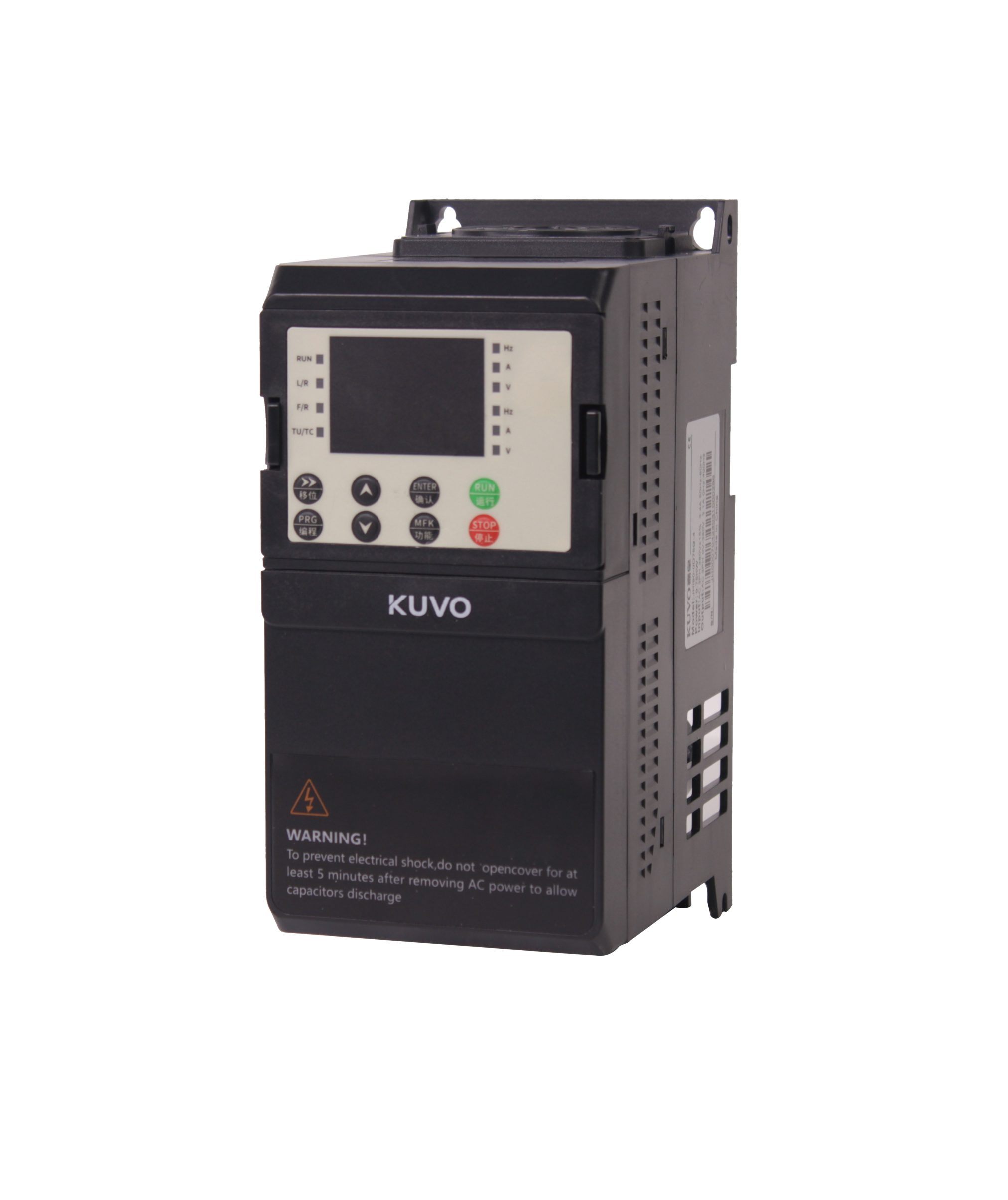
From agricultural irrigation and livestock watering to community water supply and industrial operations, solar pump inverters provide a reliable alternative to grid-powered or diesel-driven systems. They optimize energy use, reduce maintenance requirements, and guarantee long-term savings. With models ranging from low-power solutions for small-scale applications to high-capacity systems for large operations, solar pump inverters are becoming the preferred choice for industries and organizations aiming to balance performance with sustainability.
What Is a Solar Pump Inverter and How Does It Work?
Understanding the Core Concept
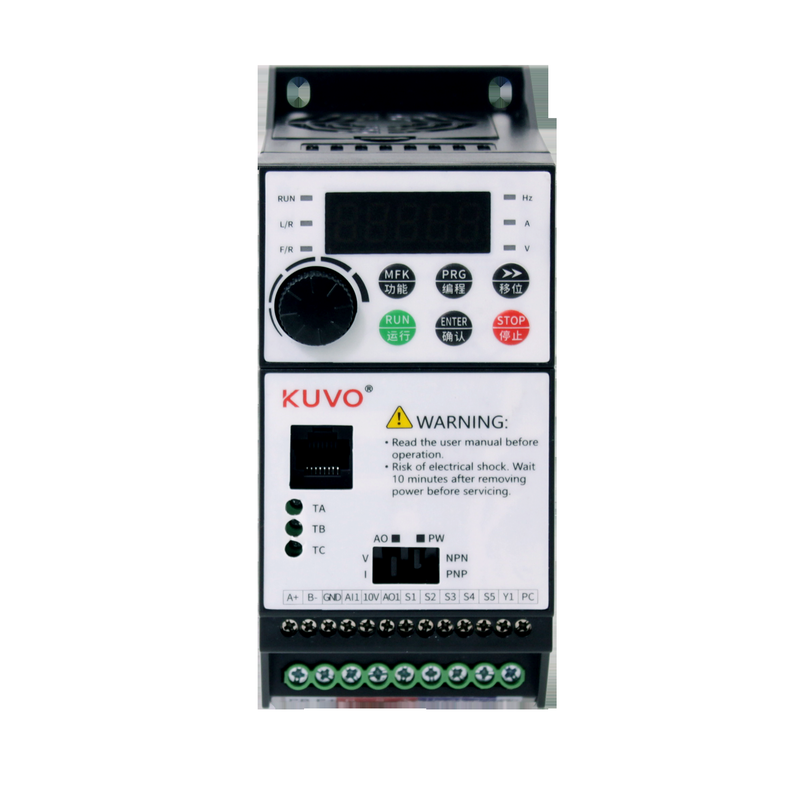
A solar pump inverter is a control device that converts the direct current (DC) generated by solar panels into alternating current (AC) to drive water pumps. Unlike traditional fixed-speed pumps, it allows dynamic regulation of motor speed and torque, ensuring that the pump operates according to actual water demand instead of running at full capacity all the time.
How Energy Conversion Takes Place
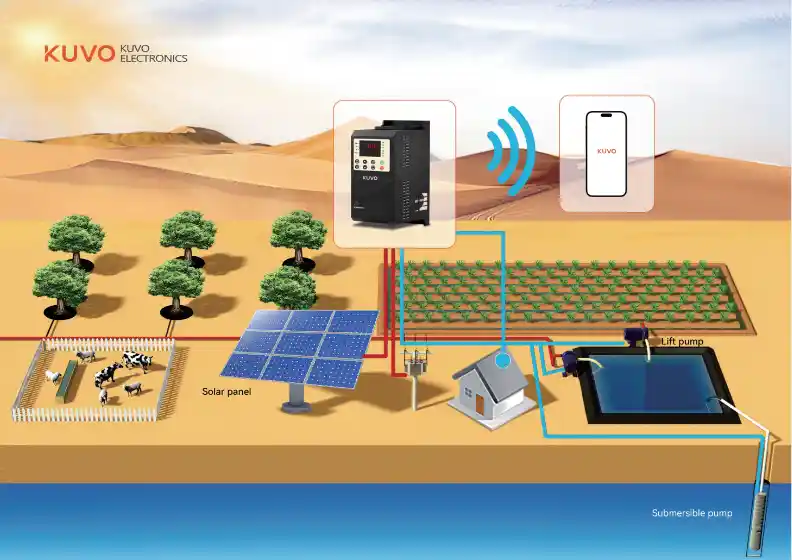
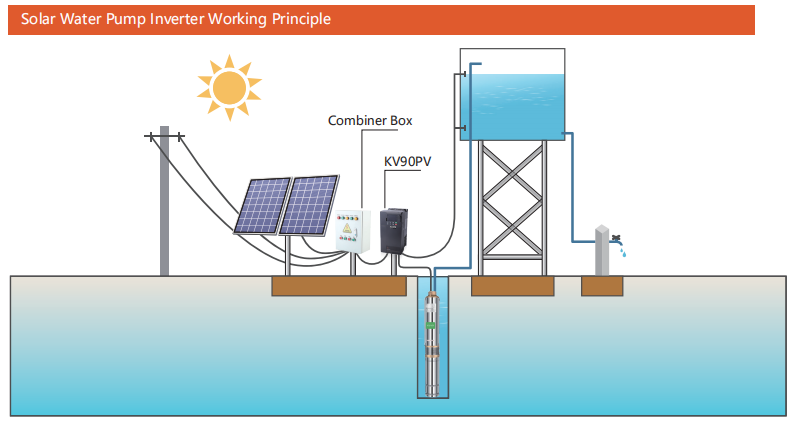
The process starts with solar panels capturing sunlight and producing DC power. The inverter then transforms this power into AC, while intelligently adjusting frequency and voltage to match the pump’s operating conditions. This ensures smooth startup, stable water flow, and maximum utilization of available solar energy.
Control and Efficiency Advantages
Modern inverters feature vector control technology, which enables precise speed regulation without the need for external sensors. This allows pumps to adapt quickly to changes in sunlight intensity, water levels, or seasonal demand. The result is lower energy consumption, reduced wear on equipment, and extended system life.
Comparison with Traditional Pumping Systems
Conventional pumps: Operate at constant full speed, leading to wasted electricity and shorter equipment lifespan.
Solar pump inverters: Adjust automatically, reducing operational costs and providing stable performance even in challenging environments.
Why Is a Solar Pump Inverter Essential for Energy Efficiency?
Reducing Unnecessary Energy Waste
Traditional pumps often run at full speed regardless of water demand, which leads to significant power waste. A solar pump inverter solves this issue by adjusting motor frequency and speed based on real-time requirements. For example, during periods of lower demand, the inverter slows the pump down, conserving both electricity and mechanical components.
Maximizing Solar Energy Utilization
By seamlessly converting solar-generated DC into controlled AC, the inverter ensures that every unit of solar power is put to use effectively. This means less reliance on costly grid electricity or diesel fuel, which directly reduces operational expenses. Even in regions with fluctuating sunlight, the inverter maintains stable output by balancing energy supply with water demand.
Lowering Long-Term Operational Costs
Energy efficiency directly translates into reduced operating costs. Over time, savings on fuel, electricity, and maintenance accumulate into substantial financial benefits. Many farms, communities, and businesses have reported that solar pump inverter systems pay for themselves within just a few years due to reduced utility bills and fewer breakdowns.
Environmental and Sustainability Benefits
Beyond economic savings, the use of solar pump inverters contributes to sustainability goals. By reducing dependence on fossil fuels, they help lower carbon emissions while ensuring a cleaner, renewable source of energy for water pumping. This dual advantage of cost reduction and environmental responsibility makes them a forward-looking investment.
What Key Features Should You Look for in a Solar Pump Inverter?
Advanced Vector Control for Stable Operation
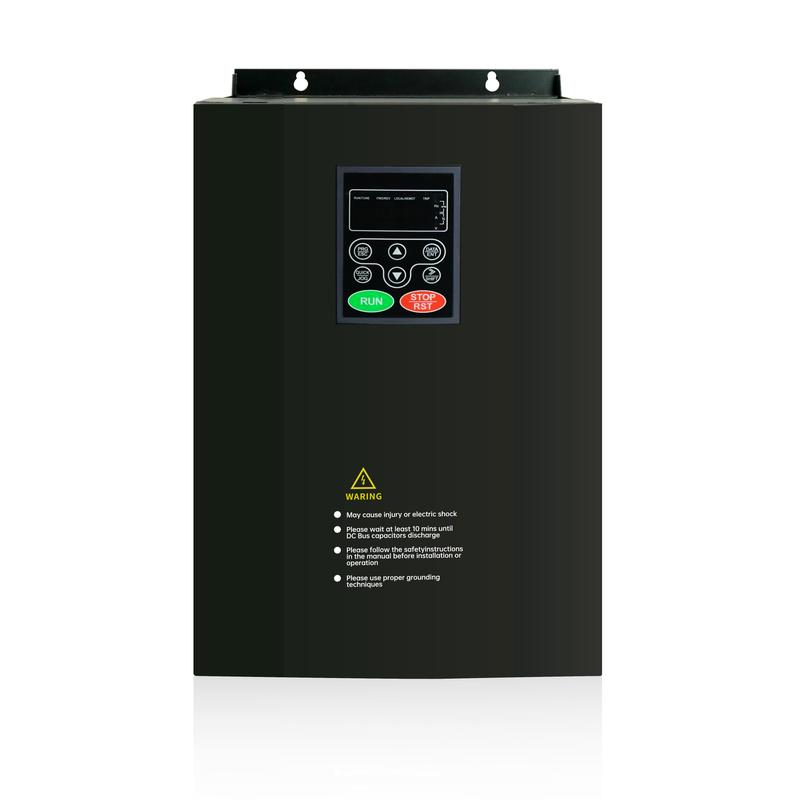
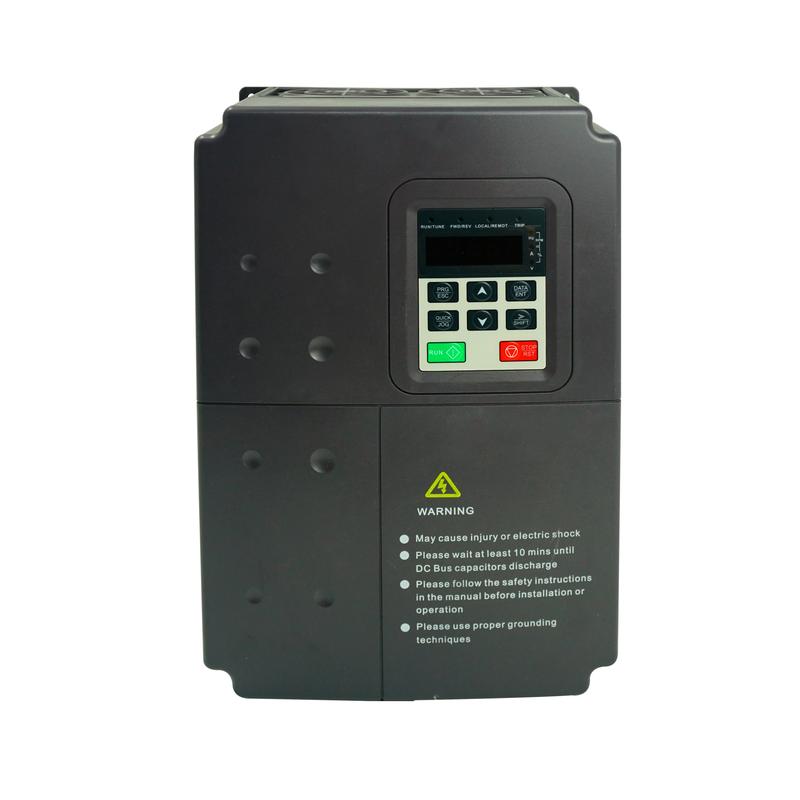
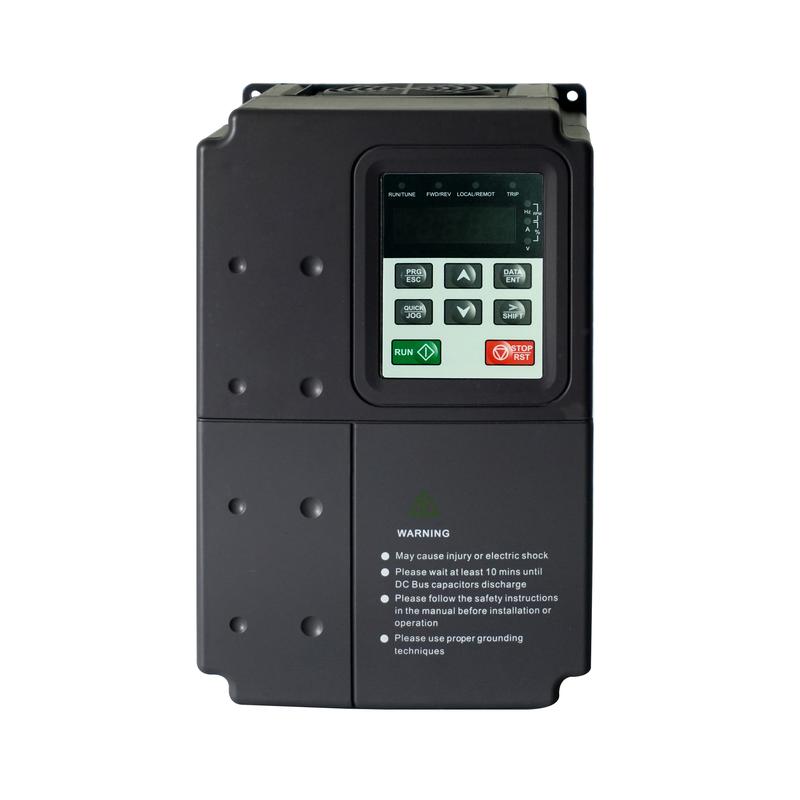
One of the most important features of a high-quality solar pump inverter is advanced vector control technology. This function allows pumps to run smoothly under changing load conditions, offering both sensor-free vector control and closed-loop vector control. For example, the KV100A-0.75–2.2KW and KV100A-4–5.5KW models are designed with high dynamic response, ensuring stable water supply in small to medium pumping applications.
Wide Power Range to Fit Different Applications
Different water systems require different inverter capacities. The KV100A series covers a wide spectrum, from 7.5–15KW for mid-sized projects to 18.5–22KW for larger systems. Similarly, the KV90PV series provides flexibility with models like KV90PV-4KW–5.5KW and KV90PV-22–30KW, making it suitable for both agricultural irrigation and large-scale industrial pumping.
Energy-Saving and Cost-Effective Design
Modern solar pump inverters are engineered for maximum efficiency. By matching pump output to actual demand, they significantly lower electricity costs. Over time, this ensures not only reduced energy consumption but also minimized maintenance expenses due to less mechanical stress on the pump.
Protection and Reliability in Harsh Conditions
High-quality inverters come with multiple protective features, including overload protection, under-voltage protection, and surge resistance. This ensures uninterrupted operation even in regions with unstable energy conditions. Models such as the KV90PV-7.5–11KW and KV90PV-15–18KW are particularly designed to withstand demanding outdoor environments.
Easy Integration and Flexibility
Many modern inverters are user-friendly, with simple setup interfaces and compatibility across different pump systems. This makes them easier to deploy in both new installations and retrofitted water projects, helping businesses and organizations transition smoothly to solar-powered solutions.
How Can a Solar Pump Inverter Improve Long-Term System Reliability?
Extending Pump Lifespan Through Smarter Control
A major advantage of using a solar pump inverter is its ability to protect pumps from unnecessary stress. Traditional systems often start at full voltage, causing sudden mechanical strain and premature wear. In contrast, inverters provide a soft start function, which gradually increases motor speed. This not only reduces mechanical shock but also extends the operational lifespan of pumps across different capacities, from small models like KV100A-0.75–2.2KW to larger systems such as KV90PV-22–30KW.
Ensuring Stable Water Supply in Fluctuating Conditions
Whether it’s seasonal changes in water demand or fluctuating sunlight, a solar pump inverter automatically adjusts pump output to maintain steady performance. For example, during cloudy days or partial shading, the inverter optimizes available solar power to keep the pump running smoothly. This stability is critical for irrigation, livestock watering, and industrial operations where uninterrupted water supply is essential.
Reducing Maintenance Needs and Downtime
Because the inverter prevents pumps from running at unnecessary high speeds, it reduces mechanical friction, overheating, and electrical overload. This means fewer breakdowns, less frequent part replacements, and lower maintenance costs over the long term. Models like the KV90PV-7.5–11KW and KV100A-7.5–15KW are designed with built-in protective functions that safeguard the system against voltage fluctuations and overloads.
Protecting Against Harsh Environmental Factors
In demanding environments where dust, heat, or unstable voltage can cause frequent failures, solar pump inverters provide an additional layer of reliability. Their intelligent monitoring and fault-detection functions ensure that pumps shut down safely during extreme conditions, preventing costly damage and ensuring system longevity.
Which Solar Pump Inverter Models Are Suitable for Different Applications?
Small-Scale Applications: Compact and Efficient Choices
For small farms, household water systems, or localized irrigation, compact models offer the best balance of affordability and efficiency. The KV100A-0.75–2.2KW and KV100A-4–5.5KW inverters are designed for low to moderate pumping needs. These units provide high-performance vector control, soft start protection, and energy savings—making them ideal for daily use in smaller operations where stable flow is required without overloading the system.
Medium-Scale Applications: Reliable Performance for Growing Demand
When operations expand and water requirements increase, medium-capacity inverters become essential. The KV100A-7.5–15KW and KV90PV-7.5–11KW models are well-suited for larger farms, greenhouse irrigation, or community water distribution systems. They deliver stable pressure control, adapt quickly to variable sunlight, and ensure continuous supply even during peak demand periods.
Large-Scale Agricultural and Industrial Operations
For extensive irrigation projects, livestock farms, or industrial water supply, high-capacity models are the most reliable option. The KV100A-18.5–22KW and KV90PV-22–30KW inverters are engineered to handle heavy workloads with advanced vector control and enhanced durability. These systems are capable of managing powerful pumps that run for extended hours, providing efficiency, reduced energy costs, and long-term system reliability.
Flexible Models for Diverse Environments
Between these ranges, versatile options like the KV90PV-15–18KW and KV90PV-4–5.5KW provide flexibility for projects that fall between small and large applications. Their adaptability makes them suitable for farms with seasonal variations in water demand, or for organizations that require a balance between power and cost-effectiveness.
Choosing the Right Inverter for Your Needs
The selection of a solar pump inverter should consider factors such as water demand, pump size, sunlight availability, and long-term operational goals. By matching the right model—whether it’s a compact KV100A unit or a high-power KV90PV solution—users can ensure efficient energy use, stable water delivery, and dependable performance across different applications.
Conclusion
The adoption of a solar pump inverter is more than just an upgrade in pumping technology—it is a long-term investment in efficiency, stability, and sustainability. By intelligently adjusting pump speed according to demand and maximizing the use of solar energy, these inverters significantly reduce energy consumption, extend pump lifespan, and lower maintenance costs.
From small-scale farms to large industrial water projects, the flexibility of different models ensures that every application can benefit from reliable and cost-effective performance. The KV100A series (0.75–22KW) and KV90PV series (0.75–30KW) are excellent examples of how advanced inverter technology meets diverse water pumping needs with robust design, high-performance vector control, and comprehensive protective features.
By choosing trusted solutions such as those from LCGK, businesses and organizations can secure long-term operational reliability while contributing to sustainable water management.
 English
  French
  Arabic
  German
  Portuguese
  Spanish
  Italian
  Polish
  Russian
  Indonesian
  Turkish
  Bulgarian
  Dutch
Dutch  Japanese
  Korean
  Czech
Czech  Danish
  Greek
Greek  Estonian
  Finnish
  Hungarian
  Lithuanian
  Latvian
  Romanian
  Slovak
  Slovenian
  Swedish
  Ukrainian
  Chinese