
In today’s energy-conscious world, solar-powered systems have become a practical and cost-effective solution for water pumping applications across agriculture, infrastructure, and remote water access. Among these innovations, the solar pump inverter plays a central role in bridging the gap between solar energy and efficient water delivery. These intelligent devices ensure that pumps operate at optimal speeds, adapt to changing sunlight conditions, and reduce overall energy waste.
Whether you’re managing large-scale irrigation networks, off-grid water systems, or rural community water supply, understanding how a solar pump inverter functions—and how to select the right one—can significantly improve your system’s performance and long-term reliability. This article explores the core features of solar pump inverters, the importance of advanced control technologies like vector control, and how to choose models that match real-world operational needs.
Let’s begin with the basics: what exactly is a solar pump inverter, and why is it becoming indispensable?
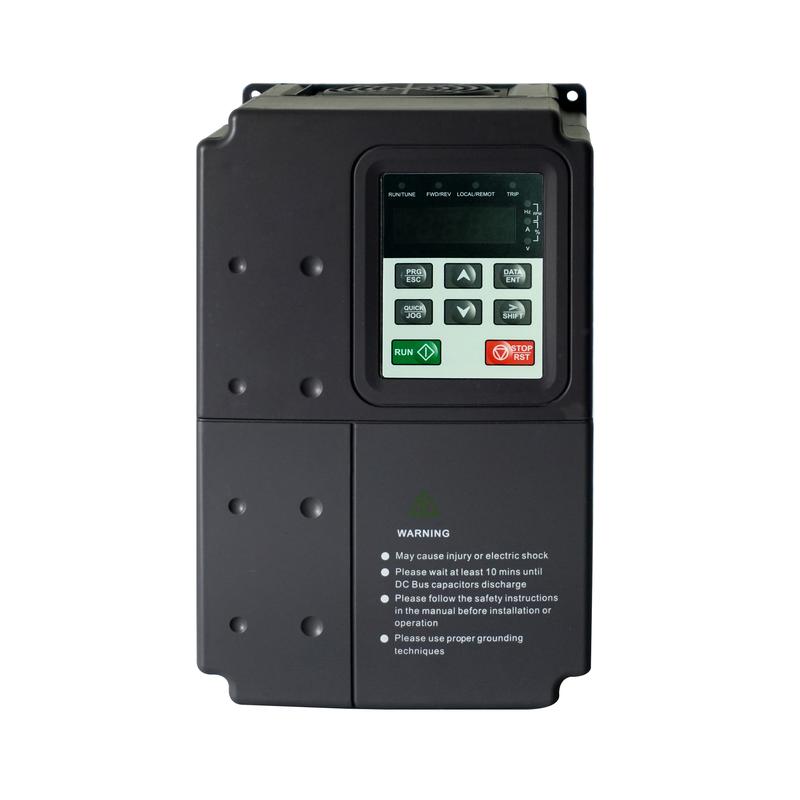
What Is a Solar Pump Inverter and How Does It Work in Water Systems?
Definition and Core Role
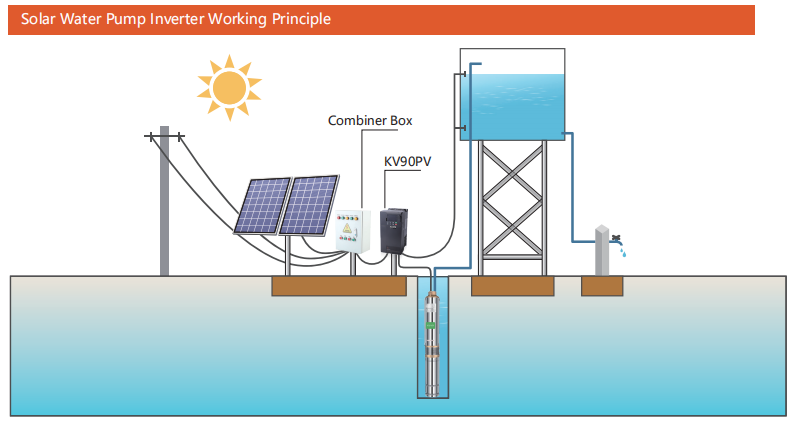
A solar pump inverter is a specialized electronic device designed to convert direct current (DC) electricity from solar panels into alternating current (AC) to power water pumps. Unlike standard inverters, solar pump inverters are built with adaptive control logic that aligns power output with solar input conditions and water demand—making them ideal for agricultural irrigation, livestock watering, and rural or remote water supply systems.
How It Works: From Sunlight to Flow
The process starts when solar panels collect sunlight and generate DC electricity. The inverter then:
Converts DC into usable AC for conventional pumps.
Adjusts motor frequency and voltage in real time to match solar availability.
Ensures smooth startup and shutdown to protect pump hardware.
Maintains continuous water flow, even under fluctuating sunlight conditions.
This real-time adaptation reduces energy waste and extends pump life, while also eliminating the need for complex battery systems or grid connections.
Intelligent Control Makes the Difference
Modern models such as KV100A-0.75-2.2KW or KV90PV-7.5KW-11KW feature intelligent MPPT (Maximum Power Point Tracking) and high-speed response algorithms. These ensure that the inverter extracts the maximum available solar power and feeds it efficiently to the pump—even during cloudy or low-radiation periods.
Application Scenarios
Farmland irrigation: Automated daily cycles based on sunlight.
Livestock water supply: Reliable even in remote locations.
Municipal off-grid projects: Sustainable water without fossil fuels.
By enabling precise power management and solar energy conversion, the solar pump inverter becomes the heart of an efficient, eco-friendly pumping system.

Why Is High-Performance Vector Control Crucial for Solar Pump Efficiency?
What Is Vector Control in Inverter Technology?
Vector control, also known as field-oriented control (FOC), is an advanced motor control strategy that enables inverters to precisely manage the speed and torque of a pump motor. Rather than using simple voltage-frequency (V/F) adjustments, vector control dynamically controls motor currents in two perpendicular components—resulting in smoother, more accurate, and highly efficient performance.
Why It Matters in Solar Pumping Systems
In a solar-powered water pump setup, sunlight levels change throughout the day. These fluctuations affect power availability and can cause unstable pump performance without a responsive control system. Vector control solves this by:
Providing rapid torque response during dips or surges in solar input.
Improving energy efficiency by ensuring motors only use the power they need.
Reducing mechanical stress on pumps, leading to less wear and longer lifespan.
Enabling soft start and stop, which protects both the motor and the water system infrastructure.
This is especially useful in systems that rely on varying solar radiation levels, such as those used in mountainous regions or cloudy climates.
Model Examples with Vector Control
LCGK’s KV100A series—including models like KV100A-4-5.5KW and KV100A-7.5-15KW—come with built-in high-performance vector control. They support:
Sensor-free vector control, reducing the need for external hardware.
Closed-loop vector control, for systems that demand precision flow and pressure control.
Dynamic response capabilities, enabling instant adjustments based on solar availability or water load changes.
Real-World Value
In field applications, this level of control ensures that even under partial shading or cloudy conditions, the system maintains steady water flow without power spikes or motor overload. This makes vector-controlled inverters a critical choice for users looking to maximize both operational reliability and solar return on investment.
How to Choose the Right Solar Pump Inverter for Different Pumping Needs?
Understand Your Pump Type and Load Requirements
The first step in selecting a solar pump inverter is to clearly define the specifications of your water pump system:
Pump type: Submersible or surface?
Motor power rating: Typically measured in kilowatts (kW).
Required flow rate and head: Determines how much water needs to be moved and how far.
Power source: Will it be fully solar or hybrid with grid/diesel backup?
Matching the inverter’s power output and control features to your pump ensures reliable performance and prevents over- or under-driving the motor.
Power Range Selection Guide
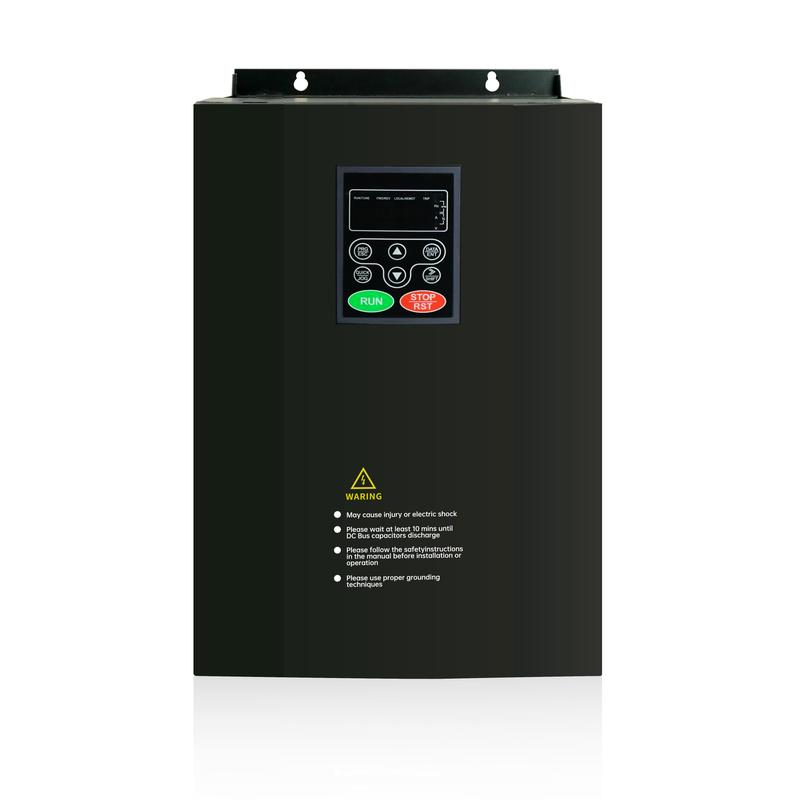
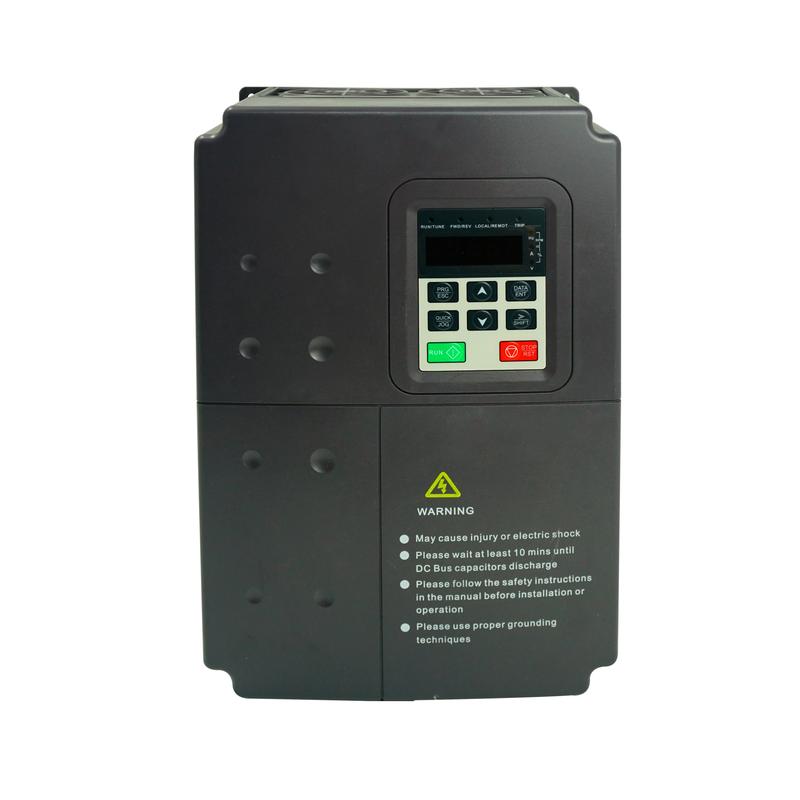
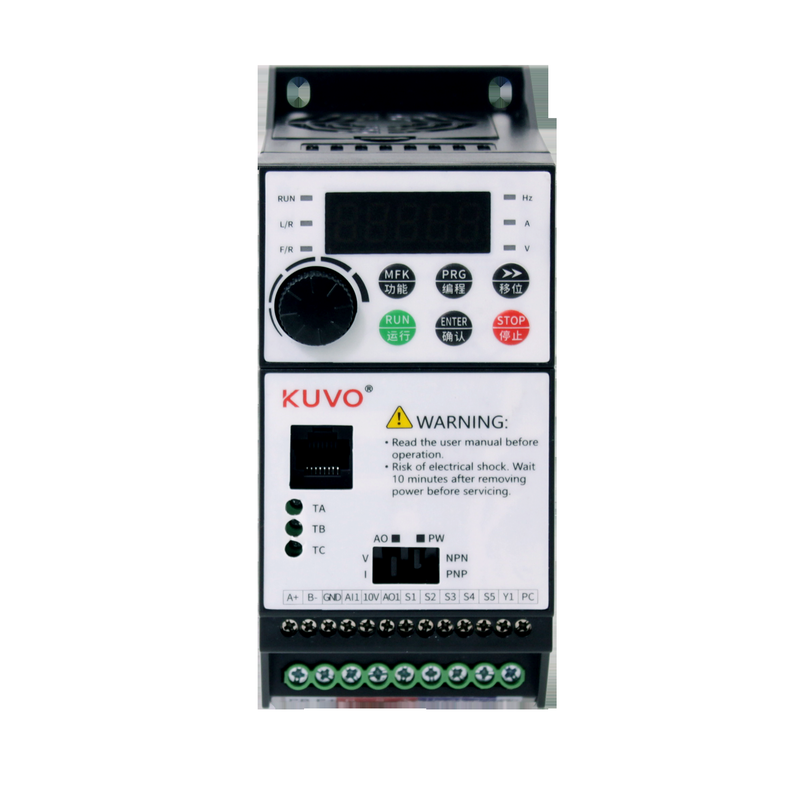
LCGK offers a full range of solar pump inverter models tailored to various needs:
| Model | Power Range | Application Scenario |
| KV100A-0.75–2.2KW | Small gardens, drip irrigation | Ideal for low-head systems |
| KV100A-4–5.5KW | Medium-scale farming, household use | Efficient for shallow wells |
| KV100A-7.5–15KW | Rural water supply, multi-zone irrigation | Good for mid-depth boreholes |
| KV100A-18.5–22KW | Large-scale farms, commercial irrigation | Handles higher flow and head |
| KV90PV-0.75–2.25KW to KV90PV-22–30KW | Versatile pump types | Designed for broad compatibility and advanced MPPT control |
Each model offers vector control, MPPT, and auto start/stop, but higher-wattage models often come with more advanced monitoring, heat dissipation, and protection features.
Environmental and System Conditions
Also consider:
Solar radiation profile of your area.
Altitude and ambient temperature—both affect inverter cooling.
Pump depth and pressure requirements.
Hybrid compatibility if you need grid or generator backup.
Installation Considerations
Some inverters, especially in the KV90PV series, offer features like:
Integrated display panels
IP65 protection ratings
Easy wiring terminals
These make setup faster and maintenance easier—especially in remote areas with limited technical support.
What Are the Key Advantages of Using a Solar Pump Inverter in Remote and Off-Grid Areas?
Energy Independence in Isolated Locations
One of the most compelling reasons to adopt a solar pump inverter system is its ability to function independently of the electrical grid. In areas where electricity access is limited, unreliable, or completely absent, solar inverters convert freely available sunlight into usable energy for water pumps—delivering sustainable water access without ongoing fuel or utility costs.
This is especially valuable for:
Remote farms and ranches
Mountain villages
Off-grid development zones
Disaster-prone areas where grid power is unstable
Reliable Water Supply Without Fuel Logistics
Traditional generator-powered pumps require regular fuel delivery, ongoing maintenance, and exposure to fuel price volatility. Solar pump inverters eliminate these constraints:
No diesel, no refueling, no emissions
Lower total cost of ownership
Reduced human intervention and maintenance
In regions where supply chains are weak or transportation is limited, this autonomy can mean the difference between operational continuity and system failure.
Daylight-Driven Automation
Modern inverters—like LCGK’s KV90PV-4KW–5.5KW and KV90PV-15–18KW—feature auto-start/stop logic based on solar intensity:
Pumps start automatically at sunrise and shut down at sunset.
No manual switching or staff presence required.
Intelligent MPPT ensures maximum efficiency, even on cloudy days.
This enables seamless, daily irrigation and water delivery cycles perfectly aligned with the solar schedule.
Low Maintenance and High Durability
Solar pump inverters are designed for tough environments:
Dust-proof and moisture-resistant casings (IP65 and above)
Built-in surge and thermal protection
No moving parts, minimizing wear and tear
Even in challenging terrain or harsh climates, inverters like the KV100A-18.5–22KW can operate reliably with minimal service intervention—making them ideal for unattended, long-term installations.
How Can You Maximize System Reliability and Lifespan with the Right Inverter Technology?
Choose an Inverter with Advanced Protection Features
A reliable solar pumping system starts with an inverter that offers comprehensive protection mechanisms. High-quality inverters safeguard both the motor and themselves from:
Over-voltage and under-voltage
Over-current
Over-temperature
Dry run and phase failure
LCGK’s KV90PV-22–30KW and KV100A-7.5–15KW models, for example, are equipped with multi-layer protection logic and automatic fault recovery, ensuring safe operation under a variety of challenging conditions.
Utilize MPPT and Vector Control Together
To extend system life and enhance efficiency:
MPPT (Maximum Power Point Tracking) ensures solar panels are always operating at their optimal output level, minimizing energy losses.
Vector control maintains smooth motor operation and adjusts performance dynamically based on demand.
The synergy of these two technologies reduces unnecessary strain on both inverter and pump, promoting longer equipment lifespan and lower maintenance costs.
Ensure Proper System Sizing and Compatibility
An oversized inverter may increase initial cost, while an undersized one will overheat or fail prematurely. Always:
Match inverter output power to pump motor rating.
Account for voltage type (single/three-phase).
Ensure compatibility with solar panel array specifications (open circuit voltage, max power current, etc.).
Models like KV100A-0.75–2.2KW are ideal for small systems, while larger ones like KV90PV-15–18KW suit commercial-grade water distribution.
Optimize Installation and Cooling Conditions
Even the best inverter can fail if installed improperly. To maximize lifespan:
Mount the inverter in a well-ventilated, shaded area.
Avoid direct exposure to rain or extreme heat (unless rated for it).
Check terminal connections periodically and remove dust buildup.
Advanced models come with intelligent temperature control and cooling fans, further boosting durability and operational stability.
Schedule Periodic Maintenance and Monitoring
While solar inverters require minimal maintenance, regular inspections help prevent issues before they escalate:
Clean ventilation ports and check wiring.
Review performance logs if the inverter has a display or monitoring function.
Use remote monitoring (if available) for real-time alerts and diagnostics.
Conclusion
Empowering Smarter Water Systems with the Right Solar Pump Inverter
Incorporating a solar pump inverter into your water pumping system is no longer just an energy-saving option—it’s a strategic move toward efficiency, reliability, and sustainability. From enabling real-time control in fluctuating sunlight to reducing long-term maintenance and operating costs, these inverters serve as the technological backbone of modern irrigation and remote water access systems.
Whether you’re operating a small drip irrigation setup or managing a high-capacity agricultural pumping system, the choice of inverter will directly impact your performance, cost savings, and equipment lifespan. Features like high-performance vector control, MPPT tracking, and multi-layer protection are not just technical extras—they are essential tools for building robust, future-ready infrastructures.
For a complete range of dependable, high-efficiency solar pump inverters, explore LCGK’s product line, including:
KV100A Series (0.75KW–22KW) for precision control and scalable flexibility
KV90PV Series (0.75KW–30KW) for intelligent solar optimization and rugged durability
Each model is engineered with real-world conditions in mind, delivering the control and resilience required to meet today’s pumping demands.
 English
  French
  Arabic
  German
  Portuguese
  Spanish
  Italian
  Polish
  Russian
  Indonesian
  Turkish
  Bulgarian
  Dutch
Dutch  Japanese
  Korean
  Czech
Czech  Danish
  Greek
Greek  Estonian
  Finnish
  Hungarian
  Lithuanian
  Latvian
  Romanian
  Slovak
  Slovenian
  Swedish
  Ukrainian
  Chinese