
Introduction
In today’s agricultural sector, the demand for reliable, cost-effective, and sustainable water management has never been greater. Traditional irrigation systems powered by diesel or fixed-speed electric pumps often lead to high fuel costs, inefficient water distribution, and heavy maintenance requirements. These challenges not only increase operating expenses but also limit productivity during peak farming seasons.
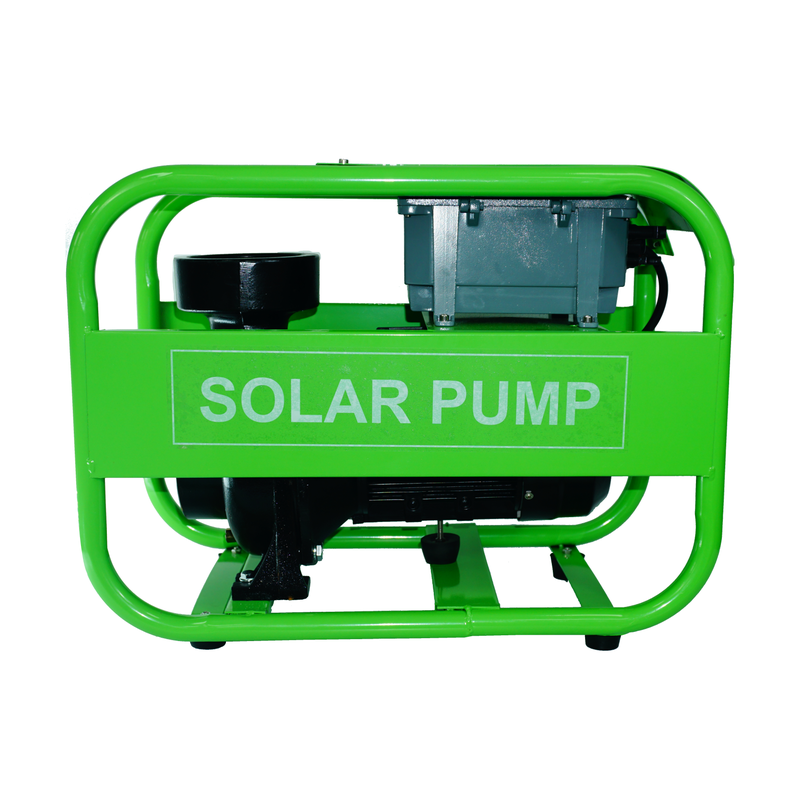
This is where the solar pump inverter emerges as a transformative solution. By integrating solar energy with advanced motor control technology, it allows irrigation systems to operate more efficiently and adapt to real-time water demand. Whether it is a small greenhouse, a mid-sized farm, or large-scale agricultural land, solar pump inverters provide consistent water delivery while significantly reducing energy costs and environmental impact.
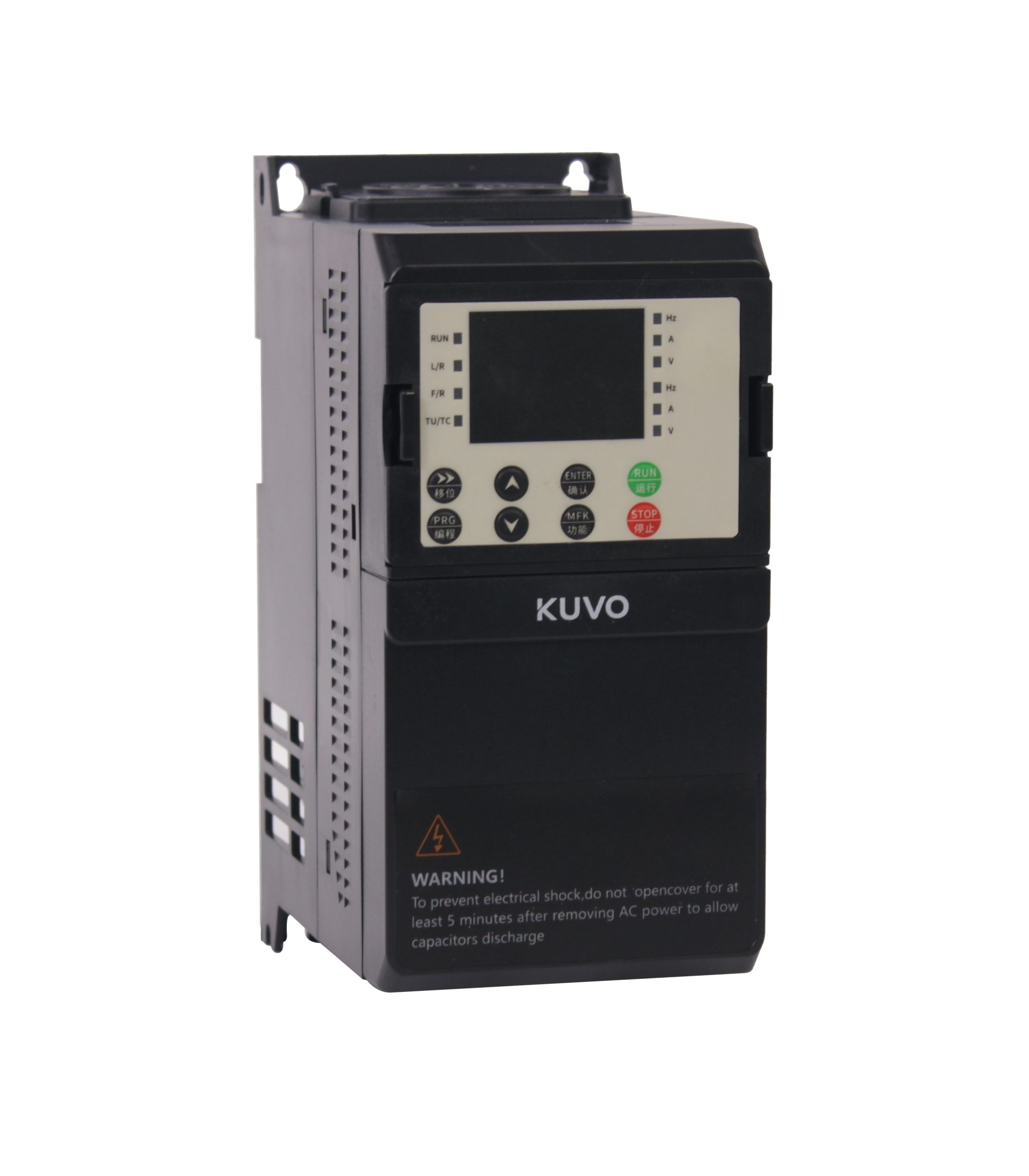
As farmers and agricultural enterprises continue to search for smarter and more sustainable approaches, the adoption of solar pump inverters is quickly becoming the standard for modern irrigation systems.
Why Is a Solar Pump Inverter Essential for Modern Agricultural Irrigation?
Overcoming the Limitations of Traditional Irrigation Pumps
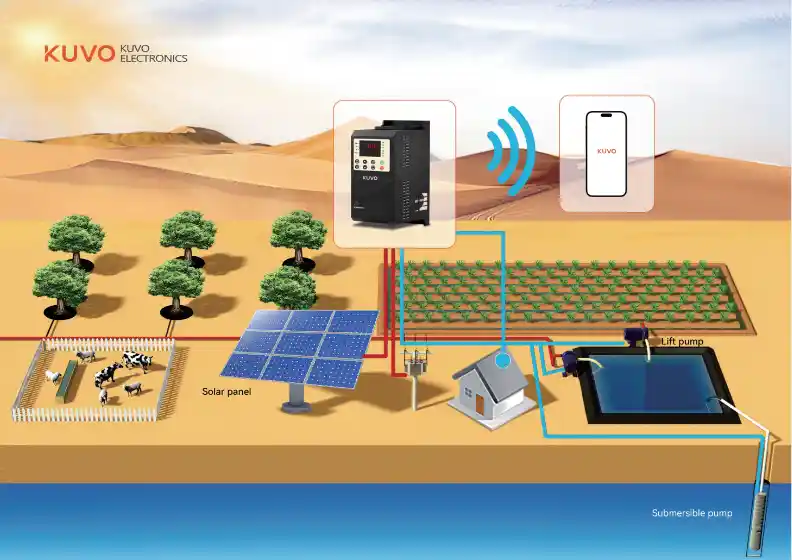
Conventional diesel-powered or grid-connected irrigation pumps are often associated with unstable performance, high fuel costs, and frequent maintenance. In many rural or remote agricultural regions, electricity supply is unreliable, while fuel prices remain volatile. These challenges not only increase operating expenses but also restrict water supply during critical farming periods. A solar pump inverter directly addresses these problems by harnessing solar energy to power water pumps, reducing dependency on fossil fuels and minimizing downtime caused by power shortages.
Ensuring Consistent Water Supply for Crops
Agricultural productivity heavily relies on stable and timely irrigation. Fixed-speed motors often deliver either too much or too little water, leading to waste or crop stress. By contrast, a solar pump inverter allows precise motor speed control, ensuring that water flow matches the actual demand of crops. This dynamic adjustment is particularly valuable in modern irrigation methods such as drip irrigation and sprinkler systems, where controlled water delivery is essential for optimal plant growth.
Reducing Costs and Environmental Impact
Adopting a solar pump inverter significantly lowers long-term operational expenses. Instead of relying on expensive diesel or fluctuating electricity tariffs, farmers can utilize free and abundant solar energy. At the same time, reducing fossil fuel consumption contributes to environmental sustainability by cutting greenhouse gas emissions. For agricultural businesses aiming to achieve both cost efficiency and eco-friendly operations, solar pump inverters represent a practical and future-ready solution.
Increasing Reliability in Remote Areas
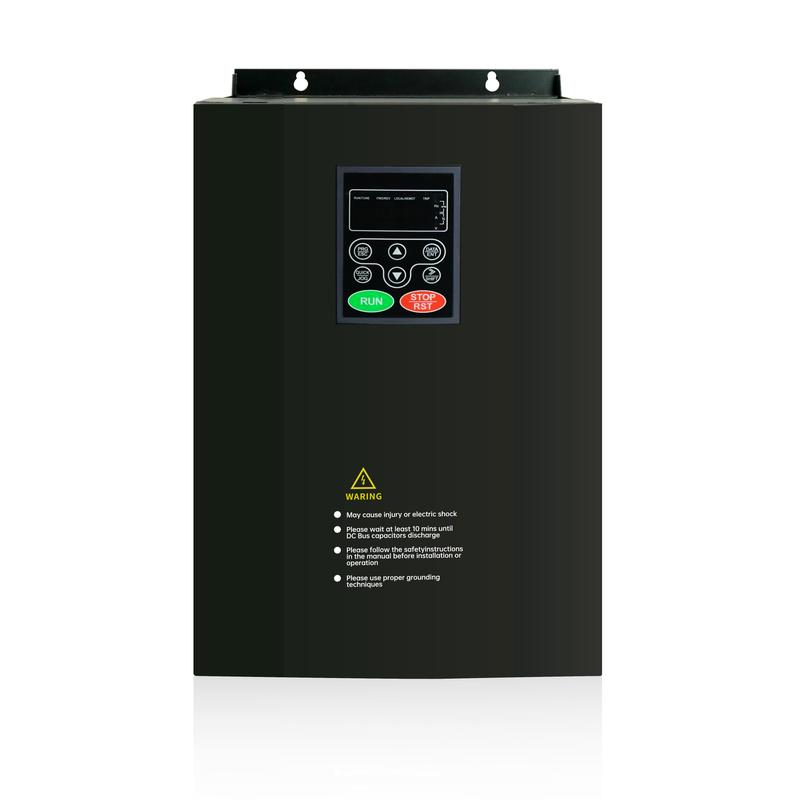
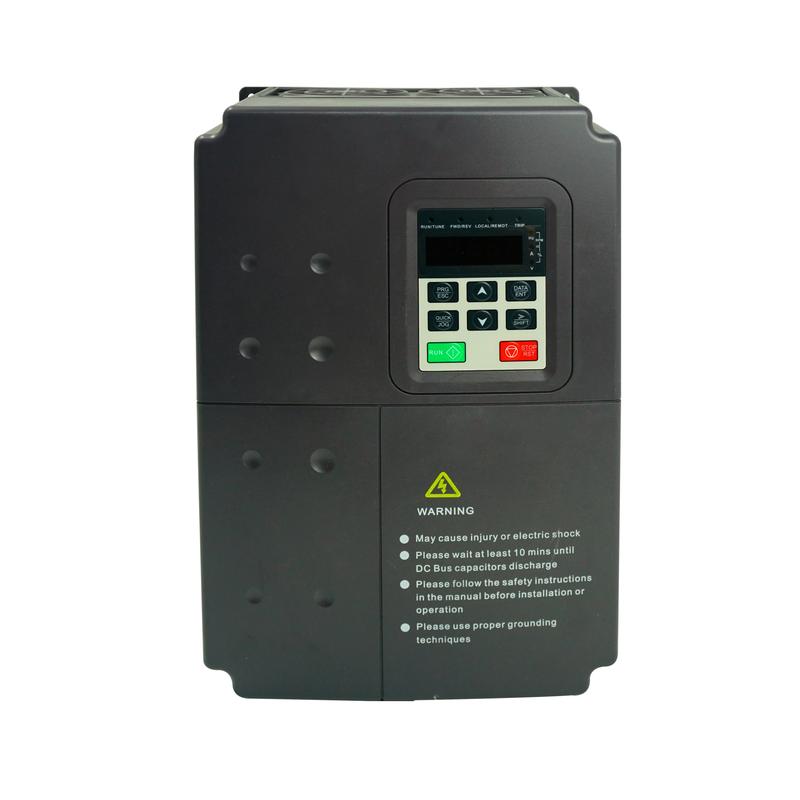
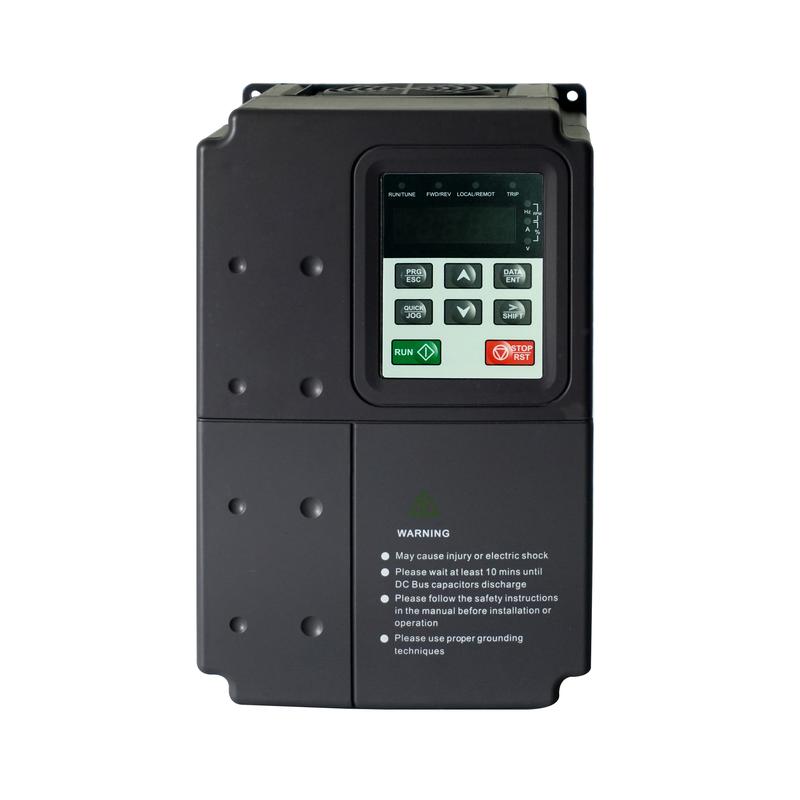
Many agricultural lands are located far from stable grid connections, making traditional pumping solutions unreliable. Solar pump inverters, especially models with advanced vector control like the LCGK KV100A-7.5-15KW or KV90PV-7.5-11KW, ensure strong dynamic response and stable performance, even in demanding environments. This makes them particularly suitable for remote farmlands, ensuring farmers can irrigate consistently without worrying about power disruptions.
How Does a Solar Pump Inverter Improve Water Efficiency and Reduce Energy Costs?
Real-Time Adjustment of Water Flow
A major advantage of a solar pump inverter is its ability to adjust motor speed based on real-time demand. Unlike traditional pumps that run at a fixed speed regardless of actual water needs, inverters regulate flow dynamically. This means crops receive just the right amount of water at the right time, avoiding waste and preventing soil erosion caused by over-irrigation. For example, in drip irrigation systems, this precision ensures optimal moisture levels, directly supporting crop health and yield.
Maximizing Energy Utilization from Solar Power
Solar energy availability fluctuates throughout the day depending on sunlight intensity. A solar pump inverter is designed to optimize energy use by matching pump performance to solar input. Even during cloudy conditions or early mornings, the inverter can keep pumps running at reduced speeds instead of shutting down completely. This smooth operation not only extends pumping hours but also stabilizes irrigation schedules.
Significant Reduction in Operating Costs
Switching to solar pump inverters eliminates or greatly reduces the reliance on diesel fuel and high-cost electricity. Farmers benefit from lower monthly bills and predictable operating expenses. Over time, the savings generated can offset the initial investment in equipment. LCGK’s KV90PV-15-18KW model, for instance, is well-suited for medium-scale farms, offering high efficiency and durability that translate into consistent cost savings over multiple irrigation seasons.
Extending Equipment Life and Lowering Maintenance
Traditional pumps often suffer from excessive wear due to constant operation at full load. Solar pump inverters extend motor life by allowing pumps to operate at optimal speeds, reducing mechanical stress and overheating. Models like the KV100A-4-5.5KW are particularly suitable for small to mid-sized agricultural applications, delivering smooth operation with reduced maintenance needs.
Supporting Scalable Agricultural Operations
For small farms, compact models such as KV100A-0.75-2.2KW provide an affordable entry point into solar-powered irrigation. Larger farms, on the other hand, can benefit from high-capacity models like the KV90PV-22-30KW, which deliver reliable performance for extensive irrigation networks. This scalability makes solar pump inverters versatile, ensuring they can grow alongside the expansion of agricultural operations.
What Features Should You Look for in a Reliable Solar Pump Inverter for Irrigation?
High-Performance Vector Control for Stable Operation
One of the most critical features of a solar pump inverter is its motor control capability. LCGK’s KV100A series supports speed sensor-free vector control and closed-loop vector control, enabling pumps to respond quickly to changes in demand. This ensures smooth water flow, high dynamic response, and stable operation even under varying sunlight or load conditions. For farmers managing sensitive irrigation systems like drip or sprinkler setups, this precision control helps protect both crops and equipment.
Wide Power Range to Match Different Farm Scales
Agricultural irrigation needs vary greatly depending on the size of the land and crop type. A reliable inverter should offer multiple power levels to suit different applications. LCGK provides a broad range:
KV100A-0.75-2.2KW – Ideal for small-scale greenhouses or garden irrigation.
KV100A-7.5-15KW – Suitable for medium-sized farms with multiple irrigation zones.
KV90PV-22-30KW – Designed for large agricultural operations requiring high water output.
This flexibility allows agricultural enterprises to select the most cost-effective solution without compromising performance.
Energy Efficiency and Cost Savings
An effective inverter must maximize solar energy utilization. LCGK’s models are designed to automatically adjust pump performance to available sunlight, reducing unnecessary energy waste. By lowering reliance on external electricity or diesel fuel, farmers can achieve long-term savings. Over time, this not only improves return on investment but also ensures more predictable operating costs.
Protection Features for Harsh Environments
Agricultural environments often involve dust, heat, and fluctuating weather conditions. A dependable solar pump inverter should include multiple protection mechanisms such as overload, overvoltage, undervoltage, and overheating safeguards. LCGK’s inverters are engineered with these protections, ensuring consistent performance in demanding field conditions and reducing the risk of costly downtime.
Easy Integration and Maintenance
Farmers value equipment that is both user-friendly and low-maintenance. LCGK’s solar pump inverters are designed for easy installation and integration with existing irrigation systems. Their advanced diagnostics and fault detection functions also allow quick troubleshooting, minimizing disruptions during critical irrigation periods.
In Which Agricultural Scenarios Do Solar Pump Inverters Deliver the Greatest Benefits?
Drip Irrigation for Precision Farming
Drip irrigation requires consistent, low-pressure water delivery directly to plant roots. Using a solar pump inverter, farmers can regulate pump speed to maintain steady flow and pressure, even when solar input fluctuates. Smaller models such as the KV100A-0.75-2.2KW are highly effective for greenhouse drip irrigation or orchard systems, where water precision translates into healthier crops and higher yields.
Sprinkler Irrigation for Mid-Sized Farms
Sprinkler systems demand higher water pressure and larger volumes compared to drip systems. Traditional pumps often waste energy by running at constant high speed, even when not required. Solar pump inverters like the KV100A-7.5-15KW enable pumps to adapt to real-time needs, ensuring uniform spray coverage while reducing electricity or diesel consumption. This balance helps farmers optimize both energy and water use.
Large-Scale Field Irrigation
For extensive agricultural lands, such as wheat or maize fields, irrigation systems need powerful pumps capable of delivering large water volumes over long distances. High-capacity models such as the KV90PV-22-30KW are designed for these demanding conditions. They provide strong dynamic response and stable performance, ensuring that crops receive sufficient water supply during critical growth stages while keeping operational costs under control.
Greenhouses and Controlled Environments
Greenhouses often require precise humidity and temperature regulation, with irrigation systems running multiple times per day. Solar pump inverters support this by enabling flexible scheduling and energy-efficient operation. Mid-range models like the KV100A-4-5.5KW deliver reliable water supply with minimal energy waste, helping greenhouse operators maintain consistent growing conditions while lowering expenses.
Remote and Off-Grid Agricultural Areas
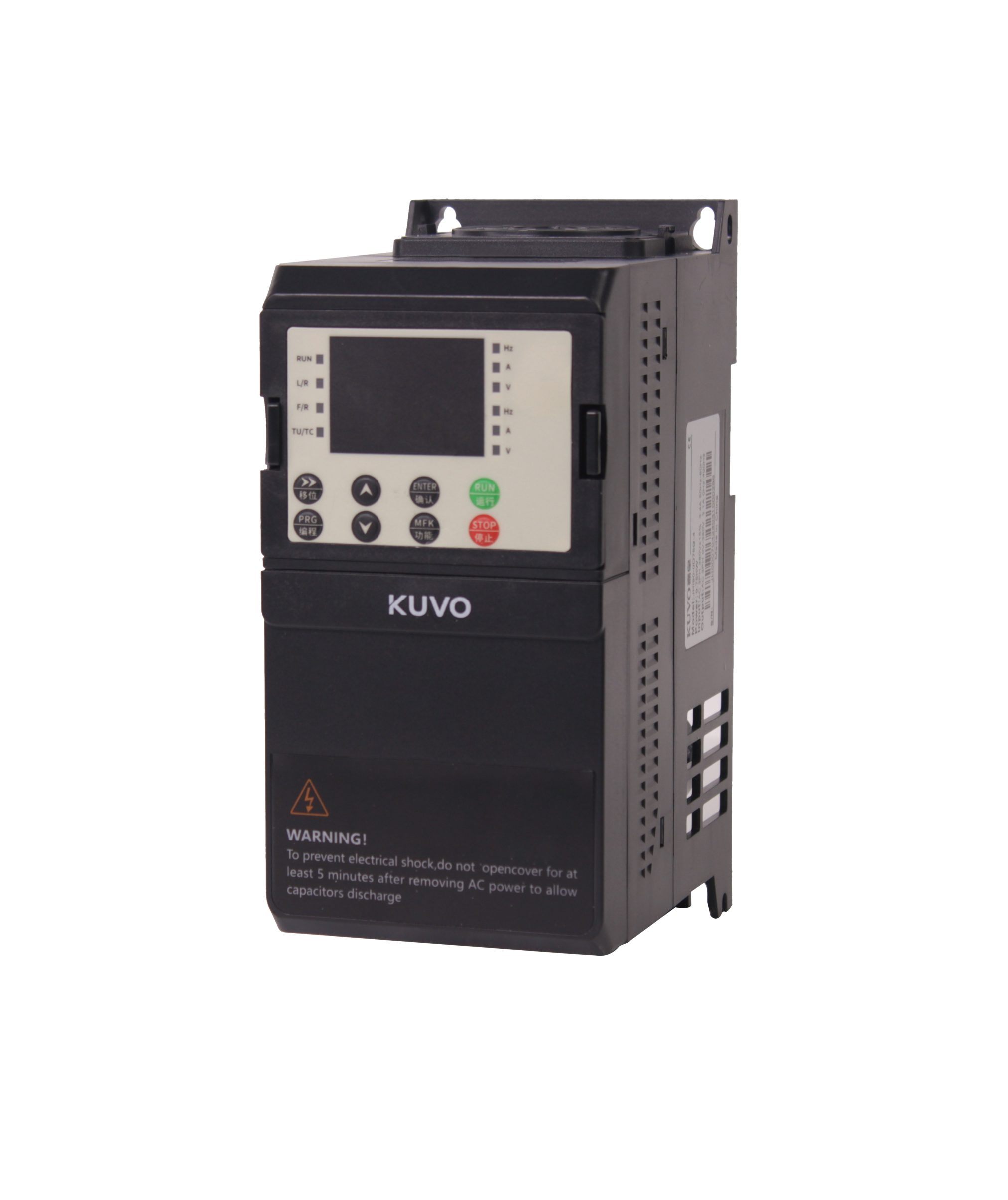
In remote farming regions where electricity is unavailable or unreliable, solar pump inverters become indispensable. Farmers can depend on solar-powered pumping systems to ensure continuous irrigation without interruptions. LCGK’s KV90PV-7.5-11KW offers a strong balance of power and efficiency, making it ideal for remote communities or cooperative farms seeking independent water supply solutions.
Conclusion
As agriculture continues to face challenges such as rising energy costs, water scarcity, and the demand for sustainable practices, the solar pump inverter has proven to be one of the most effective solutions for modern irrigation. By integrating solar power with advanced motor control, it not only ensures consistent and precise water delivery but also significantly reduces operating expenses and environmental impact.
From small greenhouses to large-scale farmland, solar pump inverters offer scalable solutions that meet diverse irrigation needs. Compact models such as the KV100A-0.75-2.2KW deliver reliable performance for precision irrigation, while high-capacity systems like the KV90PV-22-30KW are capable of powering extensive field operations. Features such as high-performance vector control, energy optimization, and robust protection mechanisms make these inverters a dependable choice for farmers who seek both efficiency and reliability.
In a rapidly evolving agricultural landscape, investing in a trusted solution is essential. LCGK‘s KV100A and KV90PV series solar pump inverters combine innovation with durability, helping agricultural enterprises achieve long-term water efficiency, cost savings, and sustainable growth.
 English
  French
  Arabic
  German
  Portuguese
  Spanish
  Italian
  Polish
  Russian
  Indonesian
  Turkish
  Bulgarian
  Dutch
Dutch  Japanese
  Korean
  Czech
Czech  Danish
  Greek
Greek  Estonian
  Finnish
  Hungarian
  Lithuanian
  Latvian
  Romanian
  Slovak
  Slovenian
  Swedish
  Ukrainian
  Chinese