
In today’s water-driven world, where energy costs are rising and sustainability is a growing concern, solar pump systems have emerged as a reliable and efficient solution. These systems harness the power of the sun to deliver water for irrigation, livestock, and remote supply—without relying on the electric grid or fossil fuels.
Whether you’re managing a rural farm, operating a decentralized water network, or upgrading your irrigation infrastructure, understanding how solar pumps work and how to choose the right system can make a lasting difference in operational success. This guide answers key questions around solar water pumps, compares pump types, and explores how integrated solar solutions can maximize performance.

What Is a Solar Pump and How Does It Work in Modern Water Systems?
A solar pump, often referred to as a solar water pump or solar-powered pump, is a highly efficient system that converts sunlight into electricity to power water pumps. These systems are increasingly used in agricultural irrigation, livestock watering, rural water supply, and off-grid applications where traditional electricity access is limited or expensive.
How It Works:
At its core, a solar pump system consists of solar panels, a controller, and the pump unit.
The solar panels absorb sunlight and generate direct current (DC) electricity.
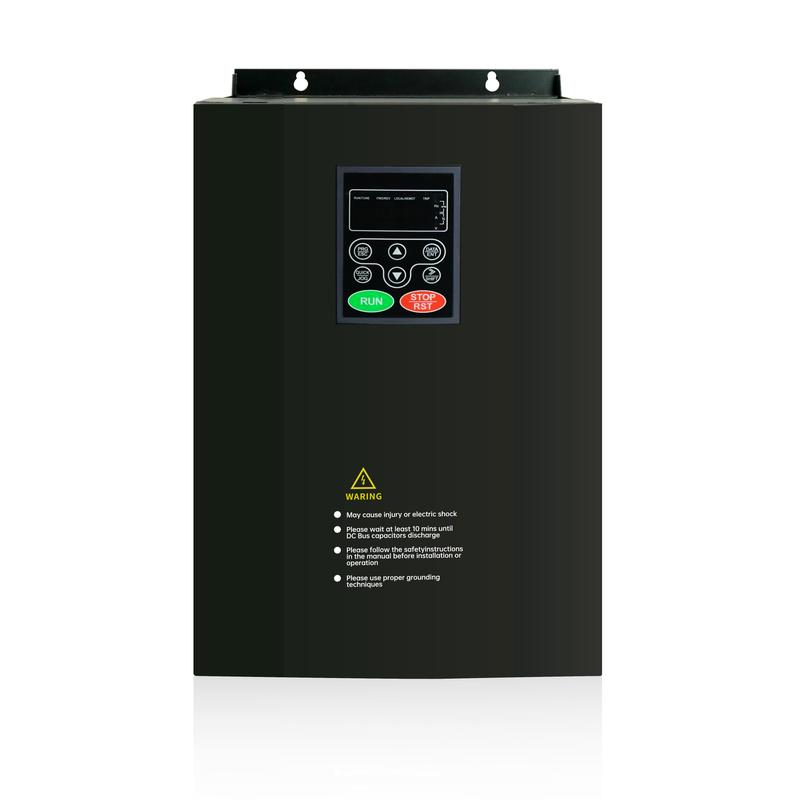
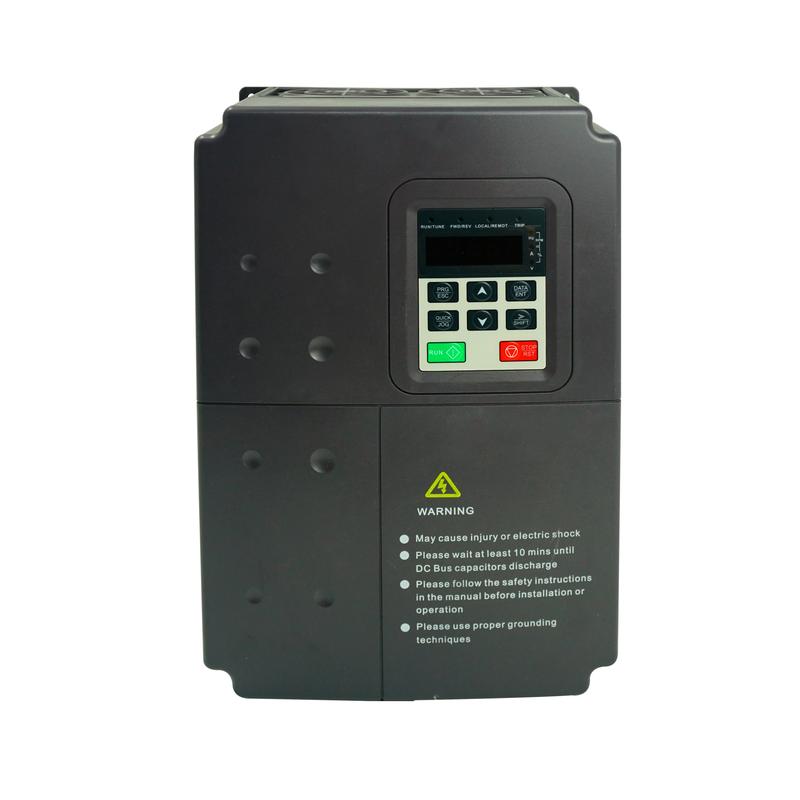
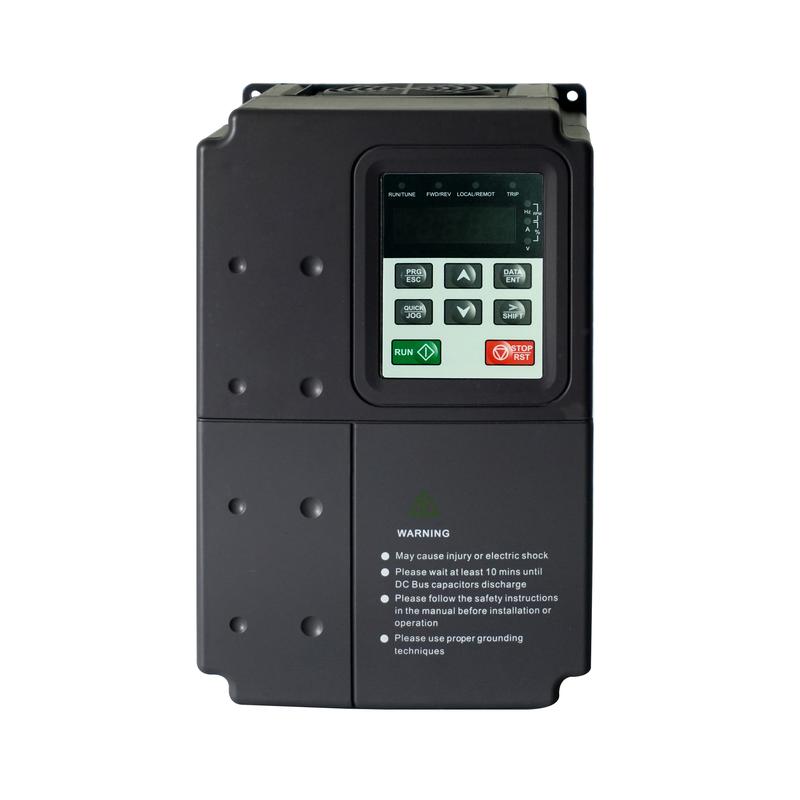
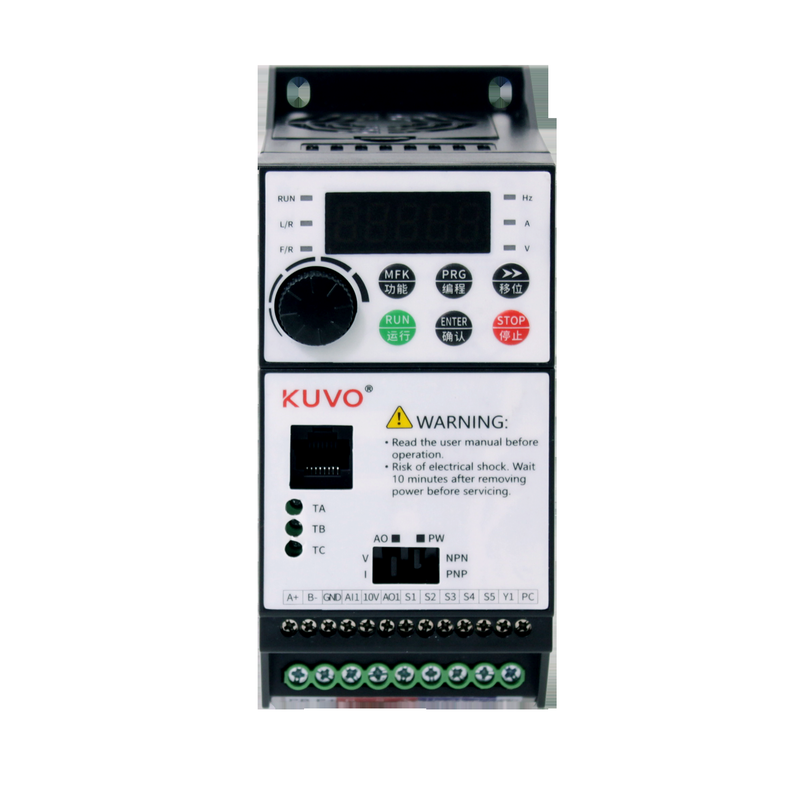
The controller regulates power delivery, protects the motor from overload, and enables intelligent features such as soft-start and auto-shutdown.
Depending on the design, the pump could be a submersible pump (placed in wells or boreholes) or a surface pump (positioned above ground for shallow water sources).
Types of Solar Pumps:
There are mainly two types of solar pumps based on their installation and use:
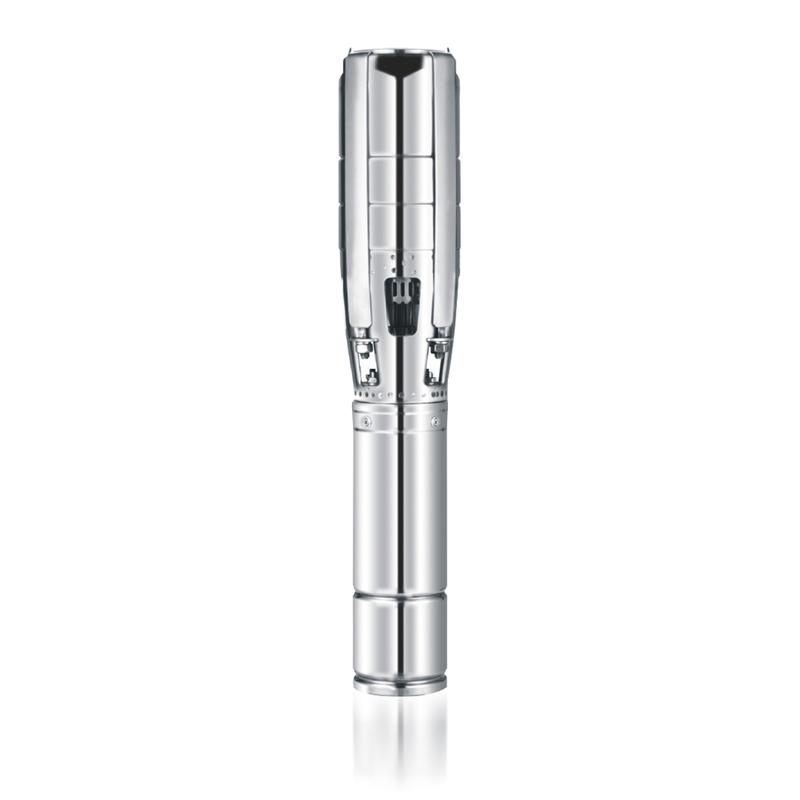
Submersible solar pumps are designed to push water to the surface from deep underground. These are ideal for wells deeper than 15 meters and are commonly used for borehole irrigation or drinking water supply in remote areas.
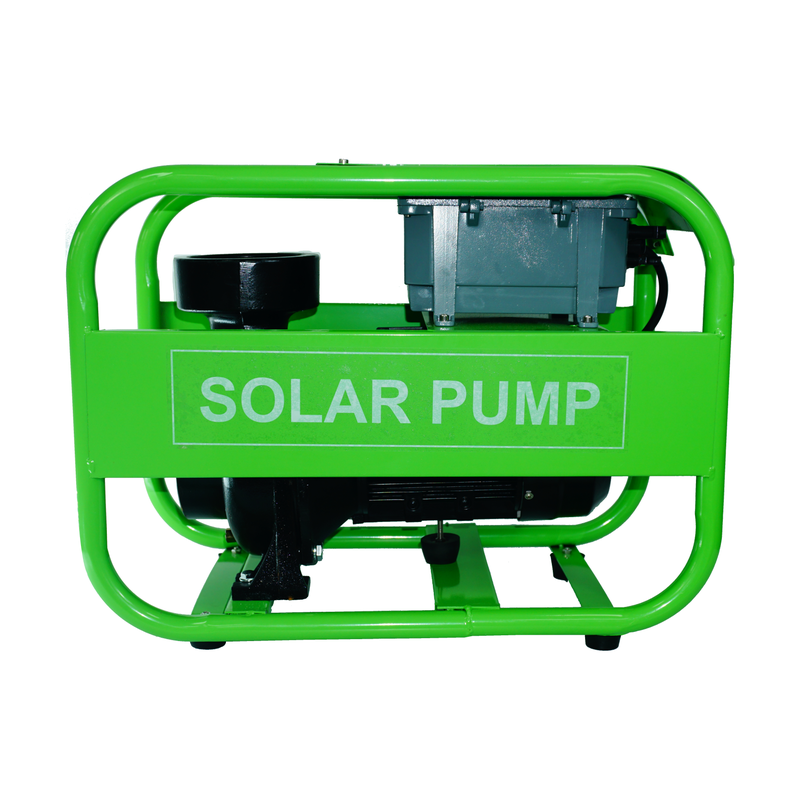
Surface solar pumps draw water from shallow sources such as ponds, tanks, or rivers and are used primarily in farms and homesteads for open-field irrigation.
Energy Source and Control:
Solar-powered pumps operate independently of the grid, making them a sustainable and autonomous choice. Some systems include MPPT (Maximum Power Point Tracking) to optimize energy conversion even under fluctuating sunlight conditions.
In short, solar pumps provide a reliable, renewable, and low-maintenance solution for water delivery. Their design simplicity and ease of deployment make them ideal for modern water systems, especially in regions with abundant sunlight and growing demand for decentralized solutions.
Why Are Solar Water Pumps a Cost-Effective and Sustainable Solution?
Solar water pumps are gaining popularity not just because of their clean energy source, but also due to their long-term cost efficiency and minimal environmental impact. Whether used in agriculture, community water supply, or industrial settings, solar pumps provide substantial savings and support global sustainability goals.
Lower Operational Costs Over Time
Unlike diesel-powered or electric grid-based pumps, solar-powered pumps eliminate recurring fuel or electricity bills. Once installed, the system relies entirely on free solar energy, resulting in:
Zero fuel consumption
Minimal routine maintenance
No dependency on unstable power grids
While the initial setup cost for a solar pump system may be slightly higher, the return on investment (ROI) is typically achieved within a few years through fuel savings and reduced repair costs.
Environmental Sustainability
Solar pumps contribute directly to reducing greenhouse gas emissions. Traditional pumps powered by fossil fuels emit carbon dioxide and other pollutants, whereas solar pumps operate silently and cleanly. This is especially important for sustainable agriculture and climate-resilient infrastructure, where both environmental impact and resource efficiency matter.
Ideal for Remote and Off-Grid Locations
Many regions in the Middle East and Europe feature rural agricultural lands or isolated properties that lack consistent access to electricity. Solar water pumps are perfectly suited for these scenarios, offering autonomous water access without the need to invest in expensive grid extensions or fuel logistics.
Support from Government and Green Policies
In several countries, there are government subsidies, green energy incentives, and low-interest financing programs that further improve the affordability of solar pump installations. These programs make solar technology even more accessible to farmers, land developers, and water infrastructure planners.
In conclusion, solar water pumps offer a future-proof investment that aligns financial savings with environmental responsibility, making them one of the smartest choices for modern water systems.
How to Select Between Submersible and Surface Solar Pumps for Your Application?
Choosing the right type of solar pump—submersible or surface—is critical to ensuring system efficiency, longevity, and suitability for your specific site conditions. While both types convert solar energy into usable water movement, they are engineered for different depths, flow rates, and environments.
When to Choose a Submersible Solar Pump
If your water source is located deep underground, a submersible solar pump is your best option. These pumps are installed below the water level, often inside boreholes or deep wells, and push water to the surface using internal motorized impellers.
A strong example is the JDS solar submersible pump, which is:
Designed for deep well applications, often reaching depths of over 100 meters
Ideal for drip irrigation, livestock watering, or remote drinking water supply
Resistant to debris and designed for continuous underwater operation
Submersible pumps are typically DC-powered, ensuring energy efficiency and soft start-up, which helps protect the motor and extend system life.
When to Use a Surface Solar Pump
For shallow water sources such as ponds, lakes, canals, or storage tanks, a surface solar pump is more suitable. These pumps are installed above ground and use suction to pull water from sources less than 7–10 meters deep.
The DHF surface pump from LCGK is a dependable choice in this category, offering:
High flow rates for flood irrigation, garden watering, or tank filling
Easy installation and maintenance due to accessible positioning
Cost-effective solution for flat terrain and surface-level water systems
Key Selection Criteria
To determine which pump fits your application, consider:
Depth of water source
Daily water requirement (flow rate)
Available solar panel capacity and controller compatibility
Pumping distance and elevation (total dynamic head)
Making the right selection not only enhances efficiency but also ensures reliable performance throughout the year, even under variable solar conditions.

What Are the Key Factors to Consider During Installation and Maintenance?
A solar pump system’s long-term success hinges not only on choosing the right model but also on proper installation and ongoing maintenance. Attention to detail at each stage—from panel placement to cable routing—can significantly improve performance, reduce breakdowns, and extend the lifespan of the entire system.
Optimizing Solar Panel Installation
To achieve maximum energy conversion, solar panels must be correctly installed:
Orientation and Tilt: Panels should face true south (in the northern hemisphere) or true north (in the southern hemisphere), at an angle optimized for local latitude.
Shading: Ensure the panel area is free of obstructions like trees, buildings, or poles that may cast shadows during peak sun hours.
Structure Stability: Use corrosion-resistant mounts with secure grounding to protect against wind and weather, especially in open fields or desert environments.
Controller and Electrical Connections
The solar pump controller is the system’s brain—it balances input voltage, controls motor speed, and prevents overload.
Waterproof Enclosures: Ensure the controller is installed in a sheltered, ventilated location with waterproof housing to avoid moisture damage.
Cable Management: Use UV-resistant, armored cables for both panel-to-controller and controller-to-pump connections. Proper sealing at joints prevents short circuits and rodent intrusion.
Lightning Protection: In areas prone to storms, add lightning arrestors and surge protection devices to avoid electrical damage.
Maintenance Best Practices
Though solar pumps are known for low maintenance, periodic checks will ensure consistent performance:
Clean solar panels every 1–3 months to remove dust, bird droppings, and grime.
Inspect cables and terminals for wear or corrosion.
Monitor pump performance—unusual noise, reduced flow rate, or delayed startup may indicate impeller blockage or motor wear.
Seasonal adjustments to panel angles can further optimize energy capture throughout the year.
With these best practices, users can ensure their solar water pump system remains efficient, safe, and durable across diverse operational environments.
How Can a Properly Integrated Solar Pump System Improve Operational Efficiency?
A well-integrated solar pump system does more than just move water—it becomes a smart, autonomous, and scalable solution for long-term efficiency. By carefully aligning system components and incorporating intelligent controls, users can significantly reduce human intervention, energy waste, and operational disruptions.
Enhancing Automation with Smart Controllers
Modern solar water pumps often feature intelligent controllers that manage system operation in real-time:
Auto-start and auto-stop functionality allows the system to operate only when sufficient sunlight is available, avoiding dry runs or overuse.
Some controllers come with MPPT (Maximum Power Point Tracking), ensuring the solar panels always operate at optimal efficiency—even under variable lighting conditions.
Dry-run protection automatically shuts down the pump if water levels drop too low, protecting the motor from damage.
These smart features drastically reduce the need for manual oversight, especially in remote areas or multi-site agricultural systems.
Integrating with Water Storage and Irrigation Systems
Efficiency improves significantly when solar pumps are paired with:
Elevated storage tanks, which store water during peak sun hours and provide gravity-fed flow when solar power is unavailable.
Drip or sprinkler irrigation systems, enabling precise water delivery that minimizes waste and maximizes crop health.
Float sensors and pressure switches, which regulate flow based on tank levels or field moisture conditions.
By synchronizing pump operation with demand patterns, these integrated systems optimize water use, reduce energy consumption, and support sustainable water management.
Remote Monitoring and System Scaling
Some advanced setups allow remote system monitoring via GSM or Wi-Fi, letting users track:
Real-time pump status
Daily water output
Fault alerts and maintenance reminders
This is especially valuable for commercial farms, cooperatives, or distributed infrastructure. Additionally, solar systems are inherently scalable—adding more panels or upgrading pumps as water needs grow is relatively straightforward.
Overall, a properly integrated solar pump system transforms water management from reactive to proactive and intelligent, delivering greater reliability, lower costs, and smarter operations.

Conclusion
As the global shift toward clean energy accelerates, solar-powered pump systems offer a practical path forward for efficient water management. With benefits like zero fuel cost, low maintenance, and adaptability across terrains and industries, solar pumps are not just an alternative—they’re an upgrade.
By selecting the right pump type—such as the JDS solar submersible pump for deep wells or the DHF surface pump for shallow sources—and ensuring proper installation and smart integration, businesses can achieve long-term reliability and savings. With decades of experience in solar technology, LCGK continues to deliver trusted solutions that align with both environmental responsibility and real-world performance needs.
 English
  French
  Arabic
  German
  Portuguese
  Spanish
  Italian
  Polish
  Russian
  Indonesian
  Turkish
  Bulgarian
  Dutch
Dutch  Japanese
  Korean
  Czech
Czech  Danish
  Greek
Greek  Estonian
  Finnish
  Hungarian
  Lithuanian
  Latvian
  Romanian
  Slovak
  Slovenian
  Swedish
  Ukrainian
  Chinese