
In today’s search for reliable and energy-efficient water solutions, the solar pump has become a preferred choice for many industries and agricultural operations. By harnessing solar energy, a solar water pump eliminates the dependency on grid electricity or diesel generators, ensuring a more sustainable and cost-effective pumping solution. Unlike conventional systems that often suffer from high energy costs and unstable supply, the solar-powered pump provides consistent performance, long-term savings, and greater adaptability to diverse environments.
From farmland irrigation and livestock watering to community water supply and commercial projects, solar pumps are redefining the way water is managed. With advancements in design and control technology, these pumps not only improve efficiency but also extend equipment lifespan while minimizing maintenance needs. As global demand for sustainable water systems continues to rise, investing in the right solar pumping solution has become essential for organizations seeking both performance and long-term value.

What Is a Solar Pump and How Does It Work?
A solar pump is a water pumping system powered directly by solar energy. Instead of relying on electricity from the grid or diesel fuel, it uses solar panels to capture sunlight and convert it into electrical energy that drives the pump motor. This process makes it a sustainable and cost-effective alternative for regions with abundant sunlight but limited access to reliable power sources.
Core Working Principle
At the heart of a solar-powered pump lies a simple mechanism: solar panels generate direct current (DC) electricity, which is either fed directly to the pump or converted to alternating current (AC) through an inverter, depending on the pump type. The motor then drives the pump impeller, lifting or pushing water from a source such as a well, river, or tank.
Main Components of a Solar Water Pump
Solar Panels – Capture sunlight and generate electrical power.
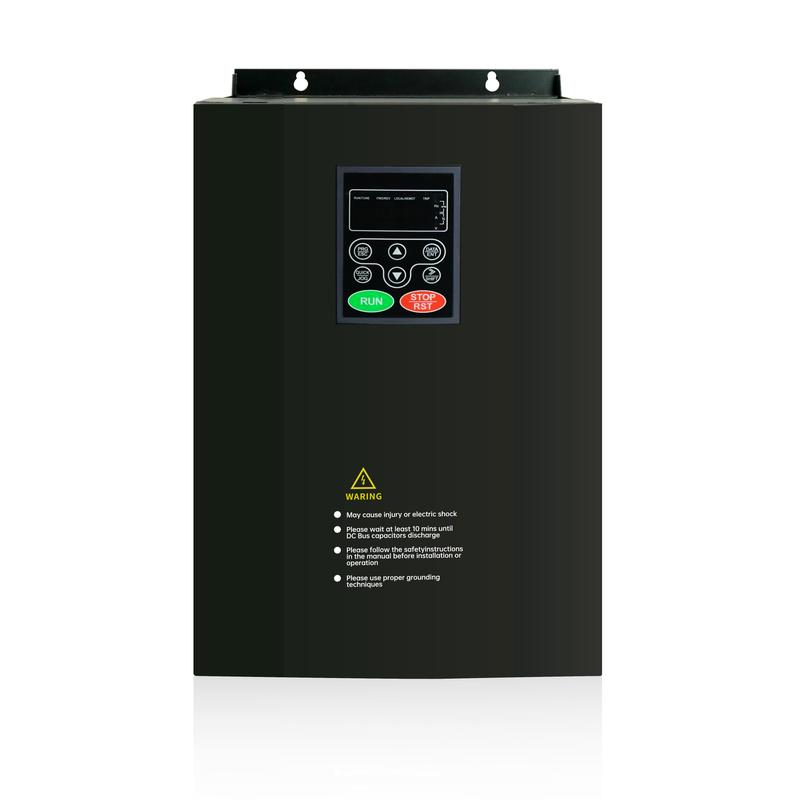
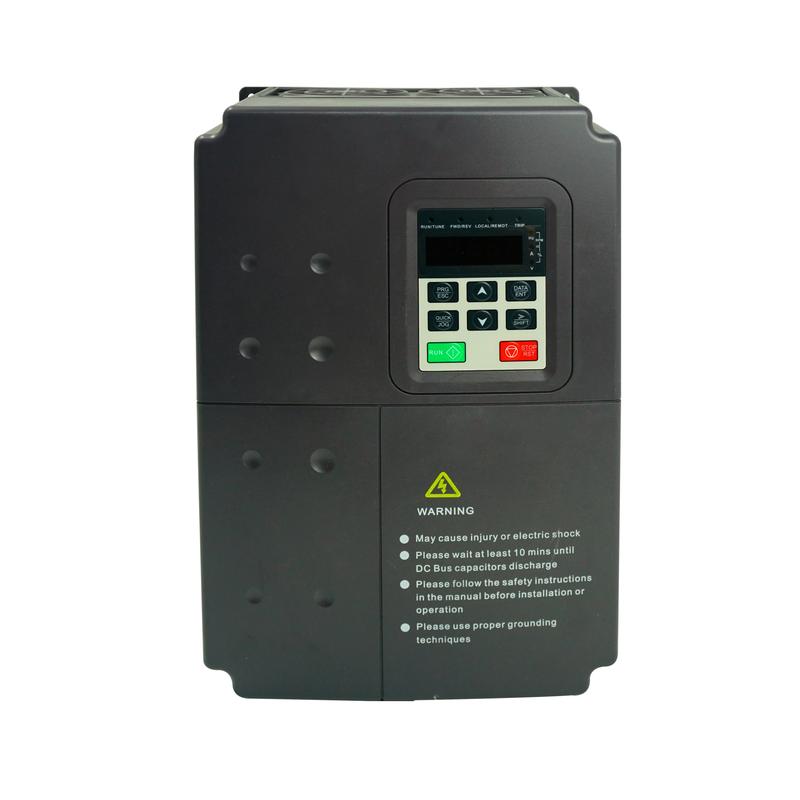
Controller or Inverter – Regulates voltage and ensures stable operation even when sunlight fluctuates.
Pump Unit – Could be submersible or surface type, responsible for lifting and transferring water.
Water Storage or Distribution System – Stores or channels water for immediate use in agriculture, livestock, or industrial needs.
Types of Solar Pumps
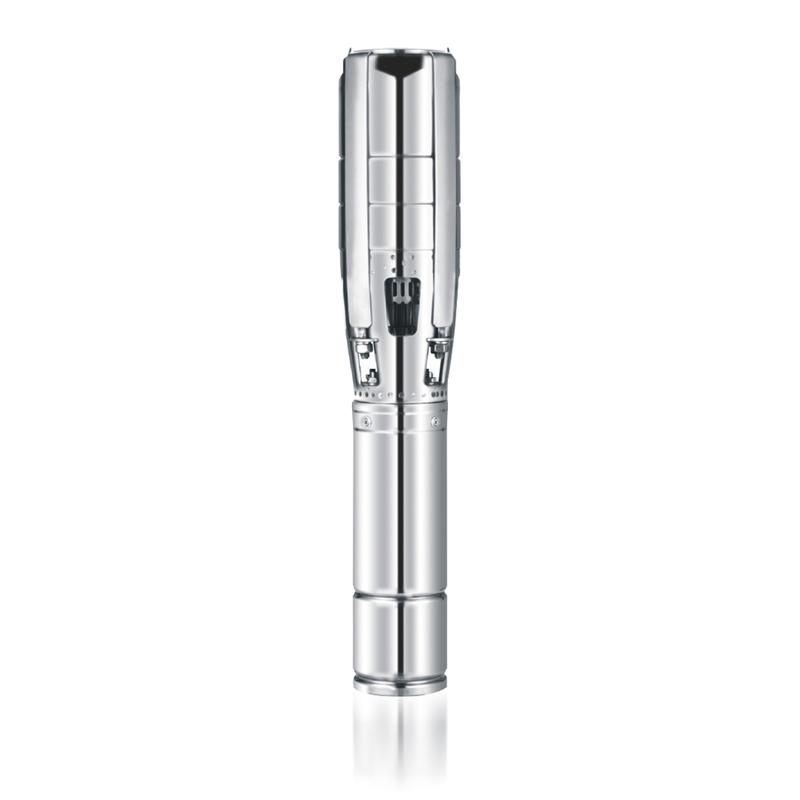
Solar Submersible Pumps: Installed underwater in wells or boreholes, suitable for deep-water extraction.
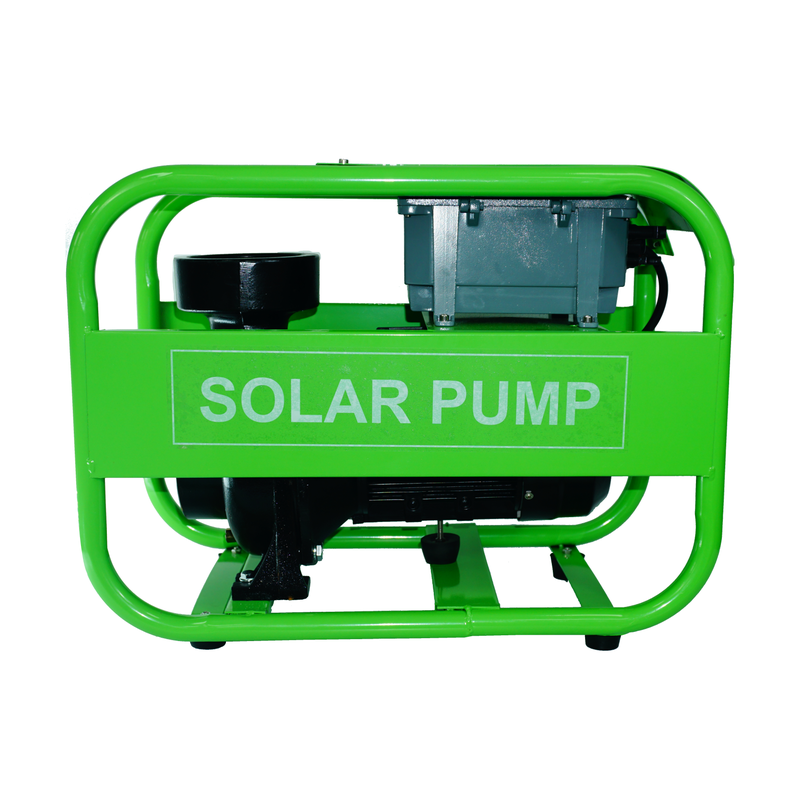
Solar Surface Pumps: Placed above ground, commonly used for shallow water sources like rivers, ponds, or storage tanks.
For example, the JDS solar submersible pump is designed for reliable deep-well water lifting, while the DHF Surface pump is ideal for applications where water sources are near the ground level.
Why Are Solar Water Pumps Considered More Efficient Than Traditional Systems?
When comparing a solar water pump with traditional grid-powered or diesel-driven systems, the efficiency and reliability advantages become clear. A solar-powered pump leverages renewable energy to deliver consistent performance, reduce operating costs, and improve long-term sustainability.
Energy Savings and Cost Reduction
Traditional pumps consume large amounts of electricity or diesel, which not only increases operational expenses but also exposes users to fluctuating energy prices. A solar pump, however, draws power directly from sunlight, cutting down utility bills and reducing dependency on fossil fuels. Over time, this results in significant financial savings.
Consistent Performance in Remote Areas
For industries and communities located far from power grids, ensuring stable electricity supply can be a challenge. Solar-powered pumps operate independently of the grid, making them particularly useful in rural or remote areas. They provide a steady water supply without the interruptions common to traditional systems.
Lower Maintenance and Longer Lifespan
A solar water pump system generally requires less maintenance because it has fewer moving parts compared to engines powered by diesel. In addition, the absence of fuel combustion reduces wear and tear, extending the service life of both the pump and associated components.
Environmental Benefits
Unlike diesel pumps that emit greenhouse gases, solar-powered pumps run on clean, renewable energy. This not only helps reduce carbon footprints but also aligns with global sustainability goals. For businesses and organizations seeking eco-friendly solutions, a solar pump is an attractive alternative.

What Types of Solar-Powered Pumps Are Commonly Used in Different Applications?
The choice of a solar-powered pump depends largely on the water source, depth, and the intended application. Two of the most widely used categories are solar submersible pumps and solar surface pumps, each serving distinct operational needs.
Solar Submersible Pumps for Deep-Well Applications
A solar submersible pump is installed below the water surface, typically inside a well or borehole. It is ideal for situations where water needs to be lifted from significant depths.
Key Advantages: High pumping efficiency, reliable performance, and suitability for deep groundwater extraction.
Typical Applications: Agricultural irrigation systems, village water supply, livestock watering, and industrial water intake.
Example: The JDS solar submersible pump is designed to deliver stable water flow from deep wells, making it a strong choice for areas with limited surface water availability.
Solar Surface Pumps for Shallow Sources
A solar surface pump is installed above ground and draws water from shallow sources such as rivers, ponds, or storage tanks.
Key Advantages: Easy installation, lower cost, and effective water transfer for shallow or open sources.
Typical Applications: Farmland irrigation, fish pond water circulation, garden watering, and small-scale industrial operations.
Example: The DHF Surface pump provides dependable water delivery where the water table is close to the surface, making it suitable for agricultural and community projects.
Hybrid Solutions for Flexibility
In some projects, both submersible and surface pumps may be combined to handle varied water needs. For example, a JDS solar submersible pump can supply groundwater for drinking, while a DHF Surface pump manages irrigation from a pond or reservoir. This flexibility ensures an uninterrupted and efficient water supply system.
How Can a Solar Pump Reduce Operational Costs and Improve Sustainability?
One of the strongest advantages of adopting a solar pump system is the balance it creates between cost reduction and environmental responsibility. Compared to conventional pumps, a solar water pump delivers reliable water supply while cutting long-term expenses and supporting sustainability goals.
Reduced Energy Bills and Fuel Dependence
Traditional pumps powered by diesel or electricity lead to high recurring costs, especially in large-scale operations. By contrast, a solar-powered pump uses free sunlight as its main energy source. Once installed, the system drastically reduces monthly utility bills and eliminates the need for expensive fuel purchases.
Extended Equipment Life and Lower Maintenance Costs
A solar pump generally experiences less mechanical stress because it operates at optimized speeds and avoids fuel combustion. This reduces the frequency of breakdowns, minimizes replacement part costs, and extends the overall lifespan of the pump. In turn, businesses benefit from lower maintenance budgets and fewer operational disruptions.
Improved Return on Investment (ROI)
Although the upfront cost of installing a solar water pump may be higher than a conventional system, the long-term savings on energy and maintenance quickly offset the investment. Many organizations see a positive ROI within just a few years of use.
Supporting Sustainability Goals
Running on renewable energy, a solar-powered pump helps reduce carbon emissions and supports cleaner industrial and agricultural operations. For companies and communities focusing on sustainable development, this aligns well with global environmental targets and demonstrates social responsibility.
Reliable Operation in Challenging Environments
In areas with unreliable grid power or expensive fuel supply chains, the ability of a solar pump to operate independently ensures both cost savings and long-term resilience. Whether in agriculture, community water supply, or industrial projects, this independence directly enhances operational stability.
Which Solar Pump Models Provide Reliable Performance for Industrial and Agricultural Needs?
Selecting the right solar pump model is essential to ensure stable performance and long-term value. Different applications—whether deep well extraction, surface irrigation, or community supply—require pumps tailored to specific operating conditions.
JDS Solar Submersible Pump for Deep Wells
The JDS solar submersible pump is engineered to deliver reliable water extraction from deep groundwater sources.
Key Features: High pumping efficiency, stable water flow under varying sunlight conditions, and durable construction for long-term operation.
Ideal Applications: Agricultural irrigation in dry regions, rural drinking water supply, and industrial processes that require deep well access.
DHF Surface Pump for Shallow Water Sources
The DHF Surface pump provides dependable water transfer for shallow sources such as rivers, reservoirs, or storage tanks.
Key Features: Easy installation, strong adaptability, and efficient performance under solar power.
Ideal Applications: Farm irrigation, aquaculture systems, garden watering, and small-scale industrial water circulation.
Choosing the Right Solution
For projects that involve both deep well extraction and surface water management, combining the JDS solar submersible pump with the DHF Surface pump offers a comprehensive solution. This ensures water availability across multiple sources and supports flexible, reliable operation.
Reliable Performance Backed by LCGK
High-quality solar pumping solutions require not only advanced technology but also a trusted manufacturer. LCGK provides both the JDS solar submersible pump and DHF Surface pump, ensuring efficiency, durability, and long-term sustainability for industrial and agricultural water management projects.
Conclusion
The shift toward clean and efficient water solutions has made the solar pump an essential technology for modern agriculture, industry, and community supply. Whether it is the JDS solar submersible pump for deep-well applications or the DHF Surface pump for shallow water sources, solar-powered systems provide long-term savings, lower maintenance, and reliable performance under diverse conditions.
By reducing dependency on fossil fuels, cutting operational costs, and supporting sustainability goals, a solar water pump stands out as a future-ready investment. Choosing the right model ensures not only consistent water supply but also a positive impact on both business operations and the environment.
For organizations seeking proven reliability and advanced technology, LCGK offers trusted solar pumping solutions that combine performance, durability, and sustainability.
 English
  French
  Arabic
  German
  Portuguese
  Spanish
  Italian
  Polish
  Russian
  Indonesian
  Turkish
  Bulgarian
  Dutch
Dutch  Japanese
  Korean
  Czech
Czech  Danish
  Greek
Greek  Estonian
  Finnish
  Hungarian
  Lithuanian
  Latvian
  Romanian
  Slovak
  Slovenian
  Swedish
  Ukrainian
  Chinese