
In regions where water access is essential yet electricity is unreliable or unavailable, the solar pump has emerged as a revolutionary solution. Powered entirely by sunlight, solar pumps offer a clean, cost-efficient, and low-maintenance alternative to traditional water pumping systems. From agricultural irrigation to remote livestock operations, solar pumps are transforming how water is managed across farms, villages, and industrial sites—particularly in the Middle East and Europe, where demand for sustainable infrastructure continues to grow. But how do these systems work, and are they the right fit for your needs? In this guide, we answer key questions about solar pumps to help you make an informed decision.
What Is a Solar Pump and How Does It Work?
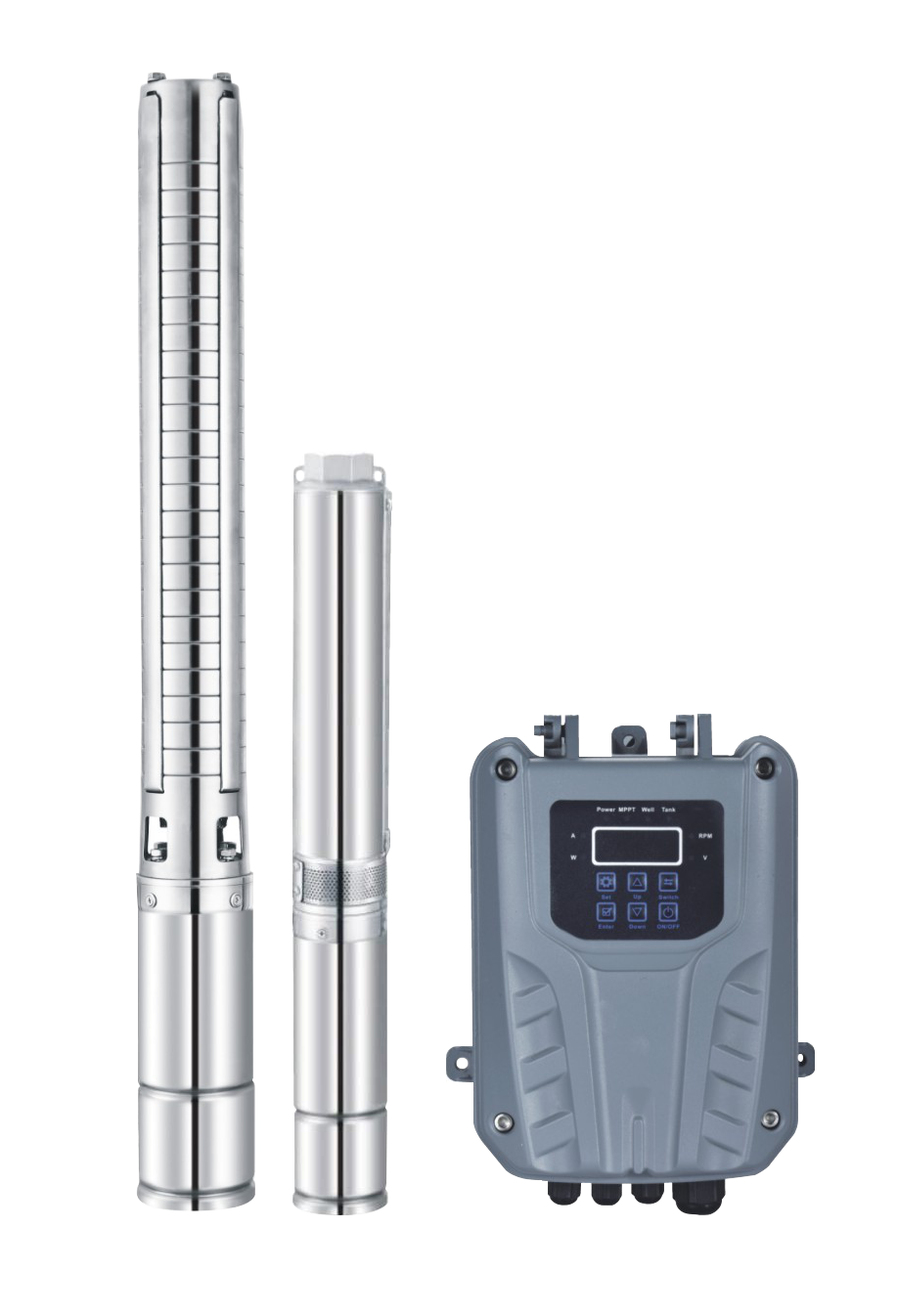
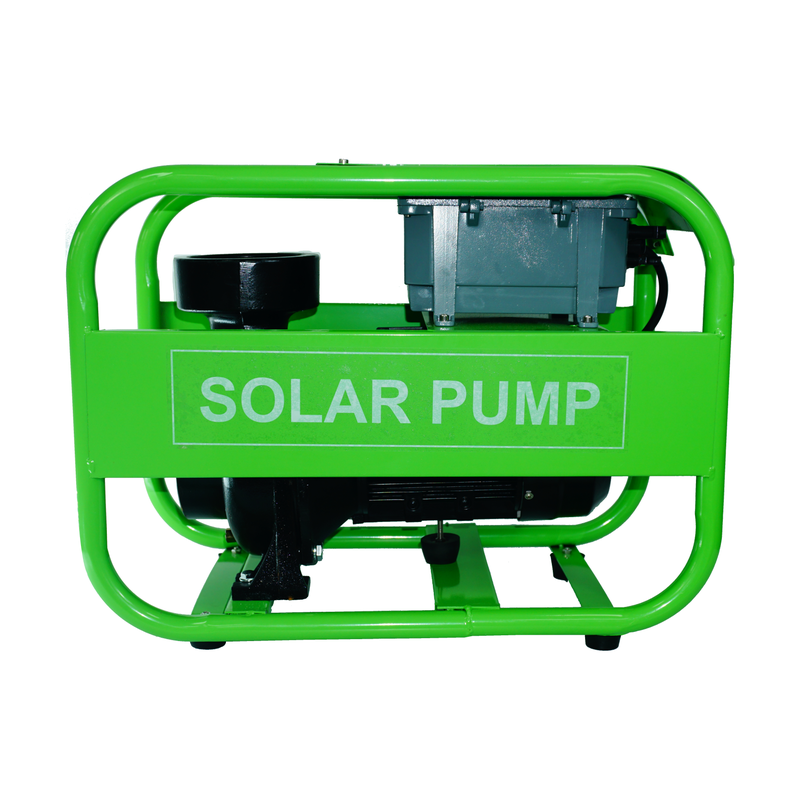
A solar pump is an advanced water pumping solution that draws its energy directly from the sun. Instead of relying on grid electricity or fossil fuels, it harnesses solar energy through photovoltaic (PV) panels, which convert sunlight into electricity. This electricity powers a motor, which then drives a pump to extract and move water from a source—whether a well, pond, stream, or storage tank—to the desired location. Because it operates independently of the grid, a solar pump is especially well-suited for rural or remote areas where power access may be limited or unstable.
There are two major types of solar pumps widely used in practical applications:
Submersible Solar Pumps, designed for deep water sources like boreholes and wells, where the pump operates while submerged underwater. These are ideal for high-lift irrigation or drinking water supply.
Surface Solar Pumps, which work best for shallow water sources such as ponds, tanks, rivers, or channels. They’re typically used for transferring water over shorter vertical distances or for open-area irrigation.
A complete solar pump system usually includes:
PV Panels: Installed in direct sunlight to generate electrical energy.
Pump Motor: The core component that drives water movement.
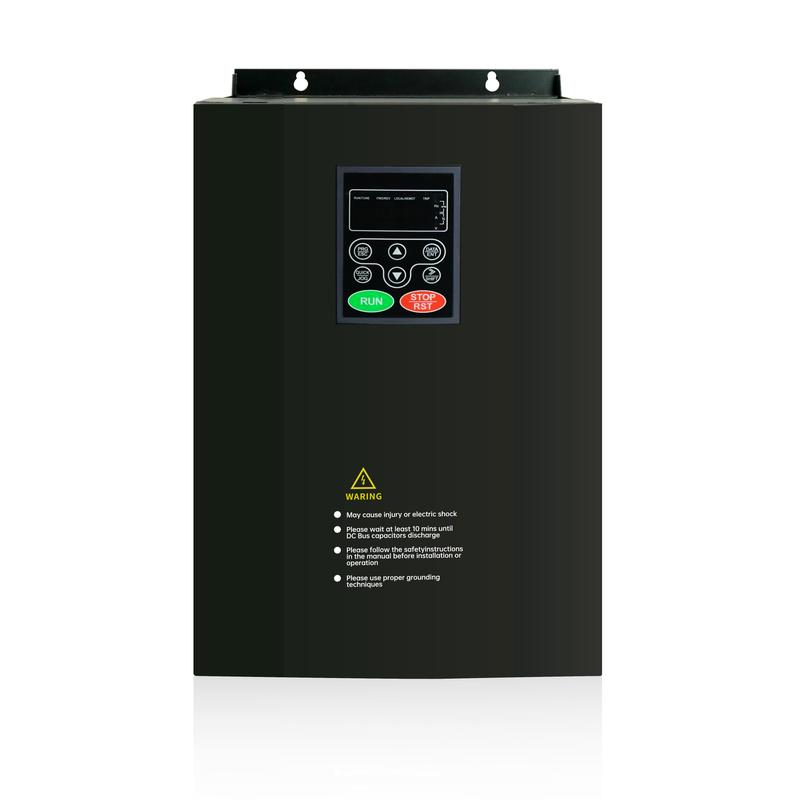
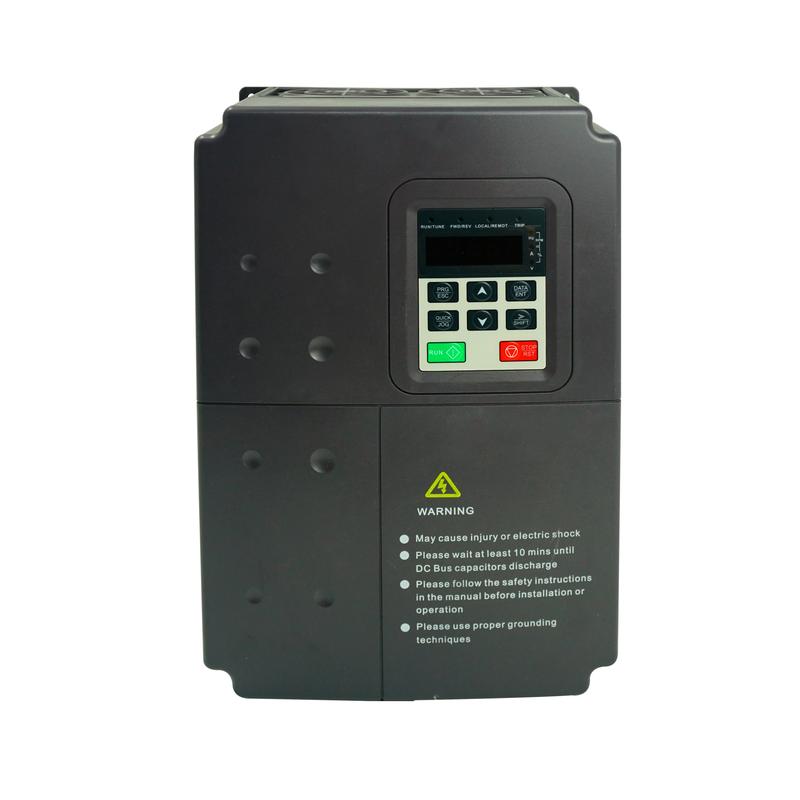
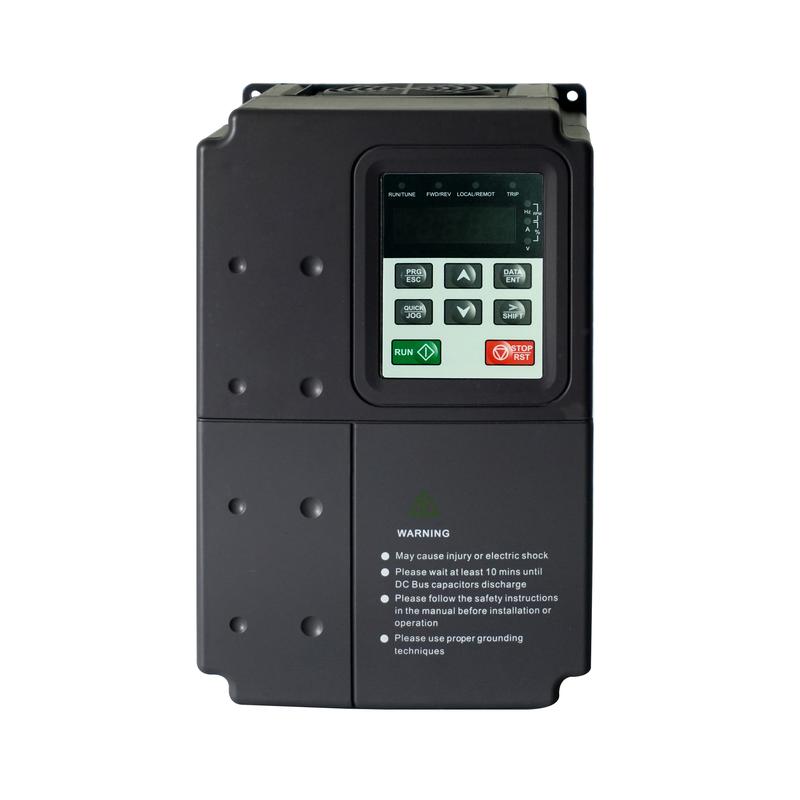
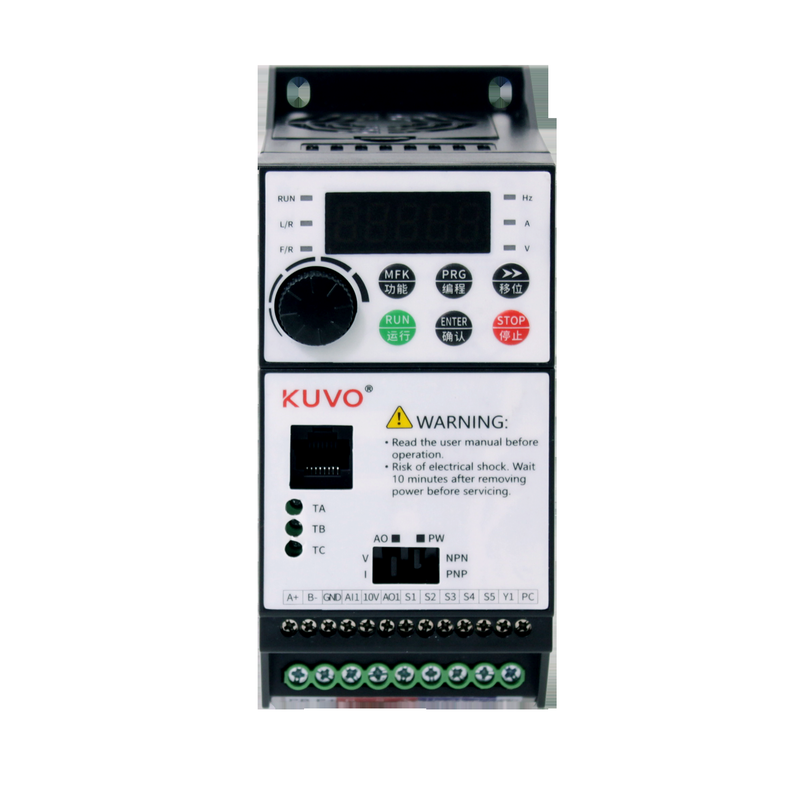
Controller/Inverter: Regulates voltage, prevents overloads, and optimizes power flow.
Optional Batteries: Store excess solar energy for use during low-light conditions or nighttime.
These systems are modular and scalable, meaning they can be tailored to meet small-scale farm needs or large irrigation projects. Once installed, they offer an autonomous, low-cost, and sustainable method of water delivery that is increasingly becoming the go-to choice in regions aiming for energy independence and operational efficiency.
Key Takeaways:
Converts solar energy into water-moving power with no fuel or grid connection
Available in submersible and surface configurations depending on water source depth
Ideal for remote or off-grid regions with adequate sunlight
Where Are Solar Pumps Most Commonly Used?
Solar pumps have become a game-changer for industries and communities that operate in off-grid or low-infrastructure environments. Because they rely on a universally available resource—sunlight—they are particularly valuable in regions where access to reliable electricity is limited or where extending power lines would be cost-prohibitive. Their flexibility and independence make them ideal for a broad range of water supply and management scenarios across agriculture, livestock, municipal infrastructure, and environmental projects.
Agriculture and Irrigation Systems
One of the most widespread uses of solar pumps is in irrigation for crop cultivation. Farmers in remote areas rely on solar-powered surface or submersible pumps to draw water from rivers, canals, or underground aquifers to irrigate fields. Whether it’s drip irrigation for vineyards or flood irrigation for rice paddies, solar pumps provide a dependable and cost-efficient water delivery system. Since irrigation typically occurs during daylight hours—when solar energy is abundant—the efficiency of solar pumps aligns perfectly with farming schedules.
Livestock Watering and Pasture Management
In livestock farming, especially in open grazing fields or hilly terrain, solar pumps are used to deliver water from a distant well to troughs placed at strategic locations. This is essential for keeping cattle, goats, or sheep hydrated without manual labor or diesel pumping. Some systems even include automatic float switches to maintain water levels consistently.
Remote Villages and Community Water Supply
In rural communities, solar pumps are implemented in borehole or hand-pump conversion projects to provide clean drinking water. These systems often include elevated storage tanks for gravity-fed distribution, helping reduce manual water hauling and improving public health outcomes.
Aquaculture and Fish Farms
Fish ponds, hatcheries, and shrimp farms use solar pumps to oxygenate and circulate water, especially in developing coastal regions. The constant movement of water helps maintain healthy aquatic conditions while minimizing operational costs.
Environmental and Wildlife Projects
In desert regions or wildlife reserves, solar pumps are employed to supply waterholes, helping conservationists support biodiversity. Solar pumping systems in such applications are often completely autonomous and weather-resistant.
In summary, solar pumps are not only versatile but also scalable—from smallholder farms to commercial operations—making them a practical and sustainable water management tool across multiple industries.
What Are the Key Benefits of Using a Solar Pump?
The shift toward solar-powered pumping solutions is driven by a combination of economic, environmental, and operational benefits. For professionals in agriculture, infrastructure, and remote operations, solar pumps offer an intelligent long-term investment that balances low maintenance, cost efficiency, and sustainability.
• Reduced Operating Costs
Unlike electric or diesel pumps, solar pumps operate without ongoing fuel or utility expenses. After the initial capital investment, operating costs are nearly zero, allowing businesses to allocate budgets elsewhere. Over time, this leads to significant savings, particularly in high-consumption environments such as irrigation farms, livestock watering stations, or water distribution hubs in off-grid areas.
Additionally, since there’s no need to store or transport fuel, the logistical overhead is drastically reduced—an often overlooked but valuable advantage in remote or rural settings.
• Low Maintenance Requirements
Most solar pump systems are designed with few moving parts, which means fewer mechanical failures. In comparison with diesel engines that require regular oil changes, filter replacements, and engine checks, solar pumps typically need only periodic panel cleaning and occasional electrical inspections. This is a major benefit for operators in isolated locations where technical service may be difficult to access.
Furthermore, many modern solar pumps come with smart controllers that provide automatic protection features, such as dry-run protection, voltage regulation, and overcurrent shutdown. These built-in safeguards extend the lifespan of the system and reduce downtime.
• Environmentally Friendly Operation
By utilizing sunlight instead of fossil fuels, solar pumps reduce carbon emissions and environmental degradation. This is especially important for projects aligned with sustainability goals or government incentive programs supporting renewable energy adoption. Reducing fuel dependency also minimizes noise, air pollution, and groundwater contamination—problems frequently associated with diesel-powered systems.
In many regions, environmental compliance is not just a value-driven choice, but a regulatory requirement. Choosing solar helps ensure alignment with increasingly strict energy and water management standards.
• Energy Independence and Off-Grid Flexibility
Solar pumps offer true autonomy from the grid, which is crucial in areas with unstable electricity supply or high tariffs. This independence empowers businesses to maintain continuous water operations without power outages or seasonal fuel price fluctuations.
From vineyards in the Mediterranean to date farms in the Middle East, solar pumps help businesses decentralize their energy reliance, making them more resilient, self-sufficient, and future-ready.
What Should You Consider Before Buying a Solar Pump?
While solar pumps present many advantages, selecting the right system requires a clear understanding of your site conditions, water needs, and operational priorities. A poorly matched solar pump can lead to underperformance, water shortages, or excessive costs. That’s why careful planning is essential—especially for commercial or large-scale installations.
• Water Source Depth and Daily Demand
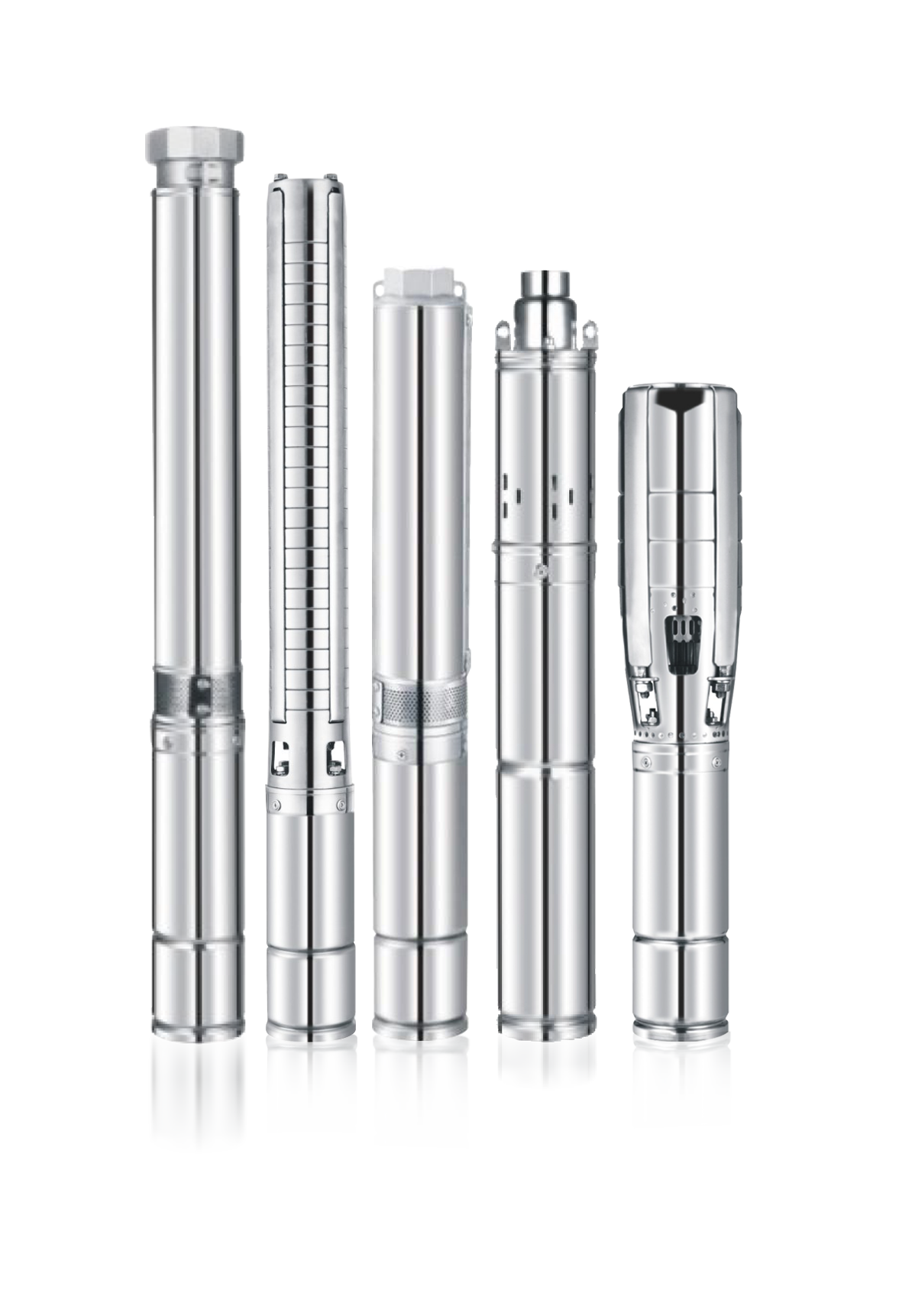
The first and most critical factor is understanding where your water is coming from and how much you need to move per day. If your source is a shallow tank or canal, a surface pump will typically suffice. But for boreholes or wells deeper than 20 meters, a submersible solar pump is required, capable of high-lift performance.
Your daily demand also affects system sizing. A drip irrigation system may need 10–20 cubic meters per day, while livestock across multiple stations could require much more—especially during dry seasons.
To avoid mismatches, it’s essential to calculate both:
Dynamic head height (vertical lift + friction loss)
Flow rate requirement (liters/hour or cubic meters/day)
• Solar Radiation Levels at the Site
Solar pump efficiency is directly tied to sunlight availability. High-irradiation areas (like the Middle East or southern Europe) are perfect for standard solar systems, but in regions with frequent cloud cover or seasonal shade, it may be wise to integrate MPPT controllers (Maximum Power Point Tracking) or battery backup for improved consistency.
Site analysis should also consider:
Orientation and tilt angle of panels
Shadow from nearby trees or buildings
Seasonal solar variation (especially in high-latitude zones)
• System Compatibility and Power Sizing
All components in a solar pumping system—PV panels, controllers, motors, and pumps—must be properly matched in voltage, amperage, and power output. An undersized array may not generate enough current, while an oversized pump can overload the inverter.
It’s recommended to consult with a professional integrator or manufacturer to validate system balance and load matching.
For example, a 2kW submersible pump might require a 2.5–3kW solar array, paired with an intelligent pump controller and surge protector. Some systems may include soft-start features to reduce sudden torque loads during motor startup.
• Installation, Maintenance, and Expansion Potential
Ease of installation is important, especially in remote areas. Some models come as plug-and-play kits, while others require electrical expertise. Also consider future scalability—can your system be upgraded with more panels or storage if demand increases?
Maintenance access is another key factor. In dusty desert areas or humid farmlands, panels may need cleaning every few weeks. Choosing corrosion-resistant mounting structures and water-resistant enclosures can reduce long-term wear.
How Do Solar Pumps Compare to Traditional Electric or Diesel Pumps?
When evaluating whether to invest in a solar pump, a key question for most operators is: how does it perform in comparison with traditional diesel or electric systems? The answer involves multiple dimensions—cost, performance, maintenance, reliability, and sustainability.
Solar pumps don’t just offer a clean alternative—they often outperform conventional pumps over the long term, especially in remote or energy-sensitive applications. Here’s how they stack up:
• Energy Source and Operational Independence
Solar pumps are powered by sunlight, which is free, renewable, and available in most regions of the Middle East and southern Europe throughout the year.
Electric pumps require access to the grid, which can be expensive to extend to isolated areas and may be unreliable due to voltage fluctuations.
Diesel pumps depend on fuel availability and logistics, with recurring costs and vulnerability to rising fuel prices or transport disruptions.
For projects in rural or infrastructure-scarce zones, solar pumps offer unmatched autonomy. There’s no need to worry about fuel delivery schedules, power outages, or local utility regulations.
• Cost Comparison: Short-Term vs Long-Term
At first glance, diesel pumps may seem cheaper due to low upfront cost. However, once fuel costs, engine servicing, and spare parts are factored in, the total cost of ownership escalates quickly.
Electric pumps, though less maintenance-intensive, come with monthly electricity bills that accumulate over time, especially for high-duty-cycle systems.
In contrast, solar pumps have higher initial investment—mostly due to the cost of PV panels and controllers—but operating costs are virtually zero, and payback typically occurs within 2 to 4 years, depending on system usage.
| Feature | Solar Pump | Electric Pump | Diesel Pump |
| Power Source | Sunlight (free) | Grid electricity | Diesel fuel |
| Operating Cost | Very Low | Medium | High |
| Maintenance | Minimal | Moderate | Frequent |
| Best Use Case | Remote, off-grid, long-term | Grid-access areas | Emergency or mobile use |
| Environmental Impact | Near zero | Medium | High |
| Payback Time | 2–4 years | Depends on tariffs | Not applicable (no ROI) |
• Reliability and Maintenance
Solar pumps have fewer moving parts, meaning less wear-and-tear, no oil changes, and minimal routine maintenance. They’re especially advantageous in places where technical personnel are not always available.
Diesel pumps, on the other hand, need constant attention:
Regular oil checks
Fuel filter replacements
Engine cleaning
Manual startup or priming
Electric pumps are simpler to maintain but depend heavily on a stable power grid, which isn’t always a given in remote projects or developing regions.
• Environmental and Regulatory Considerations
Solar pumps produce no emissions, which is critical in areas implementing green energy mandates or sustainability compliance programs. They don’t generate noise, fuel leakage, or air pollution, and can operate silently even in nature reserves or residential zones.
In contrast, diesel pumps release significant amounts of CO₂, contribute to soil and water contamination, and often require containment systems to meet environmental regulations—adding further cost and complexity.
Conclusion
Whether you’re running an off-grid farm, supplying water to a livestock operation, or looking to reduce long-term pumping costs, a solar pump offers a smart and sustainable solution. Its independence from the grid, minimal maintenance requirements, and environmental friendliness make it ideal for future-focused operations. As the global shift toward renewable energy continues, investing in the right solar pump system not only ensures operational efficiency but also aligns your project with long-term cost savings and environmental goals.
For dependable solar pump solutions tailored to diverse application needs, LCGK provides a trusted range of surface and submersible models, designed for durability, efficiency, and seamless solar integration.
 English
  French
  Arabic
  German
  Portuguese
  Spanish
  Italian
  Polish
  Russian
  Indonesian
  Turkish
  Bulgarian
  Dutch
Dutch  Japanese
  Korean
  Czech
Czech  Danish
  Greek
Greek  Estonian
  Finnish
  Hungarian
  Lithuanian
  Latvian
  Romanian
  Slovak
  Slovenian
  Swedish
  Ukrainian
  Chinese