
Introduction
In recent years, the demand for sustainable and cost-effective water pumping solutions has been steadily increasing. Traditional pumping systems, often powered by diesel generators or grid electricity, face challenges such as high fuel expenses, unstable power supply, and limited adaptability in remote or off-grid locations. This is where the solar pump has emerged as a transformative solution. By harnessing renewable solar energy, these systems provide reliable and efficient water delivery without the heavy reliance on conventional energy sources.
A solar water pump integrates photovoltaic panels with advanced motor control technology, allowing water to be drawn directly from underground or surface sources. Unlike traditional pumps, which operate at fixed speeds regardless of demand, modern solar-powered pumps can adjust output according to sunlight availability and real-time water requirements. This makes them highly efficient, environmentally friendly, and cost-saving in the long run.

As industries, agriculture, and communities seek smarter approaches to water management, solar pump technology is gaining recognition as both a sustainable and practical investment. From large-scale irrigation projects to municipal water supply and even small-scale rural applications, the adoption of solar pumping systems is no longer just an option—it is rapidly becoming a necessity.
Why Are Solar Pumps Becoming Essential for Modern Water Management?
Rising Demand for Sustainable Solutions
Across different regions, water management has become a critical challenge due to growing populations, rising energy costs, and environmental concerns. Traditional pumps powered by fossil fuels or unstable grid electricity often create long-term burdens. In contrast, a solar pump offers a renewable and independent source of power, ensuring that water systems operate even in areas without reliable electricity access.
Reducing Operational Costs
One of the strongest reasons businesses and communities turn to solar water pumps is cost savings. While initial installation may require investment in panels and equipment, the long-term benefits are significant. Unlike diesel pumps, there are no recurring fuel expenses. Maintenance costs are also lower because solar-powered pumps generally have fewer moving parts and operate more efficiently under varying loads.
Enhancing Reliability and Efficiency
Unreliable electricity grids or fuel shortages often disrupt water supply systems. A solar-powered pump mitigates these risks by directly converting sunlight into energy. With smart controllers, these pumps adjust to sunlight intensity, ensuring steady water flow throughout the day. This adaptability reduces downtime and improves long-term system reliability, which is especially crucial in critical applications like irrigation, livestock supply, or community water projects.
Supporting Environmental Goals
Another essential driver behind the popularity of solar pump systems is sustainability. By replacing fossil-fuel-powered solutions with clean solar technology, organizations can significantly lower their carbon footprint. This aligns with global trends toward renewable energy adoption and helps users meet environmental compliance or corporate sustainability goals.

How Does a Solar Water Pump Improve Irrigation Efficiency and Reliability?
Meeting Variable Water Demands in Agriculture
Agricultural irrigation systems often face fluctuating demands depending on crop type, soil condition, and seasonal cycles. Traditional pumps, operating at fixed speeds, cannot easily adjust to these variations, leading to either water waste or insufficient supply. A solar water pump addresses this issue by adjusting flow output according to the available solar power and real-time field needs, ensuring precise and consistent irrigation.
Reducing Energy and Resource Waste
With conventional pumping methods, farmers often experience excessive energy consumption during peak usage periods. In contrast, solar-powered pumps directly harness sunlight, cutting down electricity bills or eliminating diesel fuel costs. The integration of efficient controllers ensures that water is distributed evenly across fields, reducing wastage and helping crops achieve optimal growth conditions. This efficiency not only lowers operational costs but also contributes to long-term soil and water conservation.
Ensuring Reliable Water Supply in Remote Areas
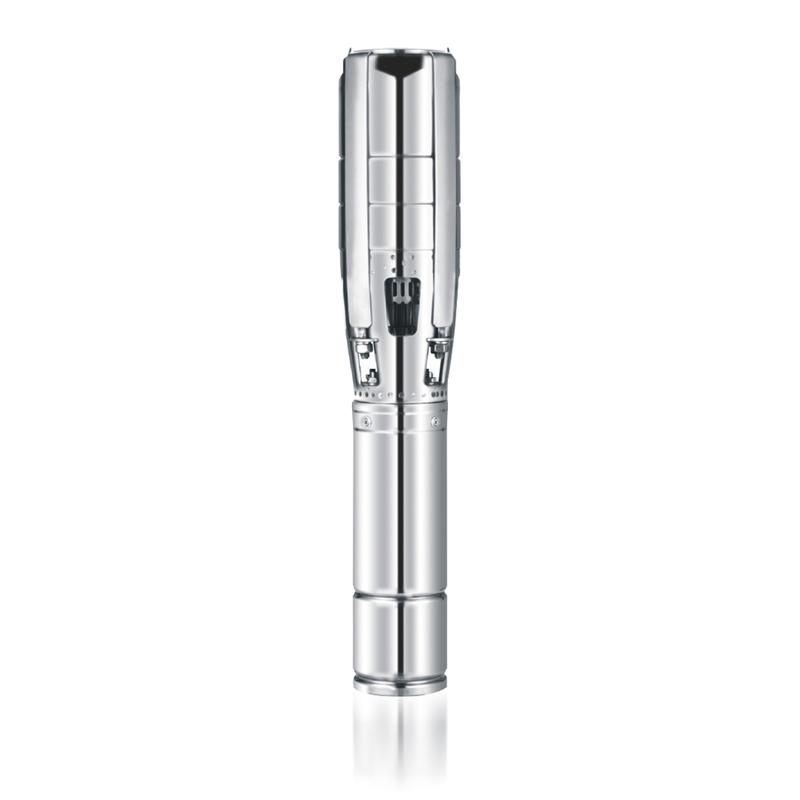
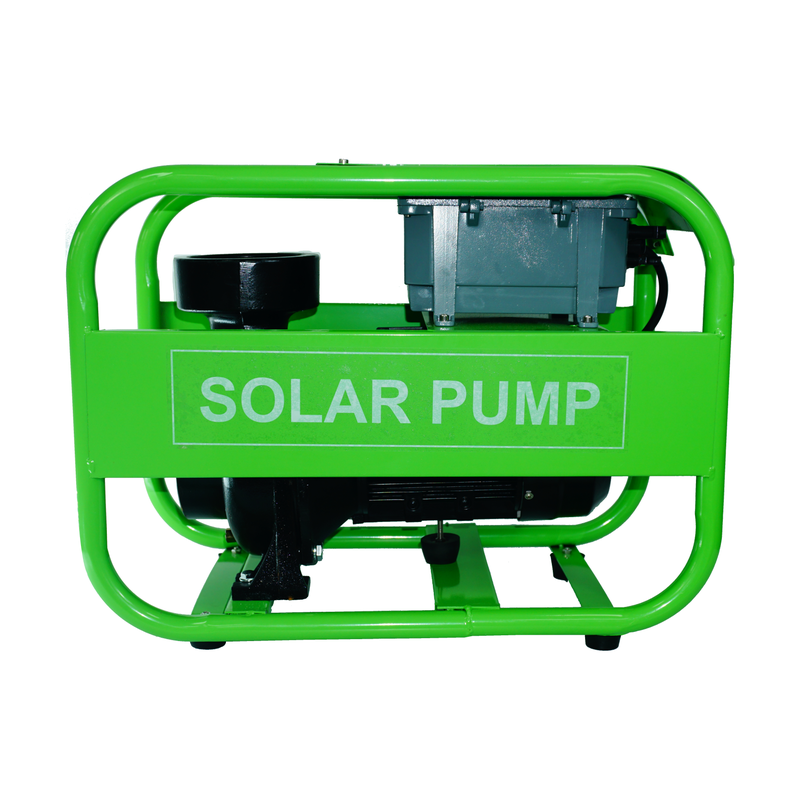
Many farmlands are located in areas where access to stable electricity is limited or nonexistent. Here, the JDS solar submersible pump proves invaluable, as it can draw water directly from wells or underground sources without requiring grid power. For surface-level irrigation channels, the DHF Surface pump offers reliable performance, delivering water consistently from rivers, ponds, or reservoirs. Both solutions help farmers maintain dependable water availability even in remote or off-grid environments.
Increasing Crop Productivity and Profitability
Efficient irrigation directly impacts crop yield and quality. By adopting solar water pump systems, farmers can maintain stable irrigation schedules, reduce crop stress from inconsistent watering, and ultimately enhance productivity. The improved water-use efficiency also reduces reliance on costly inputs, making agricultural operations more profitable and sustainable over time.
What Advantages Do Solar-Powered Pumps Offer Compared to Traditional Systems?
Lower Long-Term Operating Costs
Traditional pumps powered by diesel or grid electricity often involve high recurring costs. Diesel prices fluctuate and can become a major burden, while grid electricity tariffs continue to rise in many regions. In contrast, a solar-powered pump relies on free sunlight, reducing or eliminating fuel and electricity expenses. Once the initial setup is complete, operational costs remain minimal, making it a cost-effective choice for long-term use.
Reduced Maintenance and Longer Lifespan
Diesel engines and conventional electric pumps have multiple moving parts that require frequent servicing, oil changes, or replacement of worn-out components. Breakdowns are common and can cause costly downtime. By comparison, a solar pump is simpler in design and built to operate efficiently with minimal mechanical stress. This reduces maintenance frequency, extends equipment lifespan, and ensures smoother operations for agricultural, municipal, or industrial applications.
Improved Reliability and Independence
Dependence on diesel fuel or unstable electricity grids makes traditional systems vulnerable to supply disruptions. A solar water pump provides independence from these uncertainties by directly utilizing solar energy. For farms in remote locations or communities with unreliable infrastructure, this autonomy ensures water supply continuity without interruptions, improving overall reliability.
Environmental and Regulatory Compliance
Sustainability is increasingly becoming a requirement, not just an option. Traditional pumping methods contribute to carbon emissions and environmental degradation. A solar-powered pump operates with zero emissions, helping users reduce their carbon footprint. In many regions, adopting renewable energy systems also brings access to government incentives, subsidies, or favorable financing options, making solar pumps both environmentally and economically beneficial.
Scalability and Flexibility
Conventional pumps often require extensive infrastructure for expansion, such as larger fuel storage or grid capacity upgrades. A solar pump system is inherently scalable—additional panels or capacity can be added as water demand grows. This flexibility makes it suitable for both small-scale farms and large agricultural projects, as well as municipal or industrial water systems.
Which Applications Benefit Most from Using Solar Pump Technology?
Agricultural Irrigation and Livestock Watering
The most widespread application of the solar water pump is in agriculture. Farmers often need reliable water delivery for crop irrigation, especially in areas where rainfall is inconsistent. A JDS solar submersible pump can draw water directly from deep wells, providing steady supply for large fields. For surface-level needs, such as irrigation channels, ponds, or livestock troughs, the DHF Surface pump ensures efficient water transfer. This flexibility makes solar pump systems highly adaptable to diverse agricultural demands.
Municipal and Community Water Supply
In many developing or rural areas, access to clean and reliable water remains a challenge due to unstable electricity grids. Solar-powered pumps offer a sustainable solution for community water projects, delivering safe drinking water from underground sources or reservoirs. They can be scaled up to support municipal infrastructure or used in smaller village-level systems, ensuring that communities remain resilient and self-sufficient.
Industrial and Commercial Applications
Industries that require consistent water supply—such as food processing, textiles, and construction—benefit from the cost savings and reliability of solar pump systems. Unlike diesel-powered equipment, which demands constant refueling, solar water pumps reduce downtime and streamline operations. For remote commercial sites, solar technology eliminates the need for expensive grid extensions or fuel transport, making operations more efficient and sustainable.
Emergency and Off-Grid Usage
In disaster-prone or off-grid regions, rapid deployment of water pumping solutions is critical. Solar pump systems are portable, quick to install, and capable of delivering immediate results without reliance on fuel supply chains. Whether for temporary relief camps, remote construction projects, or emergency agricultural support, the ability to harness sunlight for pumping water ensures uninterrupted supply in critical situations.
Environmental and Conservation Projects
Beyond direct economic benefits, solar pump systems are increasingly used in environmental restoration and conservation projects. Applications such as reforestation, wildlife reserves, and wetland rehabilitation require sustainable water supply with minimal ecological impact. A solar-powered pump meets these needs by operating silently, reducing carbon emissions, and promoting responsible resource use.
How to Choose Between a Solar Submersible Pump and a Surface Pump?
Understanding the Basics of Each Type
A solar submersible pump is installed below the water surface, typically inside wells, boreholes, or underground reservoirs. It pushes water upward and is ideal for deep-water extraction. On the other hand, a surface pump operates outside the water source and pulls water from rivers, ponds, or shallow tanks. Both are powered by solar energy but serve different water delivery needs.
When to Choose a Solar Submersible Pump
For farms or facilities that require water from deep underground sources, the JDS solar submersible pump is the preferred choice. Its design allows it to lift water from depths where surface pumps cannot operate effectively. Submersible pumps are particularly suited for:
Deep wells or boreholes exceeding 30 meters.
Irrigation systems requiring high pressure for sprinklers or drip lines.
Municipal or industrial projects where continuous, high-volume water extraction is necessary.
When to Choose a Surface Pump
For shallow water sources such as ponds, rivers, or irrigation channels, the DHF Surface pump is more practical. It is easy to install, maintain, and relocate, making it suitable for applications like:
Surface irrigation projects that need large volumes of water quickly.
Livestock watering from ponds or tanks.
Temporary or mobile operations where flexibility is required.
Key Factors to Consider in the Selection
Water Source Depth – Submersible pumps excel in deep wells, while surface pumps are best for shallow sources.
Water Flow Requirements – High-pressure irrigation systems often benefit from submersible pumps, while surface pumps handle bulk water transfer efficiently.
Installation and Maintenance – Surface pumps are easier to access for servicing, while submersible pumps are protected from external damage due to their underwater placement.
Operational Costs – Both pumps leverage solar energy, but efficiency depends on matching the right pump to the right application.
Making the Right Investment
Choosing between a submersible or surface solar pump is not just about technical specifications but also long-term planning. Evaluating the source, demand, and future expansion needs will ensure the system provides maximum efficiency and return on investment. Both the JDS solar submersible pump and DHF Surface pump from LCGK are designed to meet diverse requirements, offering reliable and sustainable solutions for modern water management.

Conclusion
As water demand continues to grow, businesses, communities, and agricultural operations are seeking solutions that are both reliable and sustainable. The solar pump has proven to be one of the most effective technologies, addressing challenges of high energy costs, unstable power supplies, and environmental concerns. Whether through a solar water pump for deep-well irrigation or a solar-powered pump for surface water transfer, these systems deliver efficiency, cost savings, and long-term reliability.
Selecting the right pump type is crucial. For deep groundwater extraction, the JDS solar submersible pump offers unmatched performance, while the DHF Surface pump provides practical solutions for rivers, ponds, and irrigation channels. Both ensure that water delivery remains uninterrupted and eco-friendly.
By choosing advanced solar pump solutions, organizations can not only meet immediate operational needs but also align with long-term goals of sustainability and resource conservation. With years of expertise and proven product quality, LCGK stands as a trusted partner, offering innovative solar pumping systems designed to support diverse applications worldwide.
 English
  French
  Arabic
  German
  Portuguese
  Spanish
  Italian
  Polish
  Russian
  Indonesian
  Turkish
  Bulgarian
  Dutch
Dutch  Japanese
  Korean
  Czech
Czech  Danish
  Greek
Greek  Estonian
  Finnish
  Hungarian
  Lithuanian
  Latvian
  Romanian
  Slovak
  Slovenian
  Swedish
  Ukrainian
  Chinese