
Introduction
In today’s world, the demand for reliable, cost-effective, and sustainable water solutions is growing rapidly across agricultural, industrial, and community sectors. Rising energy costs, the environmental impact of diesel pumps, and the limitations of traditional grid-powered systems have all pushed decision-makers to explore alternatives that combine efficiency with long-term reliability. Among these options, the solar pump has become one of the most innovative and practical choices.
A solar water pump works by converting solar energy directly into electricity to drive pumping systems, eliminating the need for fossil fuels or unstable grid connections. Unlike conventional setups, a solar-powered pump delivers consistent water flow that adapts to real-time sunlight conditions, making it particularly effective in areas with high solar resources. This technology is no longer viewed as an experimental solution—it has matured into a proven investment that reduces operational costs, increases energy independence, and supports environmental goals.
As industries and communities continue to look for ways to secure water supply while lowering carbon footprints, the solar pump stands out as a smart and forward-looking solution. The following sections will explore what makes solar pumps work, why they are considered a sustainable alternative, which applications benefit the most, and how to choose the right system for long-term performance.

What Is a Solar Pump and How Does It Work?
Working Principle of a Solar Pump
At its core, a solar pump operates by converting sunlight into usable electricity that powers a motor, which then drives a pumping mechanism to lift or push water. Solar panels capture solar radiation and generate direct current (DC) electricity. This power is either fed directly into a DC motor or converted into alternating current (AC) through an inverter, depending on the pump design. Unlike conventional diesel or electric pumps, a solar-powered pump operates most efficiently when sunlight is abundant, making it highly suitable for regions with strong solar resources.
Key Components of a Solar Water Pump System
A typical solar water pump system consists of several integrated components working together:
Solar Panels: Capture and convert sunlight into electrical energy.
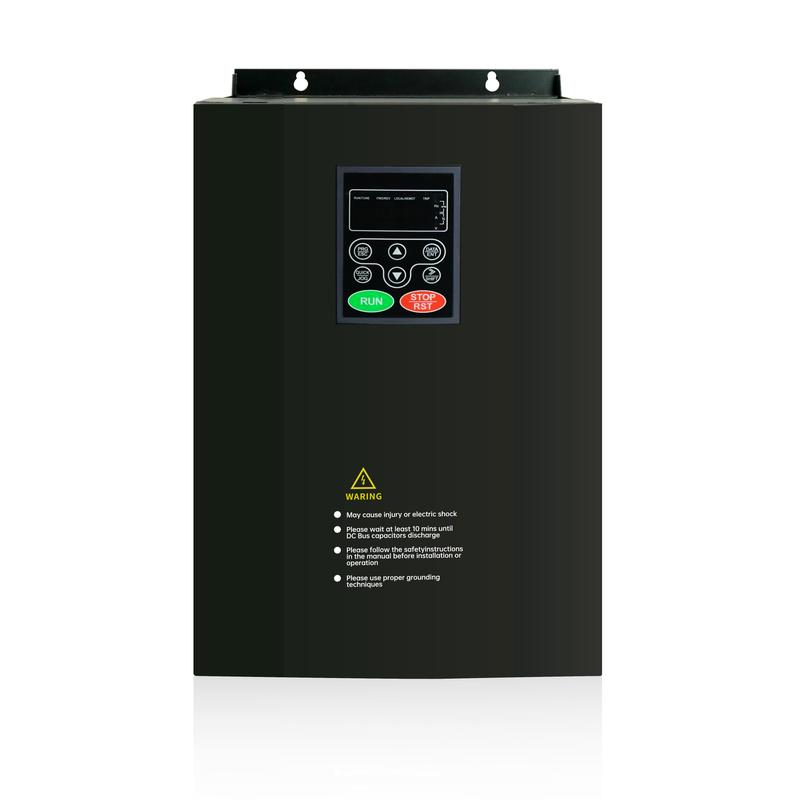
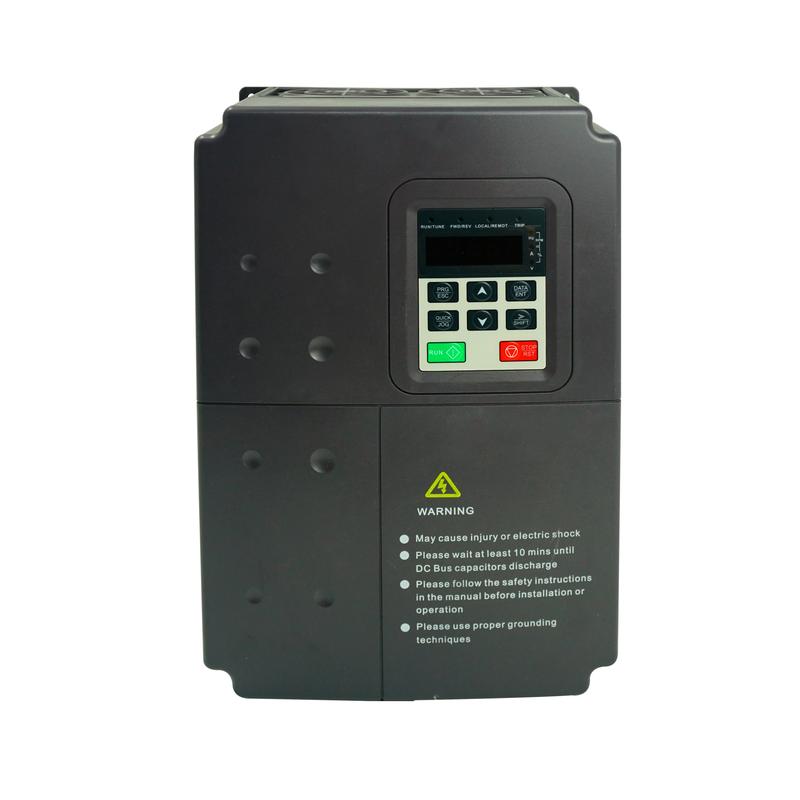
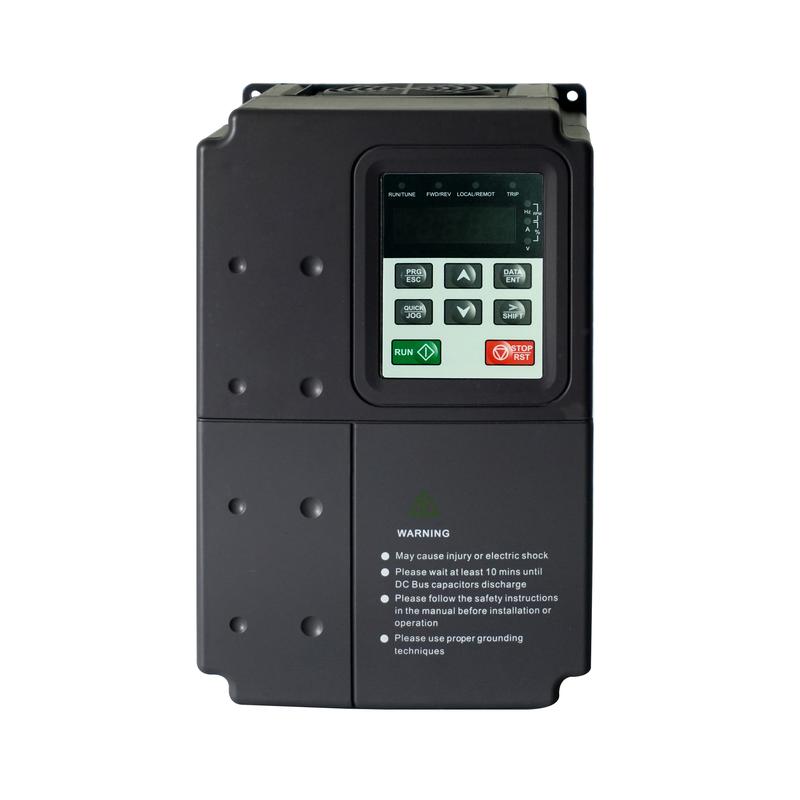
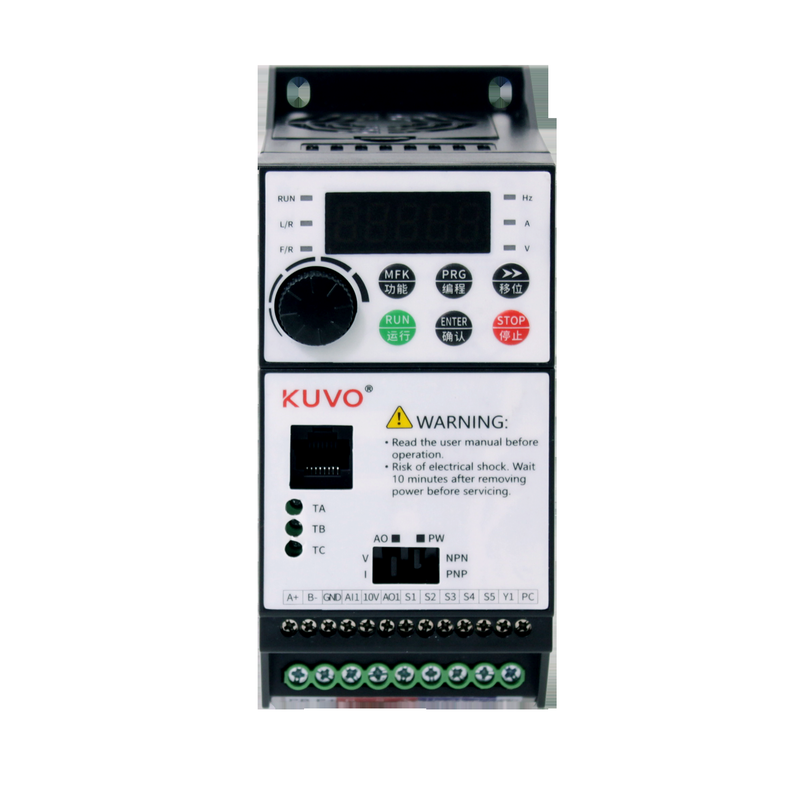
Pump Controller: Regulates voltage, protects against overload, and ensures stable performance.
Electric Motor: Drives the pump, either DC or AC depending on system design.
Pump Body: The mechanical unit that actually draws water, whether from underground or a surface source.
Storage or Distribution System: Water is stored in tanks or directly supplied to irrigation, livestock, or community pipelines.
Each component plays a critical role in ensuring that the system runs smoothly with minimal downtime. When integrated properly, the entire setup delivers reliable and sustainable water pumping without dependence on fossil fuels.
Types of Solar Pumps: Submersible vs. Surface
Solar pumps are broadly divided into two categories based on application and water source:
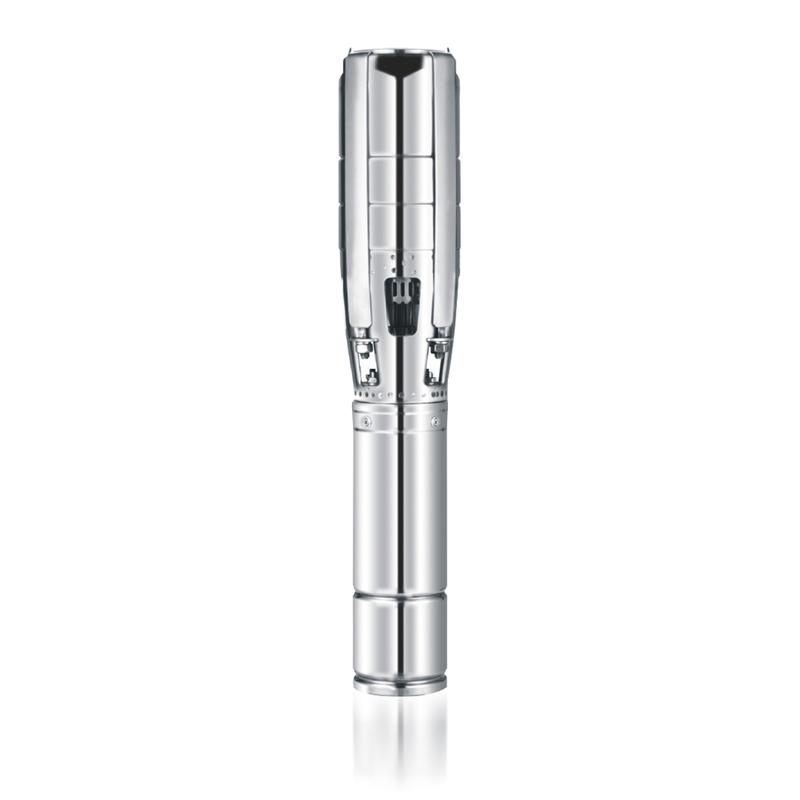
Solar Submersible Pumps: Installed underwater, these are ideal for drawing water from deep wells or boreholes. For example, the JDS solar submersible pump is designed to handle varying depths efficiently, ensuring stable flow even under challenging underground conditions.
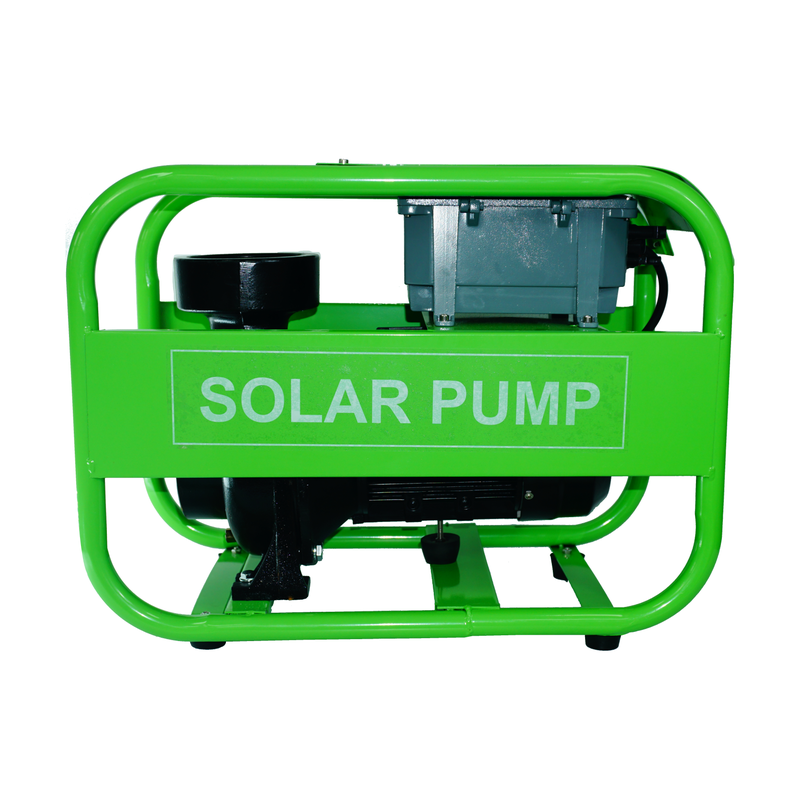
Solar Surface Pumps: Placed above ground, these are used for lifting water from ponds, rivers, or shallow sources. A typical solution is the DHF Surface pump, which offers high flow rates and easy installation for surface-level water supply.
By understanding how a solar water pump functions, what components it relies on, and which type best suits specific needs, decision-makers can make informed choices for agricultural, industrial, or community water projects.

Why Is a Solar Pump a Sustainable Alternative to Traditional Systems?
Energy Efficiency and Cost Reduction
One of the most significant advantages of a solar pump lies in its ability to dramatically lower operating costs. Traditional diesel or electric pumps consume large amounts of fuel or depend heavily on fluctuating grid electricity, both of which add to long-term expenses. By contrast, a solar water pump uses freely available sunlight, which not only reduces daily energy costs but also shields users from rising fuel prices and unpredictable electricity tariffs. Over time, the return on investment becomes evident, especially in large-scale irrigation or industrial applications where energy demand is high.
Environmental Benefits of Solar-Powered Pumps
A solar-powered pump provides a clear environmental advantage over conventional systems. Diesel pumps release carbon emissions, contribute to air pollution, and require ongoing maintenance involving oil changes and spare parts. In contrast, solar systems produce clean energy with zero emissions during operation. This not only supports sustainability goals but also aligns with global initiatives to reduce reliance on fossil fuels. For organizations seeking eco-friendly solutions that meet both operational and environmental standards, the solar pump has become a strategic choice.
Reliability in Remote and Off-Grid Areas
For regions where grid electricity is unstable or completely unavailable, a solar pump offers a level of reliability that traditional systems cannot match. Solar technology ensures that water supply continues as long as there is daylight, reducing dependency on external fuel logistics or inconsistent infrastructure. For example, using a solar water pump in rural irrigation projects ensures crops receive timely watering without interruptions caused by fuel shortages or power outages. Additionally, with fewer moving parts than diesel engines, solar systems require less maintenance, ensuring consistent long-term performance.
Which Applications Benefit Most from Solar Water Pumps?
Agricultural Irrigation
Agriculture remains the largest user of water worldwide, and a solar water pump is particularly valuable in this sector. Farmers often struggle with inconsistent rainfall and rising fuel costs for irrigation. By installing a solar pump, they gain access to a reliable water source that can operate throughout the day, ensuring crops receive steady hydration. Systems like the JDS solar submersible pump are well-suited for drawing water from deep wells, enabling farmers to irrigate large fields efficiently. Over time, this leads to improved crop yields, reduced dependency on costly fuel, and better long-term profitability.
Livestock Watering
In livestock management, water supply is critical for animal health and farm operations. A solar-powered pump provides a consistent and automated solution for filling watering troughs or supplying water tanks in grazing areas. Because these systems can be set up in remote pastures far from power lines, they reduce the need for manual labor and lower the risk of animals facing water shortages. For surface water sources such as ponds or rivers, the DHF Surface pump offers a practical option, ensuring high flow rates for multiple livestock units simultaneously.
Industrial and Community Water Supply
Beyond agriculture, solar pumps are also valuable for small industries, factories, and rural communities where reliable water access is essential. A solar water pump can support cooling systems, cleaning processes, or daily community water needs without placing additional demand on the electrical grid. For villages and schools in off-grid regions, solar-powered systems guarantee safe and stable access to water, improving quality of life and supporting local development goals.
Emergency and Remote Applications
In emergency situations such as drought relief or disaster recovery, the portability and independence of a solar-powered pump make it a fast-deployable solution. Remote humanitarian projects or temporary camps often lack stable infrastructure, making diesel delivery costly and unreliable. Solar systems eliminate these challenges by using sunlight as the only energy source. Lightweight designs and modular installation further enhance adaptability, allowing water access even in challenging terrains.
How to Select the Right Solar Pump for Your Needs?
Assessing Your Water Requirements
The first step in selecting a solar pump is to evaluate how much water is needed and for what purpose. For agricultural irrigation, farmers may require large volumes of water delivered at specific times of the day, while livestock owners might prioritize steady flow for watering troughs. Communities, on the other hand, may need continuous supply for households or schools. Defining flow rate, head (the height water needs to be lifted), and daily operating hours helps determine the correct solar water pump capacity.
Considering Environmental and Site Factors
Every location presents unique challenges that influence pump performance. Sunlight availability, water source type, and local climate all play a role. For example, a deep well in a dry region requires a powerful solar submersible pump like the JDS series, while areas with accessible rivers or ponds may benefit more from a solar-powered surface pump such as the DHF Surface pump. Additionally, regions with variable weather patterns may need systems with battery storage or hybrid backup to guarantee uninterrupted operation.
Matching Pump Type to Application
Choosing between submersible and surface pumps is critical.
Submersible Pumps: Best for deep wells and underground aquifers, delivering stable performance in long-term irrigation projects.
Surface Pumps: Ideal for shallow sources, ponds, and rivers where installation and maintenance need to be simple and accessible.
Selecting the right type ensures that the solar pump operates efficiently, reduces wear on components, and maximizes energy use.
Evaluating Long-Term Costs and Value
While the initial investment for a solar-powered pump system may appear higher than diesel or electric alternatives, long-term cost savings are substantial. With minimal fuel expenses, low maintenance requirements, and long service lifespans, the total cost of ownership is significantly reduced. Furthermore, many projects benefit from governmental or institutional incentives promoting renewable energy solutions, which can further offset upfront costs. For organizations seeking both performance and financial stability, the solar water pump provides one of the most compelling returns on investment.
What Makes a Reliable Solar Pump Investment for the Future?
Smart System Integration
A reliable solar pump is more than just panels and a motor—it’s about how well the system is integrated. Advanced controllers ensure stable performance, protect against dry running, and adjust pump speed to match sunlight intensity. When paired with monitoring tools or IoT-based platforms, a solar-powered pump can provide real-time data on water flow, energy consumption, and system health. These features reduce downtime, optimize efficiency, and make large-scale water management projects far easier to control.
After-Sales Support and Maintenance
Even the most advanced solar water pump requires occasional servicing and technical support. A strong after-sales network ensures that replacement parts, troubleshooting, and upgrades are readily available. Choosing suppliers or manufacturers with established service channels not only minimizes operational risks but also extends the overall system lifespan. For businesses and communities making long-term investments, dependable after-sales support is as important as the equipment itself.
Trust in Proven Brands and Technology
In a competitive market, not all solar pumps deliver the same level of quality. Relying on proven brands with documented case studies and industry experience reduces uncertainty. Established manufacturers invest in research, use high-grade materials, and test products under diverse conditions to guarantee performance. For example, LCGK VFD’s JDS solar submersible pump and DHF Surface pump have been recognized for their adaptability, efficiency, and durability across agricultural and community projects. Choosing a reliable partner ensures that the system not only performs well today but remains dependable for years to come.

Conclusion
The growing need for sustainable water solutions has positioned the solar pump as a vital technology across agriculture, industry, and community applications. By offering energy efficiency, environmental benefits, and reliable operation, a solar-powered pump addresses the limitations of traditional water systems. Selecting the right type, ensuring strong system integration, and partnering with trustworthy brands are essential steps to maximize both performance and long-term value.
LCGK’s JDS solar submersible pump and DHF Surface pump deliver proven solutions designed to meet diverse irrigation, livestock, and water supply needs with efficiency and sustainability in mind.
 English
  French
  Arabic
  German
  Portuguese
  Spanish
  Italian
  Polish
  Russian
  Indonesian
  Turkish
  Bulgarian
  Dutch
Dutch  Japanese
  Korean
  Czech
Czech  Danish
  Greek
Greek  Estonian
  Finnish
  Hungarian
  Lithuanian
  Latvian
  Romanian
  Slovak
  Slovenian
  Swedish
  Ukrainian
  Chinese