
As industries and agriculture shift toward renewable energy, solar-powered solutions are becoming a cornerstone of sustainable infrastructure. Among them, the solar pump inverter plays a pivotal role by converting solar energy into usable power for water pumps. But its function extends beyond energy conversion — it brings automation, efficiency, and reliability to water management systems across a wide range of applications. In this article, we break down how solar pump inverters work, where they’re used, and why choosing the right one is crucial for long-term success.
What Is a Solar Pump Inverter and Why Is It Essential in Water Systems?
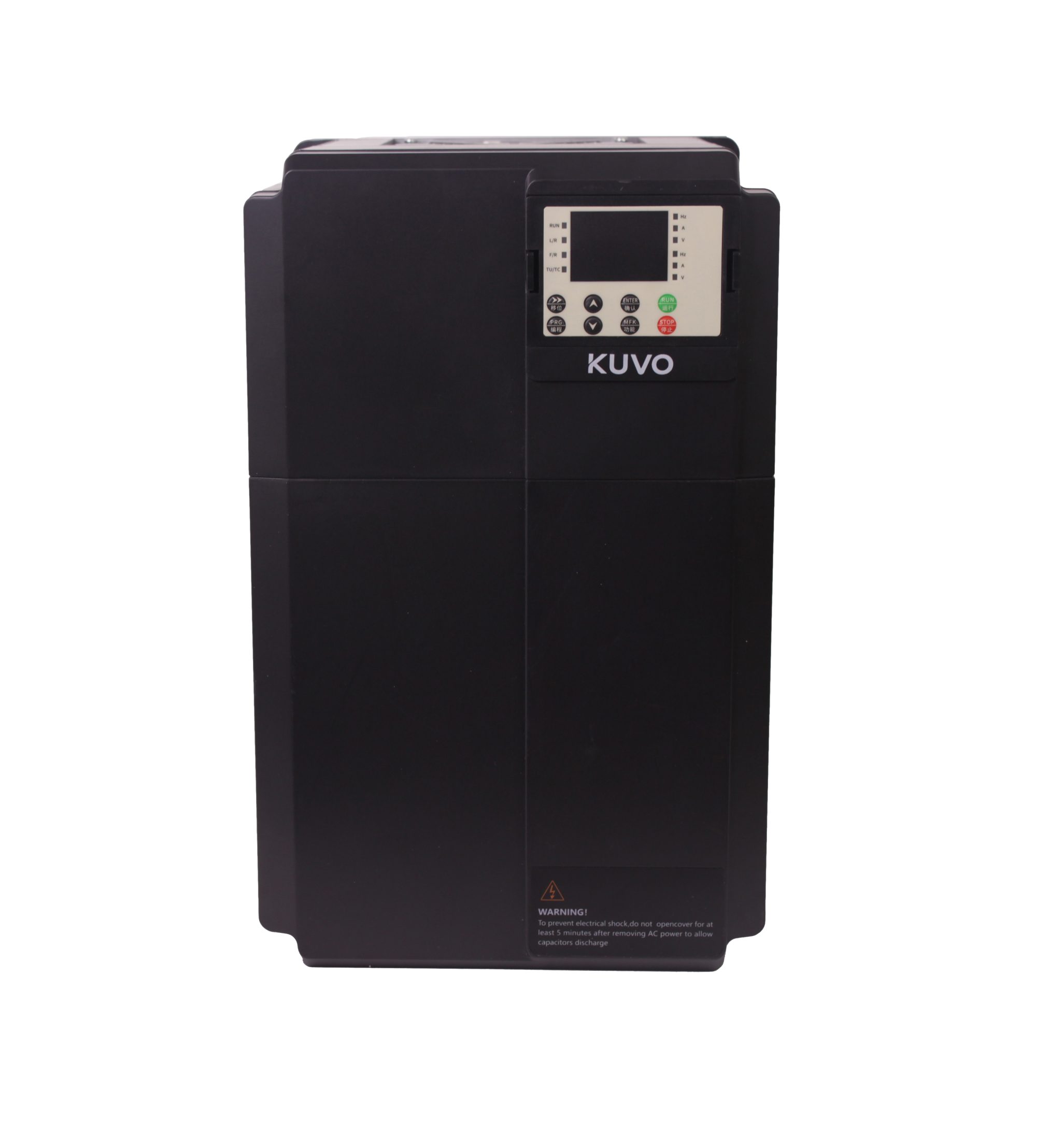
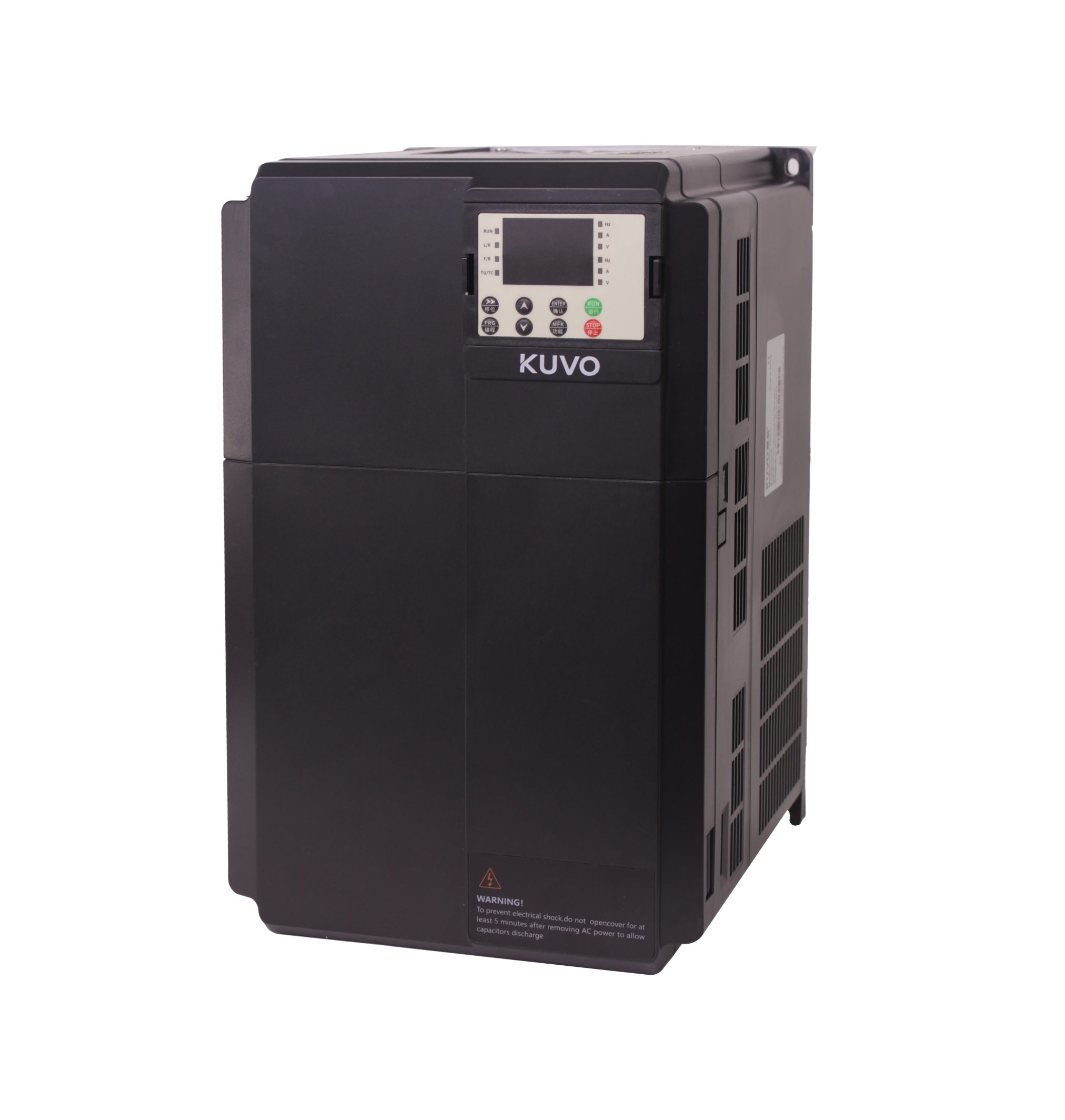
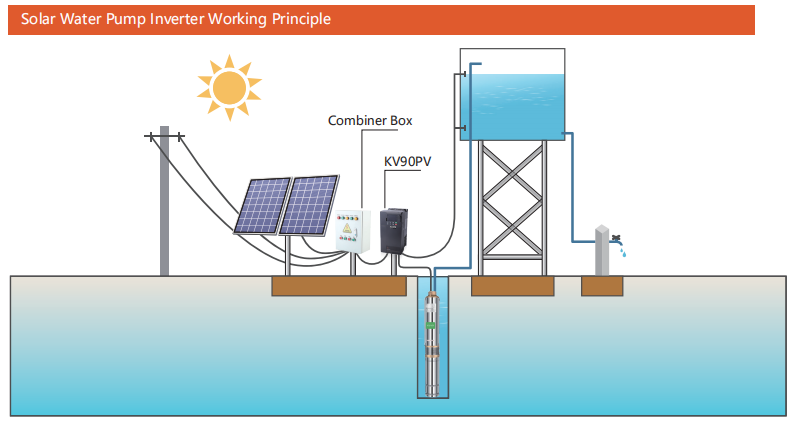
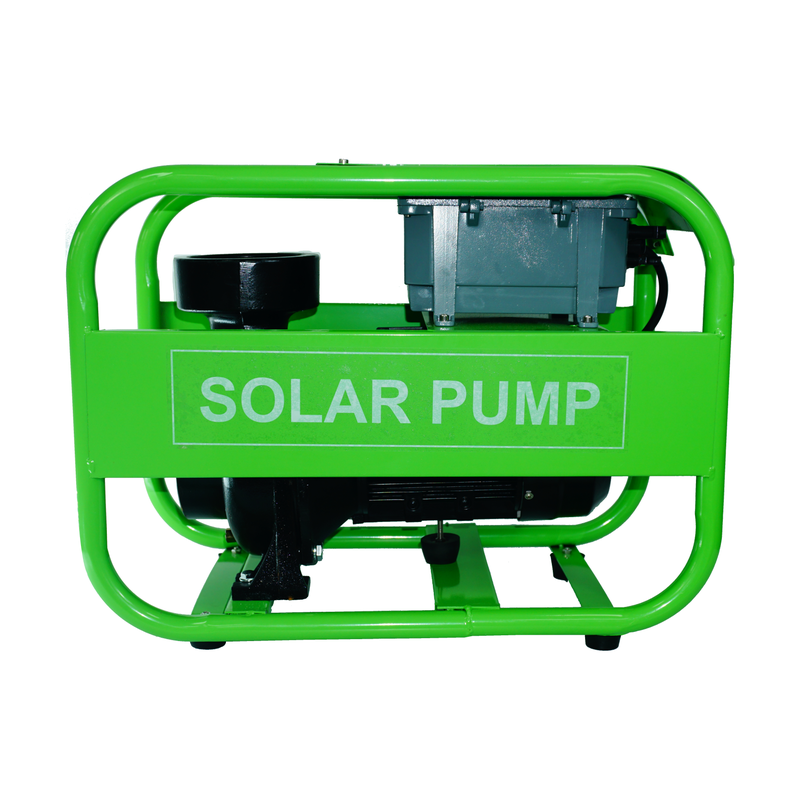
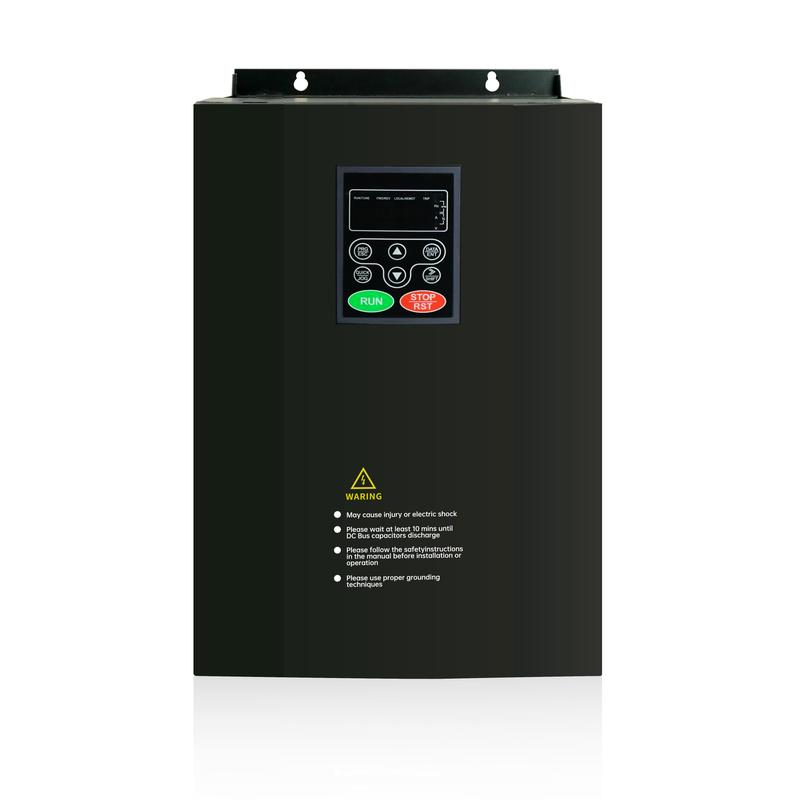
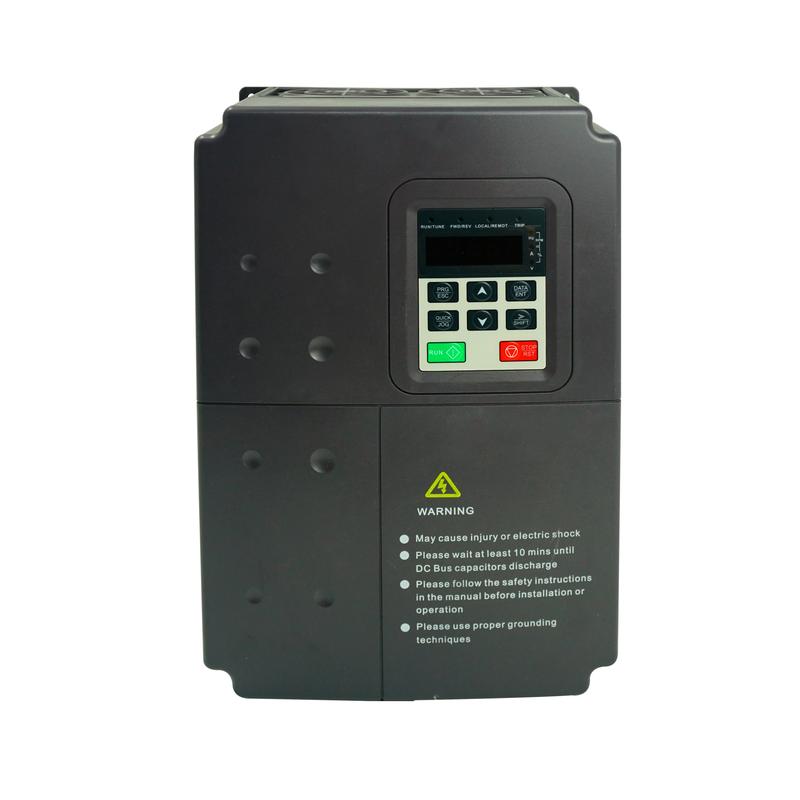
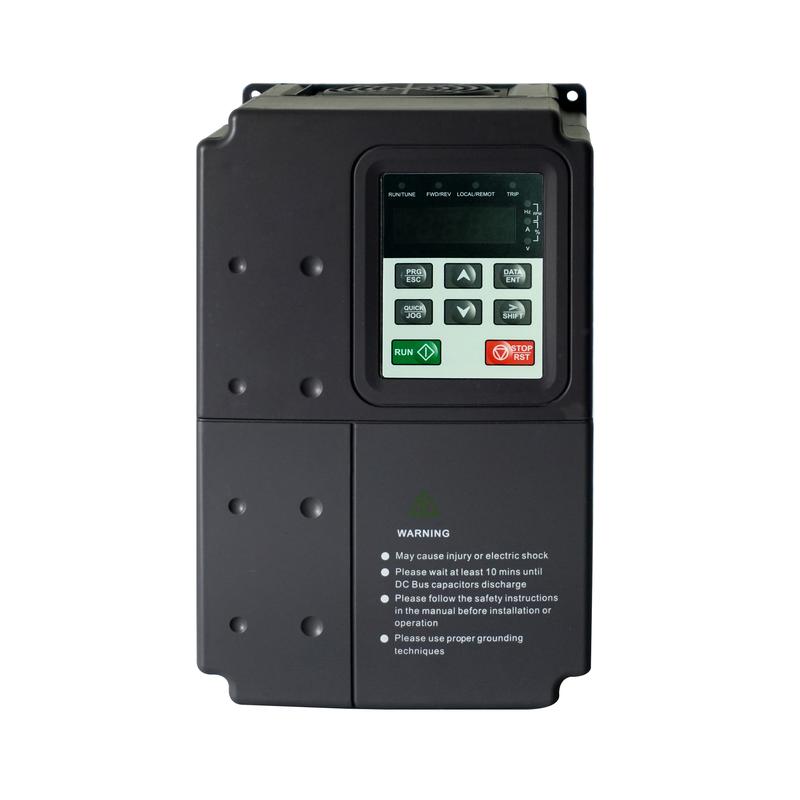
A solar pump inverter serves as the bridge between renewable energy and efficient water pumping. It plays a dual role—converting DC power generated from solar panels into usable AC for motors, and ensuring the entire system operates smoothly and efficiently throughout the day. This becomes especially important in remote areas where access to conventional power sources is either expensive or unavailable.
Beyond basic conversion, the inverter actively monitors voltage, current, and pump load in real time. This ensures the system performs optimally even under harsh conditions like heatwaves or dust storms, which are common in Middle Eastern environments. For example, when irradiance is strong during midday, the inverter ramps up the motor speed, increasing water output for irrigation or storage. Conversely, during cloudy periods or early morning hours, it adjusts motor performance to prevent sudden pressure drops or equipment strain.
From an operational standpoint, it simplifies solar water systems by eliminating the need for human monitoring. Built-in logic algorithms, such as automatic start-stop based on sunlight or tank water levels, allow it to function autonomously. This automation greatly reduces manual labor and human error, which is crucial in agricultural environments where consistency matters.
Moreover, in regions like Southern Europe where regulations increasingly favor green energy integration, a solar pump inverter becomes not just a technical solution but also a strategic investment for compliance and long-term energy independence.
How Does a Solar Pump Inverter Work in Varying Sunlight Conditions?
One of the most critical challenges in solar-based systems is handling the intermittent nature of sunlight. A high-quality solar pump inverter is designed to overcome this by dynamically adjusting its performance in response to solar irradiance. Unlike a conventional inverter, it doesn’t simply convert power — it intelligently manages power delivery to ensure the pump runs efficiently even when solar input fluctuates.
When sunlight is strong, the inverter increases the output frequency and voltage, allowing the pump to work at higher capacity. As clouds pass or the sun lowers in the sky, the inverter reduces the motor speed accordingly to prevent system overload or dry running. This continuous adaptation ensures water flow remains reliable and steady throughout the day.
Most inverters also feature MPPT (Maximum Power Point Tracking), a technology that constantly seeks the ideal voltage-current combination for extracting the maximum possible energy from solar panels. This becomes especially valuable in regions like the Mediterranean or the Gulf, where solar intensity can change rapidly due to climate variations or dust interference.
Additionally, the inverter often includes intelligent functions such as sleep/wake cycles. If solar input drops below a certain threshold, the system automatically pauses and then resumes operation when light levels improve—without user intervention. This not only saves energy but also extends the pump’s service life by preventing it from running under strain.
Such real-time adaptability makes the inverter indispensable for locations with unpredictable weather patterns, supporting consistent irrigation, livestock watering, or water supply operations without interruption.
What Are the Main Applications of Solar Pump Inverters Across Industries?
The use of solar pump inverters is no longer confined to agricultural fields alone. Their versatility, efficiency, and ability to harness solar energy without reliance on the grid have made them highly attractive across a range of industries and public utilities. These inverters have become the go-to solution wherever dependable water supply and energy cost reduction are key considerations.
Agricultural Irrigation
In farms across Southern Europe, such as Spain, Italy, and Greece, solar pump inverters are widely used to power irrigation systems that deliver water to vineyards, orchards, and open-field crops. By enabling pumps to adjust flow rates based on solar input, farmers can match irrigation volumes with real-time plant needs — optimizing water use and reducing waste.
Livestock & Dairy Farms
In regions like Turkey and Saudi Arabia, where livestock often roam in vast, remote pastures, solar-powered water systems ensure animals have continuous access to fresh water. The inverter-controlled pump starts automatically when solar energy is available, maintaining water trough levels throughout the day without the need for fuel delivery or grid expansion.
Rural & Off-Grid Communities
Solar pump inverters are increasingly used in remote communities for domestic water supply. These systems often include water storage tanks, pressure sensors, and smart controllers connected to the inverter. When paired with battery backup, the setup can provide 24/7 water delivery, improving hygiene and quality of life.
Industrial and Environmental Applications
In industrial settings, solar pump inverters are also being applied to wastewater treatment, aquaculture, and environmental remediation. In these cases, pumps are responsible for moving large volumes of fluid, and inverter control ensures smooth and efficient operation even under fluctuating power conditions. This is particularly beneficial where environmental regulations encourage the use of renewable energy sources.
These broad applications underscore the flexibility of solar pump inverters in adapting to diverse water management challenges—delivering reliability, autonomy, and sustainability in one intelligent device.
How Do You Choose the Right Type of Solar Pump Inverter?
Selecting the correct solar pump inverter is a crucial step in ensuring the long-term success and efficiency of your water system. A mismatch between the inverter and pump specifications can result in reduced performance, frequent system shutdowns, or even equipment damage. To make the right choice, it’s essential to evaluate the technical parameters of your installation and align them with the inverter’s capabilities.
Pump Type Compatibility
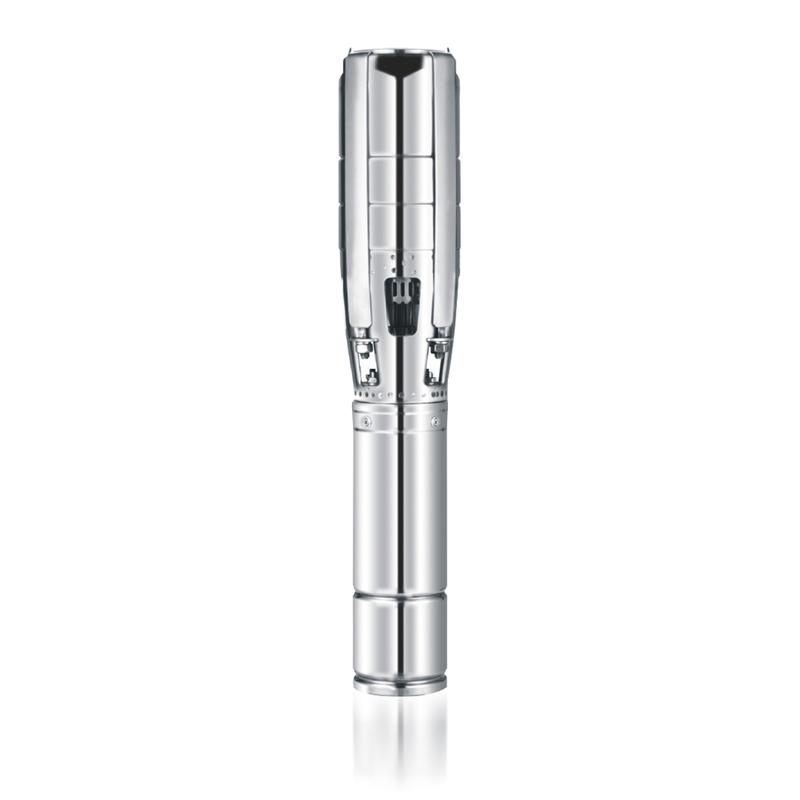
The first decision is whether your system uses a surface pump or submersible pump, and whether it requires AC or DC input. AC motor pumps are commonly paired with inverters that provide three-phase AC output and offer fine-tuned control over motor speed and torque. In contrast, DC pumps may work with simpler, direct-drive controllers, but offer less flexibility in variable operation.
Voltage and Power Ratings
You must match the inverter’s input voltage range with the total output of your solar panels, and ensure that its output power rating meets or exceeds the motor’s power demand. For example, if your pump requires 3kW at 230V, your inverter must reliably deliver this level under varying sunlight. Undersized inverters will frequently trip or operate inefficiently.
Control Features and Protections
Advanced inverters come with configurable logic such as low water level sensing, tank full cutoff, and remote start/stop. These features are particularly useful in automated irrigation or livestock watering systems. Moreover, inverters with protections like dry-run detection, thermal shutdown, and overload alerts prevent equipment failure and reduce maintenance costs.
Environmental Suitability
Don’t overlook the IP rating (Ingress Protection). For dusty deserts in the Middle East or humid coastal zones in Europe, inverters with IP65 or higher are recommended. A rugged, weatherproof enclosure helps ensure continuous operation regardless of environmental stress.
For instance, certain LCGK solar pump inverter models come pre-engineered for both 1.5kW and 5kW submersible systems, with flexible MPPT input voltage ranges and built-in intelligent logic, simplifying deployment across a wide range of site conditions.
What Benefits Can You Expect From Long-Term Use of a Solar Pump Inverter?
The long-term advantages of using a solar pump inverter go far beyond the immediate savings on electricity or fuel. These systems are engineered for durability, energy independence, and operational continuity, making them a strategic investment for industries that rely heavily on water infrastructure.
Significant Cost Reduction
Over time, the elimination of recurring fuel or utility bills can lead to dramatic savings—especially in applications where pumps operate daily for hours. Whether it’s a 2kW irrigation system in rural Portugal or a 5kW livestock pump in Saudi Arabia, the return on investment is typically seen within the first 2–4 years, depending on local conditions and system size.
Minimal Maintenance and Downtime
Solar pump inverters are designed to function with minimal intervention. Their solid-state electronics, lack of moving parts, and integrated protection features drastically reduce wear and tear compared to diesel-based systems. With proper installation, users can expect over a decade of reliable service, with only periodic cleaning or firmware updates required.
Enhanced Water Management
By integrating with sensors and smart control panels, the inverter can adapt output to actual water demand. For example, during rainy seasons or off-peak periods, flow rates can be reduced to preserve water resources and system lifespan. Some models also offer data logging and remote monitoring, enabling informed decision-making and predictive maintenance.
Environmental and Compliance Benefits
In today’s climate-sensitive environment, operating a clean, solar-powered water system contributes positively to sustainability goals and regulatory compliance. Many European regions and development programs offer subsidies or tax incentives for using renewable energy in agriculture and infrastructure. Choosing a solar pump inverter not only improves efficiency but also positions your operation as environmentally responsible.
These long-term benefits make solar pump inverters not just a technical upgrade, but a forward-thinking choice for any water-dependent operation.
Conclusion
A solar pump inverter is more than just a converter—it’s a smart controller that enables precise, autonomous, and cost-effective water pumping. Whether you’re irrigating fields in Southern Europe or supplying water in off-grid regions of the Middle East, the right inverter ensures your system performs efficiently under any solar condition. For reliable performance and smart design, LCGK offers solar pump inverters tailored to diverse field conditions and industrial needs—delivering technology you can trust.
 English
  French
  Arabic
  German
  Portuguese
  Spanish
  Italian
  Polish
  Russian
  Indonesian
  Turkish
  Bulgarian
  Dutch
Dutch  Japanese
  Korean
  Czech
Czech  Danish
  Greek
Greek  Estonian
  Finnish
  Hungarian
  Lithuanian
  Latvian
  Romanian
  Slovak
  Slovenian
  Swedish
  Ukrainian
  Chinese