
In today’s industrial and commercial sectors, efficiency and precision are no longer optional—they are essential for sustainable growth. Among the many technologies supporting this transition, the variable frequency drive (VFD) has become a cornerstone solution. By controlling the speed and torque of electric motors, a VFD allows equipment to operate at the exact performance level required, avoiding unnecessary energy waste and mechanical stress.
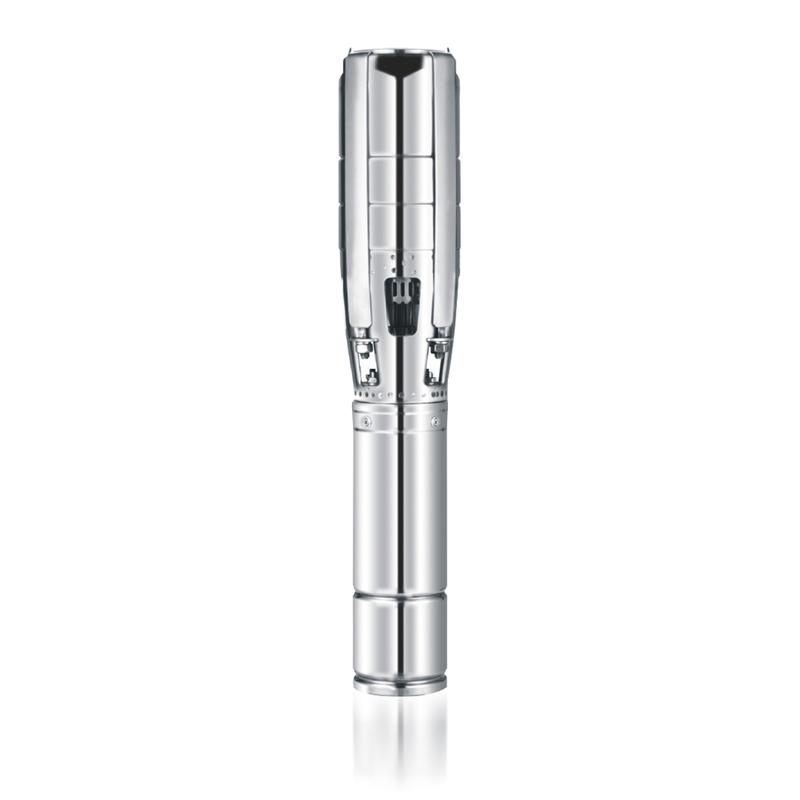
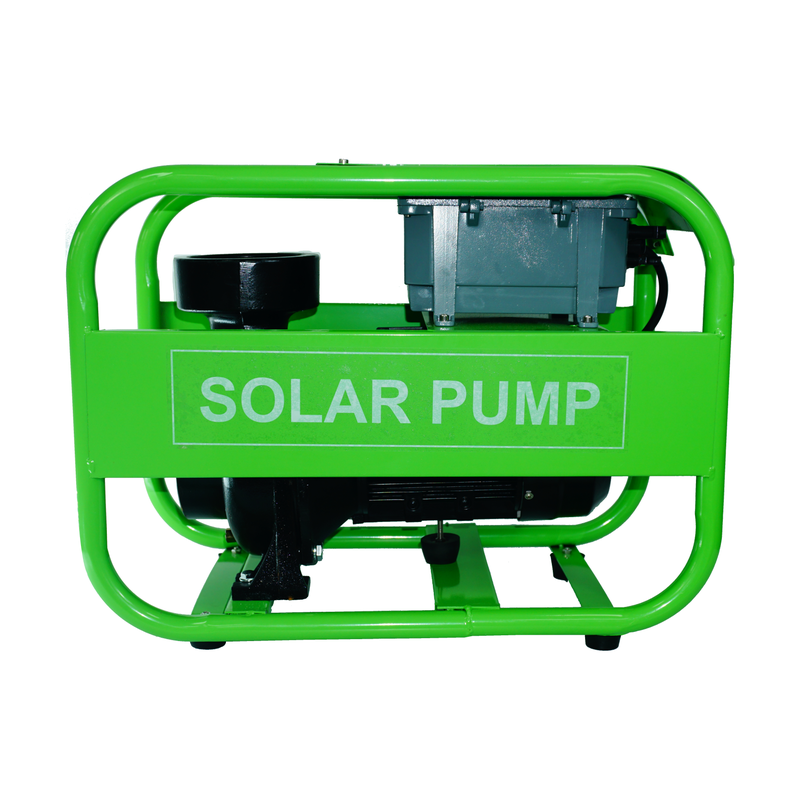
One of the most significant applications of this technology is the variable frequency drive pump. Pumps are indispensable in industries such as water treatment, irrigation, HVAC, and manufacturing. However, without proper control, pumps often run at constant full speed, leading to excessive energy consumption, rising operational costs, and shortened equipment lifespan. With the integration of VFDs, pumps can automatically adjust their output according to real-time demand, ensuring stable flow, reduced wear, and long-term cost savings.

This article explores what a variable frequency drive is, why it plays such an important role in pump applications, how it helps improve energy efficiency, the key factors to consider during selection, and which LCGK models are designed to deliver reliable performance for different requirements.
What Is a Variable Frequency Drive and How Does It Work?
A variable frequency drive (VFD) is an advanced electronic device designed to regulate the speed and torque of electric motors. Instead of allowing motors to run continuously at a fixed speed, a VFD adjusts the motor’s operating frequency and voltage according to the actual demand. This makes it possible to optimize performance while minimizing wasted energy.
Core Working Principle
At its core, a VFD converts the fixed-frequency input power into variable-frequency output. This process involves:
Rectification: Converting AC input into DC current.
Inversion: Using insulated gate bipolar transistors (IGBTs) to convert DC back into AC with adjustable frequency.
Control System: Advanced algorithms that determine the precise voltage and frequency the motor requires based on real-time load conditions.
Key Advantages of VFD Technology
Precise Motor Control – Ensures that motors run at the optimal speed for the task.
Reduced Wear and Tear – Lower operating speeds mean less stress on mechanical parts, extending equipment life.
Energy Optimization – Motors consume power proportional to the cube of their speed, meaning even small reductions in speed result in major energy savings.
Role in Pump Systems
When applied to pump systems, the variable frequency drive pump allows the motor to automatically adjust water flow and pressure. This eliminates the inefficiency of running pumps at full capacity when demand is low, leading to smoother operation and lower overall costs.
Why Is a Variable Frequency Drive Pump Important for Modern Systems?
Pumps are vital components in industries ranging from municipal water supply and HVAC to irrigation and manufacturing. However, running pumps without smart control often results in wasted energy, excessive mechanical stress, and higher operational costs. This is where the variable frequency drive pump demonstrates its importance.
Stable Flow and Pressure Control
Traditional pumps typically operate at a constant speed, regardless of fluctuating demand. This often causes unstable water flow and pressure. With a VFD, pump speed can be continuously adjusted, ensuring:
Consistent water pressure in HVAC and building systems.
Accurate flow regulation in industrial and agricultural applications.
Improved system reliability with fewer shutdowns caused by pressure surges.
Energy and Cost Savings
Energy is one of the highest expenses in pump operations. By allowing pumps to run only at the level required:
Power consumption can be reduced by up to 30–50%.
Maintenance costs decrease due to reduced mechanical strain.
Long-term savings accumulate, making the system more sustainable.
Extended Equipment Lifespan
Mechanical components such as bearings, seals, and impellers wear down quickly under constant high-speed operation. A variable frequency drive pump reduces sudden starts, minimizes vibration, and lowers operating stress, leading to:
Longer service life of the pump.
Fewer unplanned shutdowns.
Improved return on investment for equipment owners.
Alignment with Modern Industry Standards
As industries adopt stricter regulations on efficiency and environmental impact, the VFD pump has become a standard solution. It helps businesses not only save money but also comply with global sustainability initiatives.

How Can a Variable Frequency Drive Improve Energy Efficiency and Reduce Costs?
One of the most compelling reasons to adopt a variable frequency drive (VFD) is its ability to significantly improve energy efficiency and lower operational expenses. Motors are responsible for a large share of industrial electricity consumption, and without proper control, they often waste energy by running at full speed regardless of demand.
Energy Efficiency Through Speed Control
Unlike fixed-speed systems, a VFD enables motors to operate only at the required speed. Since energy consumption is proportional to the cube of motor speed, even a small reduction in RPM translates into major energy savings. For example:
A 20% reduction in motor speed can save nearly 50% of energy.
Pumps running at variable speeds consume far less electricity during low-demand periods.
Reduced Demand Charges
Many utilities charge based on peak electricity usage. By soft-starting motors and adjusting output smoothly, VFDs reduce power surges and prevent costly demand spikes on energy bills.
Lower Maintenance and Replacement Costs
Running motors at optimized speeds reduces wear on bearings, belts, and seals. This leads to:
Less frequent downtime for repairs.
Longer intervals between part replacements.
Lower spare part inventory costs.
Optimized System Performance
The integration of variable frequency drive pump systems ensures that energy is used precisely where it is needed. Benefits include:
Better balance between flow and pressure in piping networks.
Reduced water hammer effects, which often damage equipment.
Extended operational life of pumps and motors, further lowering lifecycle costs.
In the long term, these factors combine to create not only a more energy-efficient system but also a far more cost-effective one, aligning with both financial and environmental goals.
What Factors Should Be Considered When Choosing the Right Variable Frequency Drive?
Selecting the right variable frequency drive (VFD) is essential to ensure compatibility, efficiency, and long-term reliability. Since VFDs directly impact the performance of motors and pump systems, buyers should carefully evaluate the following factors before making a decision.
1. Input Voltage and Phase Requirements
Different facilities have different power supply conditions.
Single-phase input (200V–240V): Common in smaller operations or residential-type installations.
Three-phase input (380V–480V): Standard for industrial and commercial applications requiring higher capacity.
Ensuring the VFD matches the facility’s voltage and phase is critical for stable operation.
2. Motor Power and Load Characteristics
Each motor has specific power ratings that must align with the VFD capacity. Key considerations include:
Rated horsepower (kW) of the motor.
Starting torque requirements for pumps or compressors.
Continuous vs. intermittent load demand in real applications.
Choosing an undersized VFD risks overheating, while oversizing may cause unnecessary cost.
3. Control Method and Application Needs
Modern VFDs offer various control methods, such as:
V/F control for general-purpose pumps.
Vector control for applications requiring higher torque and dynamic performance.
Sensorless control for simplified installations without external feedback devices.
The right method ensures optimal performance without unnecessary complexity.
4. Environmental and Installation Conditions
The operating environment can affect VFD lifespan and reliability. Consider:
Ambient temperature and ventilation requirements.
Protection rating (IP level) for dust or moisture exposure.
Physical size and mounting space, especially for retrofit projects.
5. Advanced Features and Protection
Beyond the basics, high-quality VFDs should provide:
Overload and short-circuit protection.
Automatic fault diagnostics for easy maintenance.
Energy optimization functions that adjust motor output intelligently.
By carefully reviewing these factors, businesses can select a variable frequency drive pump system that not only matches technical requirements but also ensures long-term stability and efficiency.
Which LCGK Variable Frequency Drive Models Offer Reliable Performance?
When selecting a variable frequency drive, product reliability and adaptability to different application scales are key. LCGK offers a range of VFDs specifically designed to meet diverse operational demands, from small-scale motor control to heavy-duty pump systems.
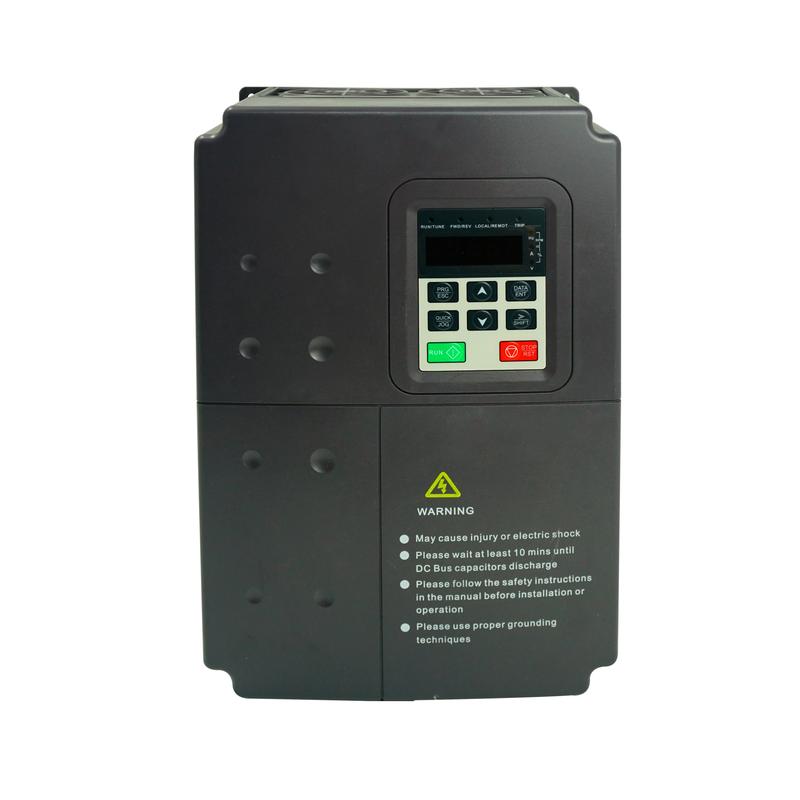
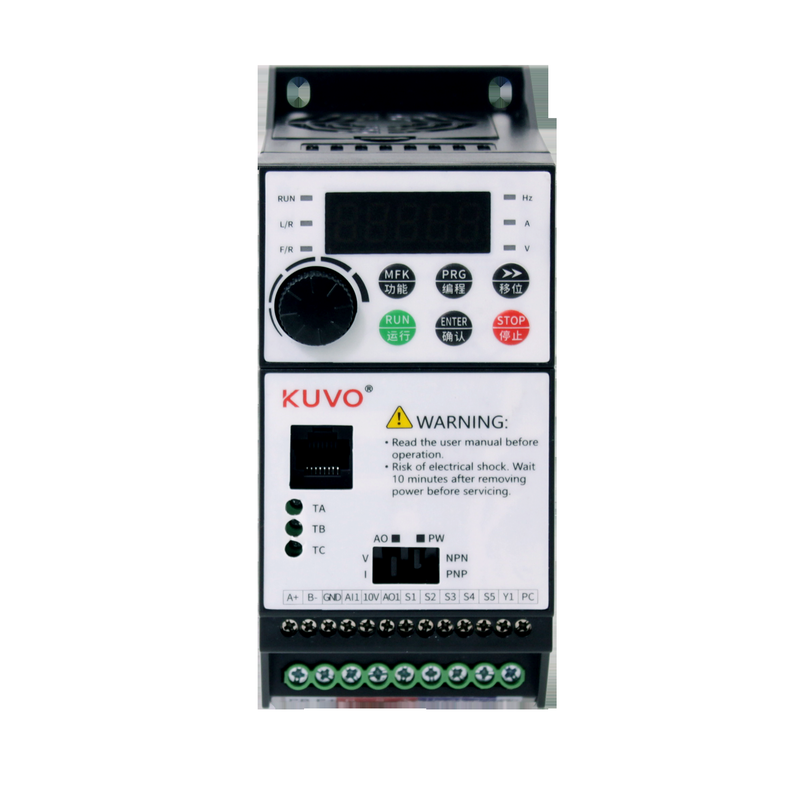
KV10 Variable Frequency Drive
The KV10 series is built for flexibility and ease of integration.
Input voltage options: 200V (–10%) ~ 240V (+10%) single-phase, or 380V (–10%) ~ 480V (+10%) three-phase.
Control method: V/F control ensures stable performance for general-purpose motors.
Applications: Ideal for smaller pump systems, ventilation fans, and compact machinery.
Its lightweight design and straightforward setup make it a reliable choice for facilities needing efficient motor speed regulation without unnecessary complexity.
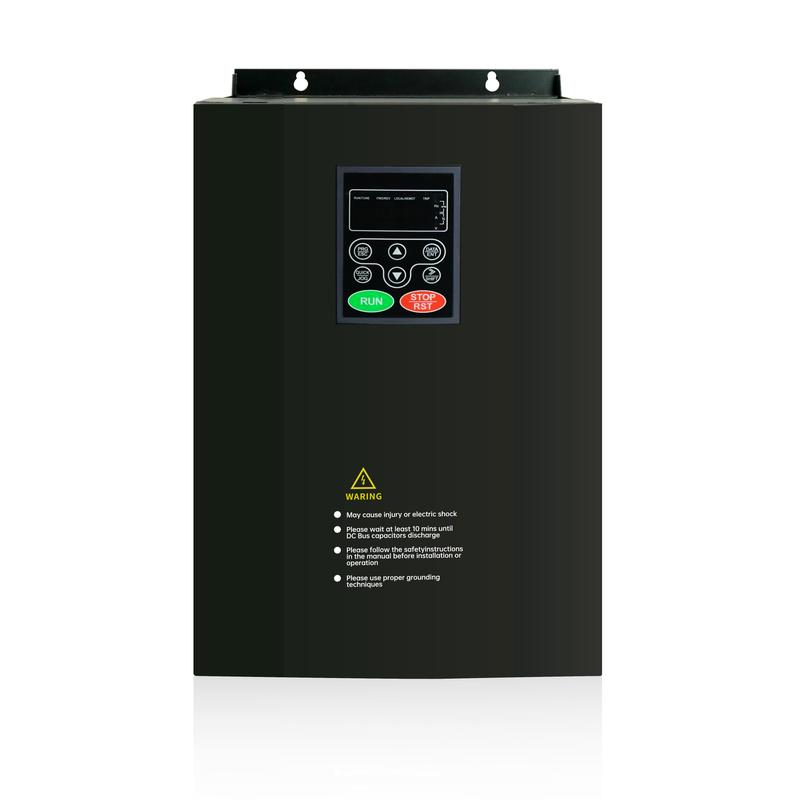
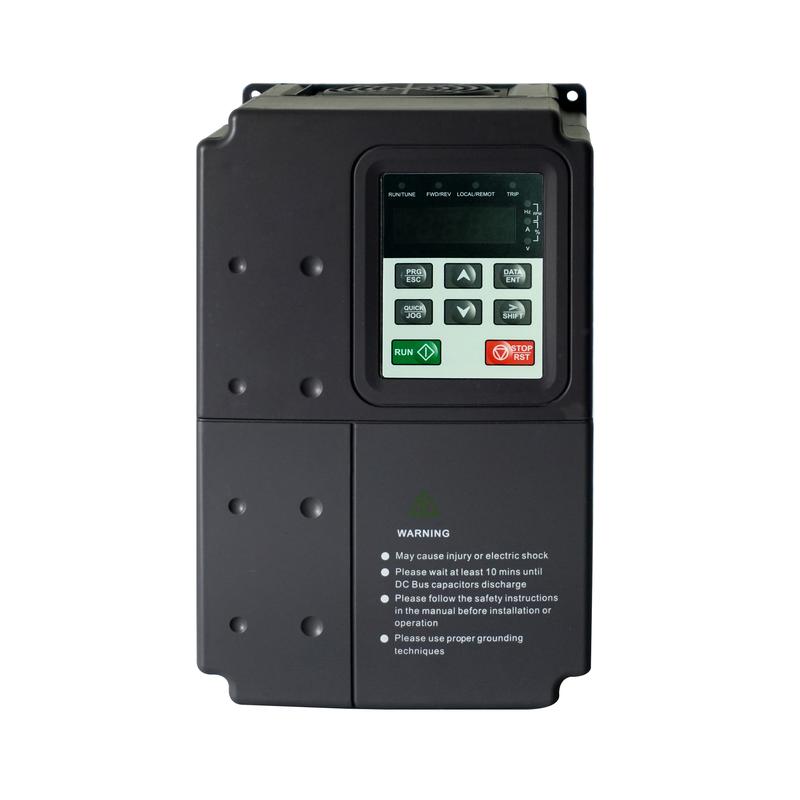
KV90M Variable Frequency Drive Pump Series
The KV90M series is engineered for medium- to large-scale pump systems, offering stronger performance and robust durability.
Available models:
LCGK-22–30KW
LCGK-15–18.5KW
LCGK-7.5–11KW
LCGK-4–5.5KW
LCGK-0.75–2.2KW
Design features: Equipped with advanced IGBT modules for efficient inversion, stable current handling, and high reliability under demanding load conditions.
Application focus: Perfect for water treatment plants, irrigation systems, and industrial operations requiring precise flow and pressure control.

Why Choose LCGK VFDs?
Both KV10 and KV90M series are designed with:
Strong protective functions (overload, overvoltage, undervoltage, and short-circuit protection).
User-friendly interface for quick commissioning and monitoring.
Durability that ensures long service life, reducing replacement and maintenance costs.
By combining proven technology with practical design, LCGK VFD provides VFD solutions that help businesses achieve energy efficiency, reliable pump control, and sustainable operation.
Conclusion
The adoption of a variable frequency drive pump is no longer just an option—it is a necessity for industries aiming to balance performance, cost, and sustainability. By intelligently adjusting motor speed and torque, VFDs enable pumps to operate precisely at the required capacity, reducing energy waste, extending equipment life, and improving system reliability.
From smaller operations requiring compact control solutions to large-scale facilities managing complex pump systems, choosing the right VFD can transform efficiency and long-term profitability. With models such as the KV10 Variable Frequency Drive and the KV90M series, LCGK VFD delivers dependable solutions tailored to a wide range of applications, ensuring both technical excellence and operational stability.
For businesses seeking to optimize pump systems and achieve sustainable performance, LCGK VFD’s VFD solutions represent a smart, future-ready investment.
 English
  French
  Arabic
  German
  Portuguese
  Spanish
  Italian
  Polish
  Russian
  Indonesian
  Turkish
  Bulgarian
  Dutch
Dutch  Japanese
  Korean
  Czech
Czech  Danish
  Greek
Greek  Estonian
  Finnish
  Hungarian
  Lithuanian
  Latvian
  Romanian
  Slovak
  Slovenian
  Swedish
  Ukrainian
  Chinese