
As solar energy becomes increasingly accessible, more agricultural and water management operations are turning to solar pump inverters for reliable and cost-efficient water delivery. These devices form the core of modern solar pumping systems, enabling water pumps to operate directly from solar panels without relying on batteries or the grid. But how exactly do they work, and what should you know before investing in one? In this guide, we’ll walk through the key questions every decision-maker should ask when considering a solar pump inverter—from performance features to cost-saving potential.
What Is a Solar Pump Inverter and Why Do You Need It?
Understanding the Basics
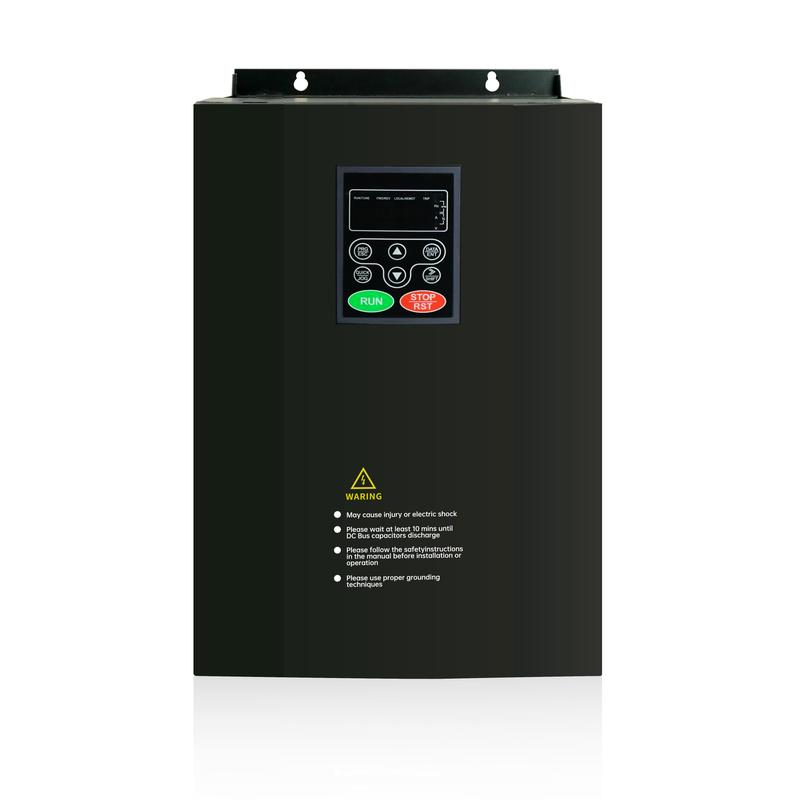
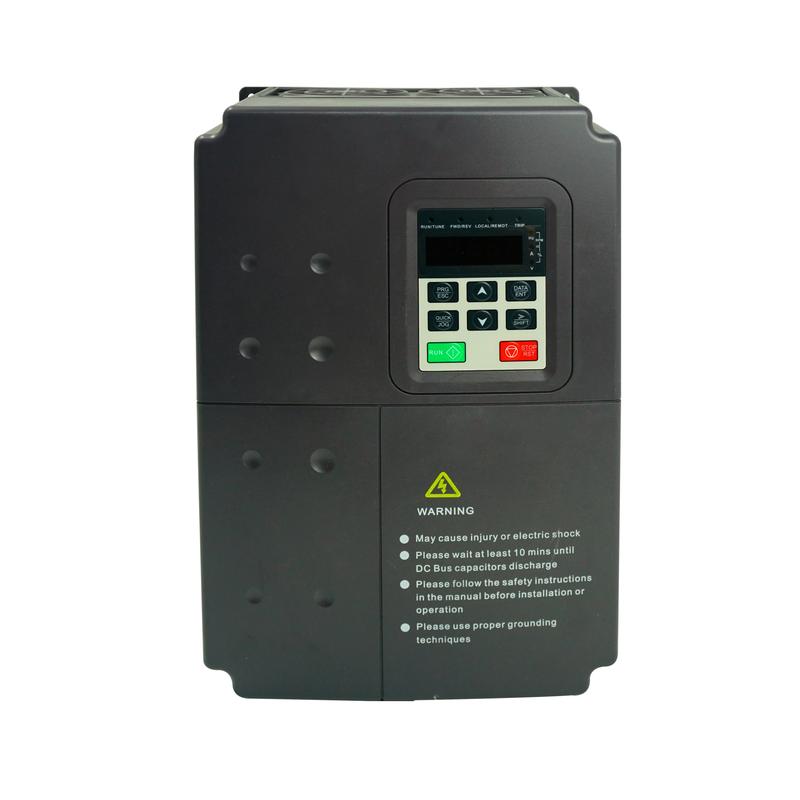
A solar pump inverter is an intelligent device that plays a pivotal role in enabling solar-powered water pumping systems. It serves as the bridge between solar photovoltaic (PV) panels and AC-powered water pumps, converting the direct current (DC) produced by solar panels into alternating current (AC) suitable for driving pumps. This not only eliminates the need for grid power or fuel-driven generators but also simplifies water delivery in remote locations.
Key Functions of a Solar Pump Inverter
A modern solar pump inverter does far more than just convert current. It performs several essential control and protection functions:
Maximum Power Point Tracking (MPPT): This technology constantly tracks the optimum power point of the solar array, ensuring that the pump always operates at the highest possible efficiency based on current sunlight conditions.
Variable Frequency Drive (VFD): It dynamically adjusts the motor speed by changing the output frequency, allowing the pump to run faster when the sun is bright and slower when solar input drops—ensuring consistent performance throughout the day.
System Protections: Built-in features such as dry run protection, overload safeguards, and overheat detection prevent mechanical damage and extend the life of the pumping system.
Real-World Relevance
Imagine a farm in rural North Africa where access to grid electricity is limited. With a solar pump inverter, the farmer can operate a 3HP surface pump throughout the day using nothing but sunlight, reducing fuel costs and environmental impact while ensuring reliable irrigation.
In essence, a solar pump inverter isn’t just a technical component—it’s the central nervous system of a solar-powered water solution. Without it, the solar panels and pump cannot communicate effectively, leading to wasted energy and unstable operation.

How Does a Solar Pump Inverter Improve System Efficiency?
Real-Time Energy Optimization
Solar radiation is inherently inconsistent—cloud cover, time of day, and seasonal shifts all affect how much power your solar panels generate. A solar pump inverter compensates for this variability by intelligently regulating the voltage and frequency delivered to the pump. When sunlight is strong, the inverter boosts motor speed to maximize water output; during cloudy conditions, it slows the pump to conserve energy and avoid stress on the system.
MPPT Technology at Work
One of the most powerful features of modern inverters is Maximum Power Point Tracking (MPPT). This algorithm continuously evaluates the ideal operating point of the PV array and adjusts the electrical output to match it. In essence, it squeezes the maximum usable power from your solar panels, even when sunlight is not at its peak. Systems without MPPT can lose up to 25–30% of potential energy, making this feature a critical efficiency enhancer.
Reduced Energy Waste and Mechanical Strain
Unlike fixed-speed systems, solar pump inverters adjust motor activity based on actual power availability. This means:
No unnecessary over-speeding, which reduces wear and tear.
Lower startup torque, leading to gentler pump operation.
No reliance on batteries, minimizing losses associated with charge/discharge cycles.
Smarter Water Management
In regions with fluctuating daily water demand—like orchards or livestock farms—these inverters can be paired with sensors or timers to automate irrigation. You get more precise water delivery, reduced wastage, and optimal soil moisture levels, contributing to better crop yields.
Practical Scenario
In Southern Europe, where solar hours vary seasonally, a dairy farm using a 4kW solar pump inverter saw a 40% drop in diesel usage after replacing its generator-based system. The inverter adjusted flow rates based on daylight intensity, ensuring that watering cycles were consistent and cost-effective even during shorter winter days.
Ultimately, a solar pump inverter transforms a simple solar setup into an intelligent, adaptive pumping system, saving energy, improving water efficiency, and reducing operational headaches for agricultural and commercial users alike.
What Types of Pumps Are Compatible with Solar Pump Inverters?
Compatibility and Versatility
One of the major strengths of a solar pump inverter is its flexibility in supporting various pump types and motor configurations. Whether you’re irrigating a vineyard in southern Spain or drawing water for livestock in the Middle East, a well-matched inverter can handle different pump loads and system designs with ease.
Common Compatible Pump Types
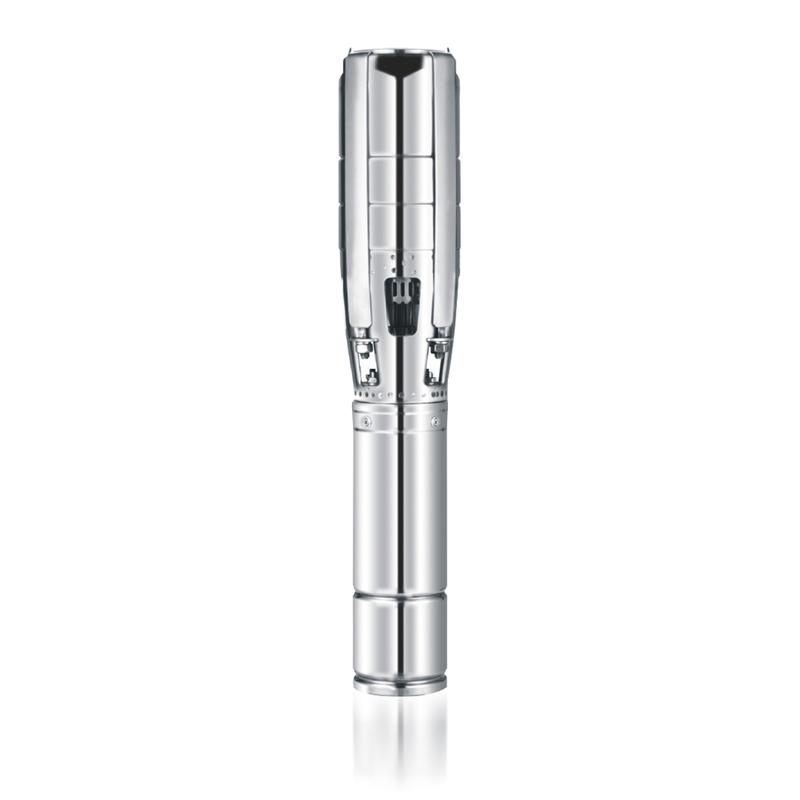
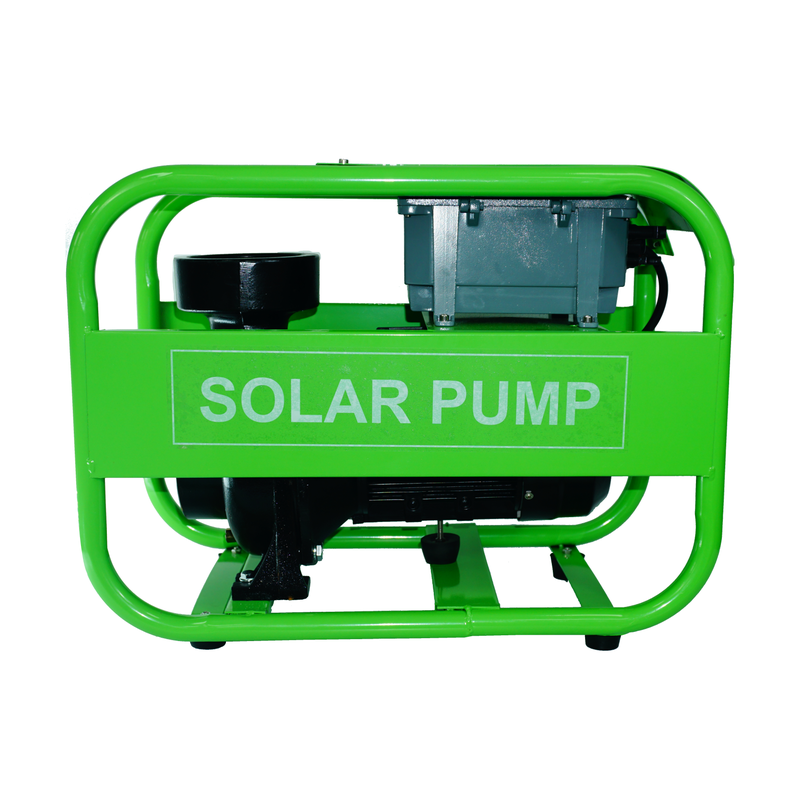
Solar pump inverters are typically designed to work with AC water pumps, especially those used in agriculture, landscaping, and water management applications. Below are common pump types and how they pair with solar inverters:
| Pump Type | Application Area | Inverter Considerations |
| AC Submersible Pump | Deep wells, boreholes | Requires high head, compatible with 3-phase output |
| AC Surface Pump | Tank filling, small fields | Ideal for shallow water sources |
| Three-phase Centrifugal | High-volume irrigation systems | Needs stable, high-capacity inverter with soft start |
| Vertical Multistage Pump | Pressurized water systems | Demands precise voltage and frequency regulation |
Single-phase vs Three-phase Pumps
Solar pump inverters can handle both single-phase and three-phase motors, but it’s crucial to choose a model designed for your pump’s motor type. Three-phase systems offer better efficiency and smoother operation, especially in high-demand or commercial environments, and are commonly recommended for pumps above 2.2kW.
Pump Power Ratings and System Matching
To ensure optimal performance, the inverter’s rated power (kW) should match or slightly exceed the motor’s rated input. For example:
A 1.5kW single-phase surface pump would pair with a 2kW inverter.
A 4kW three-phase submersible pump would need a 5kW inverter with strong MPPT and VFD support.
Environmental Conditions Also Matter
In desert or coastal regions, where dust, sand, or humidity can pose challenges, using pumps with corrosion-resistant materials and pairing them with IP65-rated solar inverters is essential for long-term reliability.
Application Insight
A large date farm in the UAE successfully runs ten 3HP submersible pumps using a centralized solar pump inverter system. The pumps are deployed in different wells across the field, and the inverter automatically prioritizes them based on solar input and water needs.
Ultimately, the key is compatibility and proper sizing—choosing a solar pump inverter tailored to your motor’s type, voltage, and load guarantees stable and efficient operation under varying sunlight and terrain conditions.
What Should You Consider Before Selecting a Solar Pump Inverter?
Important Technical Parameters to Check
Choosing the right solar pump inverter requires more than matching wattage. To ensure efficient, safe, and long-term operation, you need to evaluate several key technical aspects:
Voltage Range Compatibility
The inverter must support the input voltage range from your solar panels and the output voltage required by the pump. For example, if your solar array delivers 300–600V DC, the inverter should handle that without performance drops. Likewise, it must output 220V or 380V AC depending on whether your pump is single-phase or three-phase.
Motor Compatibility
Know the exact type of motor you are using: asynchronous, permanent magnet, single-phase, or three-phase. Some inverters are designed to support both, but many are specialized. A mismatch can cause inefficient operation or motor damage.
Power Rating Margin
Always size the inverter with a buffer—typically 10–20% higher than the motor’s rated power—to account for surge currents and temporary overloading during startup.
Cooling and Ambient Temperature
In hot climates like Saudi Arabia or North Africa, ambient temperatures can reach 45–50°C. Look for inverters with built-in fans or passive cooling systems, and make sure their rated operation temperature supports your location.
Smart Features That Add Value
Modern solar pump inverters come with intelligent features that not only improve performance but also enhance user control:
Remote Monitoring and Control
Some models support GSM, Wi-Fi, or RS485 communication, allowing you to monitor pump performance, solar input, and water output from a smartphone or computer.
Auto-Start and Auto-Stop
Based on solar intensity, water level sensors, or irrigation schedules, the inverter can start or stop pumping automatically—saving energy and reducing manual oversight.
Multiple Protection Functions
Inverters should have built-in safety features like:
Overvoltage and undervoltage protection
Overload and short-circuit protection
Dry-run protection (stopping the pump when no water is detected)
Installation and Maintenance
Ease of installation can save both time and cost. Wall-mounted models with plug-and-play wiring options are favored in smaller farms, while larger systems might require weatherproof cabinets and professional setup. Choose a model that offers clear manuals, diagnostic LEDs or display panels, and modular spare parts for easy servicing.
User Case
In an olive grove in southern Italy, the owner selected a 7.5kW inverter equipped with sand-proof housing and RS485 communication. This setup not only ensured uninterrupted operation during dry seasons but also allowed centralized monitoring of five pumps scattered across the field—all controlled from a mobile dashboard.
When making your selection, prioritize long-term reliability, flexibility, and compatibility with your existing solar and pump systems. A carefully chosen solar pump inverter isn’t just a purchase—it’s an investment in operational peace of mind.

How Can a Solar Pump Inverter Reduce Operational Costs?
Zero Fuel, Lower Bills
One of the most immediate and visible benefits of using a solar pump inverter is the elimination of fuel costs. Traditional pumping systems—especially in rural areas—often rely on diesel generators or grid electricity, both of which come with recurring expenses and logistical headaches. By leveraging sunlight, a solar-powered inverter system eliminates ongoing energy bills, making it a highly cost-effective solution after initial installation.
For example, running a 5kW diesel pump for 6 hours a day can consume over 6 liters of fuel daily. At $1 per liter, that’s more than $180 per month in fuel alone—without accounting for generator maintenance or fuel transport. Switching to solar with an efficient inverter reduces this cost to near zero.
Less Maintenance, More Uptime
Solar pump inverters, especially those built for dusty or humid climates, require minimal maintenance. Without internal combustion or high-friction parts, they’re less prone to mechanical failures. This not only reduces downtime but also avoids emergency repair costs during critical irrigation seasons.
Key Maintenance Advantages:
No oil changes, filter replacements, or spark plug cleaning
Self-diagnostic features reduce the need for frequent site visits
Electronic protections extend the lifespan of pumps and motors
Long-Term ROI and Payback Periods
Solar pump inverter systems have an average payback period of 1.5 to 3 years, depending on system size, sunlight availability, and existing energy costs. After this period, nearly all water delivery becomes free of charge, with only minimal costs for routine inspection.
Here’s an ROI comparison for reference:
| System Setup | Initial Cost | Annual Savings | Break-Even Point |
| Small Farm (2kW) | $2,800 | $1,200 | ~2.3 years |
| Medium Farm (5kW) | $6,000 | $2,500 | ~2.4 years |
| Commercial Farm (10kW+) | $11,500 | $4,800 | ~2.1 years |
Environmental and Regulatory Incentives
In many regions across Europe and the Middle East, governments or agricultural development agencies offer incentives or tax reductions for investing in renewable energy systems. Inverters with certifications and high efficiency ratings often qualify, further improving ROI.
Application Snapshot
A vineyard in Greece replaced its 3-phase grid-powered irrigation pump with a 4kW solar pump inverter system. Over 12 months, electricity bills dropped by over 90%, and system maintenance needs decreased by half. The savings allowed the farm to reinvest in drip irrigation lines and expand cultivation without increasing energy costs.
A well-chosen solar pump inverter doesn’t just save money—it transforms how businesses manage water, energy, and labor. When viewed over a 10-year lifecycle, the total cost of ownership becomes significantly lower than any conventional system, offering both financial and operational peace of mind.

Conclusion: Invest in Quality to Ensure Long-Term Stability
A solar pump inverter is more than just a conversion device—it’s the control center of your entire solar pumping system. From maximizing daily water output to protecting your pump from damage, the inverter determines how efficiently your system performs and how much you save in the long run.
By selecting the right model based on your pump type, solar array size, and site conditions, you gain:
Stable and automated irrigation, even in remote or off-grid areas
Reduced operational costs and faster return on investment
Long-term durability with minimal maintenance efforts
Whether you’re managing a farm in the Mediterranean or a date plantation in the Middle East, the right solar pump inverter ensures that every drop of sunlight is converted into productive, efficient water delivery.
For those seeking reliable, high-performance solutions, LCGK offers a full range of solar pump inverters engineered for tough environments and precision performance. With robust MPPT control, wide voltage compatibility, and proven field success, LCGK VFD’s products are designed to meet the unique needs of modern agricultural and commercial users.
 English
  French
  Arabic
  German
  Portuguese
  Spanish
  Italian
  Polish
  Russian
  Indonesian
  Turkish
  Bulgarian
  Dutch
Dutch  Japanese
  Korean
  Czech
Czech  Danish
  Greek
Greek  Estonian
  Finnish
  Hungarian
  Lithuanian
  Latvian
  Romanian
  Slovak
  Slovenian
  Swedish
  Ukrainian
  Chinese